Hepper is reader-supported. When you buy via links on our site, we may earn an affiliate commission at no cost to you. Learn more.
Can Cats Cry? Our Vet Explains Feline Behavior, Emotions & Signs of Concern

In this article
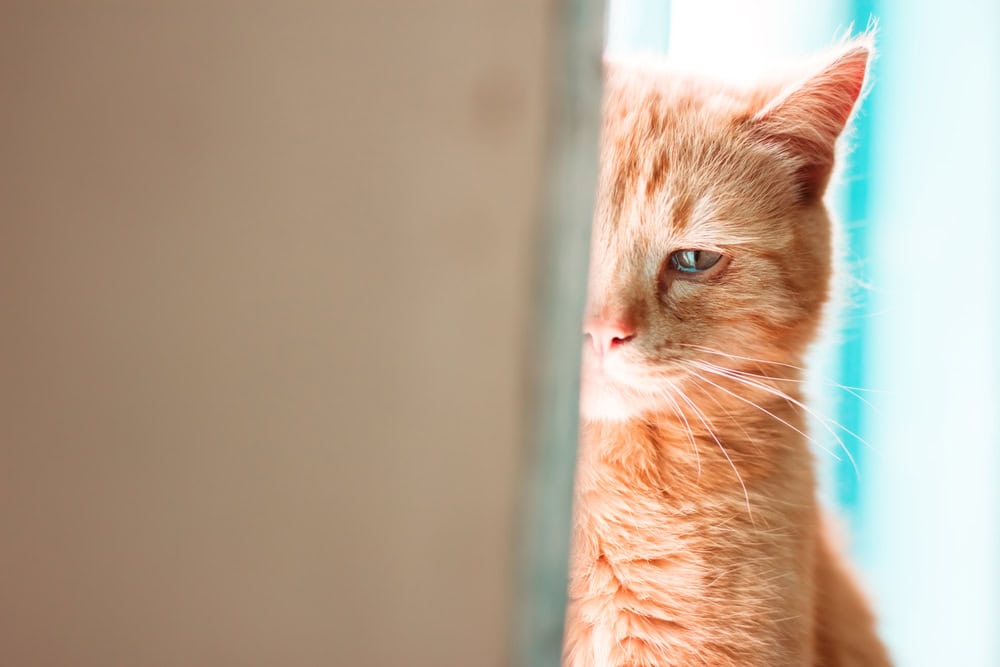
Maybe you’ve noticed a discharge around your cat’s eyes and are wondering if they’ve been crying. The truth is that cats can’t shed tears the way that we do. That means if they have a wet discharge around their eyes, something else is going on, and you need to check it out.
But what could that be? Also, if cats can’t cry, how can they let you know that they’re upset? The simple answer is no, they don't cry. At least not like we do. Keep reading as we explore cat crying and more here.

Why Does My Cat Cry Tears?
While your cat won’t cry emotional tears, that doesn’t mean there can’t be wet streaks coming from their eyes. There are a few potential causes of wet stains around your cat’s eyes.
First, it could be debris, a scratch on their eye, or another eye problem. Second, eye seepage can be a sign of respiratory infection in your cat. If you notice that the area around their eye is wet, carefully check for debris.
If the wetness doesn’t go away, you should know that this is not normal and you need to seek out a vet.
Can Cats Understand Human Crying?
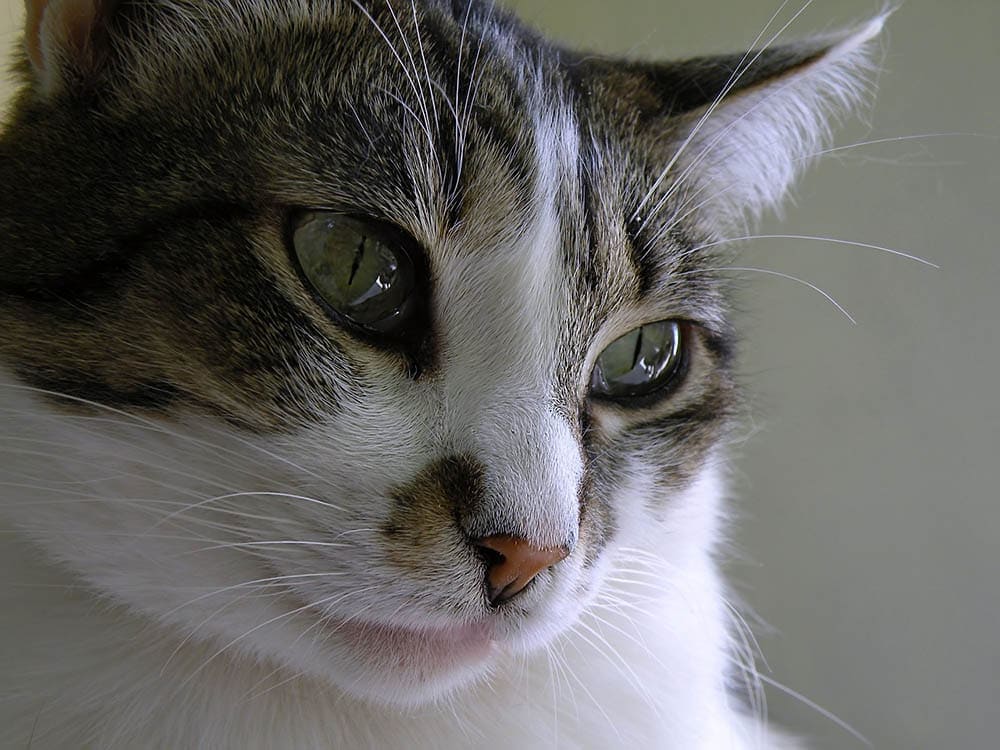
While a cat can pick up on your emotions, they don’t recognize crying for what it is. Your cat can tell that you’re upset, but not because you’re crying1.
Pets pick up on your emotions in other ways, and a cat is no different. They can tell simply by your body language, facial expressions, and vocalizations they can detect something is different compared to how we usually behave. Just as we can tell when our family members are upset by their body language, cats can do the same thing.
While they might not actively seek you out to cheer you up, if you tend to give them extra attention when you’re upset, they might start to come to you more often when you’re having a rough day. But if they pick up that you’re pushing them away or want to be left alone, chances are that they’ll do that too.
How Do Cats Show That They’re Upset?
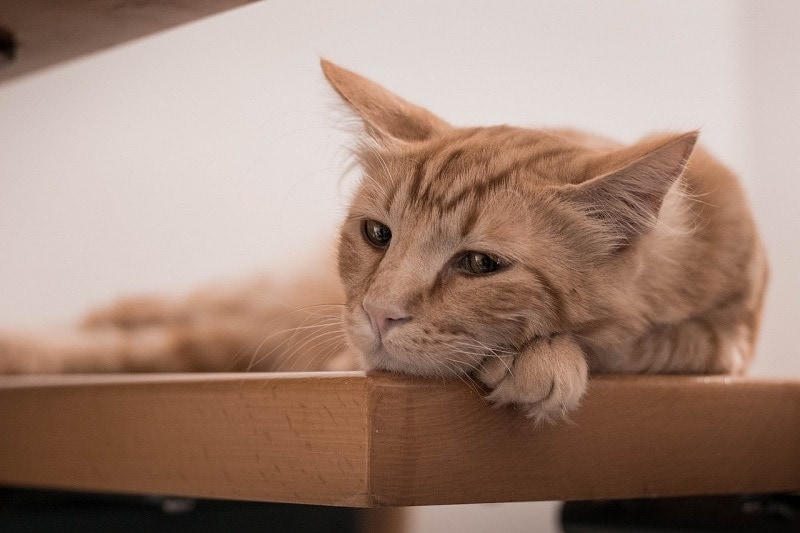
While cats can’t cry like humans, that doesn’t mean they don’t have emotions or can’t display them. Because cats cannot speak about their exact feelings, and our science hasn’t found a way to prove they behave a certain way when they experience certain emotions, it is all subjective. However, we have lived so close to our pets for long enough to interpret their behavior in the context of their recent experiences. Therefore, we rely on the owners' interpretation of their cat’s behavior concerning their emotions. However, the signs that an owner might interpret as sadness might actually be signs of sickness. Because our beloved pets cannot speak out to tell us if they are experiencing pain and discomfort, it is best to leave the guessing on the side and take the cats to the vet to rule out any medical problems. You know your cat best, and if you notice any of the following signs, please ensure they are seen by a veterinarian.
The truth is that any behavior outside of how they usually act is a cause for concern. So, just get to know your cat, and if they start acting strange, then investigate further!
Do Cats Get Sad When You Leave?
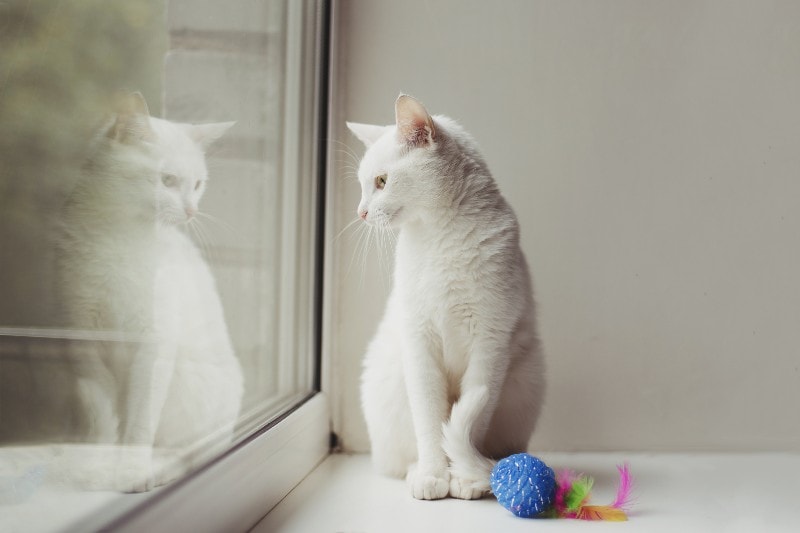
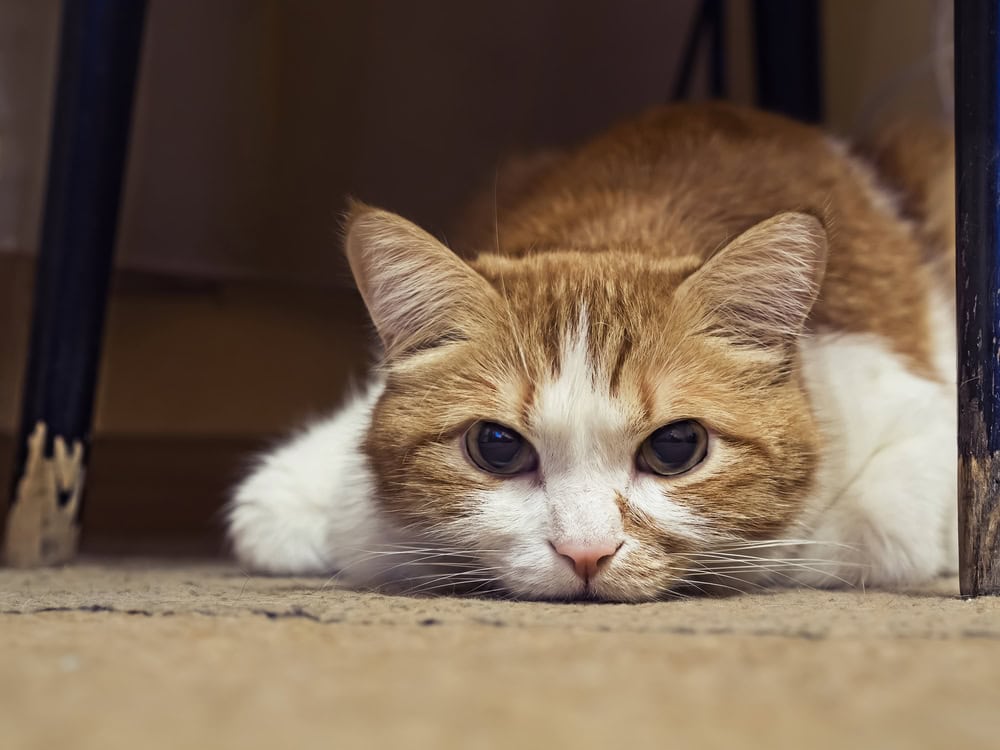
While it’s common for dogs to suffer from separation anxiety, the truth is that cats can have the same problems. While separation anxiety isn’t nearly as common for cats, it is something that you need to keep an eye out for, especially if they’re the only pets in the house.
Indoor cats tend to form stronger bonds with their owners, which means that they also take it harder when they’re left alone.
Signs of separation anxiety in your cat include:
If you’re worried about your cat suffering from separation anxiety, there are a few things that you can do. You should keep in mind that ruling out medical problems comes first, and since these signs could also indicate medical issues…a vet must check your cat.
Once the vet ensures you that the cat is otherwise healthy, you can look into dealing with the emotional & behavioral problems. Perhaps you can get another cat, especially if your cat is very social. While this might not sound like an ideal option, it’s often a great way to eliminate separation anxiety. Having a neighbor or sitter check in with your cat if you are away for long hours might also help.
Some other tips you can try are to:
Interactive pet cameras that allow you to toss a treat to your cat are also worth trying. While none of these activities are fool-proof cures to separation anxiety, they can all help your cat feel a little more comfortable when you head out.
About Tears and Human Judgement
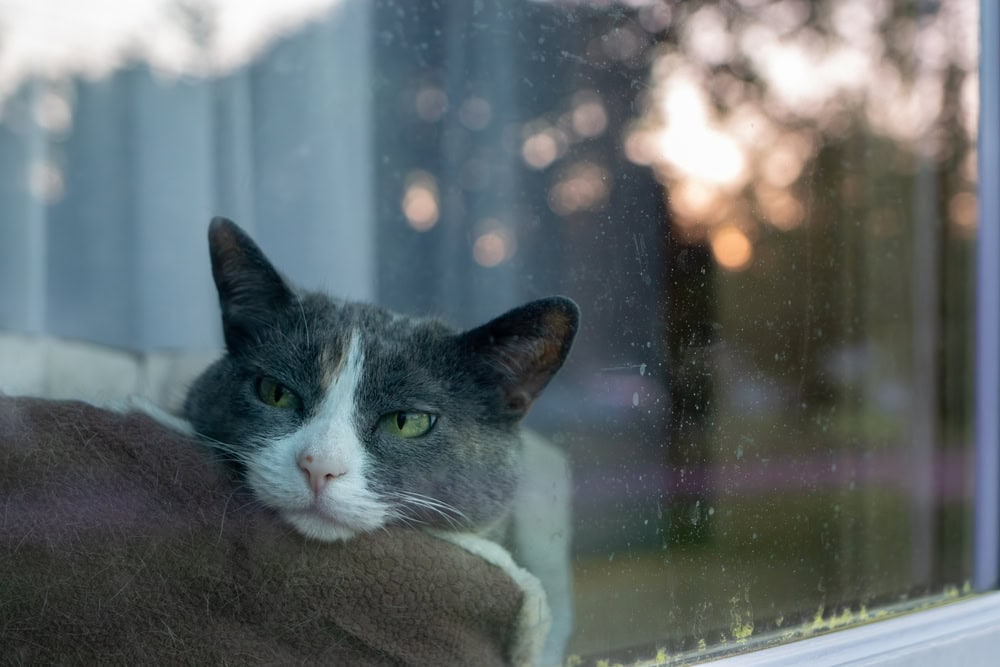
An interesting study used pictures of five different animal species (including cats) displaying diverse behavioral cues. They digitally added tears to the photos to determine the human interpretation of the images. Well, it turns out that the addition of tears resulted in humans more frequently interpreting an image as sadness, even if they were displaying signs of disturbed emotions such as aggression. This study confirmed that the presence of tears in the animals’ faces influences our perception of higher emotional intensity, friendliness, and lower aggressiveness, even when that is not the case.
So, what is the most important takeaway message here? Well, at the beginning of this post, we explained that cats can display ocular secretions due to medical conditions. For instance, while respiratory infection can make us overproduce nasal secretions, cats will also present ocular secretions. Other ophthalmic problems can also make a cat’s eyes look wet. When a cat is not feeling well, their behavior also changes in ways that we might interpret as sadness, when, in reality, they need to be checked by a vet. When cats don't feel well, they might react in unusual ways, and your normally friendly cat might hiss, swat, or bite you.

Final Thoughts
While cats can’t cry, that doesn’t mean they don’t feel emotions. They still get happy and sad, just like humans, and they have plenty of ways to display these emotions. That’s why it’s crucial to get to know your cat so you can tell when something is up. Since cats have no chance to speak when they feel unwell or sad, paying attention to changes in their behavior is crucial. Understanding that our cats as sentient beings with different ways than us of displaying their emotions is very important. It allows us to provide them with the love, care, and respect they deserve.
Featured Image Credit: arvitalyaart, Shutterstock
Get Hepper In Your Inbox


Pet care tips from our vets and experts, straight to your inbox.
You may opt-out at any time. View our Privacy Policy for more information.
Paola Cuevas is a veterinarian and animal behaviorist, with over 18 years of experience working with a variety of species. Her passion is animal welfare and focuses on the importance of preventive medicine. Paola has skills in the fields of nutrition, microscopy, clinical pathology, diagnostic imaging, and endoscopy as well as extensive experience in animal training through positive reinforcement. As our in-house veterinarian, Paola is very happy to share her knowledge and experience with our readers and hopes to be helpful with any issue presented by your non-human family members.
Dr. Paola is our Senior In-House Veterinarian at Hepper, and she loves sharing her knowledge and experience with our readers. Paola hopes to provide helpful information for any issue presented by your fur babies.
Her passion is animal welfare and she focuses on the importance of preventive medicine.
Education
Paola graduated from the University of Guadalajara, Mexico.
Experience
Dr. Cuevas has over 18 years of veterinary and animal behaviorist experience and has worked with a variety of species, from companion animals to exotics. She has skills in the fields of nutrition, microscopy, clinical pathology, diagnostic imaging, and endoscopy as well as extensive experience in positive reinforcement animal training.
Things You Didn't Know About Dr. Paola:
As a student, Paola received an outstanding student scholarship. She had the opportunity to travel to Canada and learn about aquaculture diagnostics and pathology.
Paola and another colleague trained gentoo penguins to recognize shapes and colors and their project achieved an international first-place award in research.
Paola has trained several species of animals to voluntarily accept medical procedures such as ultrasound examinations, X-rays, and the collection of biological samples with the goal of improving their healthcare without additional stressors or the need for physical restrain.
Join the conversation
Ask a question, share your story, or send private feedback.