Hepper is reader-supported. When you buy via links on our site, we may earn an affiliate commission at no cost to you. Learn more.
Cat GPS Trackers: Pros & Cons

Hi, I'm Dr. Maja! Read my introduction to learn more about me and Miki, the kitten who made me a cat person.
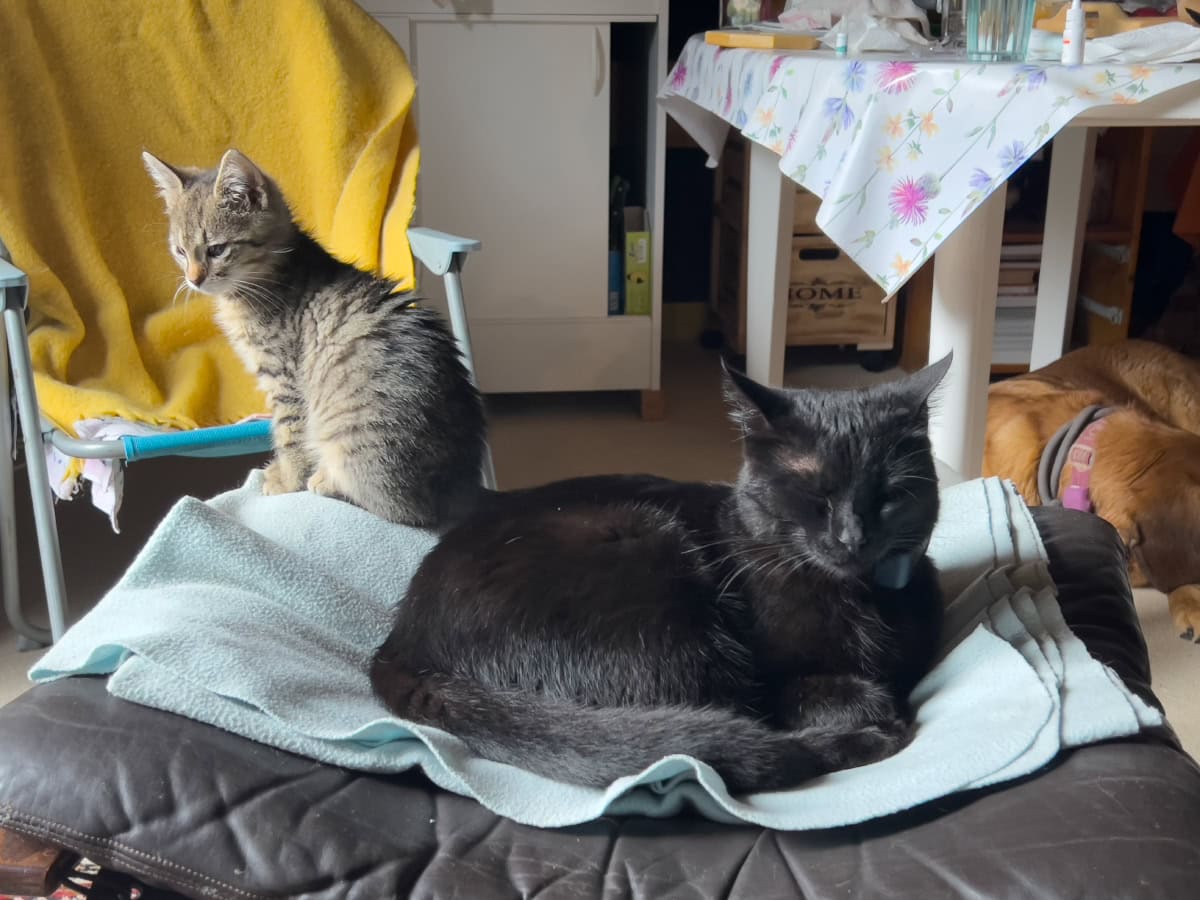
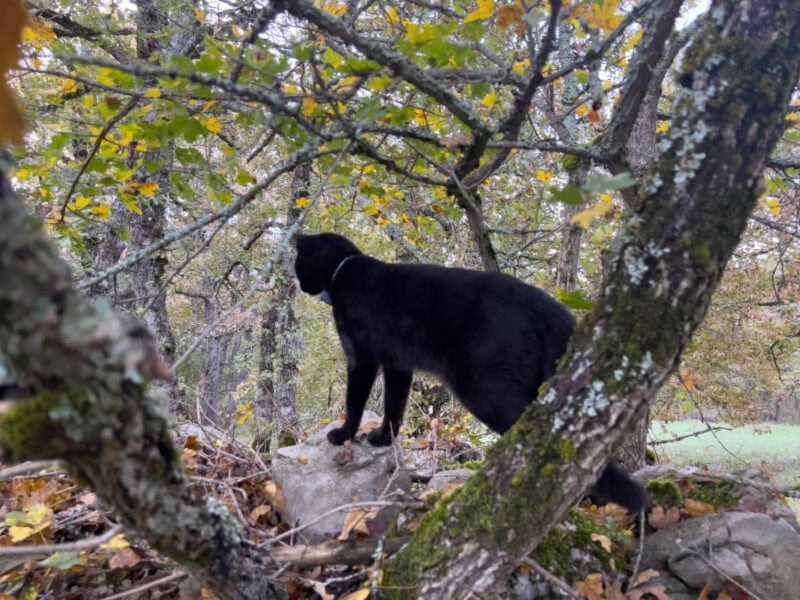
I can’t even imagine life without a GPS tracker for my pets anymore. Since getting Lava, who is the very definition of mischief, I knew immediately I had to have a tracker on her 24/7, as she likes to run off at the first opportunity. And then it felt just right to get one for my other dog Hela, as well. Finally, Miki joined our family, and I just wouldn’t feel at ease letting him go out and not knowing where he was or if anything may have happened.
How Miki Got Used to Wearing A Tracker
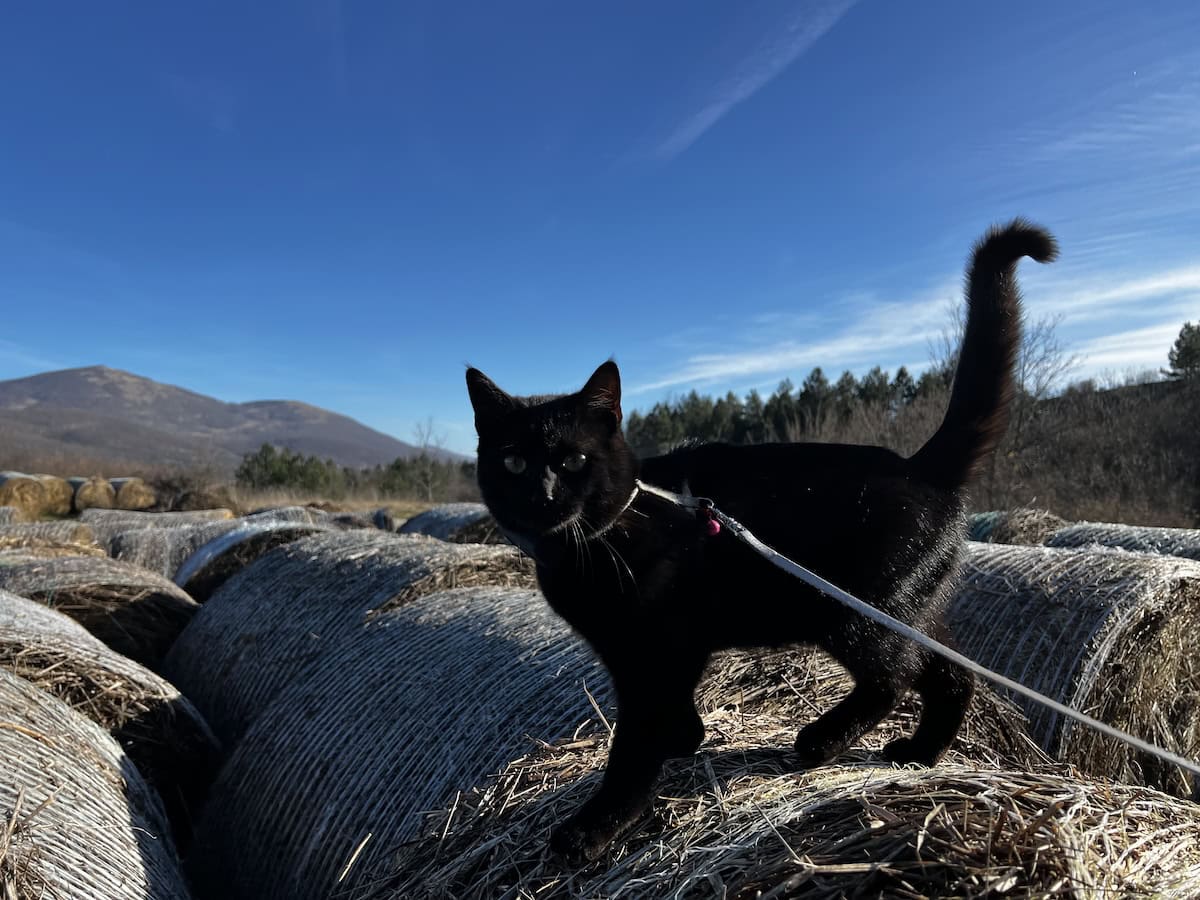
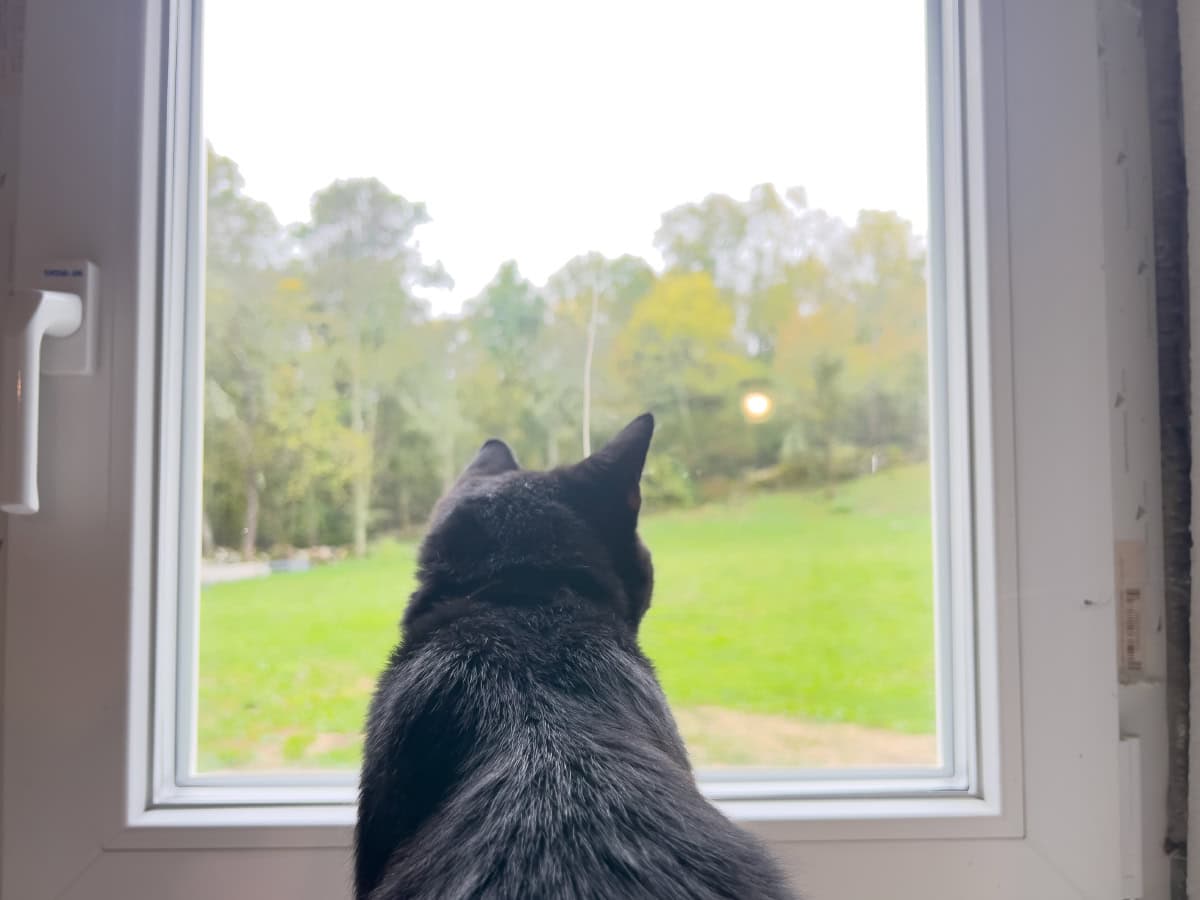
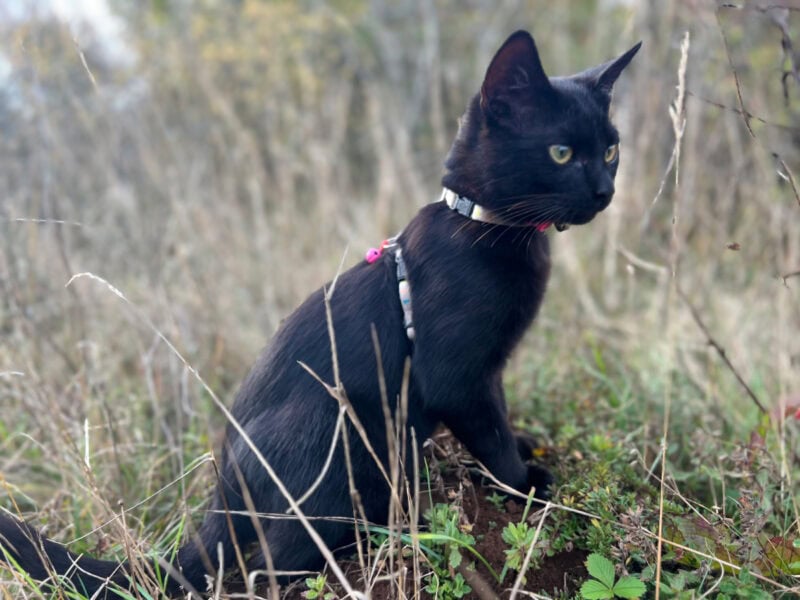
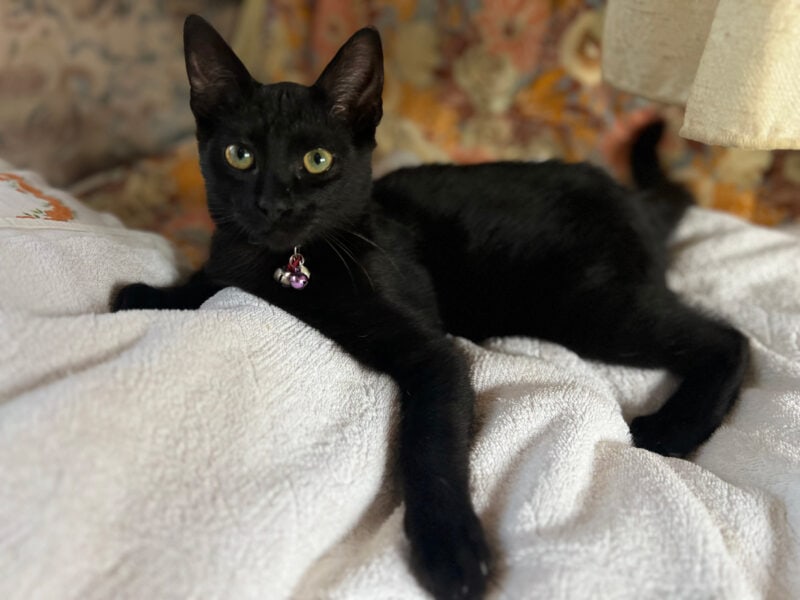
I got the GPS tracker for Miki quite early on, but as he was too small, I would only put it on for a few minutes at a time, to see what he thought of it. He got used to wearing a collar quite quickly, and then a harness. Before he was ready to wear the tracker, I put a couple of bells on his collar just so I could hear him when he was exploring the garden.
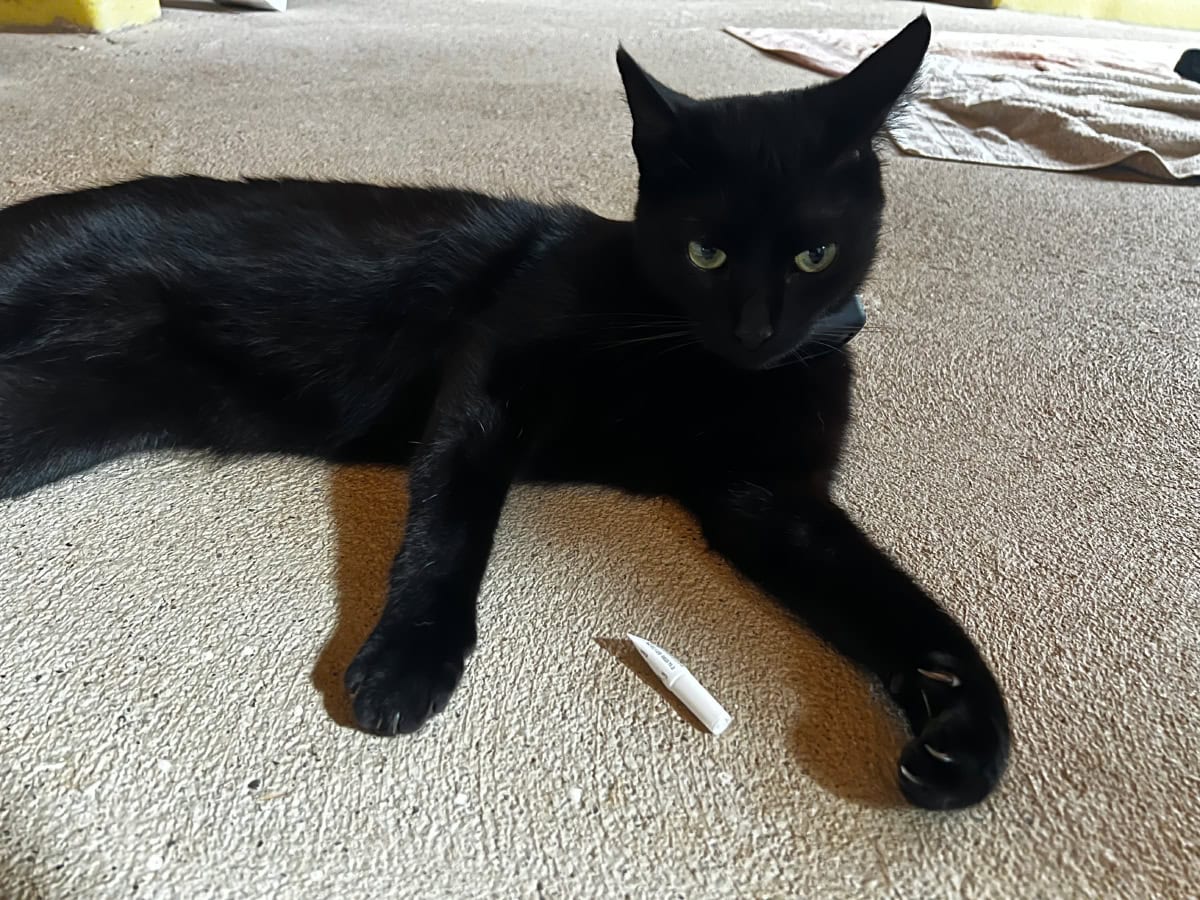
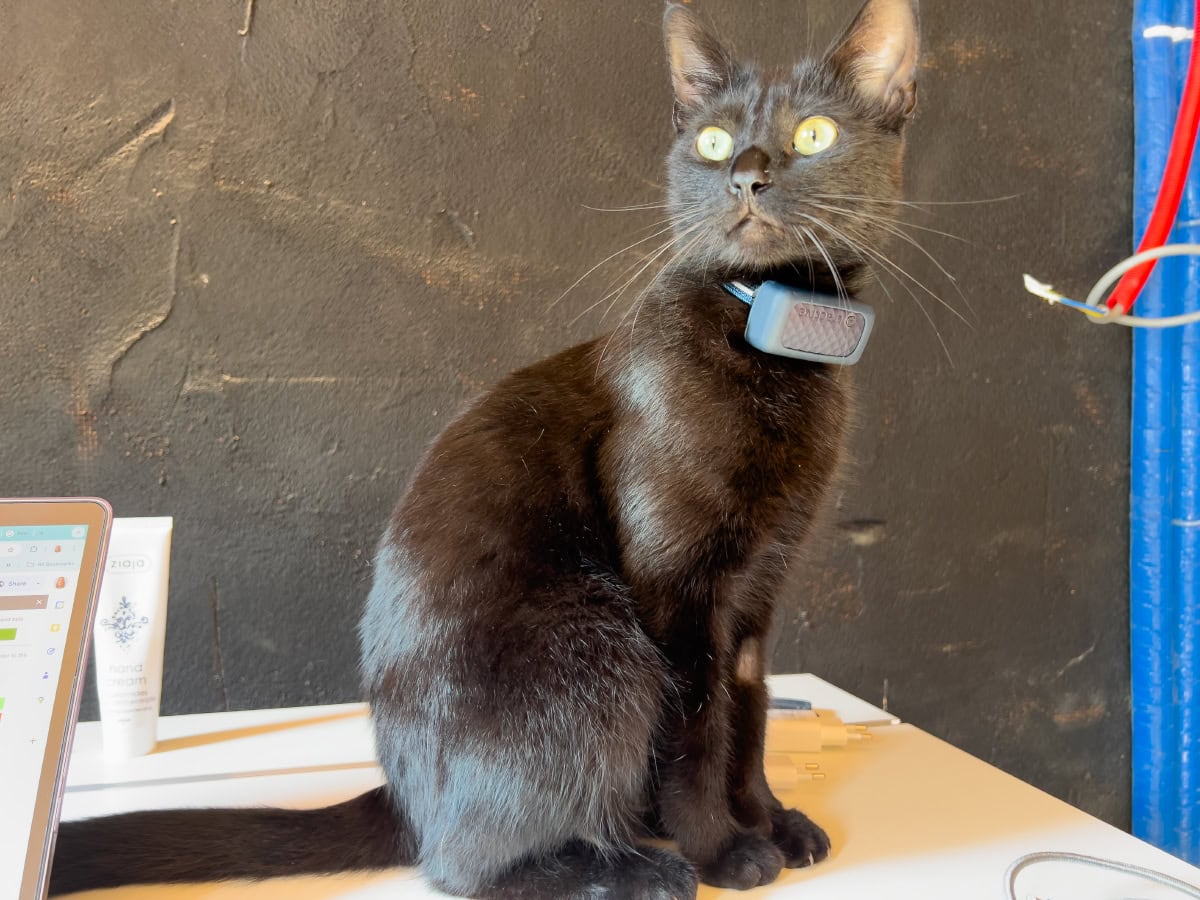
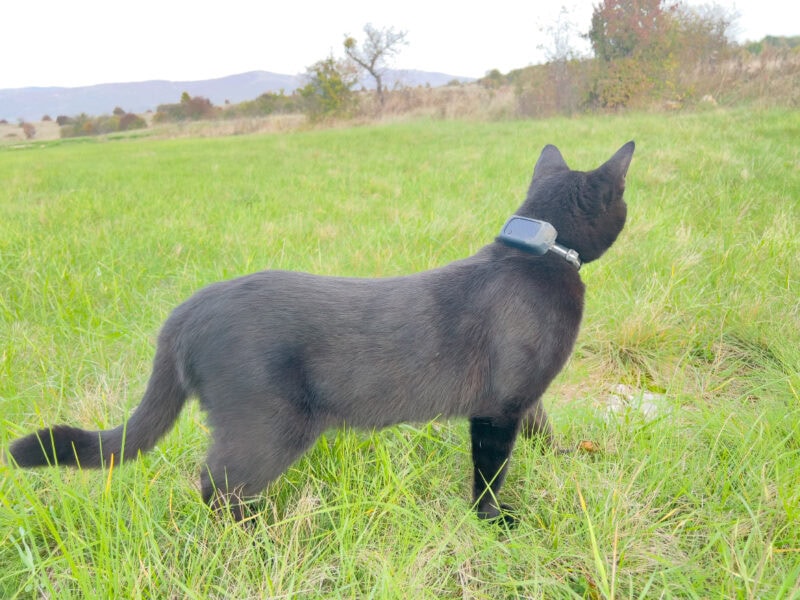
As he was getting bigger, I started to put the GPS tracker on for a few hours at a time. Initially, he wasn’t thrilled, as it must have felt awkward, but after a few weeks, he accepted it fully. Of course, the collar was a breakaway one, so if he got stuck somewhere, it would unclip and prevent him from getting injured or stuck.
Good Things About GPS Trackers
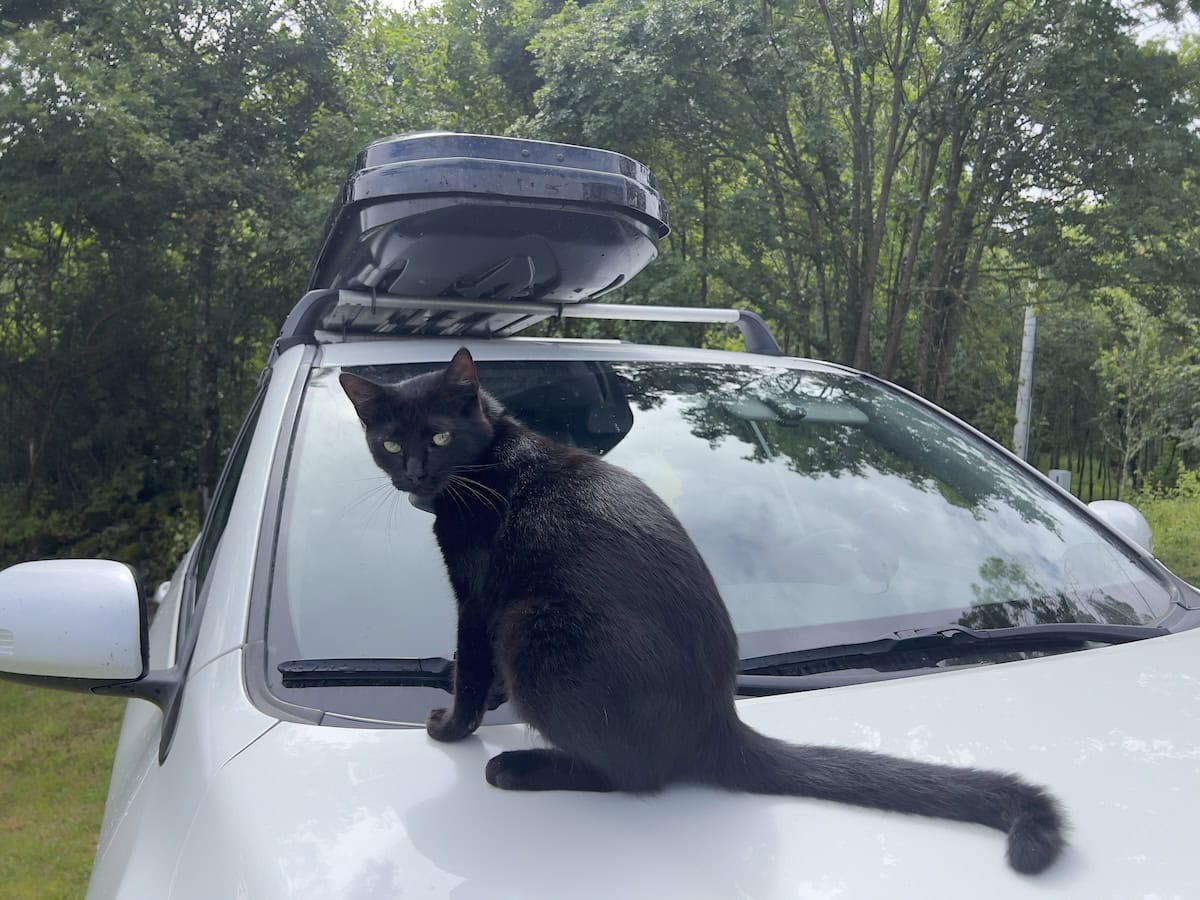
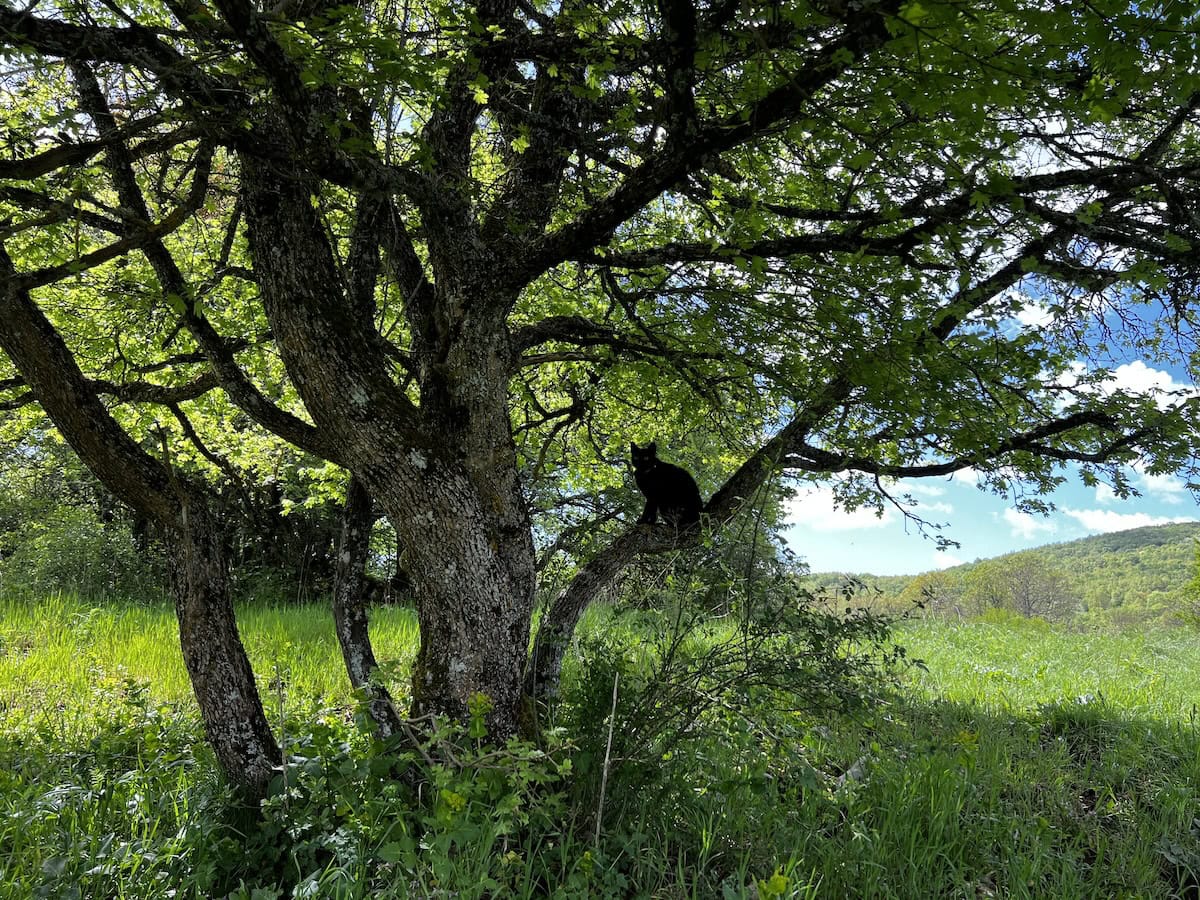
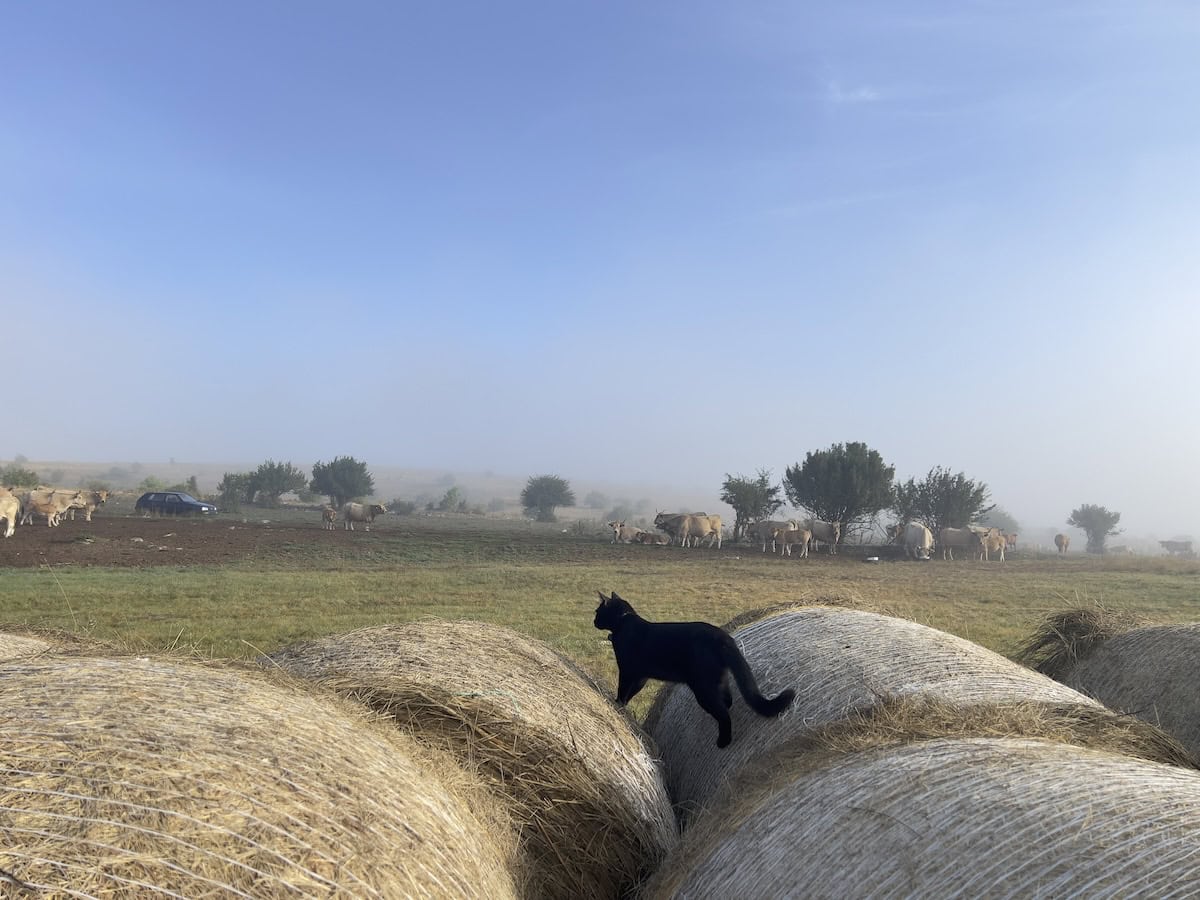
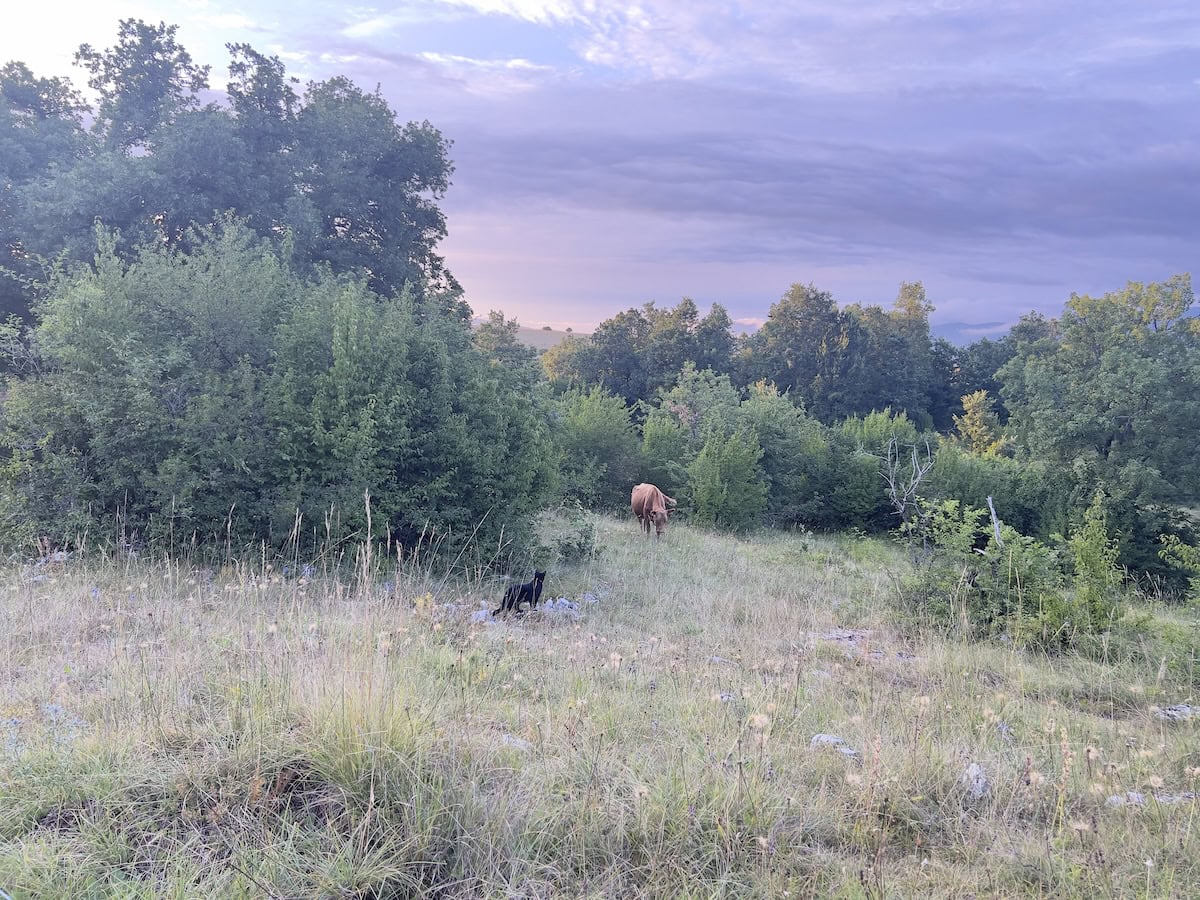
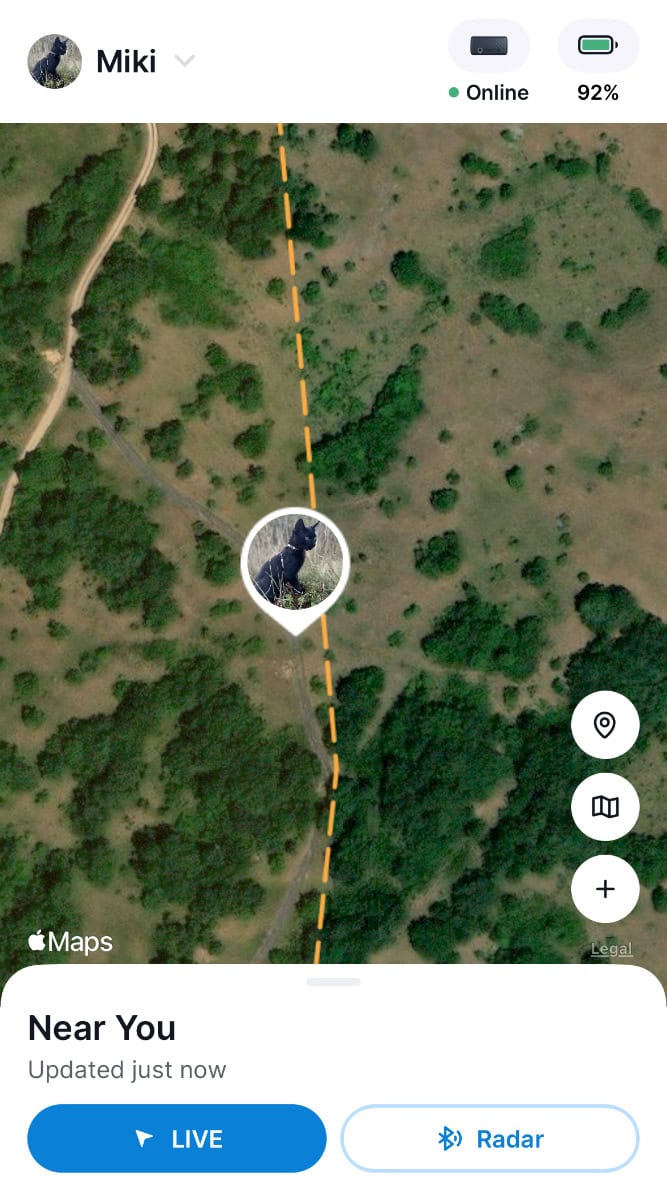
Being the type of person who loves apps and gadgets, it felt so satisfying to use my pets’ trackers. I soon realized that, besides knowing their location at all times, as long as there was a good satellite signal, I would also gain insight into when they were most active, how much they slept, and in Miki’s case, the extent of his territory. I could see if he started to venture too far from home, or towards my neighbor's house, where there are big dogs that dislike cats, so I could intervene.
Monitoring Miki’s activity levels, I was soon able to learn his daily patterns and preferences. This summer, the tracker helped me realize that Miki wasn’t feeling well, as he wasn’t nearly as active as usual and he didn’t move far from home. So much useful info from the tracker. However, there is also a but, like with most things.
However, It’s Not All Good News
One thing I started to dread was Miki losing the tracker. This has now happened several times, and the most recent one was just terrifying. I wasn’t home, and I could only see that Miki’s tracker was in the same location for more than 6 hours. Panic hit. He must be in trouble, stuck somewhere, or hurt. I couldn’t bear to think something may have happened to him. And when I got home, he didn’t show up for almost 45 minutes, even as I was calling him and looking for the tracker, which is very unlike him.
Finally, he showed up, his usual playful self, as if nothing happened. My heart was finally back in my chest. I can’t even describe the fear that overtook me, although my brain kept telling me that he was fine and must have just lost the tracker.
Locating the Tracker Can Be Anything But Easy
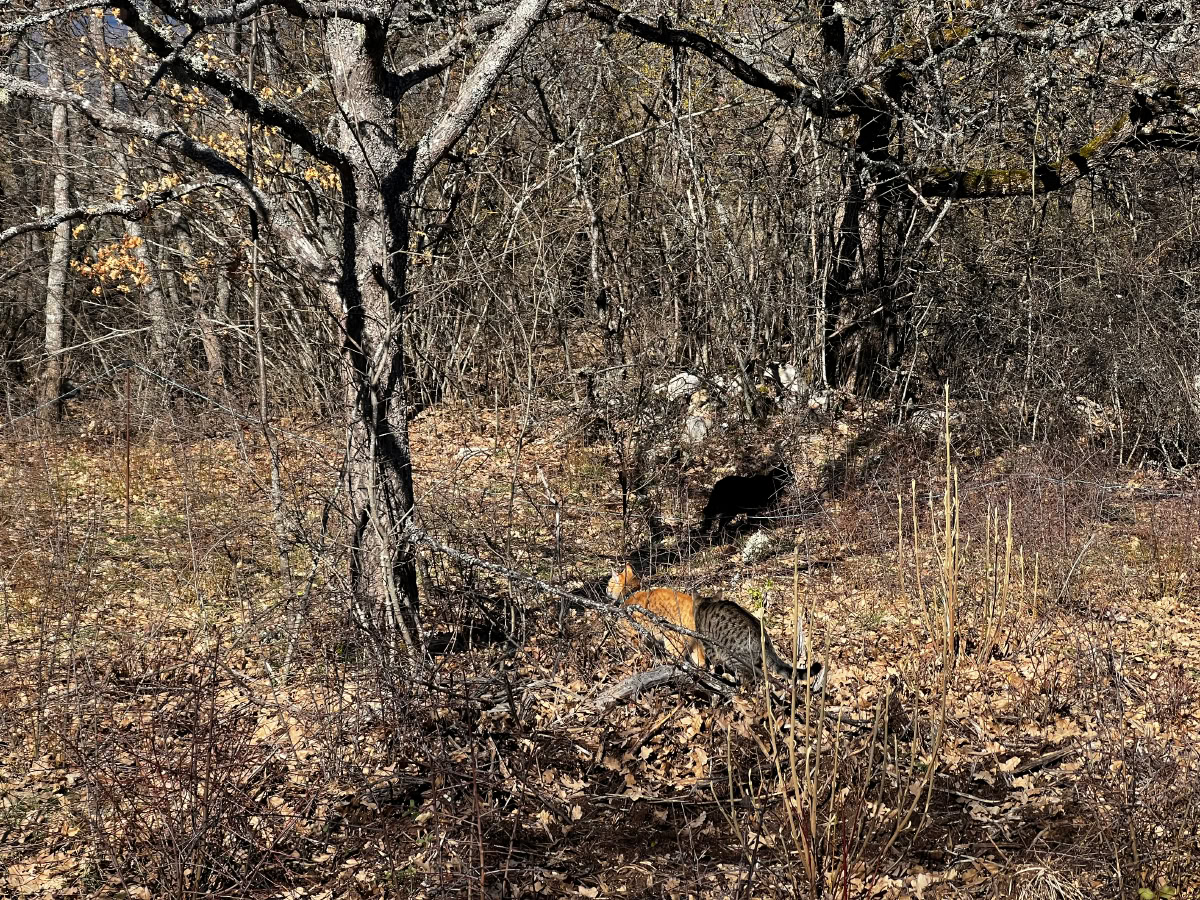
Let me just say that when Miki loses his tracker, it of course doesn’t happen in an easily accessible location. Don’t get me wrong, I am super grateful that it happens, preventing Miki from getting injured or worse. But my dear Miki, does it always have to be in the most dense shrubs and underbrush? I always regret not bringing a chainsaw or at least some gardening tools.
One hour later, with lots of brambles on my clothes and scratches on my hands, I found the tracker, while Miki had the greatest fun following me around. The tracker has a sound function that also helps me find it, but sometimes it’s a real challenge, to the point I start thinking, has the little sod ditched it on purpose just to watch me struggle? Surely not.
Safety Above All
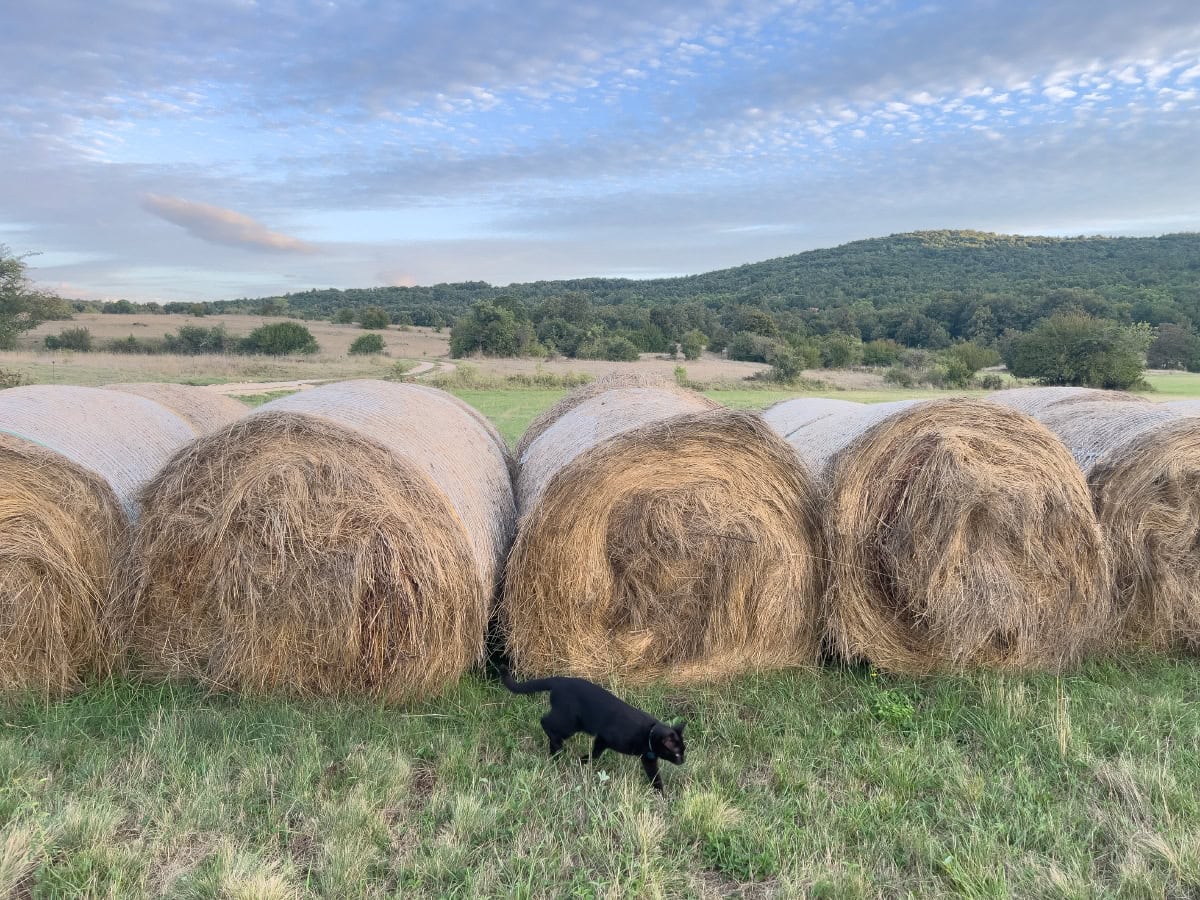
Miki has been wearing his tracker now for almost a year, only during the daytime when he ventures outside, and since then, he lost it a few times. But the number of times I have been able to locate him and bring him home when he strayed too far or to my neighbors is countless.
As much as it sometimes causes me stress, seeing where he is while I’m not home or wondering if he lost it or is not feeling well if it shows one location for several hours, I have also slowly learned to trust Miki’s judgment in staying out of trouble. He is quite cautious, after all. And this way, I am able to keep a very close eye on him at all times, whether he wants it or not. It’s not easy to be a pet parent these days, or a pet for that matter.
This article is a part of Dr. Maja and Miki's series.
Get Hepper In Your Inbox


Pet care tips from our vets and experts, straight to your inbox.
You may opt-out at any time. View our Privacy Policy for more information.
Dr. Maja has over 8 years of veterinary experience working with various animal species in the United Kingdom and the Channel Islands, from dogs, cats, rabbits, guinea pigs, to cows, goats, sheep, pigs, and poultry. Maja is very enthusiastic about veterinary volunteering work and often helps in neutering projects for stray animals in Greece. She has a wide range of skills in the fields of animal medicine and surgery, diagnostic imaging, endoscopy, microscopy and other aspects of clinical work. She is very passionate about animals and their health and loves to help our readers with any questions or issues with their four-legged family members and other animal companions. Her passion is small animal medicine and emergency work, while she also has a great interest in animal welfare. Dr. Platiša received her veterinary training and degree from the Faculty of Veterinary Medicine, University of Zagreb, Croatia, in 2015.
Maja joined us in March 2023 as our in-house veterinarian. She is very passionate about animals and their health and is very happy to help our readers with any questions or issues with their four-legged family members and other animal companions. Her passion is small animal medicine and emergency work, while she also has a great interest in animal welfare.
Education
Maja received her veterinary training and degree from the Faculty of Veterinary Medicine, University of Zagreb, Croatia, in 2015.
Experience
Maja Platisa is a veterinarian with 8 years of experience working with various animal species in the United Kingdom and the Channel Islands, from dogs, cats, rabbits, guinea pigs, to cows, goats, sheep, pigs and poultry. Maja is very enthusiastic about veterinary volunteering work and often helps in neutering projects for stray animals in Greece. She has a wide range of skills in the fields of animal medicine and surgery, diagnostic imaging, endoscopy, microscopy and other aspects of clinical work.
Join the conversation
Ask a question, share your story, or send private feedback.