Hepper is reader-supported. When you buy via links on our site, we may earn an affiliate commission at no cost to you. Learn more.
20 Fascinating & Vet-Reviewed Facts About Finches


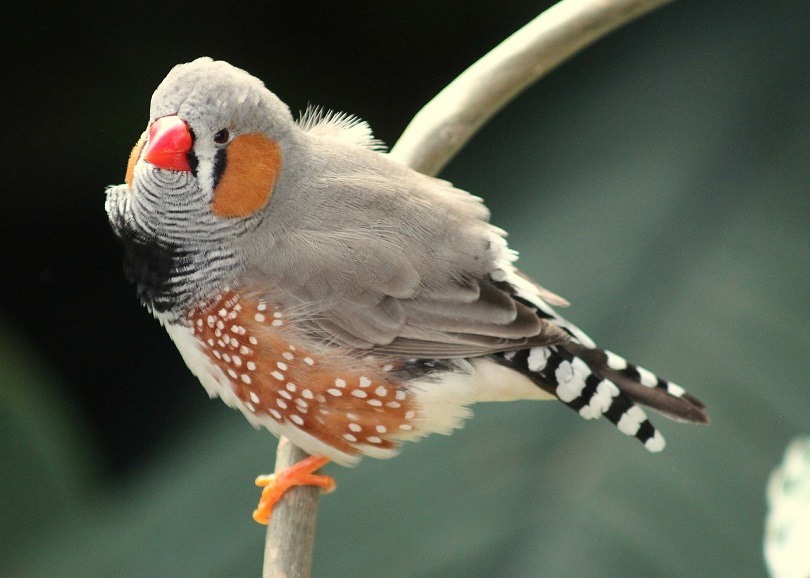
According to the American Pet Products Association (APPA), about 6.1 million American households 1 have birds, with finches bringing their songs to many of them. They make delightful animal companions that bring nature closer to us and our homes. Finches are fascinating creatures, whether as a pet, a visitor to your feeder, or a welcome sight on a hike.
Finches are a diverse group of birds with a wide range of colors, behaviors, and adaptations. They live in a broad spectrum of habitats, from backyards to forests to deserts, and it’s this diversity that is responsible for our list of fascinating facts about finches.

The 20 Fascinating Facts About Finches
1. True Finches Are in the Fringillidae Family
Scientists would prefer us to start with some clarification. True finches belong to one family called Fringillidae. They share many characteristics, including their distinctive bills that allow them to eat seeds. Some, like the Purple Finch, supplement their diet with seasonally available foods, such as fruits and insects. This adaptability helps to explain their range across the globe.
2. Other Non-Fringilline Birds Go by the Name “Finch”
Many other species have co-opted the name “finch” because they resemble members of the Fringillidae family. Some sparrow-like birds, like brush finches, go by other names. Identifying these species is often challenging. Many have muted coloration with slight variations in markings that act as excellent camouflage, especially with forest-dwelling birds.
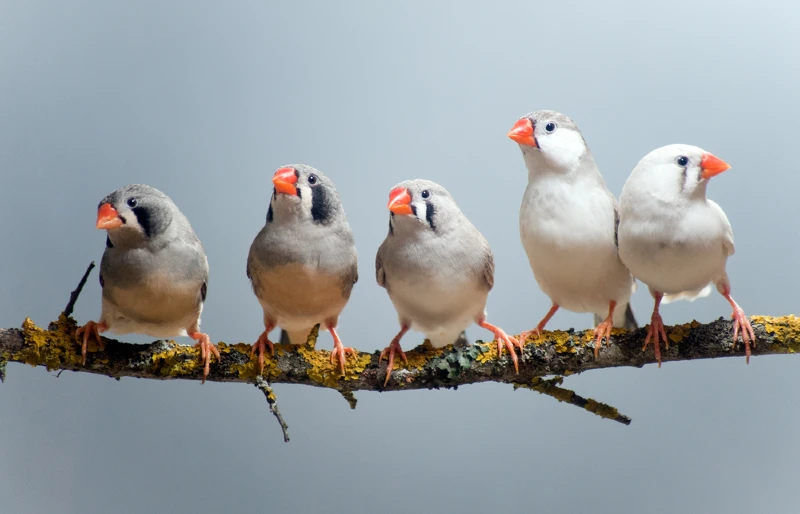
3. The IOC World Bird List (v13.2) Lists 702 Species and Subspecies in the Finches, euphonias, Longspurs, and Thrush-Tanager Group
The IOC World Birds List 3 combines the database of known species and groups them by type. It includes species that resemble finches, some with different names, such as bunting, grosbeak, and siskin. It also provides information on subspecies that may occur because of geographical separation between the populations. The current number is 702 in this diverse category.
4. Finches Make Up Less Than 4% of the Global Bird Species
An estimated 18,043 avian species exist globally 3. Finches, in all their guises, make up a mere 4% of that total. Nevertheless, they live across the temperate climate zones in the Americas, Europe, Asia, and Africa. Of course, you won’t find them in colder parts of the world, such as Antarctica. True finches are also absent from Australia.
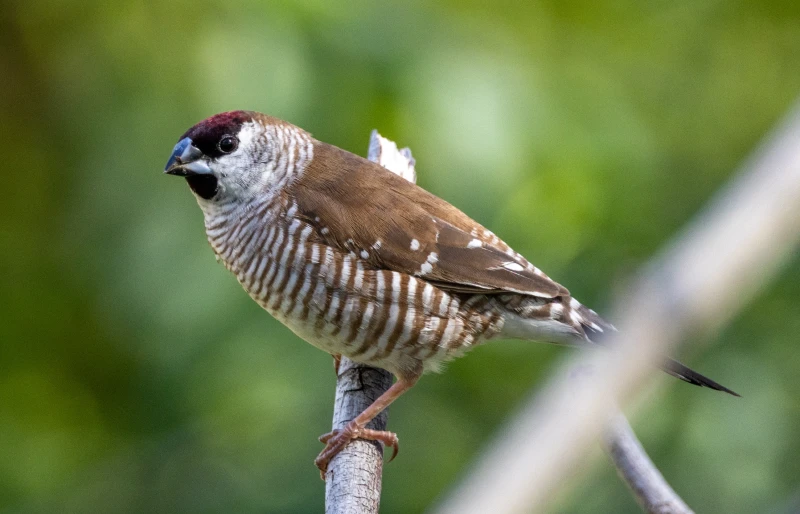
5. The Mining Industry Used the Canary, a True Finch, to Detect the Presence of Deadly and Odorless Carbon Monoxide
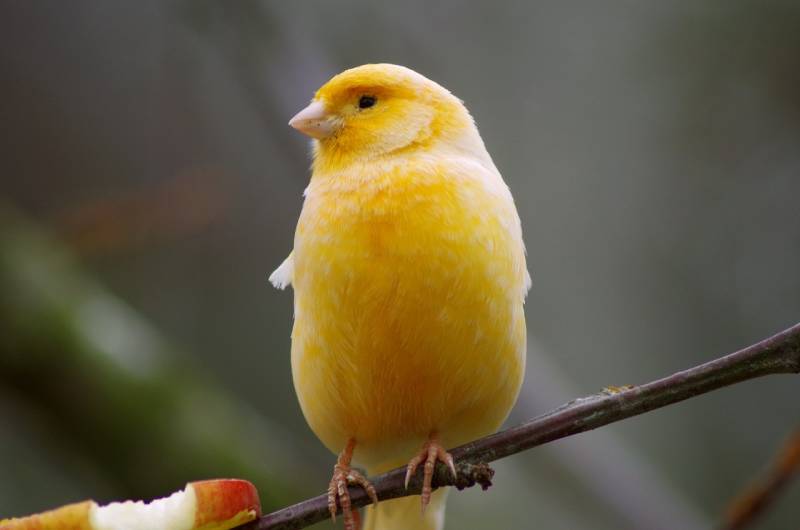
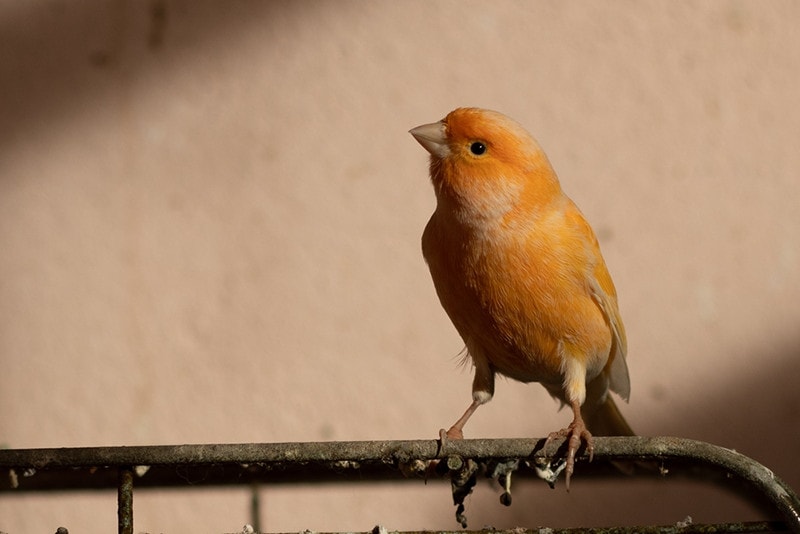
A type of finch took one for the team for decades in the mining industry. The canaries served a valuable yet often fatal purpose for miners. Carbon monoxide is a tasteless, colorless, and odorless gas. Nonetheless, it is deadly to any oxygen-breathing animal. Birds are especially vulnerable. If a canary succumbed to the poison, it was an urgent warning to get out of the mine. The industry halted the practice in 1986.
6. New World Sparrows of the Passerellidae Family Includes Many Species With the Name Finch
One of the groups often lumped with finches is the New World sparrows of the Passerellidae family. They resembled their European counterparts from the Old World Passeridae family. They usually are drab-colored to provide camouflage. They are also seed-eaters. Many species are also year-round residents in their respective habitats.
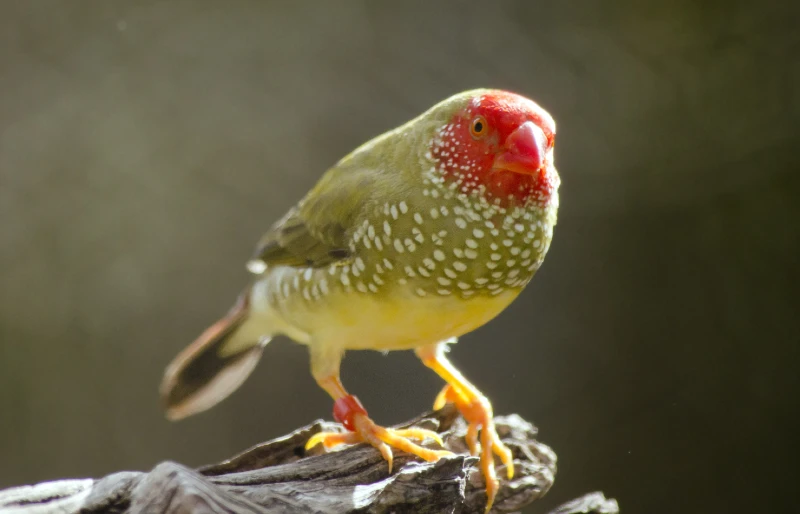
7. Finches Are Gregarious Birds That Prefer Their Kind
Birds vary in their tolerance of other cohorts. Sometimes, they only associate with others during courtship and mating. Finches are an exception. They are gregarious birds that usually form flocks, showing the safety in numbers. While many species are pets, they’re not animal you typically handle. They’re happier with a group of their own or related species in a large flight cage.
8. There Are 17 Species of North American Finches
Only 17 finch species live in North America of the 702 we referenced earlier. That’s only roughly 2.4% of the total. Clearly, finches are more important in other places than here. Nevertheless, they are vital to the ecosystems in which they live. They disperse seeds and provide food for predators, like hawks and falcons. It’s worth noting many species have massive ranges, such as the American Goldfinch.
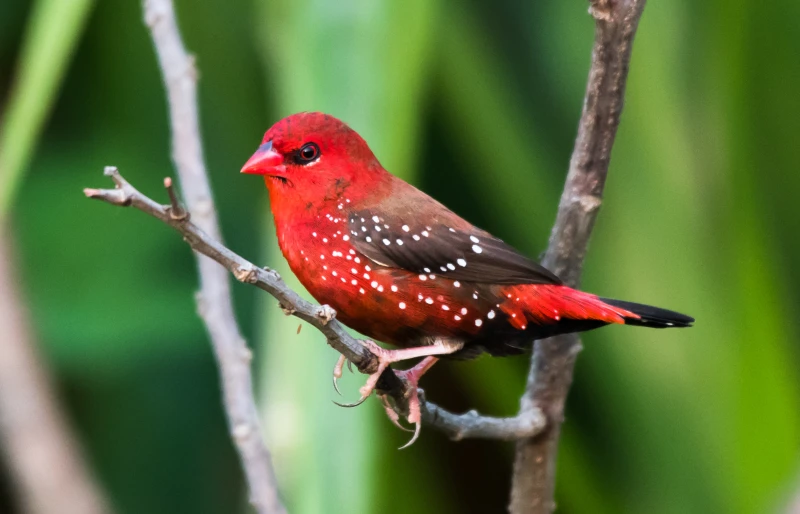
9. Pet Finches Are Typically From the Estrildidae Family
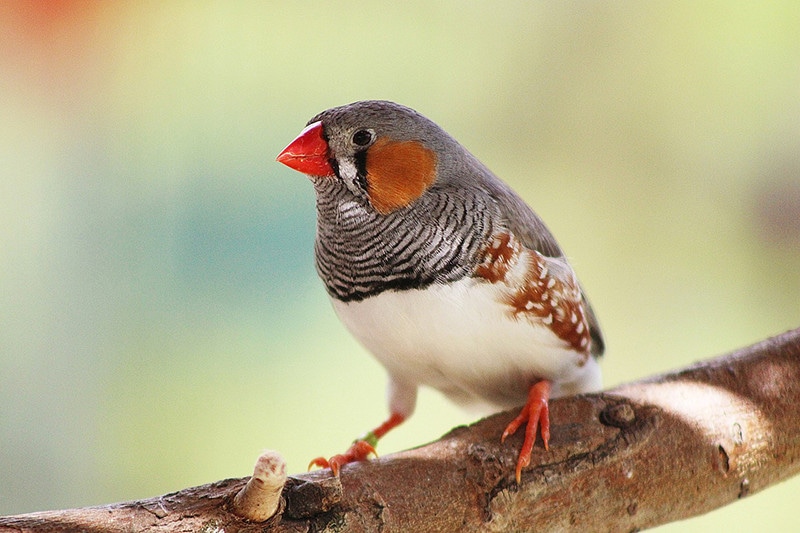
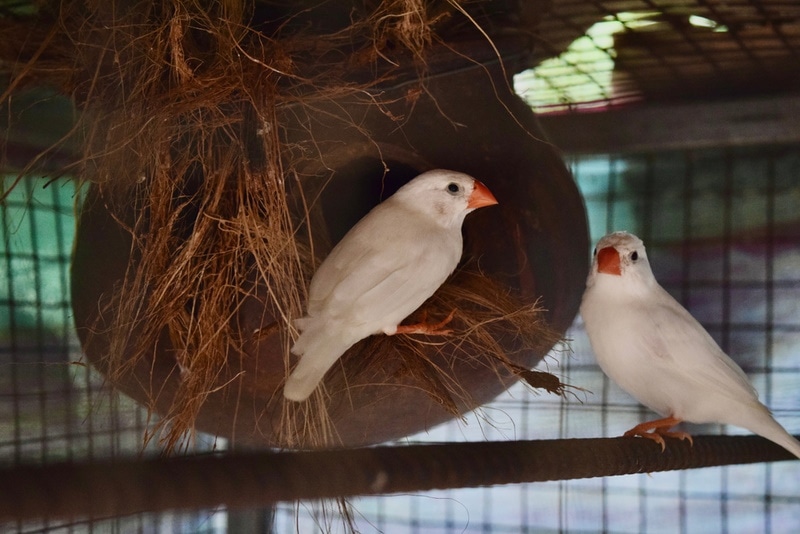
The Estrildidae family consists of non-fringilline finches that have endeared themselves as pets. The group includes familiar favorites, such as Nun Finches and Zebra Finches. Many have qualities people appreciate in these types of birds. They are friendly and social creatures. They are also hardy, making them excellent choices for beginners.
10. The Longest-Lived Finch on Record Is the Red-Browed Finch
Finches aren’t as long-lived as parrots. Yet, their numbers are impressive. Scientists have documented the Red-Browed Finch’s lifespan at 23.4 years. The outstanding thing about that stat is that it’s for a wild bird. We’d expect figures like that one for captive-bred animals, living without the threats of starvation, predators, and other pressures.
11. While We Think Finches Are Small, They Can Range From 3 to 10 inches Long
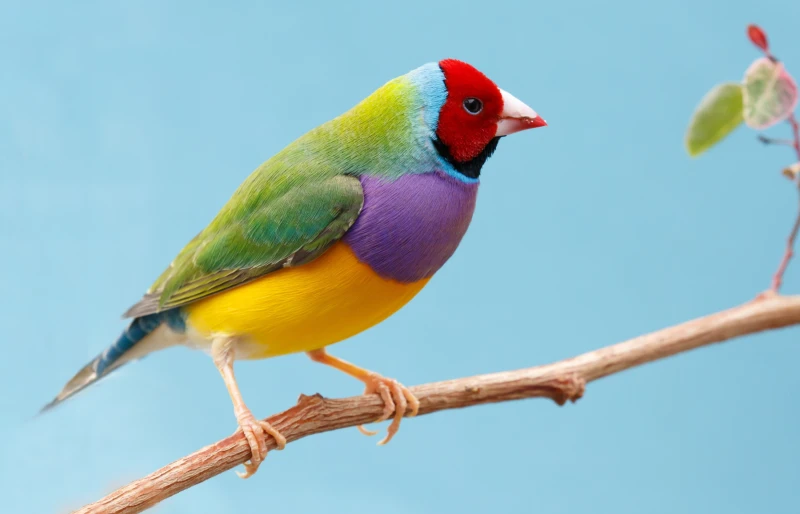
You probably think of finches as small birds. However, the size range goes from 3 to 10 inches long. That might be a fitting statement about North American species if it weren’t for the Pine Grosbeak. This bird can get as big as the end of that spectrum, making it about as large as a robin. It lives in the open boreal forests of the northern United States and Canada.
12. Finches Are Known as Excellent Songsters
Many birds have delightful songs. Finches have some excellent candidates amongst their group, with the foremost being the canary. Few species have such a melodious song. Others can easily step up as second fiddle, including the Song Sparrow and Rose-Breasted Grosbeak. Birders often describe the latter as a robin that took singing lessons.
13. Finches Have Different Dialects Depending on Where They Live
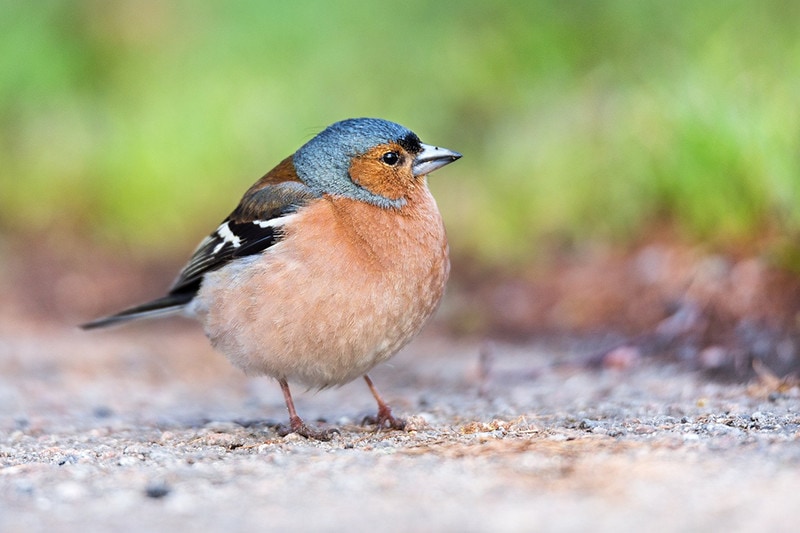
Birds learn their beautiful songs by listening to their cohorts. The environment and its collection of sounds also play a role. Many species develop regional dialects, making it possible to identify the origins of some birds.
14. The Word “Finch” Comes From the Old English Term “Finc,” a Common European Bird
It’s interesting to delve into the origin of common words, like finch. It comes from an Old English term “finc.” It refers to a widespread European songbird called the Eurasian or Common Chaffinch. You’ll find the bird all over Europe and western Asia. It is an example of a true finch as part of the Fringillidae family.
15. A Group of Common Redpolls Is Called a Gallup of Redpolls
People have fun with naming groups of things. Perhaps one of the most entertaining is the so-called murder of crows or Vatican of cardinals. Some are plays on words, whereas others speak to the personality of the animal. Finches have their share, too, but many aren’t as well known. Have you heard of a gallup of redpolls or a trembling of finches?
16. Finches, Like Many Backyard Avian Visitors, Cannot Taste Hot Peppers
Squirrels are the bane of many bird enthusiasts who feed their avian friends. You’re undoubtedly aware of many products flavored with hot peppers. You may wonder why they aren’t affected by the hot, searing taste of capsaicin. The reason is birds can’t taste it. Many species have fewer than 100 taste buds compared to our 10,000.
17. Four States Honor Finches as Their State Bird
Their beauty and beautiful songs are reasons enough to celebrate finches. Four states have taken it to the next level by bestowing on them the honor of state bird. New Hampshire recognizes the Purple Finch. Washington puts the crown on the Willow Goldfinch. New Jersey and Iowa have the Eastern Goldfinch as their state symbol in this category.
18. According to the 2022 State of the Birds Report, 70 Species Stand to Lose 50% of Their Remaining Population by 2072, Including Several Finches
The State of the Birds Report describes the status of avian species as their populations respond to environmental threats. One goal is to identify at-risk species. The 2022 report listed 70 species that are in danger of losing 50% of their remaining population within the next 50 years. Finches in that list include the Bachman's Sparrow, Black Rosy-Finch, and Henslow's Sparrow.
19. The Pandemic Saw Bird Feeding Soar by 11%
The pandemic ushered in massive changes, both good and bad. Birds benefitted from one of these shifts. Many people turned to nature for comfort through the stress of COVID by feeding birds. About 11% delved into this hobby for the first time because of the pandemic. It offered ways for children and adults alike to learn and find peace through birdwatching.
20. The Darwin's or Galápagos Finches Are Some of the Most Important Species to Science
Charles Darwin’s expedition and subsequent publication of On the Origin of the Species is one of the most significant contributions to science. The 18 finch species of the Galápagos Islands provided the material for Darwin to observe adaptations to their environment through their anatomy. He noted specific differences between the species based on the demands of their lifestyle.

Conclusion
Finches may be small—for the most part—but are mighty in their beauty and adaptations. They may not be the most important species, but they offer many lessons of evolution in action. They are fascinating to observe, whether in the wild or the comfort of your home with the birds in a flight cage. We hope our list will encourage new respect for these diminutive but melodious songsters.
Sources
https://www.americanpetproducts.org/press_industrytrends.asp
https://journals.plos.org/plosone/article?id=10.1371/journal.pone.0166307
https://www.smithsonianmag.com/smart-news/story-real-canary-coal-mine-180961570/
https://genomics.senescence.info/species/entry.php?species=Neochmia_temporalis
https://news.wisc.edu/curiosities-why-can-birds-eat-hot-peppers/
http://darwin-online.org.uk/content/frameset?itemID=F373&viewtype=text&pageseq=1
Featured Image Credit: monikabaechle, Pixabay
Get Hepper In Your Inbox


Pet care tips from our vets and experts, straight to your inbox.
You may opt-out at any time. View our Privacy Policy for more information.
Chris is an experienced pet writer specializing in science topics, with a particular passion for health and the environment. She has been a writer for over 15 years and lives with her husband and three cats in Michigan.
Beyond writing about cats and dogs, Chris loves to learn about wine. She has WSET 1 and 2 certifications and is currently pursuing her Certified Wine Specialist Award (CSW).
Join the conversation
Ask a question, share your story, or send private feedback.