Hepper is reader-supported. When you buy via links on our site, we may earn an affiliate commission at no cost to you. Learn more.
How to Soften Aquarium Water - 7 Easy Ways (with Pictures)
If you have a tropical fish tank or saltwater tank, you may have fish or invertebrates that require soft water. Unfortunately, many areas have tap water that is hard and full of minerals, which can be dangerous to your water-abiding friends.
If you need to soften the water in your aquarium or lower the pH, keep reading for an explanation of how water hardness and pH fit together and what your options are for softening the water for your aquarium.

What You Need to Know
This part may sound confusing, but it’s important information for you to have before you start altering the hardness of your aquarium water.
General hardness (GH) describes the level of calcium and magnesium ions present in the water. Carbonate Hardness (KH) describes the level of carbonate and bicarbonate ions present in the water. Once carbon dioxide and nitrate enter the water, usually from the presence of fish, acids begin to form. What this means to you is that the level of KH in the water matters to your pH level.
The higher the KH, the more of a buffer the water has against the acids, which prevents pH drops and keeps the water alkaline. With low KH, pH can begin to drop once these acids enter the water, meaning the water becomes more acidic.
Altering the hardness of your aquarium water can directly impact the pH levels in your tank. Usually, the harder water is, the higher in pH it will be, and the softer water is, the lower in pH it will be. This means that hard water is usually naturally alkaline while soft water is naturally acidic.
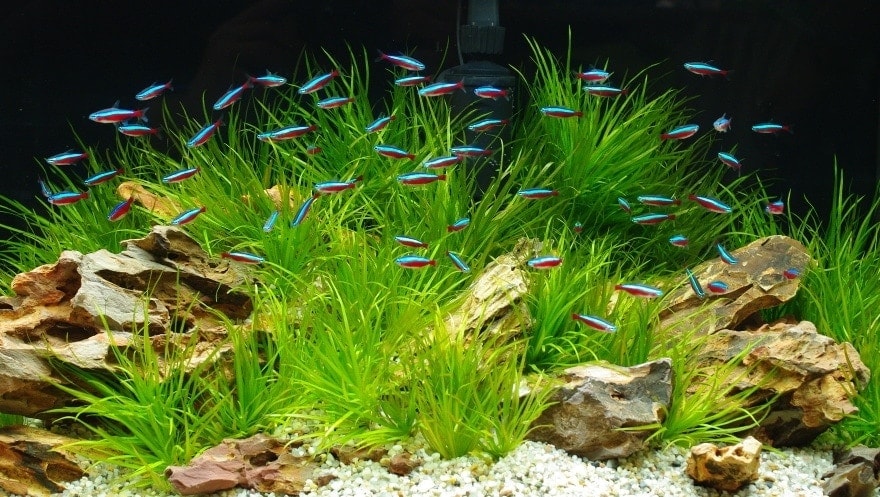
Some varieties of fish will thrive in hard water, but certain fish, like gourami, cichlids, tetras, and rasboras, do best in soft water. Keep in mind, though, that most of the fish you purchase are captive-bred and not caught in nature, so they may do fine in hard water if it's what they've been bred in.
If you do need to soften your aquarium water, you do have options.
Ways to Soften Your Aquarium Water
1. Peat
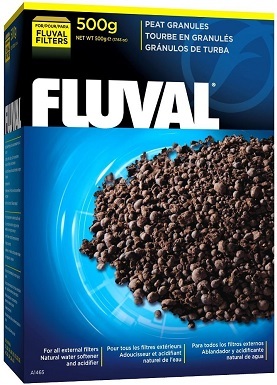
Peat can be added to the aquarium filter or directly into the tank, but usually, the best results will come from placing it in the filter. Peat lowers pH by releasing tannins and gallic acids into the water. These chemicals, in essence, cancel out the bicarbonate ions in the water, helping to lower the pH and soften the water in the process.
Products like Fluval’s Peat Granules Filter Media will help soften your tank water without making a mess in your tank.
2. Water Softener Pillows
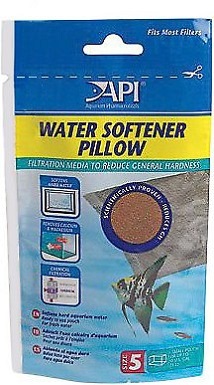
Water softener pillows, like the API Water Softener Pillow, are placed in the filter of the tank and work by forcing the tank water to pass through the resin, which helps remove minerals, like calcium and magnesium, from the water, reducing the GH in your tank. This will not lower the pH as much as other options because it will not affect KH much, but it will reduce the hardness.
Water softener pillows can be recharged with aquarium salt, so they are reusable multiple times before needing replacement.
3. Driftwood

Driftwood will help soften the water the same way that peat does, by releasing tannins. Mopani wood and Malaysian driftwood are great driftwood options for tannins. Cholla wood is another great option and is usually more cost-effective than Mopani and Malaysian driftwood. Be aware, though, that tannins from driftwood may discolor your water to a brown or rust color.
4. Catappa Leaves

Catappa leaves, also sometimes called Indian Almond leaves, can also be used to leach tannins into the water to slowly lower pH. Be sure to follow instructions on packages of these leaves to avoid lowering the pH too quickly or too much. Like driftwood, Catappa leaves may also discolor the water.
5. Rainwater
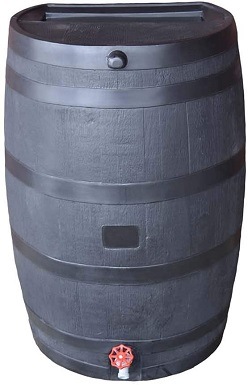
If you live in an area with routine rainfall, rainwater may be the most cost-effective option available to you. Rainwater is going to be very soft, containing very few minerals if any. You may even need to mix it with tap water to increase the hardness of the water if it’s too soft or the pH is too low. Plastic rain barrels are an investment that can last for years and many are made with recycled plastic, like the RTS Home Accents 50-gallon barrel.
Be aware that many materials, like metals and terracotta, may leach minerals into the water.
6. Distilled Water and Demineralized Water
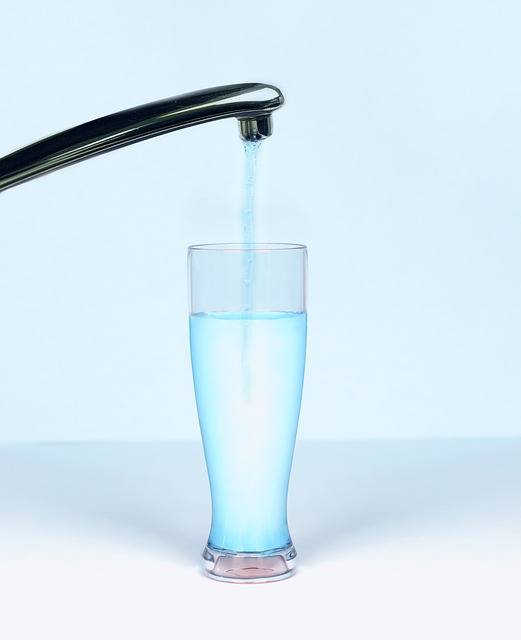
Distilled water is available in most stores and contains no minerals. Demineralized water may still have some trace minerals left after the demineralization process. Both can be good options for softening the water in your tank but buying gallons of either of these is not particularly cost-effective if you are trying to fill your tank with them.
7. Reverse Osmosis Water
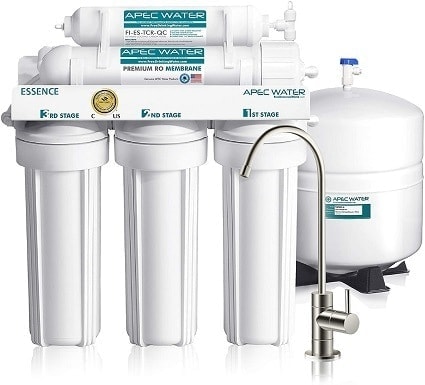
Reverse osmosis is a process that will help remove most of the minerals from your tap water, softening it significantly. A reverse osmosis system is an investment and requires some routine maintenance but may be worth it for you if you have hard tap water.
Final Thoughts
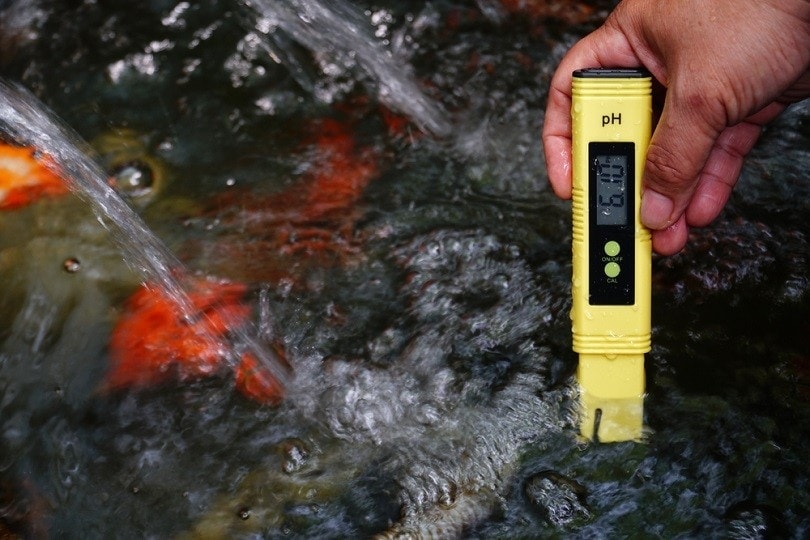
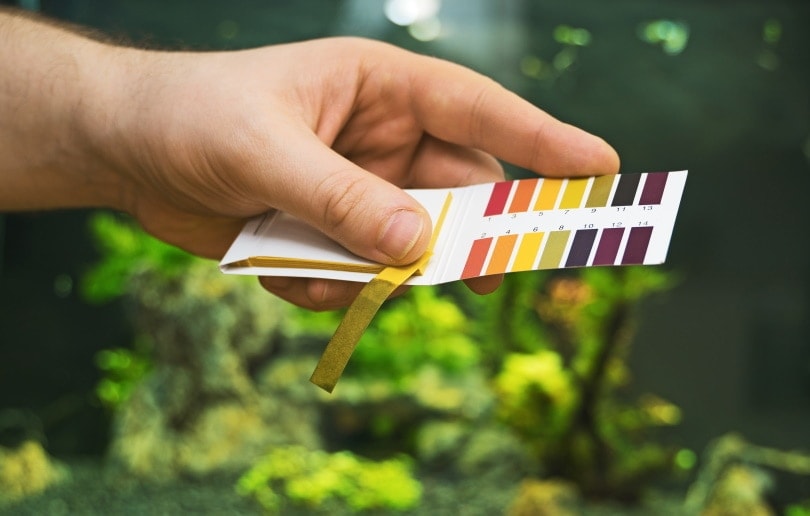
Clearly, there are a lot of options for softening the water in your aquarium. If you have tropical fish that require soft water, these options will benefit them significantly and will help them live long and healthy lives. There are kits available to measure your water GH and KH, as well as pH, to not only give you an idea of where your tap water stands but also to monitor your tank.
If you are using products to soften the water in your tank, make sure you're checking the pH every few days to ensure the pH isn't dropping rapidly. Rapid changes in pH can be detrimental to your fish as well as other organisms in your tank, like corals.
Featured Image Credit: Kateryn Mostova, Shutterstock
Get Hepper In Your Inbox


Pet care tips from our vets and experts, straight to your inbox.
You may opt-out at any time. View our Privacy Policy for more information.

Lindsey discovered her passion for fish keeping after a junior high school field trip to the Shedd Aquarium in Chicago. Prior to becoming Editor-in-Chief of It's a Fish Thing, Lindsey studied marine biology at the University of California-Santa Cruz. She loves goldfish, tetras, and mystery snails, and recently began experimenting with a saltwater aquarium.
Join the conversation
Ask a question, share your story, or send private feedback.