Hepper blog

Search our database of over 9,984 posts with up-to-date information from our experts and veterinarians.

Hepper is reader-supported. When you buy via links on our site, we may earn an affiliate commission at no cost to you. Learn more.

How to Lower Nitrate Levels in Your Aquarium - 6 Vet-Approved Tips

By Lindsey Stanton · Reviewed & fact-checked by Dr. Luqman JavedVet Approved
Dr. Luqman Javed
Reviewed & Fact-Checked byDr. Luqman JavedDVM (Veterinarian)
Dr. Luqman grew up with an extreme fondness for animals and turned a childhood dream into reality by becoming a veterinarian. His goals are now focused on helping pet owners understand their pets better in order to ensure the best quality of life for all pets globally. He is passionate about wildlife, exotic pets, pet owner education, and animal welfare. Luqman has 3 years of professional experience working with a variety of animal species. He has skills in demonstrating proper animal husbandry and training some exotic species, such as parrots. Additionally, he has decades of personal experience with keeping many exotic pets: freshwater fish, parrots, songbirds, chickens, ducks, turtles, and hamsters.View authorThe information is current and up-to-date in accordance with the latest veterinarian research. Read about our vets
Share
Ask us a question in the comments
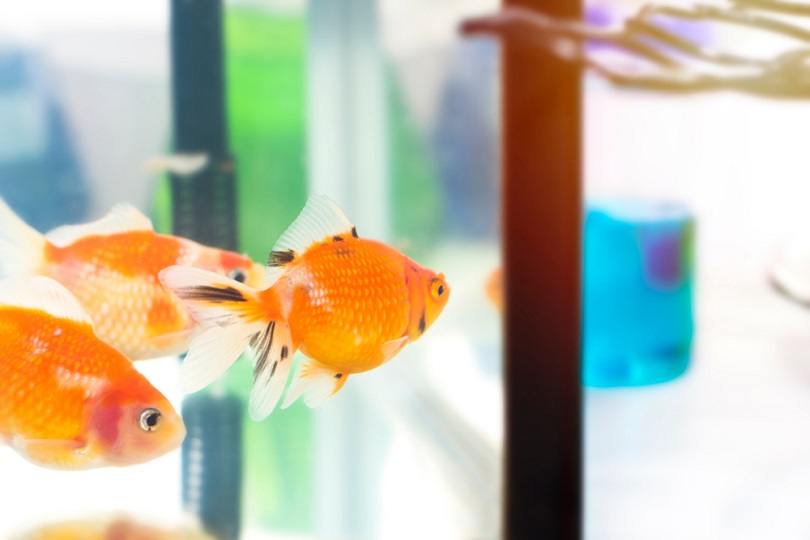
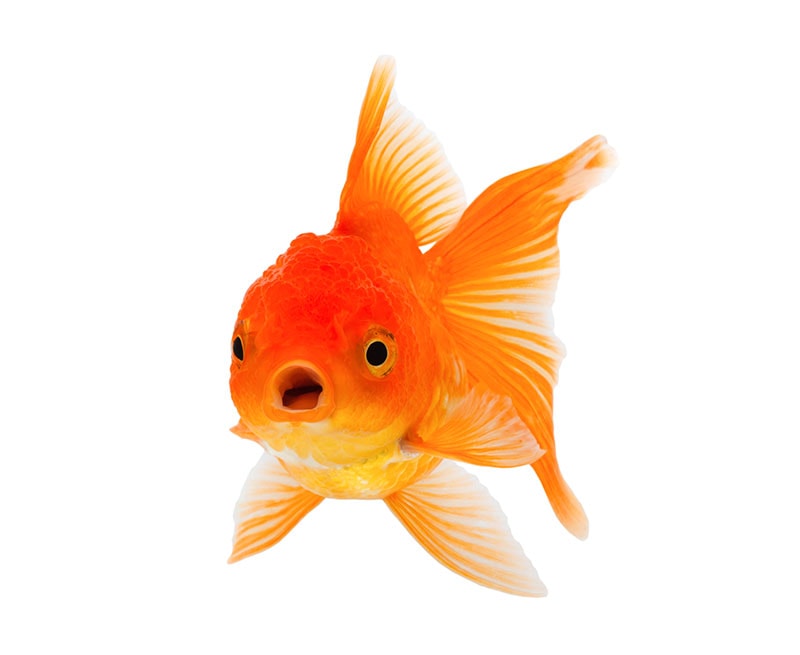
Goldfish in tank near test tube_Suthiporn Hanchana_shutterstock

If you have a relatively new tank, or if you’ve recently added fish to your aquarium, you may have noticed your nitrate levels increasing. While some nitrates are safe in an aquarium, it’s generally recommended to keep the level below 15-20 ppm.

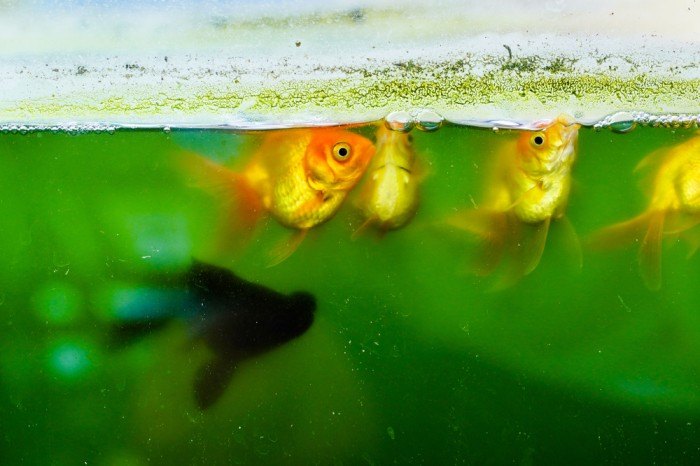
High nitrates can be detrimental to fish in your tank and algae loves nitrate. If given the chance, algae will gobble up the nitrate in your tank and then hold on for dear life. Algae blooms can be difficult to get under control once they start to take over. What’s more concerning is that prolonged exposure to high levels of nitrates are detrimental to fish health. Contrary to popular belief, nitrates aren’t safe for fish (though they are much safer than ammonia and nitrite). High levels of nitrate can lead to stunted growth and poor immunity.

So, what causes high nitrate levels, and how can you control them?

Causes of High Nitrates

  • Detritus: Detritus is the build-up of waste from the creatures living in the aquarium as well as the decaying bodies of any fish or invertebrates that may have died in the tank. If you have hitchhikers on plants or décor, you may end up with a decaying animal you didn’t even know you had, like pond snails and hydra.
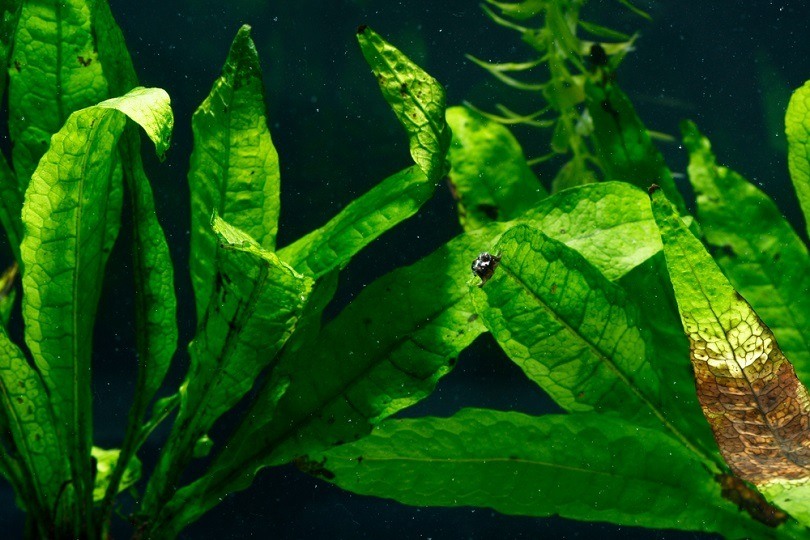
  • Decaying Plants: This is like detritus, but the decaying parts of plants in your tank can increase the nitrates in your aquarium. This includes leaves that have dropped from plants that are allowed to stay in the tank and rot instead of being removed.
  • Overfeeding: Overfeeding poses two problems. The first is that it increases waste from tank residents. The more they eat, the more they excrete. The second problem is that overfeeding may lead to food being missed, which will then rot, eventually adding to the nitrates in the tank. In fact, allowing food to rot in a tank is one of the traditional ways to perform a fishless tank cycle because it increases waste products in the water, encouraging the growth of nitrifying bacteria.
  • Overstocking: Overstocking your tank is similar to overfeeding. You’re just increasing the amount of waste in the tank and if you aren’t managing your overstocked tank well, you will end up with a buildup of waste products.
  • Tap Water: Some tap water has nitrate already in it, so you may be adding nitrate to your tank inadvertently during water changes.

Note: do not allow food to rot in an established aquarium. Rotting food will cause an ammonia spike well before a nitrate spike. An ammonia spike is very dangerous for pet fish!
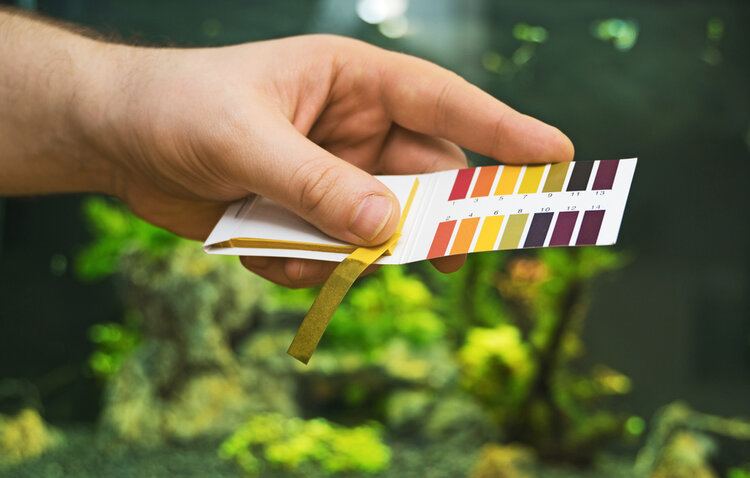
water testing strip
Image Credit: Dmitri Ma, Shutterstock
aquarium plant divider

The 6 Ways to Lower Nitrate Levels in Your Aquarium

1. Water changes

Water changes are a great way to quickly reduce nitrates, as well as other toxins in the tank. Evaluate how frequently you are changing your tank water and how much water you are changing out at a time. Depending on your tank’s stocking level, you may need to perform water changes multiple times per week. A properly stocked aquarium should have a partial water change performed once a week.


2. Feed Appropriately

If you reduce the amount of food per feeding or the number of feedings per day, you will have less food waste in your tank. If you have the tank space, consider adding in fish or invertebrates that will help clean up food from the tank floor, like dojo loaches and mystery snails.


3. Adjust Stock Size

If you are keeping an overstocked tank and aren’t interested in more frequent water changes, consider decreasing how many fish you’re keeping in your tank. You can start a second tank and move some residents there once it is cycled or you can give some fish away. Local fish stores will often take fish you no longer have space for.
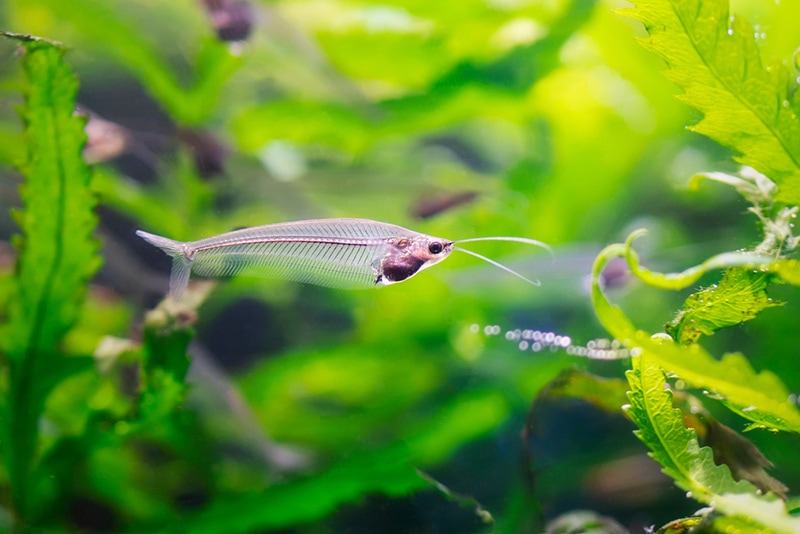
Glass catfish (Kryptopterus bicirrhis) in Aquarium
Image Credit: Marina Veder,Shutterstock

4. Plants

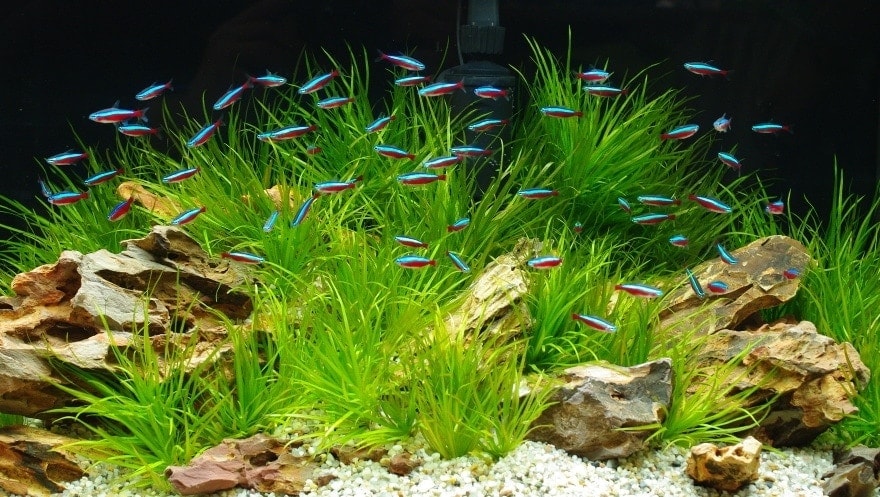
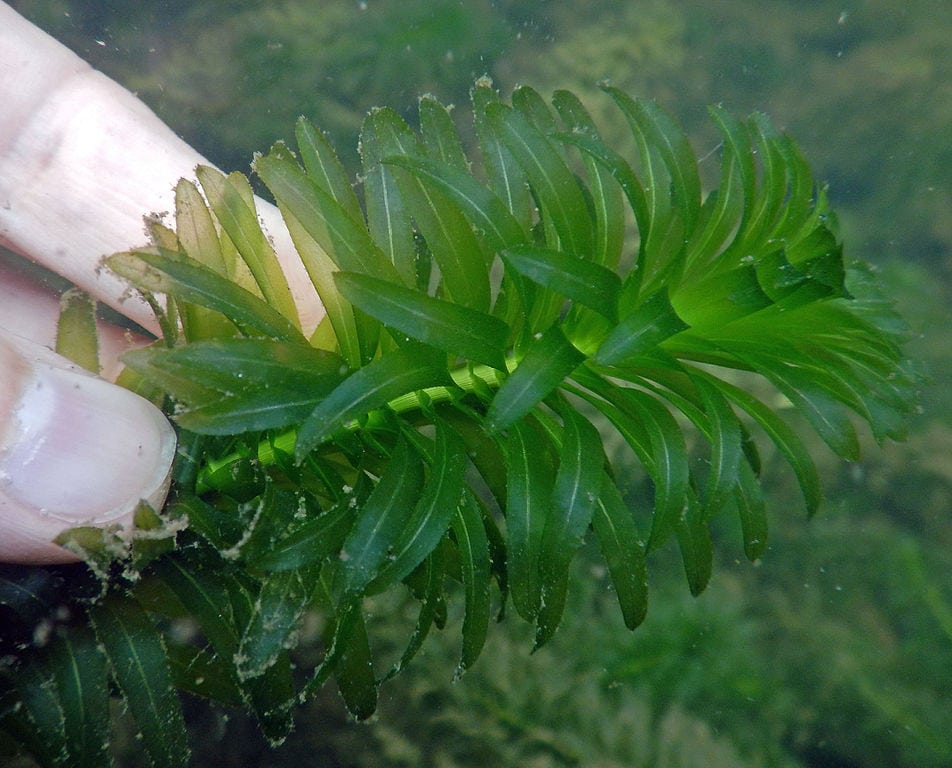
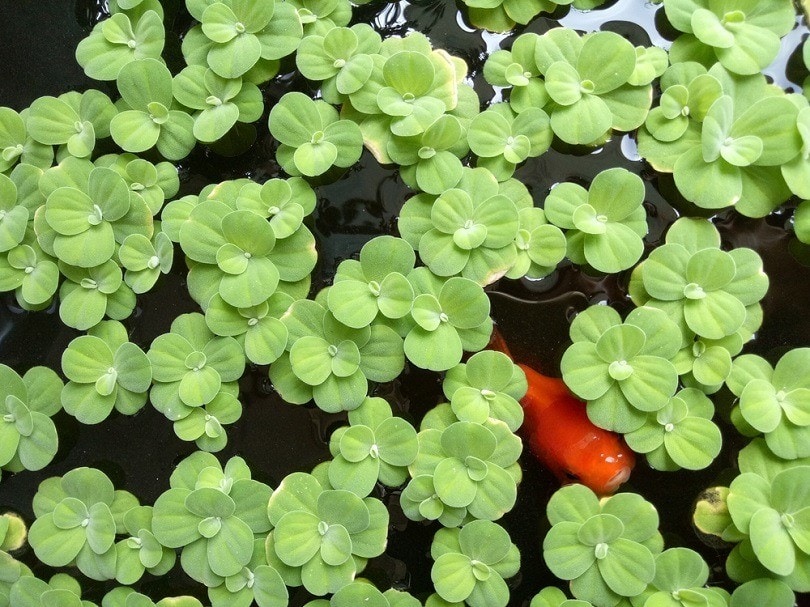
Plants LOVE nitrate! This is a great nutrient for many plants, so adding plants to your tank is probably the most efficient and beneficial way to remove nitrate from your aquarium. Plants will absorb the nitrate, as well as other things that are toxic to fish, and release oxygen into the water, improving the water quality in your tank. Duckweed, moneywort, water wisteria, and water sprite are all great options for removing nitrate in freshwater tanks.
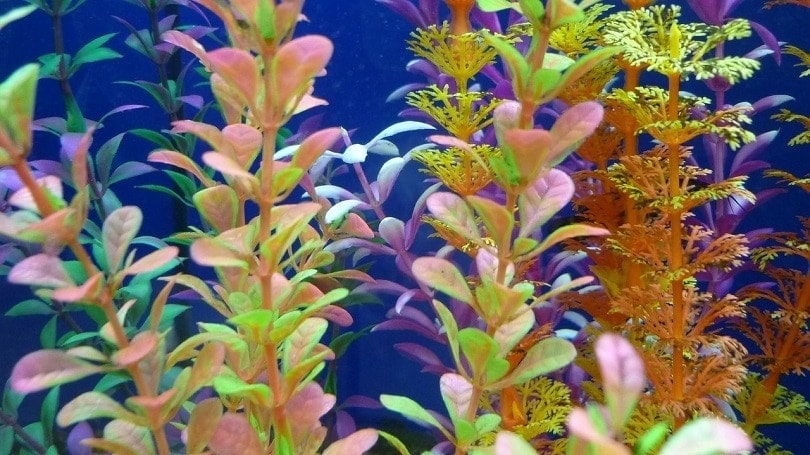
aquatic-plants-pixabay
Credit: jurgko, Pixabay

5. Upgrade Tank

This is an alternative to restocking your existing tank. Upgrading your tank can be a reasonable fix when you don’t wish to rehome any of your pet fish. With more volume of water available, nitrates can be better diluted in the aquarium.


6. Test Your Water

Nitrates can sometimes be very annoying and never go down no matter what you do. In such a situation, it might be important to test your water source. At times, there are high amounts of nitrates in the water itself. The EPA does not recommend using water from any source with nitrates over 10 ppm; though this recommendation is for human health, it’s a very good benchmark for aquariums as well. If the source is your water, you should consider a new water source for your aquarium.

If you need help getting the water quality in your aquarium just right for your goldfish family, or just want to learn more on the subject (and more!), we recommend that you check out our best-selling book, The Truth About Goldfish.
The Truth About Goldfish New Edition

It covers everything from water conditioners to nitrates/nitrites to tank maintenance and full access to our essential fishkeeping medicine cabinet!

In Conclusion

If you aren’t sure about nitrate levels in your tank but are struggling with algae blooms, then an aquarium test strip kit is a good option for you to see where the nitrate levels stand in your freshwater aquarium, as well as other things like pH and ammonia. These kits are also available in saltwater, reef, and pond options. Using kits like this will help you determine if your tank is properly cycled and it will give you a good idea of whether or not your tank is overstocked or your filtration is inadequate. Keeping nitrate levels under control in your tank will save you a lot of grief from fighting algae blooms and stunted fish growth.

See Also:


Featured Image Credit: Suthiporn Hanchana, Shutterstock

Get Hepper In Your Inbox

Pet care tips from our vets and experts, straight to your inbox.

List

Select all that apply.

You may opt-out at any time. View our Privacy Policy for more information.

Lindsey Stanton
Authored by

Lindsey Stanton

Join the conversation

Ask a question, share your story, or send private feedback.
Rate this post
Required to post. Only our editors see your rating.
Who should see this?

A human reviews every comment before it appears. Your email is never published.

Picked to go with this article

3 Aquarium Filter Media Options That Will Make Your Life Easier

3 Aquarium Filter Media Options That Will Make Your Life Easier

I'm sure you've heard this before: "Without plants, water changes are the only way to remove nitrates from your aquarium." Well, I'm here today to present the…

Lindsey Stanton
By Lindsey Stanton ·
How to Get Crystal Clear Aquarium Water - 7 Easy to Follow Steps

How to Get Crystal Clear Aquarium Water - 7 Easy to Follow Steps

If you’re struggling to get clear water in your aquarium, you’re not alone. Cloudy aquarium water can be a nuisance and a problem that impacts the health of yo…

Lindsey Stanton
By Lindsey Stanton ·
Freshwater Refugium Filters: What Is It & How To Set It Up?

Freshwater Refugium Filters: What Is It & How To Set It Up?

The concept of "refugium" is relatively foreign to most freshwater fish keepers. But they can have an important role in your tank! Today I'm here to talk about…

Lindsey Stanton
By Lindsey Stanton ·
Why is My Fish Tank Cloudy? (Simple Reasons & Easy Solutions)

Why is My Fish Tank Cloudy? (Simple Reasons & Easy Solutions)

Owning and maintaining a fish tank is a fantastic hobby, but it’s also a significant investment, both of money and time, so getting home to see that your fish…

Lindsey Stanton
By Lindsey Stanton ·

Keep reading

More stories you might like

20 Helpful Aquarium Hacks For a Joyful Fish-Keeping Journey

Making your aquarium experience more convenient is important, allowing you to enjoy the tank without all the hassle. Creative hacks make it easier for you to d…

Lindsey Stanton
By Lindsey Stanton ·
20 Helpful Aquarium Hacks For a Joyful Fish-Keeping Journey

Anacharis Aquarium Plant: Complete Care & Propagation

Anacharis, also known as Elodea or waterweeds, makes an exceptional addition to your planted aquarium. Anacharis has a delightful dark green coloration and an…

Lindsey Stanton
By Lindsey Stanton ·
Anacharis Aquarium Plant: Complete Care & Propagation

Ideal Water Parameters for Goldfish: 5 Vet-Approved Measurements

If you want healthy, happy fish, their water has to be suitable for the species you are keeping, and goldfish definitely have their own set of needs for them t…

Lindsey Stanton
By Lindsey Stanton ·
Ideal Water Parameters for Goldfish: 5 Vet-Approved Measurements

Detritus Worms: What Are They & How to Get Rid of Them

You may find yourself peering into your aquarium, only to be appalled by a colony of thin white worms. Although detritus worms are unappealing, they are not al…

Lindsey Stanton
By Lindsey Stanton ·
Detritus Worms: What Are They & How to Get Rid of Them

Duckweed Aquarium Plant: Care, Planting & Growing)

Duckweed is a neat aquatic plant that experiences explosive growth rates. It is one of the best floating plant options, but it does require some maintenance to…

Lindsey Stanton
By Lindsey Stanton ·
Duckweed Aquarium Plant: Care, Planting & Growing)

How to Soften Aquarium Water - 7 Easy Ways (with Pictures)

If you have a tropical fish tank or saltwater tank, you may have fish or invertebrates that require soft water. Unfortunately, many areas have tap water that i…

Lindsey Stanton
By Lindsey Stanton ·
How to Soften Aquarium Water - 7 Easy Ways (with Pictures)

Java Fern: Care, Tank Size, Planting & Growing

Some aquatic plants become popular with aquarium enthusiasts due to their beauty or blooms, but others become popular because of the easy level of care they re…

Lindsey Stanton
By Lindsey Stanton ·
Java Fern: Care, Tank Size, Planting & Growing

How to Change Goldfish Water in Your Tank (in 5 Steps)

The importance of clean water can't be stressed enough when it comes to caring for your fish. If you want a healthy goldfish, you have to start with healthy wa…

Lindsey Stanton
By Lindsey Stanton ·
How to Change Goldfish Water in Your Tank (in 5 Steps)