Hepper is reader-supported. When you buy via links on our site, we may earn an affiliate commission at no cost to you. Learn more.
Swimmer’s Itch vs Hotspots in Dogs - What’s the Difference? (Vet Answer)

In this article
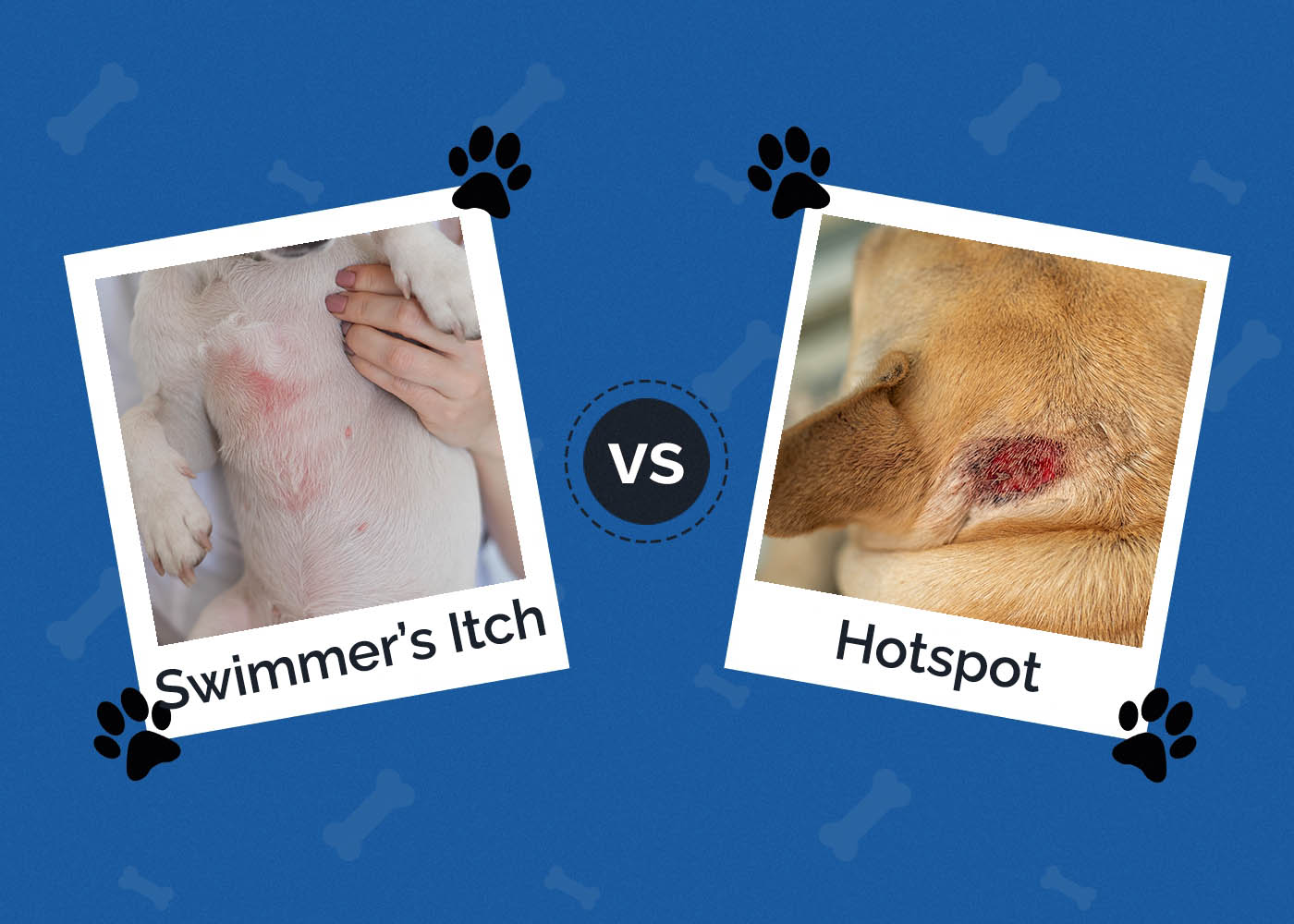
Swimmer’s itch in dogs is very rare. However, itchy skin on a dog after swimming is exceptionally common. Itchy skin after swimming is almost always caused by bacterial infections in the skin called hotspots or pyoderma. The disease called swimmer’s itch isn't all that common or significant for the average dog owner. Even if the infectious pathogen that causes swimmer’s itch is more severe in dogs, hotspots are so much more common and, therefore, important for most people.
As a result, this article will briefly explain swimmer's itch, but since it's more relevant for the average dog owner, it will also discuss hotspots.

Swimmer’s Itch or Hotspots?
In dogs, it is very common for hotspots to develop after a swim, which results in exceptionally itchy and painful rashes and could be easily confused for the disease swimmer’s itch. However, most people (and dogs) will never have to worry about the real swimmer’s itch in their dogs, but they will have to treat and manage a hotspot at some point or other.
Swimmer’s itch is caused by tiny, microscopic parasites that start by infecting the skin (causing the itchiness) but eventually migrate to other internal organs, causing more severe disease in dogs. In humans, the parasites die before they migrate away from the skin.
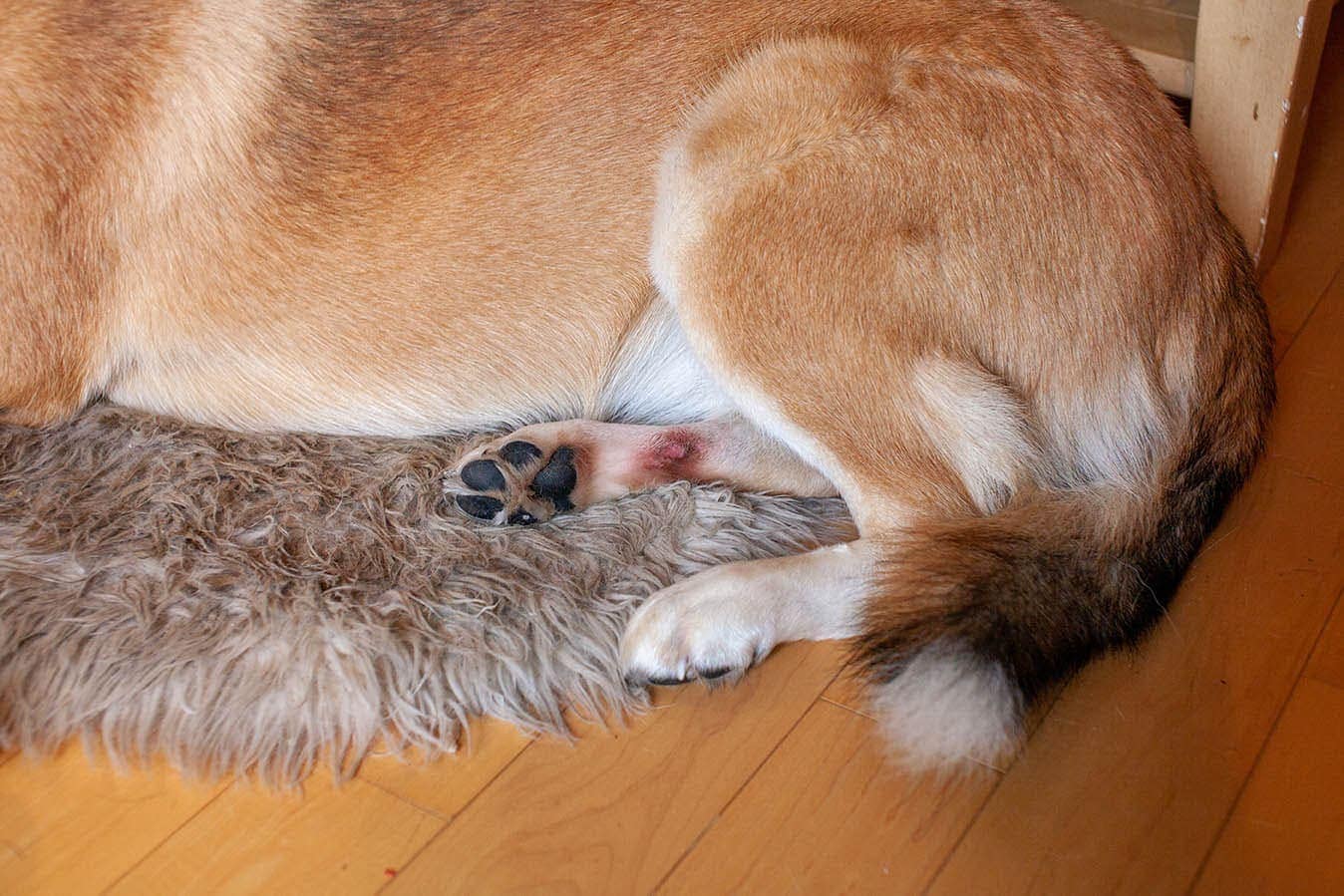
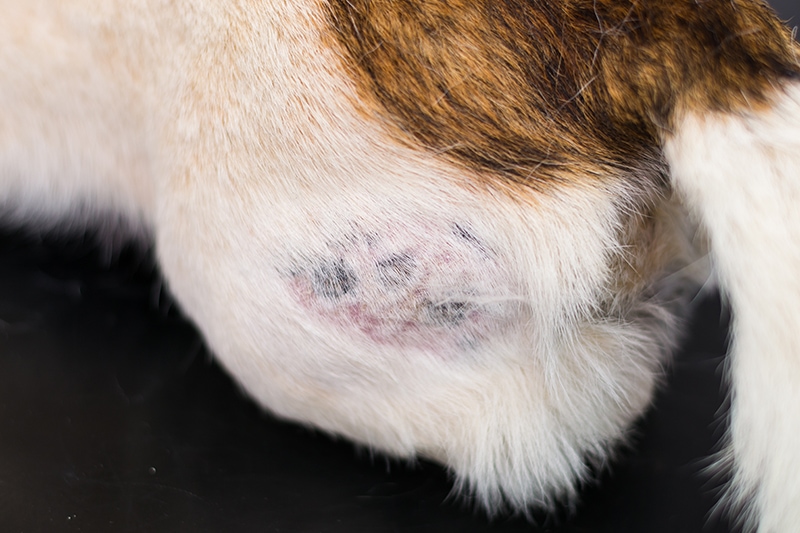
Hotspots are bacterial infections on the surface of the skin. They are usually caused by the common bacteria that dogs are exposed to every day but then invade the skin when the skin is hot and wet. The skin infection causes a spot of intense itchiness that can be hot and painful.
What Are the Signs of Swimmer’s Itch & Hotspots?
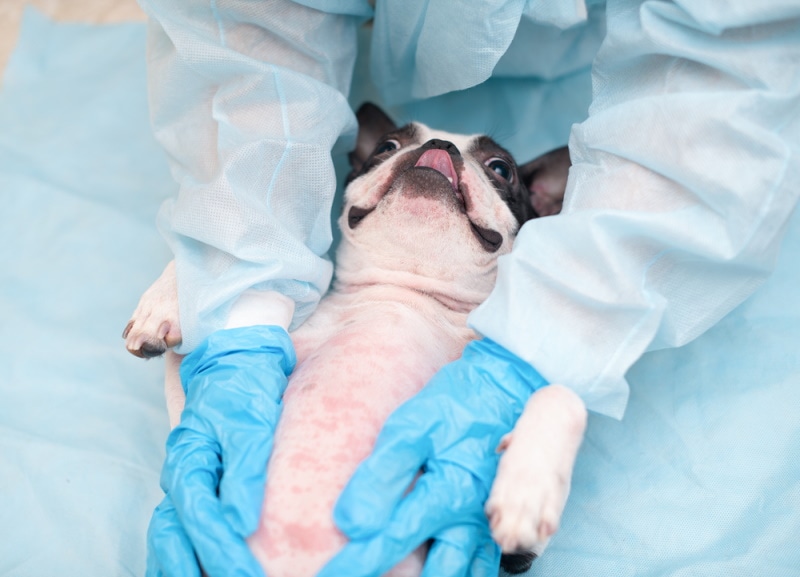
Swimmer’s itch in dogs can start as an itchy rash, but it also can develop into much more significant and serious illnesses, including problems such as:
- Lethargy
- Weight loss
- Inappetence
- Vomiting
- Diarrhea
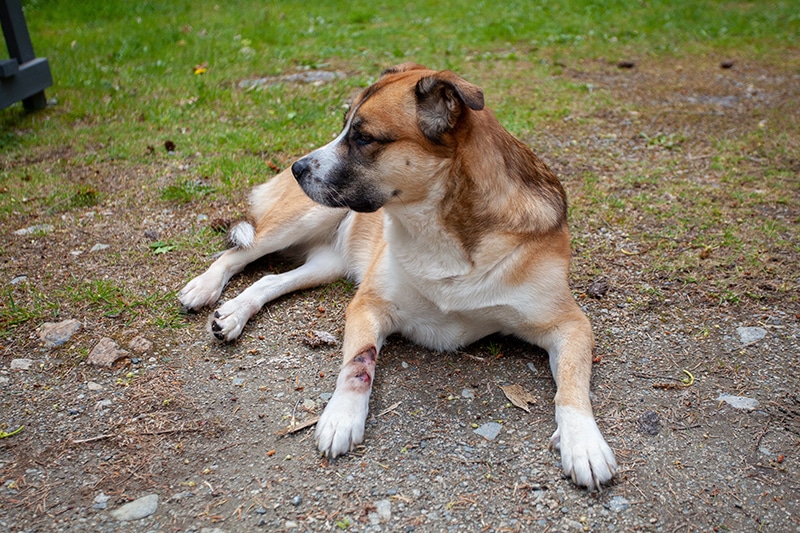
Hotspots, on the other hand, start as rashes that get larger and deeper as the infection spreads, but they usually stay on the skin. They are usually very itchy and painful and, again, are very common, unlike swimmer’s itch. Look for the following signs of hotspots:
- An itchy, painful spot on the skin
- A red and ulcerated spot on the skin
- Discharge from a spot on the skin
- Matted and crusted fur that is also itchy
- An itchy, rash-like lesion

What Causes Swimmer’s Itch & Hotspots?
Swimmer’s itch is caused by a parasite called Heterobilharzia americana, which buries into the skin and spreads to other organs from there.
Hotspots are caused by bacteria. The bacteria invade the skin through tiny abrasions or weak spots on the skin—places where the natural barrier of the skin has been degraded. This often happens when a dog's skin gets wet and cut off from the cleansing air, usually because of having a very fluffy coat.
The wet skin (especially if it’s hot) incubates the bacteria, which spreads along the skin's surface, causing infection. The skin gets itchy and painful. It starts to flake and crust off. The hair falls off, and a painfully infected sore develops.
How Do I Care for a Dog With Swimmer’s Itch or Hotspots?
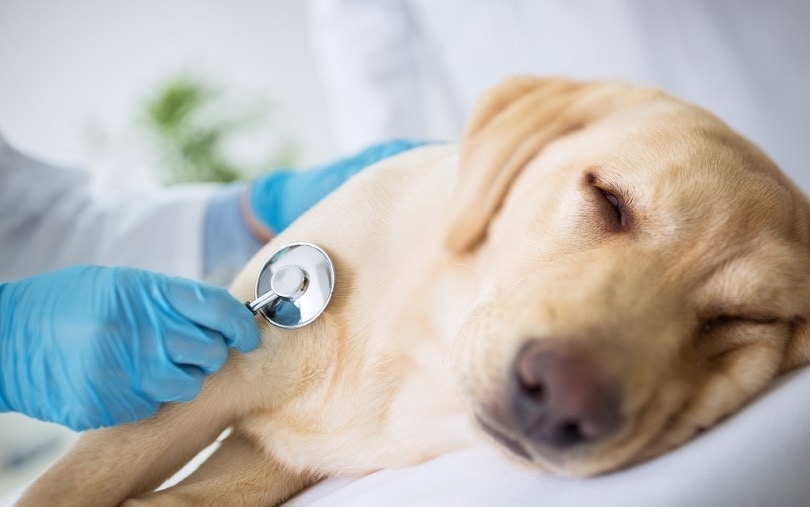
A dog with swimmers itch will need veterinary attention to treat their clinical signs and most likely an antiparasitic-dewormers.
A dog with a hotspot will need antibiotics from the vet. They will also need the hotspot cleaned and their hair clipped away. The hair creates a perfect protective covering for the bacteria to hide in, so it needs to go.
To prevent hotspots, make sure your dog is well groomed. This especially includes dogs that shed by themselves but have a bunch of their shed coat stuck in their undercoat. Labs and golden Retrievers, for example, often are not groomed as thoroughly as a poodle or spaniel because their coats are seemingly low maintenance. And yet they are also the ones that love to swim. So, their unshed coat holds water against their skin, creating the perfect combination of hotspot-inducing circumstances.
Thoroughly dry off your dog after they go swimming. And consider giving them a cleansing bath. The vet may recommend an antibacterial shampoo if your dog is particularly prone to hotspots. Or a soothing shampoo that restores the natural barrier of the skin (something with oatmeal, for example) may be better.
Each dog requires a different skincare regime. In addition, dogs with skin allergies (to food or environmental allergens) are also exceptionally prone to hotspots. Allergies make the skin weaker and more prone to infection.

Frequently Asked Questions (FAQs)
Why is the antibiotic course so long for hotspots?
The skin is very far away from the bloodstream, which carries the antibiotic around to the parts of the body where it needs to go: the skin. So, for the antibiotic to reach the outer layer of the skin (where the bacterial infection is), it needs to be in the body for a long period of time. About as long as it takes for the skin to shed a layer of skin, for example.
Why do I have to go back to the vet? My dog always gets hotspots?
Antibiotic resistance is becoming more and more problematic and a deadly health problem worldwide.
As a result, vets have to not only protect your dog but also the valuable resource of functional antibiotics. Prescribing antibiotics to dogs without concrete need not only endangers the larger community. But if prescribed correctly, it could mean that your dog develops a strain of bacteria that is resistant to antibiotics that cannot be treated.
Plus, in many places, it's illegal for a vet to prescribe antibiotics without physically seeing the reason—without performing a physical exam on your dog.
It may be frustrating to have to go to the vet and seem like a pointless pursuit, but by not allowing the vet to do their job and without careful veterinary supervision, hotspots do not clear up as quickly. They linger and fester and become a serious health concern.
So go to those vet visits, and go to those rechecks, because if you end the antibiotics too early, the hot spot can come back even stronger and more resistant.

Conclusion
Itchy hotspots after swimming are a common skin problem in dogs. Swimmer’s itch is less common and restricted to certain geographical areas.
Monitoring hotspots and coming up with a good skincare routine that protects your dog's skin after they go swimming is an invaluable tool for every dog who loves to go swimming. But remember that if your dog develops a hotspot, it is important to go to the vet and get the right medication.
Featured Image Credit: (L) Reshetnikov_art, Shutterstock | (R) Tienuskin, Shutterstock
Get Hepper In Your Inbox


Pet care tips from our vets and experts, straight to your inbox.
You may opt-out at any time. View our Privacy Policy for more information.
Dr. Chantal is passionate about the human-animal bond and improving animals' lives through their connections with their human companions. She has worked with many different species, big and small, including dogs, cats, birds, rabbits, guinea pigs, reptiles, amphibians, and even horses and mice. Chantal is excited to share her knowledge using her writing to help people connect with their animal friends.
Dr. Chantal believes that the best way for animals to be healthy is for their humans to understand their needs and well-being. She loves spreading her knowledge to as many people as she can through her writing.
Education
Dr. Chantal graduated from the Royal Veterinary College in London, England, where she received her vet degree. She then received her Masters in Conservation Medicine from Tufts University.
Experience
Dr. Chantal has worked with animals her entire life in many fields, even outside of veterinary medicine. She managed horse barns, worked as a dog trainer, and as a wildlife biologist before attending vet school. Chantal has been a veterinarian for over three years and continues to work with dogs, cats, and exotic animals. And, she still knows a thing or two about horses.
Join the conversation
Ask a question, share your story, or send private feedback.