Hepper is reader-supported. When you buy via links on our site, we may earn an affiliate commission at no cost to you. Learn more.
What to Feed Goldfish Fry: Best Foods & Schedule
In this article
Congratulations, fish parent. If you've found this page in a panicked Google search for "what to feed baby goldfish," you're in the right place.
I'm here to share the feeding secrets I've learned in raising my goldfish babies!

What to Feed Baby Goldfish Fry
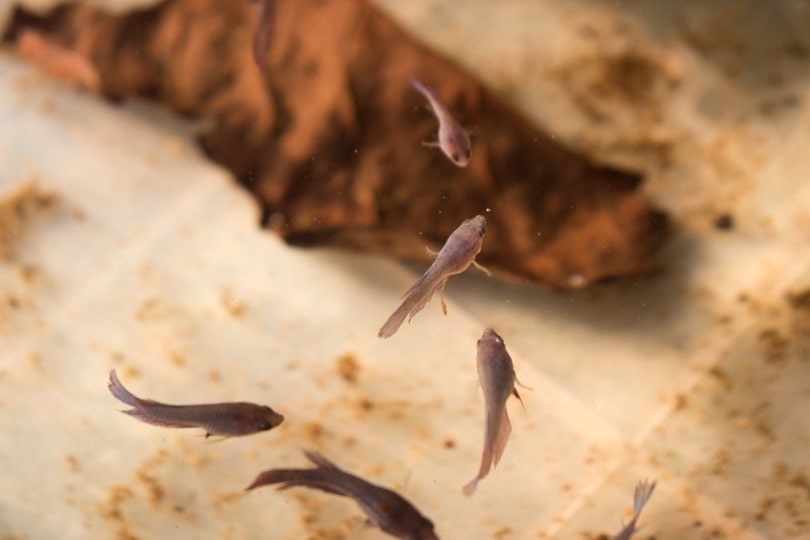
Goldfish don't eat for the first 2 days after hatching. They're still absorbing their yolk sacks, and they don't have a mouth yet. During that time, they literally just hang out.
Now: Once they become free swimming, they start poking around looking for something to eat, and it's time to feed them baby goldfish their first meal! The question is—what?
I've experimented with several kinds of fry food. The thing is, good fry food will be 2 things: small and enticing. I did some testing to find which foods were accepted by the babies. Here are my results:
1. First Test: Hard-boiled egg yolks
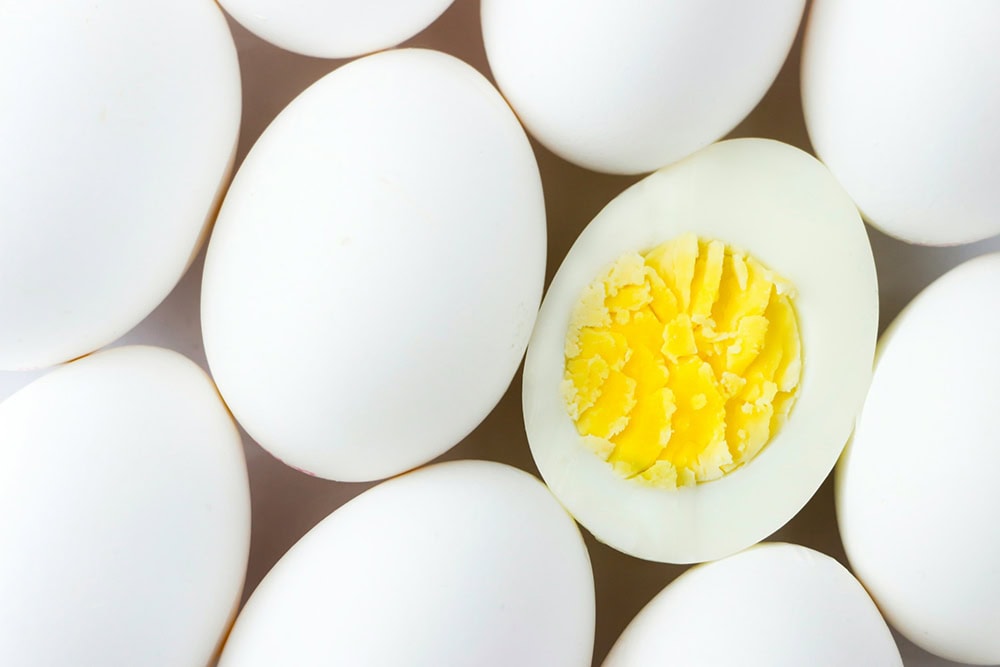
This is small enough to fit in their mouths but has a low acceptance rate (20-30%). This means the fry typically eat some but spit most of it out. Some fry won't take it at all and will only reject it. What's the worst part? It can foul the water.
And when the fish don't take much food, they won't grow quickly. Interestingly enough, I found many anecdotal reports of feeding fry exclusively on egg yolk are often coupled with anecdotal reports of a low fry survival rate
So,I soon realized that this was not working if I wanted to save all of these babies.
2. Second Test: Powdered Fish Food
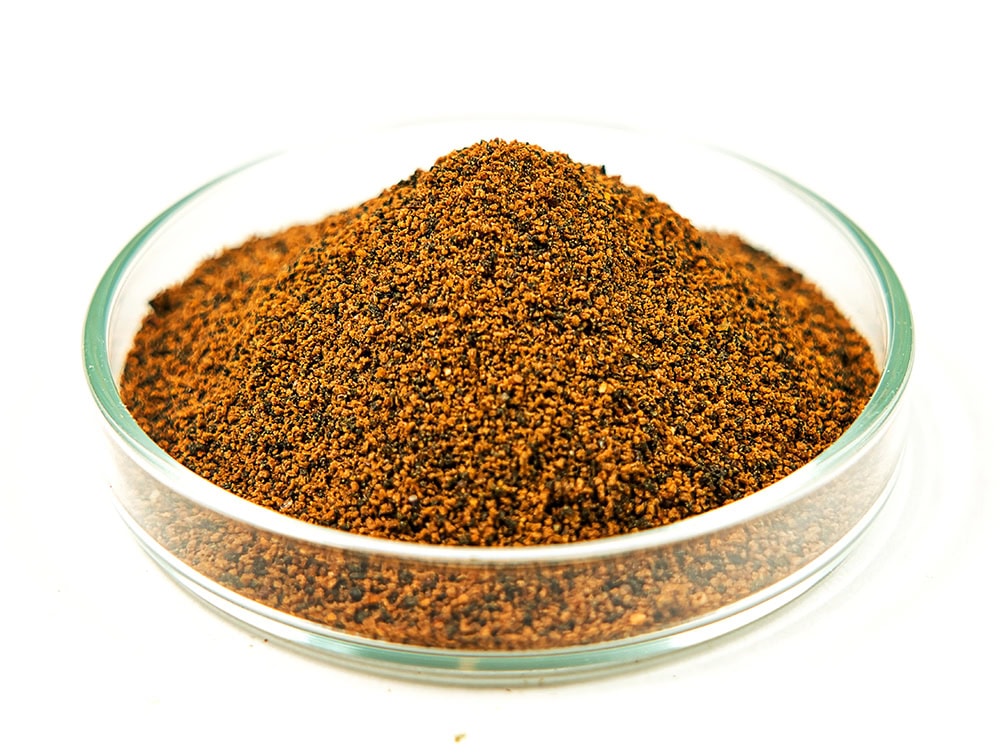
So next, I tried Repashy Super Gold, the powder kind you use to make gel food. I learned that when the babies are under 2 weeks, it's pretty much useless to try to get them to eat this.
They almost always spit it out. When they are bigger, it can be great food, but not at such an early stage.
3. Third Test: Instant Baby Brine Shrimp
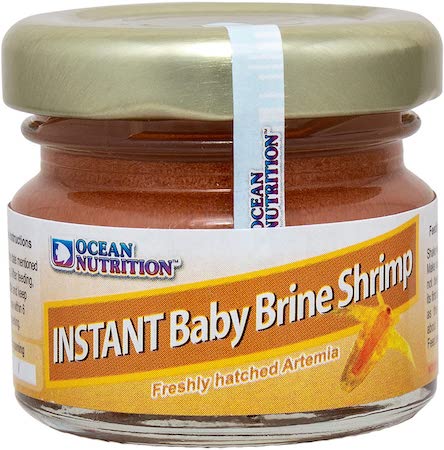
Next, I tried Instant Baby Brine Shrimp. I liked the fact that it requires no hatching hassle and that there was no yucky preservative in the jar water.
It is also small enough to fit in their mouth and is more accepted than the egg yolk, but it still is pretty low. It seemed like about 50% of the time, it was spit right back out. It stayed suspended in the water column for a good long time.
Honestly, the fish weren't eating enough of it to develop a bulging belly (which is important for growth). I think this is because the brine shrimp are dead. They don't move, and it does not appeal to the baby fish!
Ultimately, I decided to keep it on hand just for emergencies or if I ran out of the next food...
4. I Finally Caved: Live Baby Brine Shrimp
Trying to avoid the best live food for baby goldfish (aka live baby brine shrimp) ended in frustration and stress. So I bit the bullet. I got the package of baby brine shrimp eggs, and it was a winner!
- Small
- Enticing
- Nutritious
- High acceptance rate (about 90%)
- Doesn't foul water
The movement of the baby brine shrimp makes the baby fish enjoy hunting them for hours. Their bellies turn big and pink with the BBS. Hatching them does NOT have to be a nightmare or require a science lab!
I avoided getting live baby brine shrimp for so long because I didn't have the extra counter space for a big project. So I don't set up a fancy hatchery with water bottles, airstones, lamps, tubes, etc.
I got an empty plastic snack container (the flattish kind that holds dates or raisins is fine), filled it up 1/3 full, and added about 1/4 tsp salt and 1/4 tsp of eggs.
Shut the lid and set it anywhere and forget it for the next 24-36 hours.
There were tons of baby brine shrimp hopping around and ready to be dished up. Maybe this small setup doesn't work for really large batches of fry, but in my case, it was perfect. The hatch rate was AWESOME from the brand I got called Sequoia Brine Shrimp.
Pretty much every egg hatches! If you have 50 fry or less, the 0.5-ounce package is fine to start with.
If you have more fish, I'd go with the 2-ounce package. You might need to get more, depending on how long the package lasts for you.
Tips
The only problem with this method is you can end up getting the empty eggshells mixed in with the food. The eggshells of the brine shrimp are not great for the fish. They can't digest them, so (if they don't pass right through) they can ferment in the gut, leading to bloat.
And picking out the eggs can be kind of a pain. The good news is you can mostly avoid this if you create a piece of tubing propped up on something thin and put the eggs in that, so when they hatch, the brine shrimp swim under it and escape, leaving the eggs in the trap.
This design shows what I'm talking about and is premade. Finally, if you need to hatch a larger quantity of brine shrimp for larger spawns, a special dish hatchery would probably work better than my off-the-cuff method (and be easier and less invasive than the water bottle method).
5. Algae
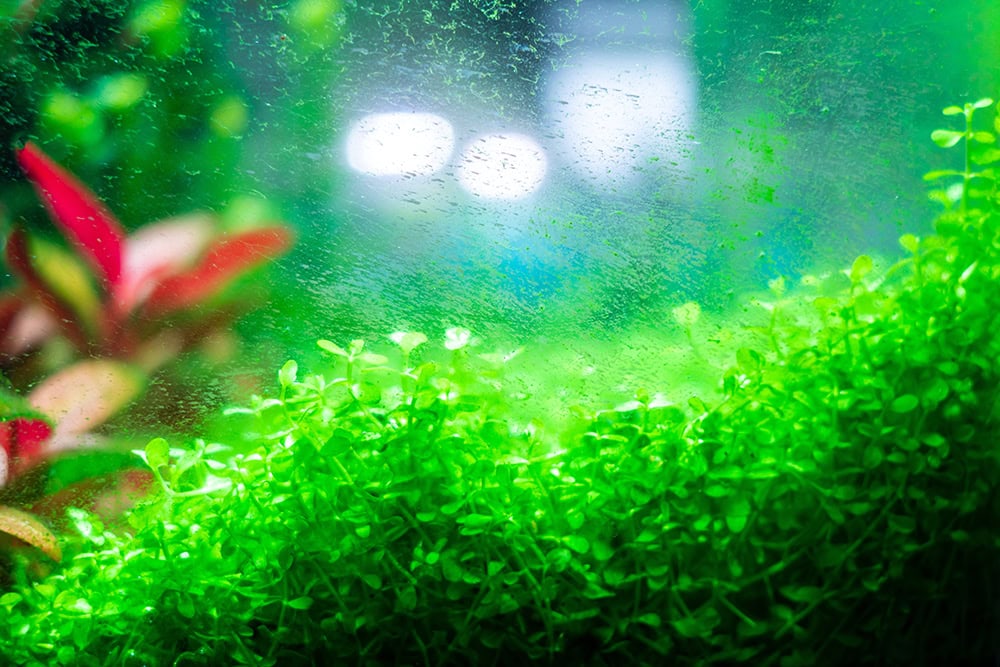
If you are able to grow some algae in your tank (the green kind, not the brown kind), your fry will thank you.
Algae gives your little fishies a source of food around the clock and promotes better growth. Obviously, this isn't always possible, depending on your light source and water supply. But it's worth mentioning.
Remember, the algae alone would not be enough, you would want that in addition to the high-protein food. This can be one benefit of having the fish be raised in a pond - algae and little bugs all the time.
But obviously, this doesn't work for everyone's situation, including mine.

Further Feeding for Bigger Babies
Yay, your fish made it past the first 2 weeks! After about 2–3 weeks of feeding live baby brine shrimp, you can start feeding other stuff and quit that baby brine shrimp business.
Weaning off BBS should be done over a couple of weeks. By then, they should be looking more like fish as well. Some people use microworms, but microworm cultures are smelly and a general pain to deal with.
As soon as I can get away from live foods, I'm so done with them. I use Northfin Fry Food once they start taking it. The protein makes for superior growth and coloration. In addition, Repashy Super Gold is great as a powder sprinkled on the water surface or for gel food.
Many breeders find fish grown on Repashy Super Gold do better than on other diets. You can also use steamed eggs, though this necessitates more water changes, and the protein isn't as high. Young goldfish will grow well when fed frozen bloodworms (these are typically in addition to another staple).
Now, please do NOT feed Tubifex worms! These are vectors for very bad fish diseases. Then after a while, you can introduce pellets or other "adult" food.
If you're new to the world of goldfish or are an experienced goldfish keeper that loves to learn more, we recommend you check out our best-selling book, The Truth About Goldfish, on Amazon.
From diagnosing illnesses and providing correct treatments to ensuring your goldies are happy with their setup and your maintenance, this book brings our blog to life in color and will help you to be the best goldfishkeeper you can be.

Conclusion
Whatever you feed, just make sure to stay on top of your water quality. Goldfish fry will not tolerate bad water conditions. You want to make sure your goldfish fry has nice bulging bellies after their first few days. This is important in helping them grow.
But don't overfeed! Overfeeding your fry can cause death. So on that note, do you want to leave a comment?
Related Read: How to Raise Goldfish Fry
Featured Image Credit: Chatchai chaihan, Shutterstock
Get Hepper In Your Inbox


Pet care tips from our vets and experts, straight to your inbox.
You may opt-out at any time. View our Privacy Policy for more information.

Lindsey discovered her passion for fish keeping after a junior high school field trip to the Shedd Aquarium in Chicago. Prior to becoming Editor-in-Chief of It's a Fish Thing, Lindsey studied marine biology at the University of California-Santa Cruz. She loves goldfish, tetras, and mystery snails, and recently began experimenting with a saltwater aquarium.
Join the conversation
Ask a question, share your story, or send private feedback.