Hepper is reader-supported. When you buy via links on our site, we may earn an affiliate commission at no cost to you. Learn more.
Australian Boxherd (Australian Shepherd & Boxer Mix): Info, Pictures, Characteristics & Facts

Breed Overview
Height:
Weight:
Lifespan:
Colors:
Suitable for:
Temperament:
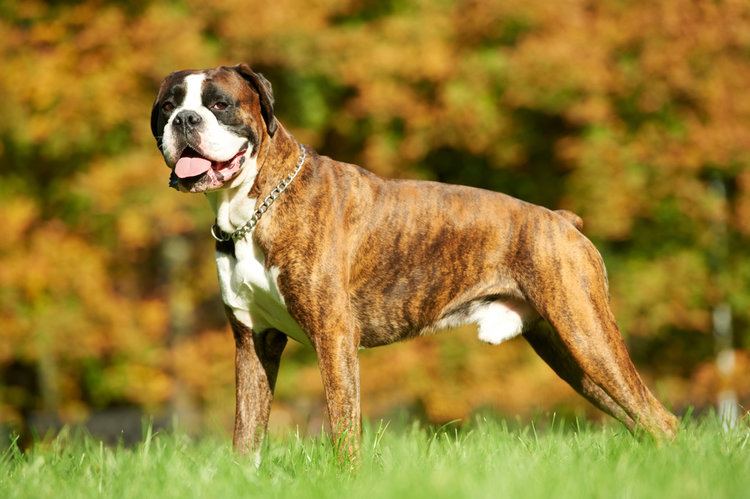
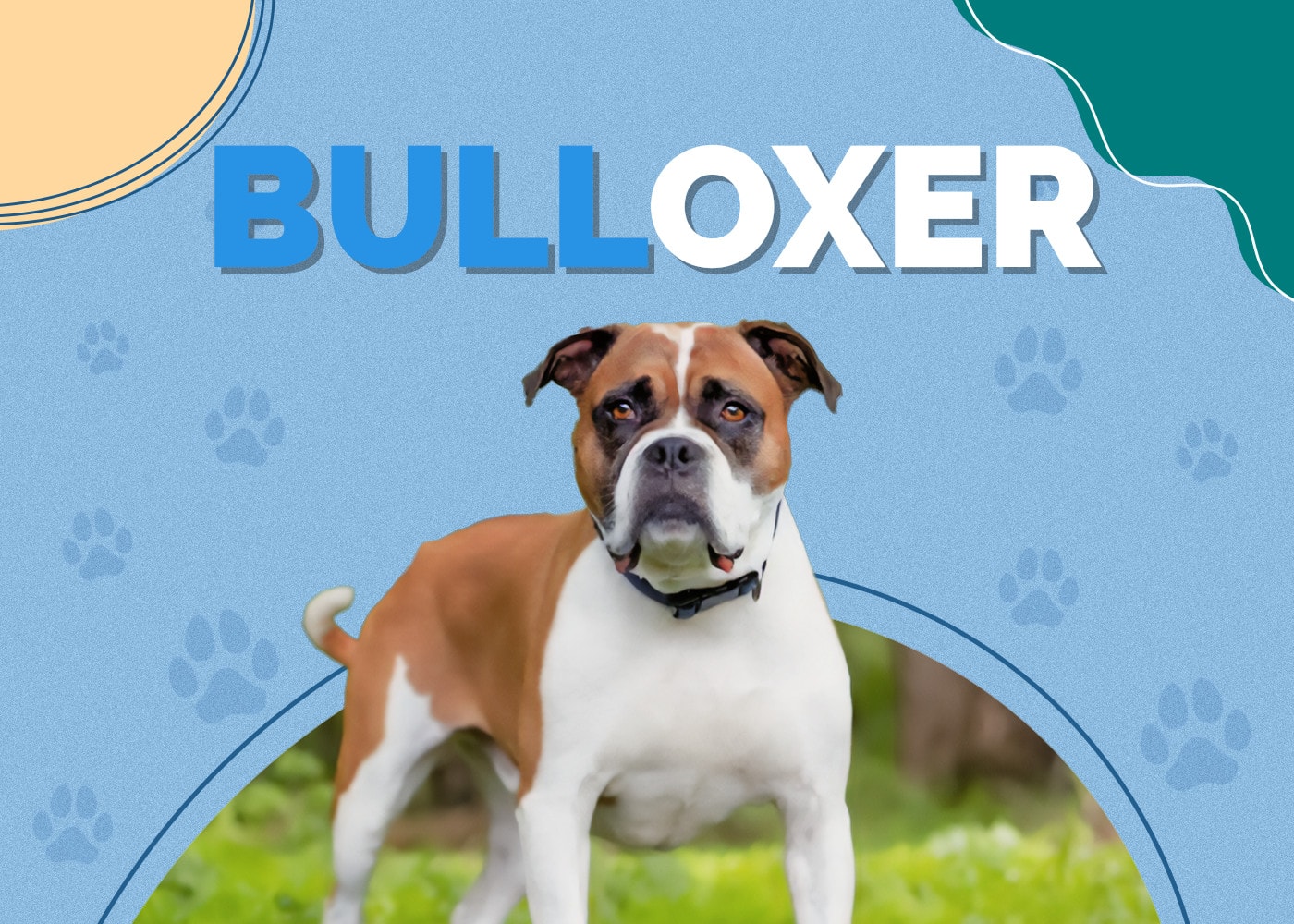
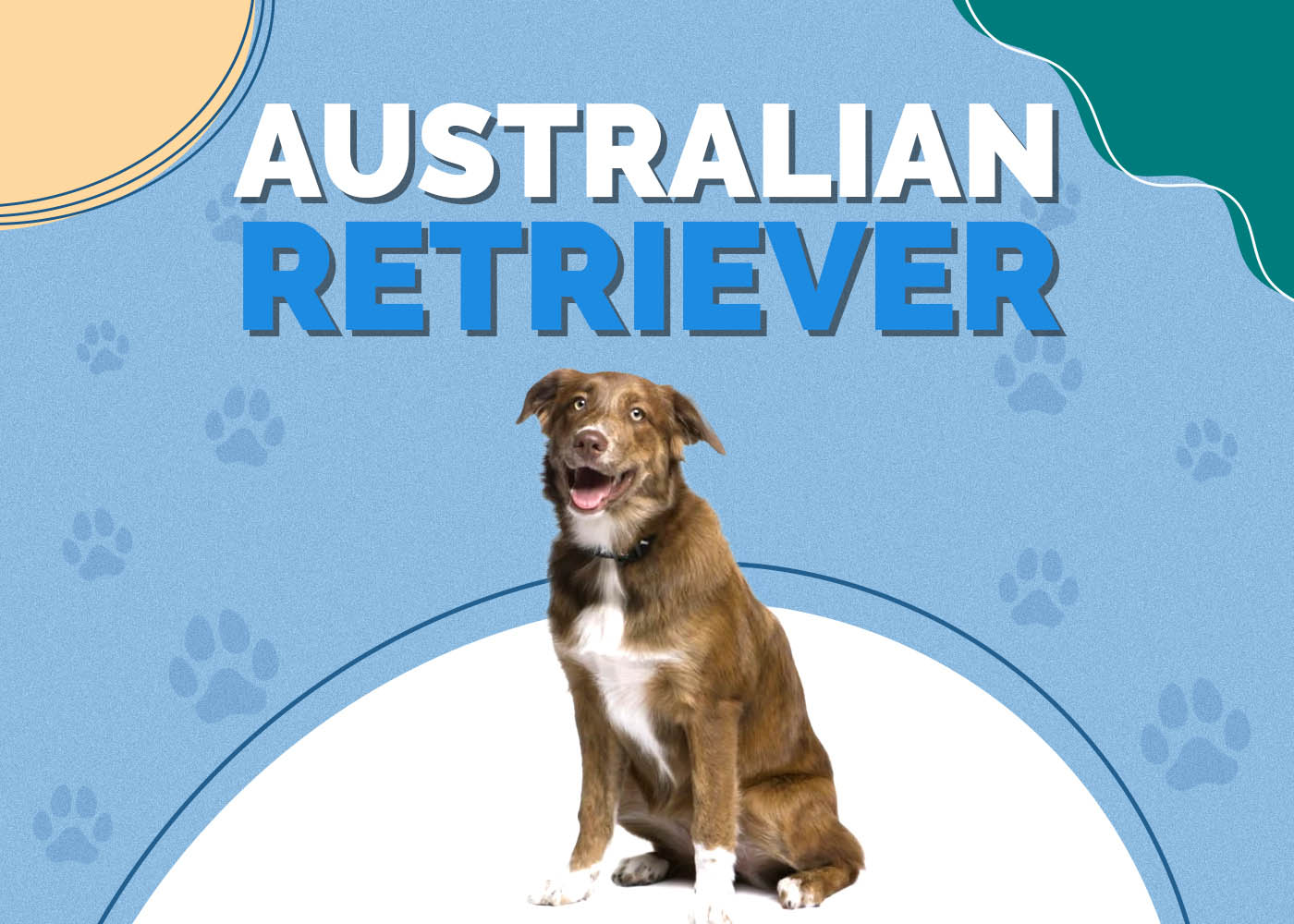
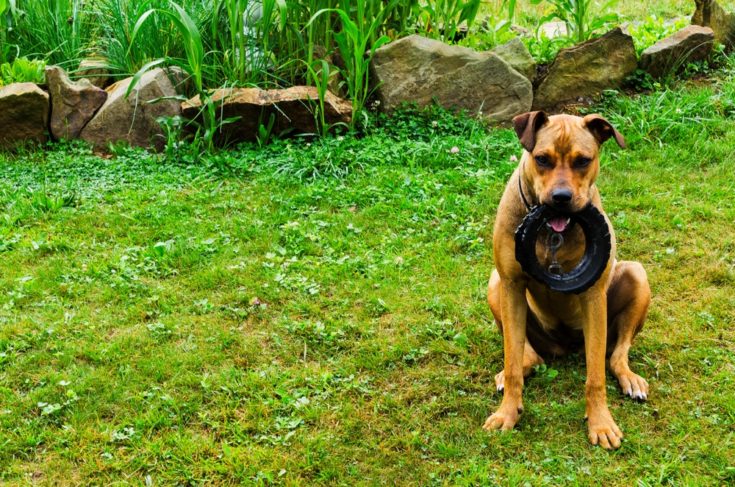
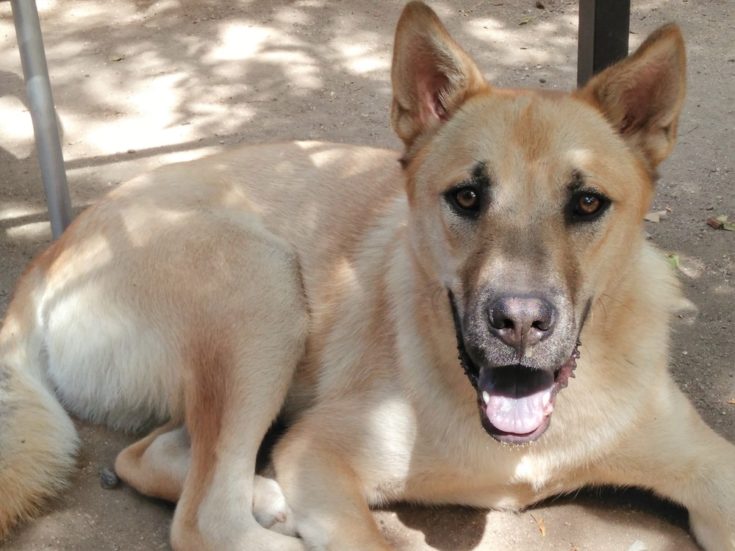
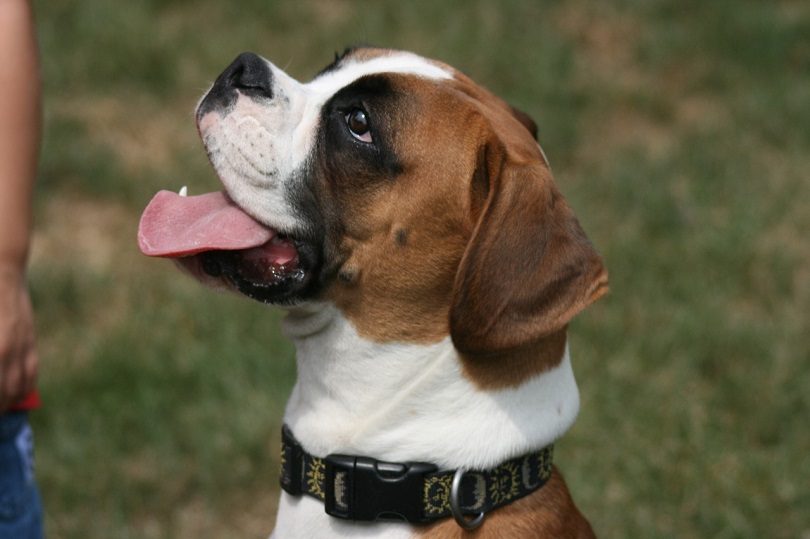
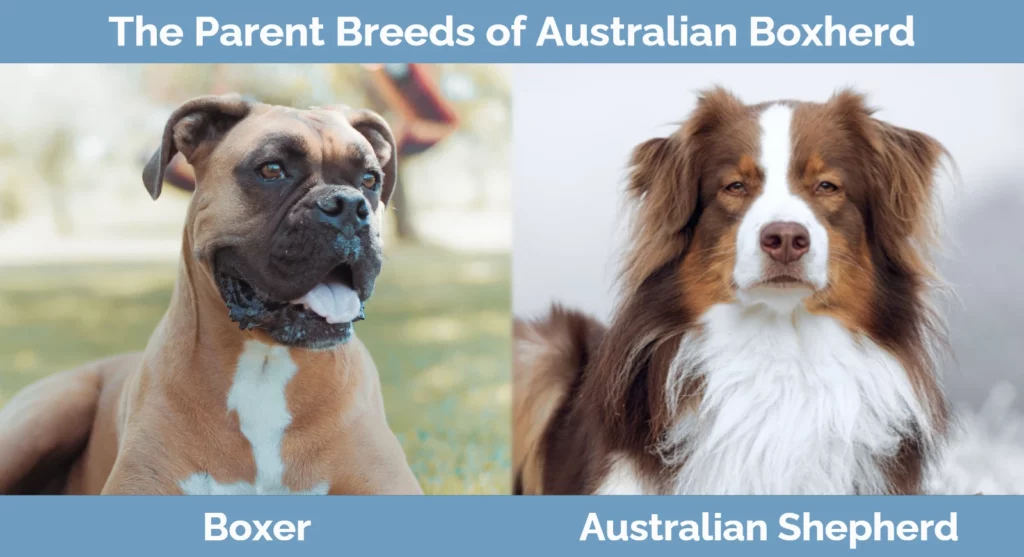
The Australian Boxherd is a crossbreed of the Australian Shepherd and the Boxer. Both the Australian Shepherd (bred in the 19th century as a ranch dog) and the Boxer (bred in Germany) are energetic, loyal, and intelligent. The Boxherd gets a double dose of these traits, making it easily trainable, playful, and sociable.
The Boxherd is a medium to large size dog, but its exact weight and height will vary depending on the characteristics of the parent dog the pup takes after. Sometimes, the parent dog is not a Boxer or an Australian Shepherd purebred. This is called a multi-generational crossing.
Being a designer dog breed, the Boxherd has fewer health issues than purebreds.

Australian Boxherd Puppies
Australian Boxherd Characteristics
Australian Boxherds are descended from ranch dogs and are naturally protective. Pups need to be socialized at a young age to avoid any antisocial or aggressive behavior. Make sure that you establish authority early on, and make it clear that you are their master, not the other way round.
The Boxherd scores well on energy, trainability, lifespan, and sociability. However, some pups have flat faces, making them more susceptible to brachycephalic airway syndrome.

3 Little-Known Facts About the Australian Boxherd
1. They are also known as the Boxer Aussie mix.
2. One of their parents, the Australian Shepherd, is renowned for herding sheep and was bred in America.
3. The Boxer, their other parent, has roots dating back to 2,500 B.C.
Temperament & Intelligence of the Australian Boxherd🧠
These dogs are loyal and protective and tend to be physically active. If you are not much of an outgoing person, this Boxer Aussie mix may not be for you.
Like many other dog breeds, when Boxherds get bored, they may turn destructive, chewing on your shoes and generally making a nuisance of themselves.
Are These Dogs Good for Families?🏡 🐶 😽 🦴 🐕 🦮 ✂️ ❤️
When well trained, Boxherds will get along well with children. Their high intelligence means they will understand commands easily, and their obedience makes them easy to live with. Their protective nature endears them to many families.
However, these dogs have a strong herding background1, which may lead to negative behaviors, such as chasing moving objects. Some may even grow antisocial and aggressive. Such behavior may prove problematic when the dog grows bigger. It is, therefore, important to train and socialize the Australian Shepherd and Boxer Mix early in life.
If you have children, train them on how to interact with dogs. For example, they should know how and where to touch the dog (and where not to) to avoid any aggressive behavior. Again, basic rules such as not approaching the dog when they are eating or sleeping and not taking away the dog’s food should be well understood.
Does This Breed Get Along with Other Pets?🐶 😽
As mentioned above, these dogs have a herding background. They can get along well with other pets, especially when well-trained. Those who aren’t trained and socialized well will tend to herd the other pets. Keep an eye on your cats—they don’t like being herded.

Things to Know When Owning an Australian Boxherd
Food and diet requirements for this breed are similar to other breeds. Exercise, training, and grooming are just as important, as they affect the health of your pet.
Food & Diet Requirements🦴
The breeder you buy from should advise you on what to feed the dog, but you should follow a few guidelines:
Exercise 🐕
Exercise is important to keep your dog from negative and destructive behavior. On average, every dog requires at least an hour of exercise daily to keep them healthy. The Boxer Aussie mix has high energy levels, and often, an hour isn’t enough. Playing fetch, running, and swimming are good exercise options.
Some Boxherds have flat faces, making too much exercise a health risk. A dog with a flat face has a shortened skull with a compressed nasal cavity, which makes it harder to breathe. This is called brachycephalic airway syndrome, or congenital obstructive airway disease.
During exercise, this syndrome causes:
You should avoid overexerting your dog in hot conditions, and if you have not yet bought the dog, avoid any puppies with flat faces. Go for pups with a pronounced muzzle. In doing so, you discourage the propagation of the flat face and obstructive airway disease.
Training🦮
Boxherds are intelligent and can be easily trained. They understand commands easily, and due to their natural inclination to obey, training them is a cinch. As with other dogs, training is most effective when the dog is young. If you find it challenging to train your dog, try signing them up for puppy training classes.
When you adopt a Boxherd, make sure you know their background. This includes asking the shelter worker or breeder certain questions:
Grooming ✂️
The amount of grooming your pet will require will depend largely on your dog. If your Boxherd inherits the Australian Shepherd’s coat, shedding season will require more elbow grease on your part.
If the dog inherits the Boxer’s coat or a coat that is a combination of the Boxer's and the Shepherd's, weekly brushing will suffice.
Keep the dog’s nails well-trimmed and brush their teeth regularly. Avoid bathing the dog too many times; only do it if you deem it necessary. Use mild soaps to avoid irritating their skin.
Also see: Best Dog Shampoos - Reviews & Top Picks
Health and Conditions❤️
As with most designer breeds, the Boxherd tends to suffer from only a few conditions. Hip dysplasia, cardiomyopathy, and degenerative myelopathy are the more serious ones. Cataracts, bloat, and epilepsy are minor conditions that crop up from time to time.
Male vs. Female
Females are slightly smaller and lighter than males. Some females have been observed to be more laidback, but do not expect this. The character of each individual is unique, and they do not have to inherit characteristics in a 50-50 ratio from their parents.
The choice of gender is up to you, but if you want to raise pups of your own, you might want to get a female. If you do not, however, the genders do not exhibit wildly different characteristics, and no gender-specific behavior has been observed.
Conclusion
The Australian Boxherd possesses an unrivaled work ethic, can be easily trained, and is protective of their family. These dogs are perfect for everyone but the most inactive dog lovers. They have a long lifespan of up to 15 years, provided you feed and treat them right.
Also see:
Australian Shepherd vs Border Collie: What’s the Difference?
Border-Aussie (Border Collie & Australian Shepherd Mix): Pictures, Info, Facts
Featured Image Credit to: Ethan Akins, Shutterstock
Get Hepper In Your Inbox


Pet care tips from our vets and experts, straight to your inbox.
You may opt-out at any time. View our Privacy Policy for more information.

Nicole is a lover of animals of all sizes but is especially fascinated with the feline variety. She’s the proud mom of Baby, a Burmese, and works every day so he can relax in the sunshine or by the fire. She’s always had a cat in her home and has spent countless days with others, observing behaviors and softening up even the grouchiest of the lot. Nicole wants to share her kitty expertise with you so you and your cat can live happy, healthy, and care-free.
Join the conversation
Ask a question, share your story, or send private feedback.