Hepper is reader-supported. When you buy via links on our site, we may earn an affiliate commission at no cost to you. Learn more.
Australian Shepherd Blue Heeler Mix: Info, Pictures, Traits & Facts
Breed Overview
Height:
Weight:
Lifespan:
Colors:
Suitable for:
Temperament:
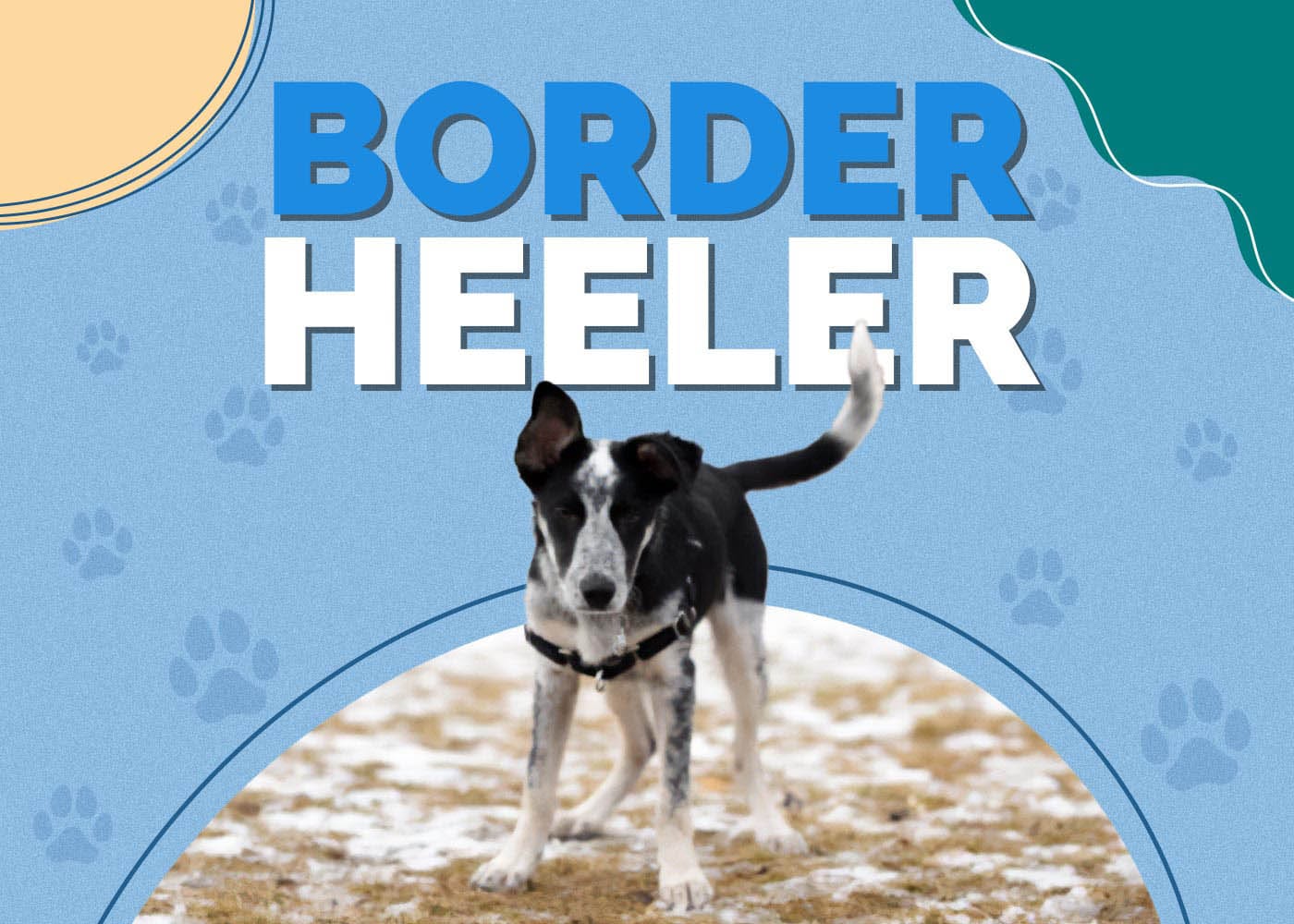
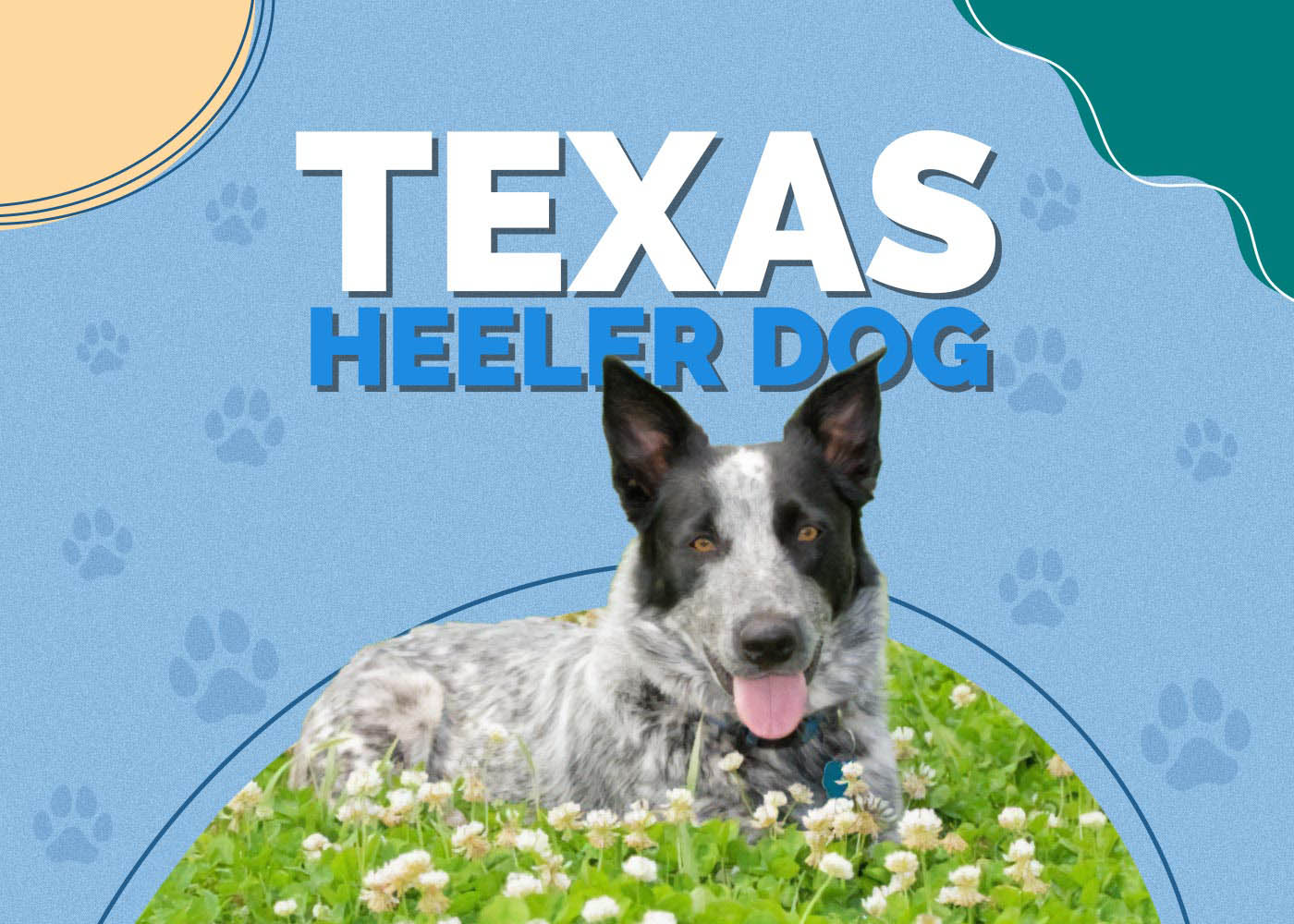
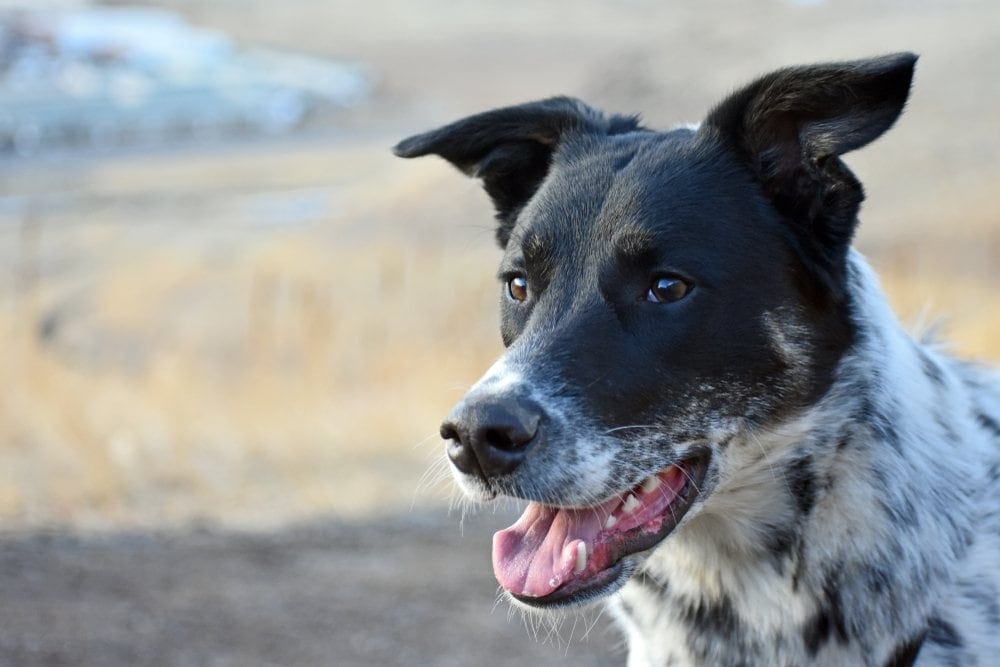
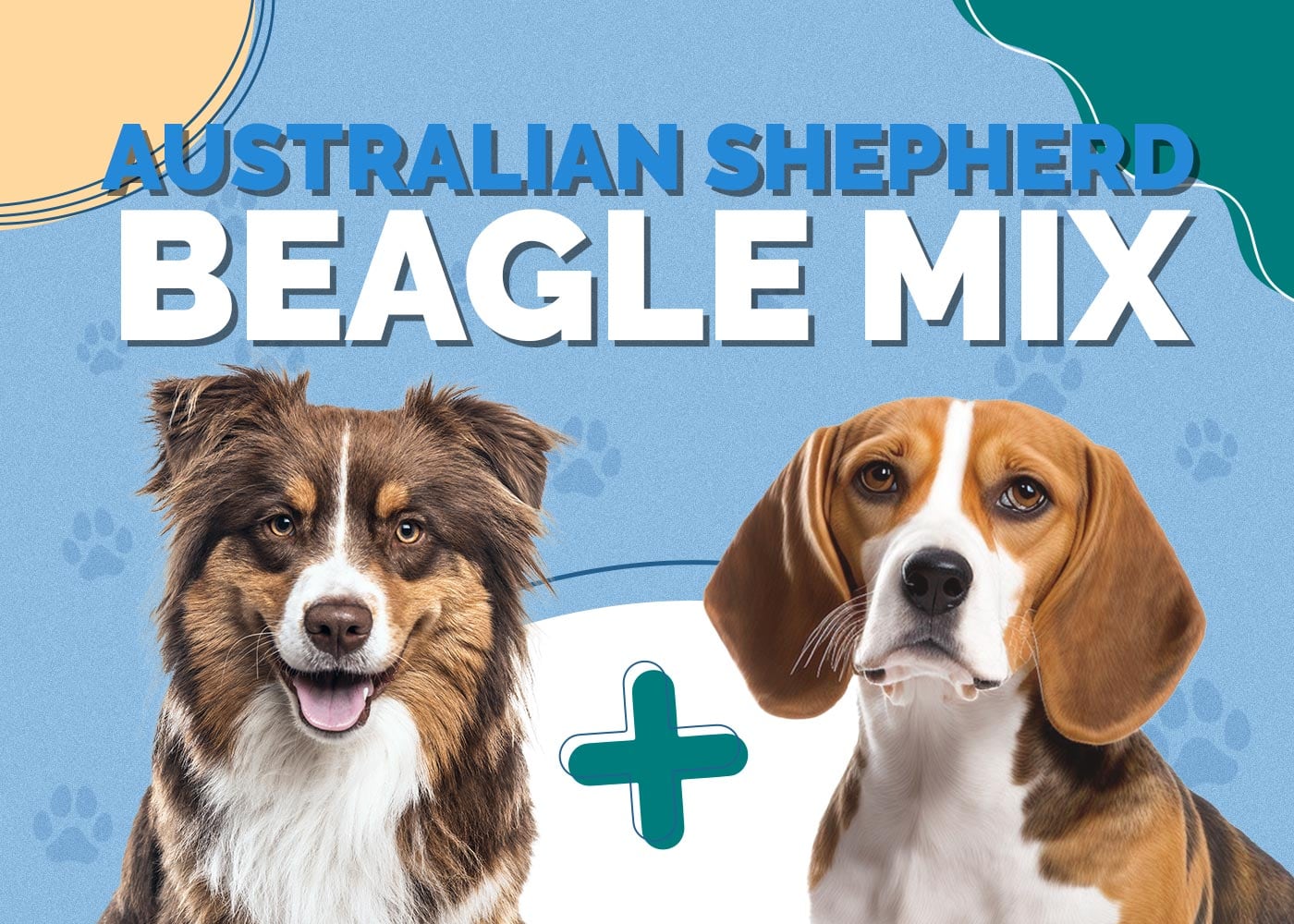
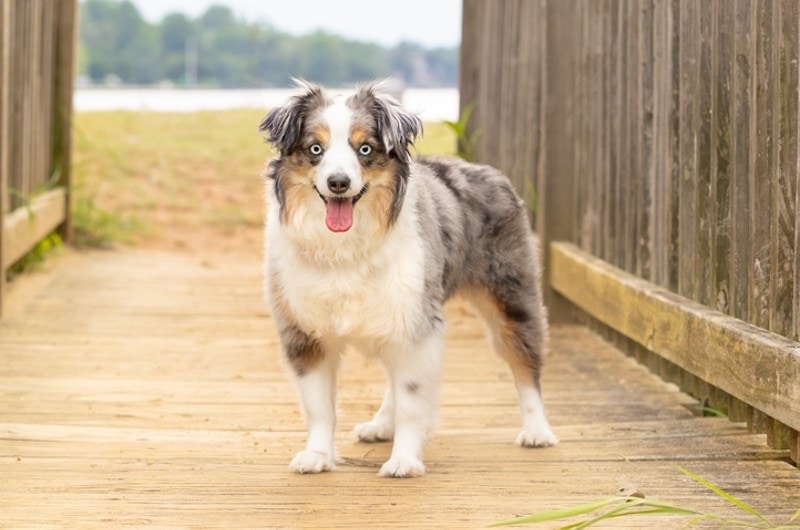
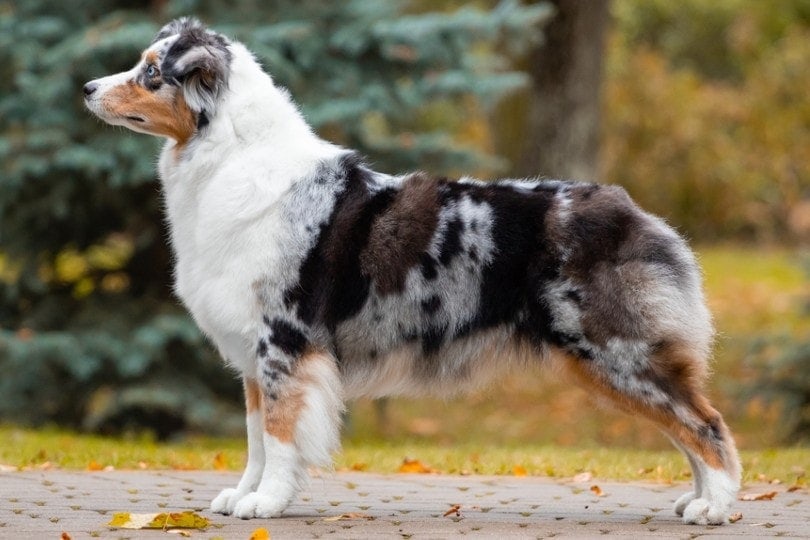
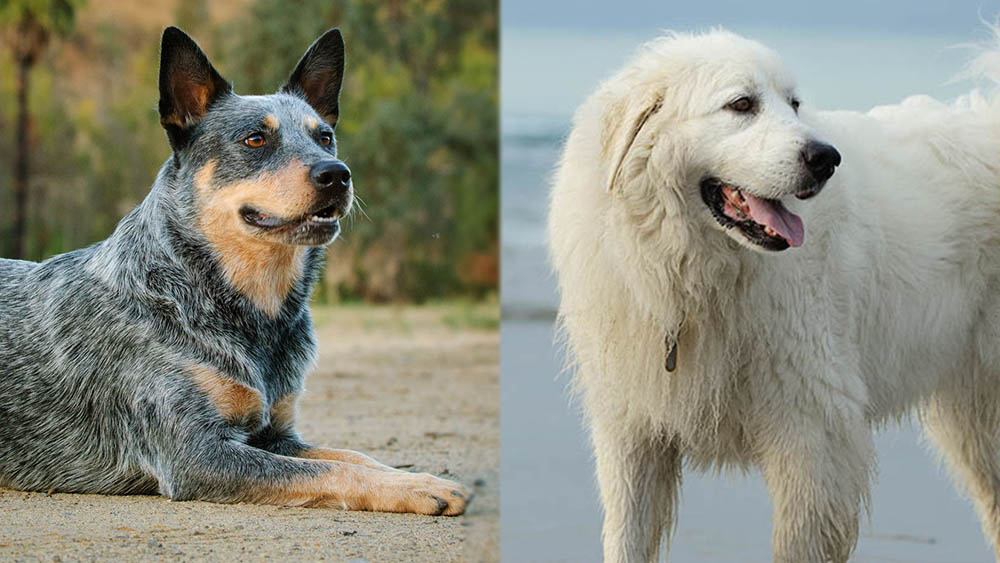
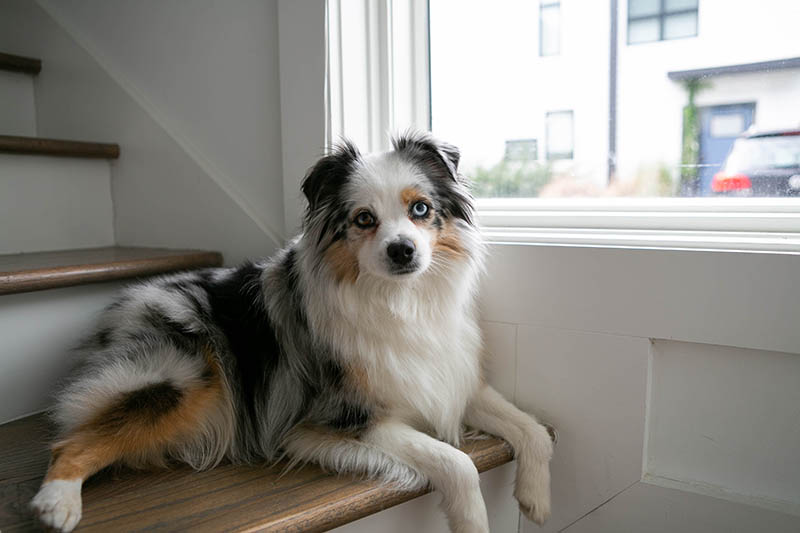
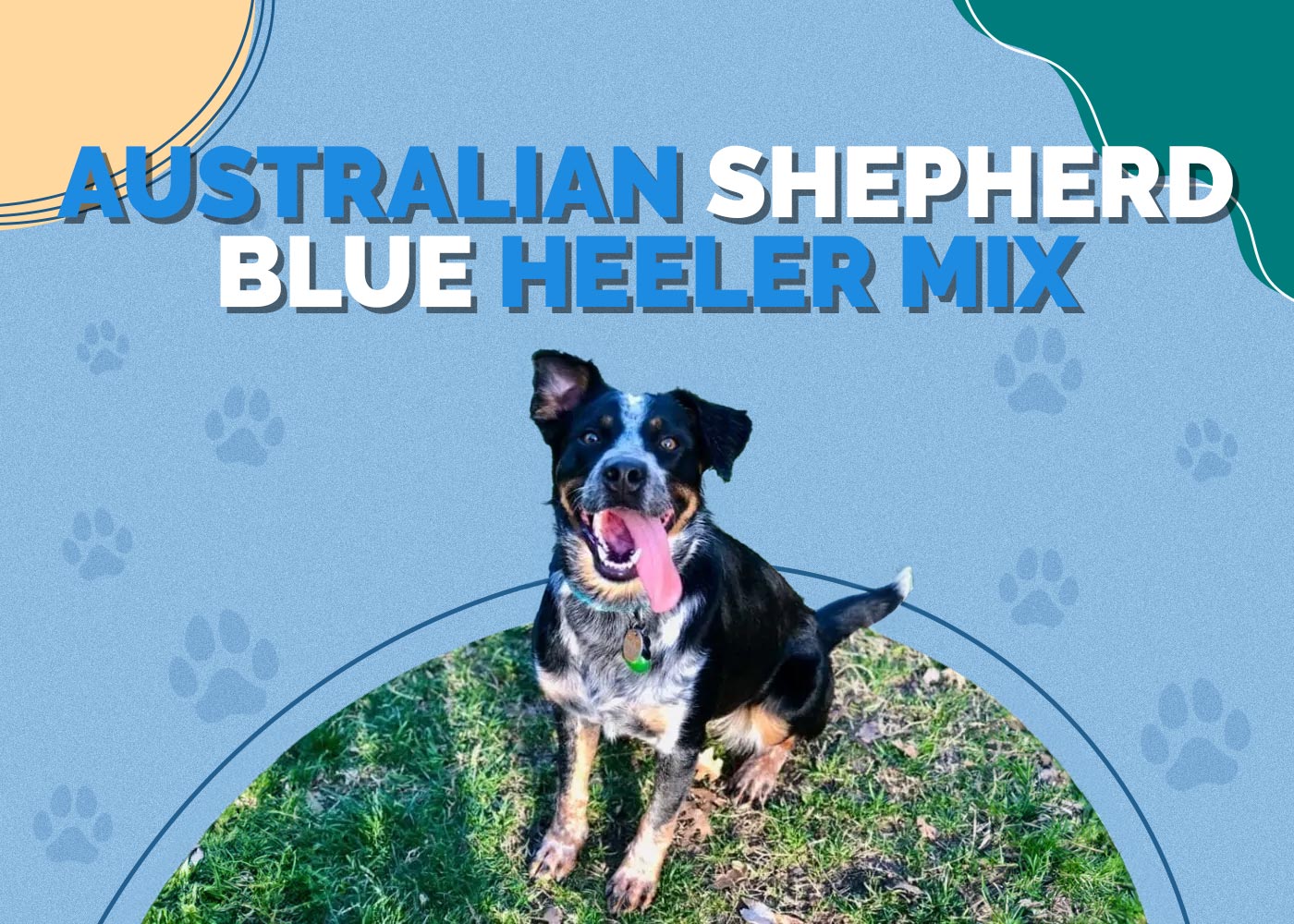
As the name suggests, this canine is a mix between an Australian Shepherd and a Blue Heeler. They are also commonly referred to as Texas Heelers, but there isn’t any evidence that they were explicitly bred in Texas.
They were developed in the 1970s in the United States, likely around Texas. However, their popularity never took off, and they remain rare today. The Blue Heeler Australian Shepherd mix is mainly utilized for herding or companionship. They are quite intelligent and can be used for seeing-eye and search-and-rescue work.

Australian Shepherd Blue Heeler Puppies
Australian Shepherd Blue Heeler Mix Characteristics
Australian Shepherd Blue Heelers are not technically purebreds. While they have been around for quite a while, they aren’t established. Therefore, few breeders specialize in them.
If you manage to find one, they typically aren’t too expensive. After all, the demand is relatively low, so breeders can’t price their dogs that high. Due to the low availability, the price can vary quite a bit. Breeders don’t always have anyone to compare their prices to. However, these dogs often require more work than others to breed due to their larger size and hyperactivity.
Purchasing from a backyard breeder will likely cost less, but we don’t recommend it. Often, the puppies cost less because they have had less money put into them. They usually don’t receive the proper vet care or genetic testing.

3 Little-Known Facts About the Australian Shepherd Blue Heeler Mix
1. These Dogs Are Highly Active.
The Australian Shepherd Blue Heeler is a hyperactive canine. They require quite a bit of exercise, and most do best if they have a farm to work on or some other job to do. Both their parents are pure working dogs, and this mixed breed is no different.
2. This Mixed Breed Has Been Around for a While.
Most mixed breeds are relatively new. However, this one has been bred since about the 1970s. Most of the time, people purchase one of their purebred parents instead.
3. Finding Them Is Difficult.
While they are a cross between two relatively popular breeds, that doesn’t make the Australian Shepherd Blue Heeler easy to find! Few breeders specialize in them, and most do not produce regular puppies. For this reason, it is often somewhat difficult to find a puppy.
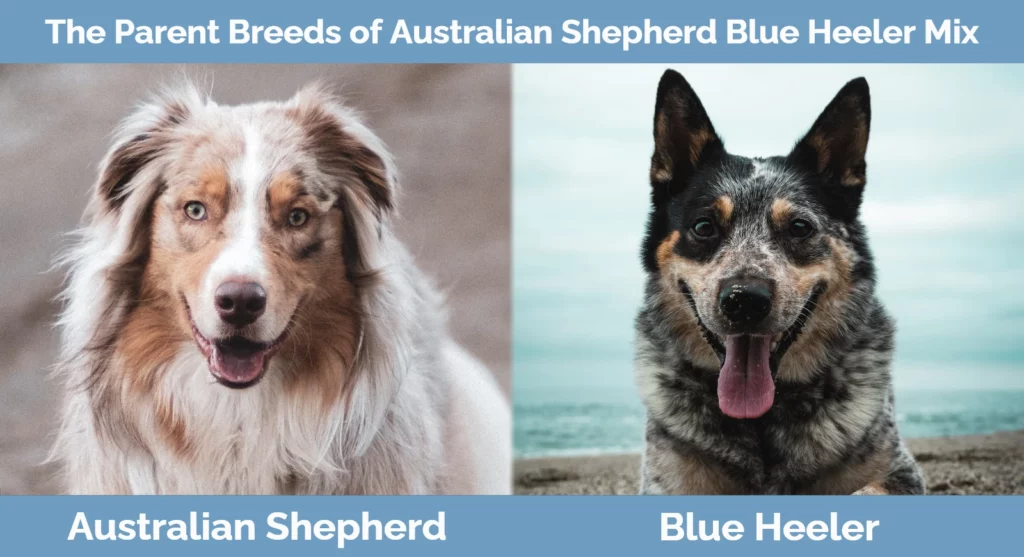

Temperament and Intelligence of the Australian Shepherd Blue Heeler Mix
The Australian Shepherd Blue Heeler is brilliant and active. They were made to be working dogs and herd animals of all sorts. Therefore, their intelligence is relatively high, like other herding breeds.
This trait allows them to be trained efficiently, though it also means they’ll need plenty of mental stimulation. They can’t be left alone at home for much of the day. They require regular interaction, training, and mental stimulation.
The Australian Shepherd Blue Heeler mix is an extremely hard worker. Most are happiest when they have a job to do, even if it just involves catching a frisbee. Due to their herding instincts, they may attempt to herd children, cats, and cars. It isn’t unheard of for them to jump out in front of a vehicle to herd it, which sadly doesn’t end well for the dog.
They may be a bit aloof with strangers, though it likely won’t result in significant aggression or territorial behavior. Socialization is essential to make them accepting of strangers, however.
Many people use Australian Shepherd Blue Heelers as watchdogs. The job isn’t the primary purpose for which they were bred, but their aloof nature can make them suitable.
Are These Dogs Good for Families?
Australian Shepherd Blue Heelers can be excellent dogs for families. However, we don’t recommend them for homes with small children. Often, children look and act in a way that will excite their herding instincts. It isn’t odd for them to try to herd children.
Often, this behavior scares the child, who runs away from the dog. This reaction excites the dog even more and may prompt them to snap and bite at the child’s ankles, which is one of the ways that these canines herd cattle. This may work with cattle, but it isn’t safe for children.
You can’t train out herding instincts. They are innate in every Australian Shepherd Blue Heeler, and there isn’t anything the dog or anyone else can do to control them.
Does This Breed Get Along With Other Pets?
Socialization is essential to ensure the Australian Shepherd Blue Heeler can get along with other dogs. They often aren’t aggressive or territorial, but socialization is still required. Otherwise, they can be a bit unsure of new dogs.
While this breed can get along with dogs, they are not recommended for homes with cats and similar small animals. They will often try to herd the smaller animals, which isn’t much fun for them!

Things to Know When Owning an Australian Shepherd Blue Heeler Mix
Food & Diet Requirements
Compared to other dogs, the Australian Shepherd Blue Heeler Mix has no particular dietary needs. They often do fine on a commercial diet designed for their life stage.
You must feed puppies a food designed for puppies. You do not need to provide them with food specifically designed for large dogs because this breed often fits into the medium category.
However, you should take care only to feed them the required amount. Overfeeding can result in weight gain, which can lead to health problems later on.
Due to their active nature, many Blue Heeler Australian Shepherd mixes respond best to a food designed to meet their high-activity needs. Extra protein and more calories are necessary in most cases. For working dogs, you’ll likely need to feed them more than what’s listed on the back of the bag.
Exercise
Meeting the exercise needs of the Australian Shepherd Blue Heeler can be challenging. They are incredibly energetic since they were initially bred to spend all day in the field, herding cattle. That takes a great deal of energy!
Even when they are kept as companions, they will still have this high activity level. It isn’t like their body knows that they aren’t working dogs.
We only recommend the Australian Shepherd Blue Heeler for high-activity families. If you’re looking for a dog that will run miles a day with you, this mixed breed likely fits the bill. If you don’t do anything active daily, you should probably plan on looking elsewhere for a dog.
It can be challenging to meet their exercise needs with walks alone unless you’re hiking miles a day.
Training
Due to their high intelligence, this mixed breed takes well to the training of all sorts. They are eager to please and quickly understand what you’re asking them. Most of the time, these traits make them easy to train.
However, when left to their own devices, they often attempt to make their own fun. Usually, this behavior results in destructive behaviors, such as digging, eating things, and excessive chewing.
For this reason, these dogs are often described as more destructive than most. But it is simply that it is challenging to meet their mental stimulation needs, which causes destructive behaviors to occur more often.
Luckily, training is an excellent way to keep their mind occupied. Usually, you’ll need to do multiple sessions a day. Fifteen minutes is often all that you need per session. You’ll need to work on something new and challenging, of course. Usually, the problem with training the dogs is finding new things to teach them.
You can also use puzzle toys and canine sports to entertain your Australian Shepherd Blue Heeler. Preferably, you should do a combination of everything to provide your dog with a bit of variety.
Grooming ✂️
Australian Shepherd Blue Heelers require considerable grooming. They shed profusely and often need to be brushed daily to keep it under control. Luckily, these brushing sessions can be quick. It only takes about 15 minutes to brush them thoroughly; you’ll just need to do it often.
Beyond that, they don’t require significant amounts of grooming. You should never trim an Australian Shepherd Blue Heeler Mix, which can damage their double-layered coat.
The bottom layer of their coat is designed to keep them warm, while the top layer is waterproof and weather-resistant. It keeps the bottom layer dry and stable so it can do its job. If you trim their fur down, their undercoat will start to show through their upper coat.
You shouldn’t bathe them often, either. If they get dirty, a bath may be required. However, regular brushing will remove much of the dirt and debris from their coat. Too much bathing can lead to skin irritation and similar issues, so it should be avoided.
Health and Conditions ❤️
Since this is a mixed breed, they are often healthier than purebred dogs. Australian Shepherd Blue Heelers are bred from a larger gene pool, which reduces the chance of genetic conditions. Furthermore, both their parents are bred as working animals, and the breeders usually prioritize their health.
However, that doesn’t mean they aren’t prone to any genetic problems. Like all breeds, they are vulnerable to certain conditions. Hip and elbow dysplasia are both relatively common and develop while the puppy is growing. The joint does not line up correctly for one reason or another, causing wear and tear.
Eventually, this leads to arthritis-like signs before the dog is 4 years old. As a progressive disease, this condition only worsens as the dog ages. Often, medication and supplementation are necessary. Some dogs require surgery in extreme cases.
Eye conditions are common in each parent. These conditions can include progressive retinal atrophy, which can eventually cause blindness. Collie eye is somewhat common but unlikely in this mixed breed. They don’t have enough Collie genetics to inherit this condition regularly.
Often, the eye conditions are genetic and not tied to aging. While many dogs experience eye conditions later in life, genetic conditions often appear earlier. Inherited deafness is possible from the Australian Shepherd parent. They have a high occurrence of genetic deafness, which can be passed on to their puppies.
Purchasing puppies from qualified breeders can prevent many of these conditions. However, some do not have genetic tests, and even the best breeder cannot avoid all possible genetic conditions.
Male vs. Female
Males are larger than females, though only by a minimal amount. Usually, it isn’t enough to be noticed. Furthermore, genetic differences vary more from dog to dog because they are a mixed breed. Their height and weight can vary even within the same litter. It depends on the traits that they inherit from their parents.
Therefore, size differences are more likely to be tied to genetic differences, not sex. Temperamental differences are not significant between the two sexes. For the most part, they are equally as likely to be aggressive or territorial if unsocialized. Neither sex is more likely to bite than the other.
The sex you want to adopt depends mainly on your personal preference. Of course, we don’t recommend setting your eye on a particular sex, given the rarity of this breed. It is usually challenging to find a single puppy, never mind one of a specific sex.
Final Thoughts
The Australian Shepherd Blue Heeler mixed breed is a handful, but they can make the perfect breed for the right family. If you’re active and are looking for a dog that can keep up with you, the Australian Shepherd Blue Heeler is perfect. They have high activity needs and are extremely intelligent.
They are excellent working dogs, and if you need anything to be herded, you can count on these dogs to assist. The Australian Shepherd Blue Heeler can easily be trained to perform most tasks. Due to their high endurance and intelligence, they’re ideal for anyone planning on participating in canine sports.
However, they also require a great deal of care. They need plenty of exercise and mental stimulation, or they can become destructive. Meeting these needs requires a great deal of time and work on the owner’s part. They also need regular brushing. These dogs shed profusely, so don’t adopt one if you’re looking to avoid dog hair on your clothes. With the Australian Shepherd Blue Heeler, there is no way to escape the ever-consuming onslaught of hair.
Also see:
Featured Photo Credit: Allison Gamble, Shutterstock
Get Hepper In Your Inbox


Pet care tips from our vets and experts, straight to your inbox.
You may opt-out at any time. View our Privacy Policy for more information.

Kristin is passionate about helping pet parents create a fulfilling life with their pets by informing them on the latest scientific research and helping them choose the best products for their pets. She currently resides in Tennessee with four dogs, three cats, two fish, and a lizard, though she has dreams of owning chickens one-day!
Join the conversation
Ask a question, share your story, or send private feedback.