Hepper is reader-supported. When you buy via links on our site, we may earn an affiliate commission at no cost to you. Learn more.
How Long Do Bengal Cats Live? Average Lifespan, Data & Care
In this article
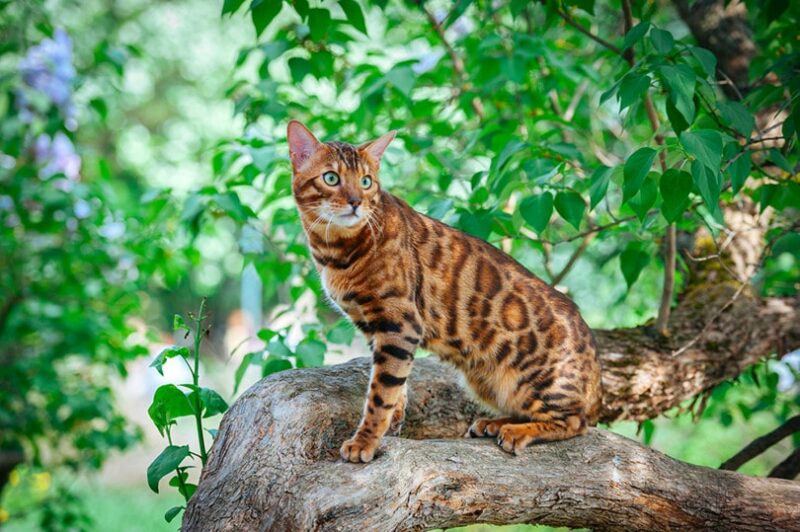
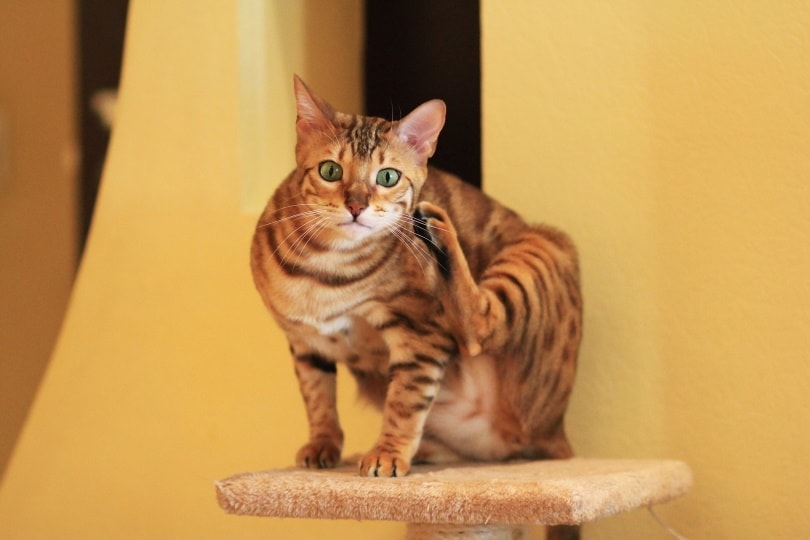
Bengal cats are a beautiful breed that has become increasingly popular. Feline lovers adore these cats for various reasons, and health is luckily one of their strong suits. These bright-eyed, inquisitive cats are stupendous companions. You can expect to spend between 8 and 15 years with your Bengal cat. We’ll discuss the Bengal cat’s lifespan in detail and other things you can expect.

What’s the Average Lifespan of a Bengal Cat?
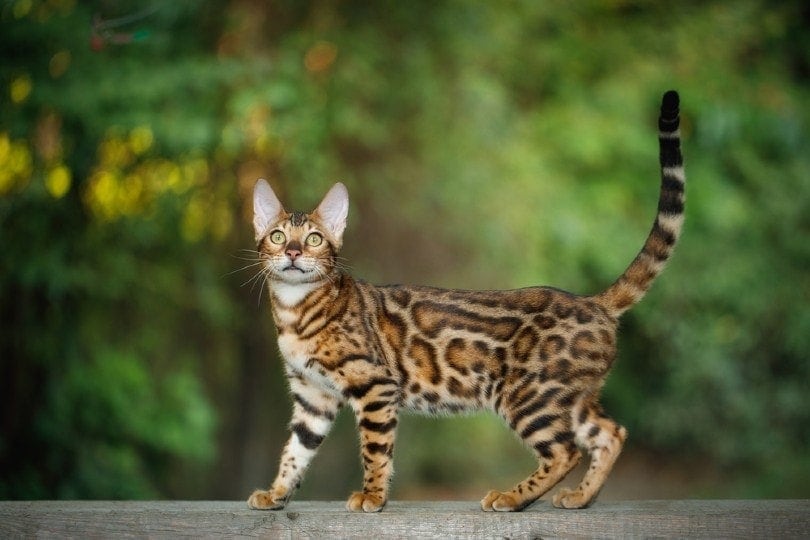
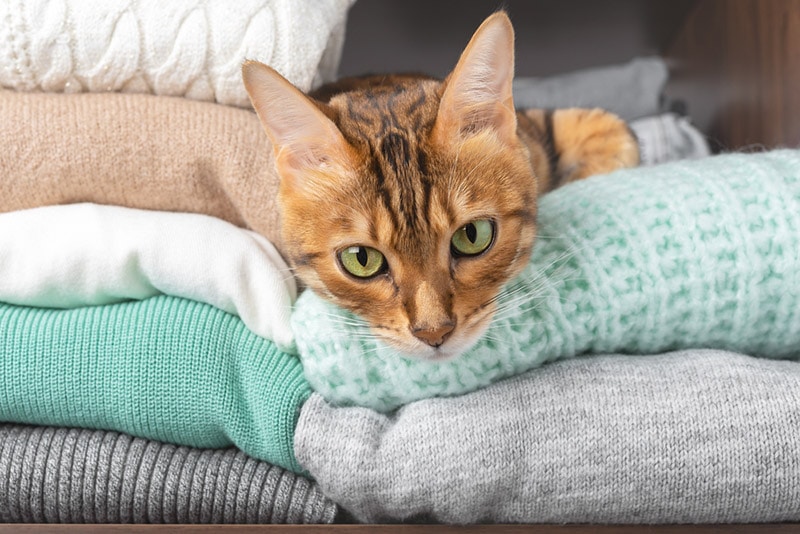
Bengal cats are heavy-bodied, lean muscles cats that are agile and social. The average lifespan of these beautiful cats ranges between 8 and 15 years, which is standard in most domestic housecats.

Why Do Some Bengal Cats Live Longer Than Others?
The lifespan of every individual cat varies based on several factors. Some conditions can be from the environment or lifestyle of a cat, while others are genetic or hereditary.
1. Nutrition
Adequate nutrition is essential, and it’s getting the attention it deserves in recent years. Cats are starting to get on track with their natural dietary habits. If your cat overeats or has a very low-quality diet, it could lead to weight gain. If they eat too little, it could lead to malnourishment and other deficiencies.
Always work with your veterinarian to choose the best diet plan for your cat.
2. Environment and Conditions
Environmental conditions can impact the lifespan of any animal. For instance, if a cat is living out in the elements with no food or shelter, it will have a harder time surviving than a domestic house cat.
Granted, you probably won’t see Bengals in rescue shelters. However, Bengals can experience unethical situations that are less than favorable. Unfavorable environments can cause a decline in health and significantly reduce their lifespan.
3. Living Quarters/Housing
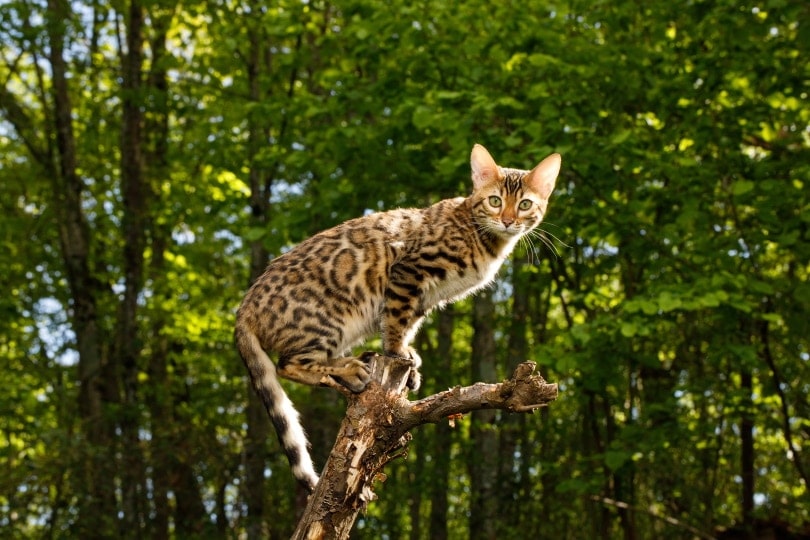
Most cats thrive even in tiny homes or studio apartments. Bengal cats are quite active and need more exercise than most. So, you might find that living in an apartment isn’t suitable for the long haul.
However, Bengals can adapt quickly to virtually any living situation. Just ensure they get enough mental and physical stimulation to stay healthy.
When cats are involved in unethical breeding, an animal’s basic needs are rarely met. They might suffer from a lack of water and food, proper hygiene, and lack of exercise.
If you visit a breeder and see that the conditions are less than sanitary, don’t be afraid to speak out. Animal cruelty is real and can significantly reduce the lifespan of cats involved.
4. Size
As adults, Bengal cats are medium-sized felines that weigh between 8 and 15 pounds.
5. Sex
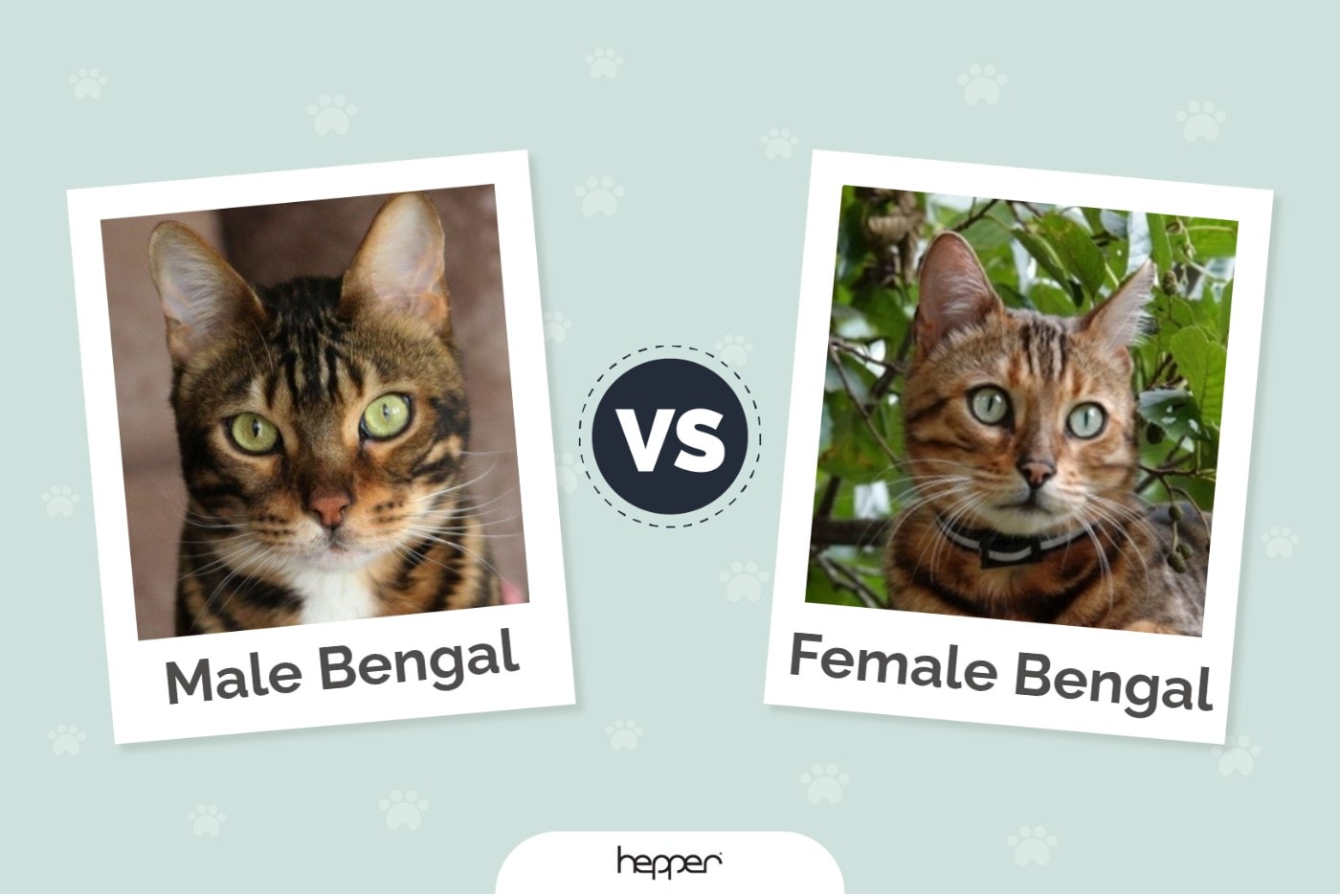
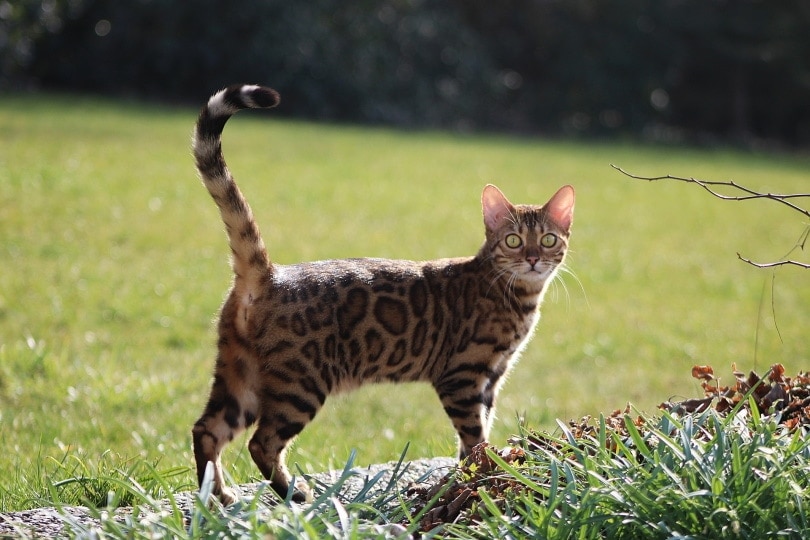
Regarding personality, there’s no notable difference between male and female Bengal cats. However, physically, males are much more substantial than their female counterparts. They are generally heavier bodied with a brighter face and thicker frame.
Females tend to be a little lighter, airy, and dainty. They don’t look as heavy as they feel when you pick them up.
6. Breeding History
The Bengal cat was bred from hybrids of domestic and wild Asian leopard cats by Jean Mill in 1963. Bengals have high prey drives and rigorous exercise demands compared to other breeds.
It took several generations to refine the cat’s temperament, but now, the Bengal is a favorite among cat fanciers because of its breathtaking appearance and inquisitive nature.
7. Healthcare
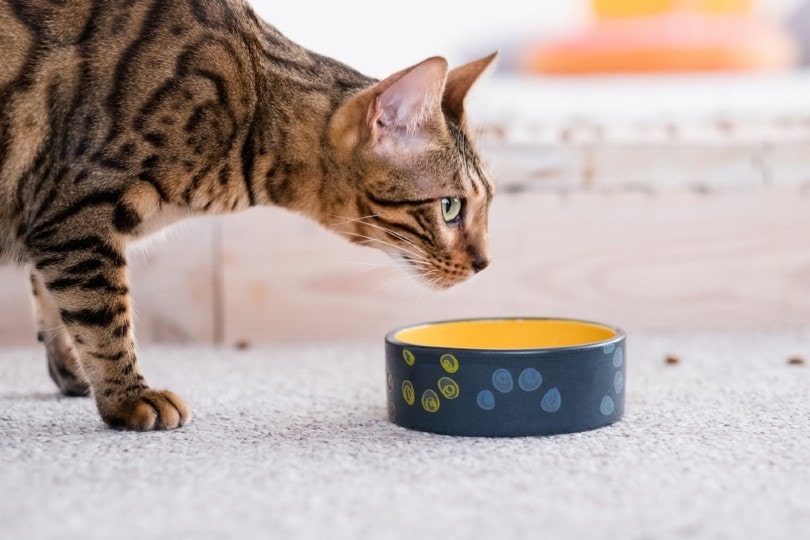
Bengal cats are generally healthy with no known health issues specific to the breed. But that doesn’t mean, of course, that they shouldn’t see the vet. When your bangle is a kitten, it needs to see the vet several times throughout the first year of its life.
You’ll need to catch up on routine vaccinations, anti-parasitic medications, flea treatments, stay or neuter surgery, and microchipping.
After their first year of life, it trims down to once a year unless your Bengal has other health issues that require frequent veterinary care. Also, cats involved in breeding programs are likely to visit the vet much more often.
Lack of health care can significantly reduce the lifespan of a Bengal. Many issues can slip under the radar, and it might be too late by the time they are detected. So always make sure to keep up with regular appointments.

The 3 Life Stages of a Bengal Cat
1. Kitten
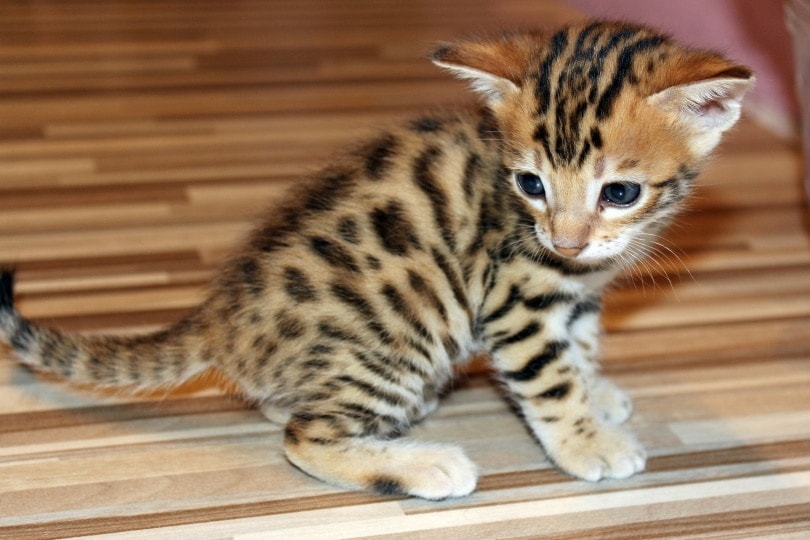
Kittens are arguably one of the cutest baby animals that exist. When you buy or adopt a kitten, they are roughly 8 weeks old and have eaten solids for several weeks to prepare for life on their own.
During their first year of life, they grow substantially—mentally and physically. It’s quite an experience to watch your cat’s personality develop.
It would be best if you always fed your Bengal kitten wholesome kitten chow that fulfills their growing needs. The food should promote healthy muscle structure, mental health, and top-notch immunity.
2. Adult
Adult cats are those that are a year and older. The personality is solidly developed when your Bengal is in its adult years. You might notice them lose a little energy or get lazy after being spayed or neutered. However, some cats transcend that and are active throughout their lifetime.
If you have a particularly active adult cat, having a playmate is always a fantastic idea to get the appropriate amount of exercise they need when their humans aren’t around.
You should feed your adult cat a nutrient-rich protein-heavy cat food specifically designed for adults. These recipes have the proper nutrients to maintain their body structure throughout their crucial years.
3. Senior
Senior cats might still appear healthy to the naked eye, but gradually, the cats will start slowing down. Some owners don’t notice much change at all.
If Bengals develop a health issue, it is very common for it to occur in their senior years. When your pet becomes a senior, it’s best to switch them to food for older cats. A proper diet and promoting adequate exercise are two of the most vital components of living a long life.
How To Tell Your Bengal Cat’s Age
If your bangle isn’t fully grown yet, you can gauge its age by looking at a few notable characteristics. For young cats, the size of their teeth is usually the giveaway, along with other physical factors like size and mobility level.
The most accurate way to guess your Bengal's age if you are unsure is to consult a professional for clarification.
Conclusion
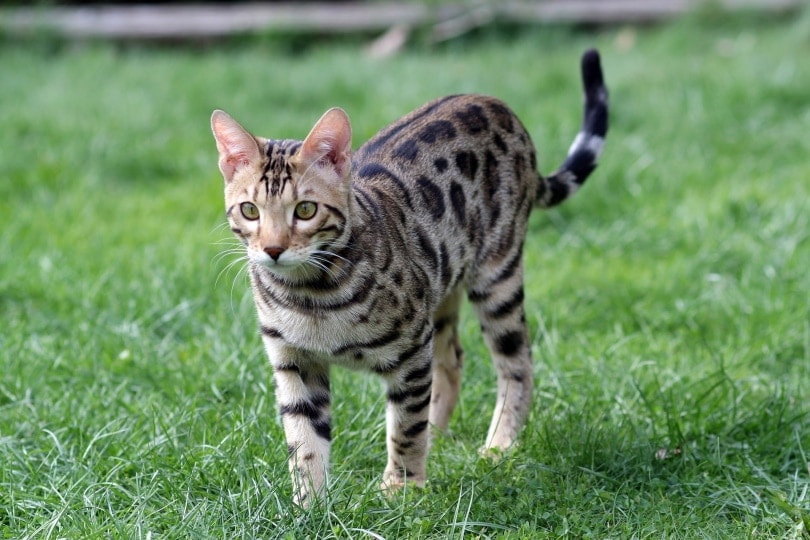
Bengal cats are generally healthy with no known health issues. However, environment and lifestyle can influence your cat’s health, so make sure they get plenty of exercise and eat a wholesome diet. As always, ensure your Bengal visits the veterinarian at least once a year.
Sources
Featured Image Credit By: Irina_kukuts, Pixabay
Get Hepper In Your Inbox


Pet care tips from our vets and experts, straight to your inbox.
You may opt-out at any time. View our Privacy Policy for more information.

Nicole is a lover of animals of all sizes but is especially fascinated with the feline variety. She’s the proud mom of Baby, a Burmese, and works every day so he can relax in the sunshine or by the fire. She’s always had a cat in her home and has spent countless days with others, observing behaviors and softening up even the grouchiest of the lot. Nicole wants to share her kitty expertise with you so you and your cat can live happy, healthy, and care-free.
Join the conversation
Ask a question, share your story, or send private feedback.