Hepper is reader-supported. When you buy via links on our site, we may earn an affiliate commission at no cost to you. Learn more.
Britannia Petite Rabbit: Facts, Care, Diet, Pictures & More
In this article
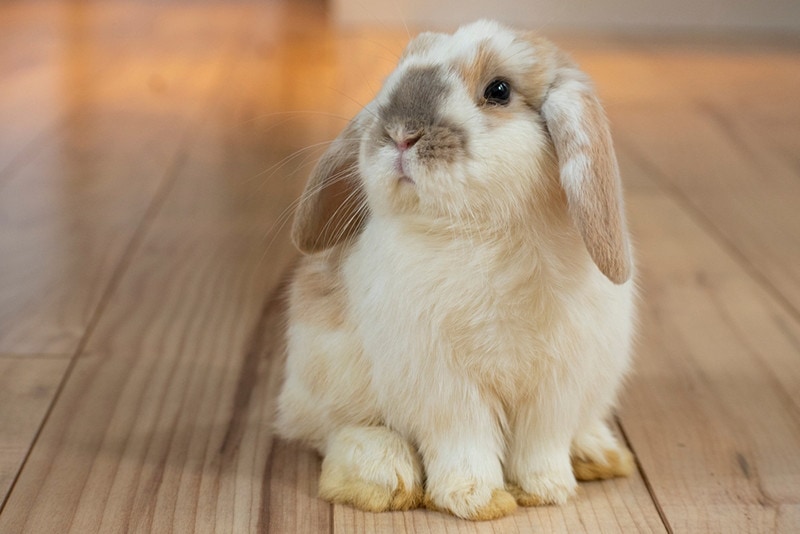
The Britannia Petite, better known as Polish in Britain, is popular for its showy side and fuzzy characteristics. It has an elegant, upright pose thanks to its fully arched body. While it is one of the smallest rabbit breeds worldwide, it has a big personality and is best known for being active, energetic, and fun!
Read on for in-depth details about its traits, care needs, health, lifespan, and more.
Breed Overview
| Breed Size: | Dwarf to small |
| Weight: | 2 to 2.5 pounds |
| Lifespan: | 6 to 10 years |
| Colors: | White, black, black otter, reddish-brown, sable |
| Suitable for: | Experienced pet owners who can provide plenty of attention and affection |
| Temperament: | Extremely lively and energetic, curious, intelligent, sensitive, and sweet |
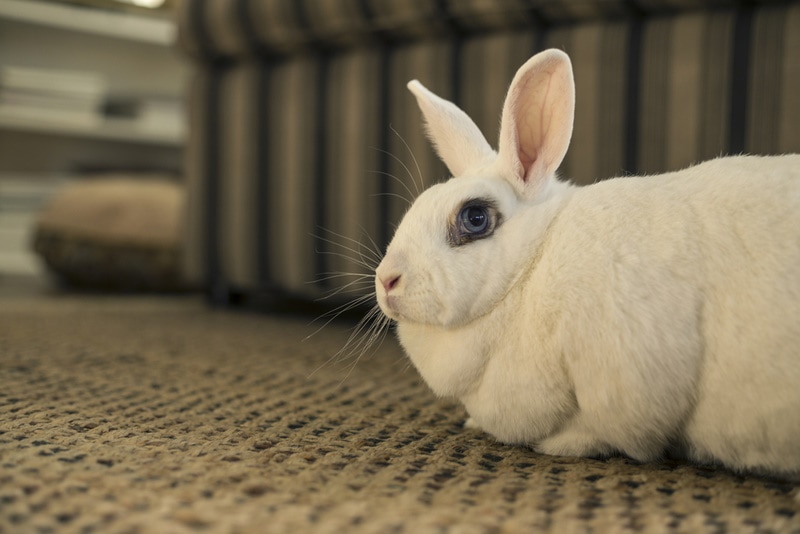
The Britannia Petite is a dwarf to small-sized rabbit breed that weighs a maximum of 2.5 pounds. It has a full-arch body that looks like a quadrant of a circle when viewed from the side. This arch also allows this showy rabbit breed to sit on its forefeet and pose elegantly.
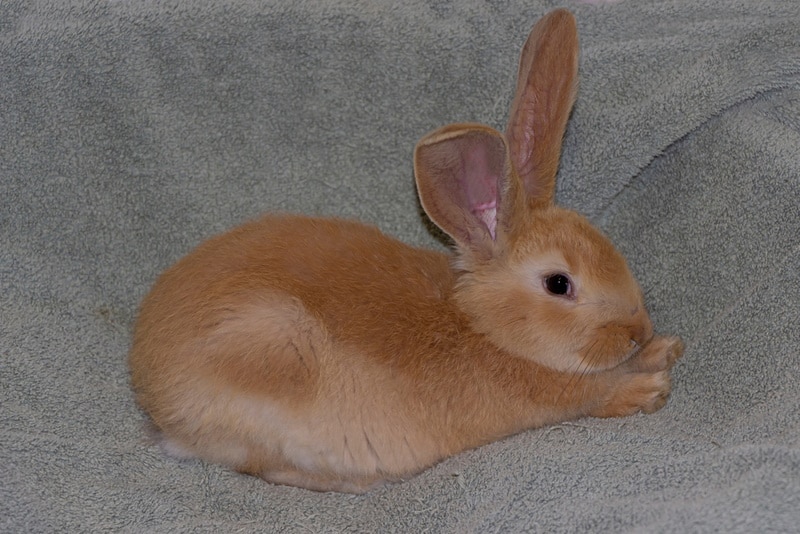
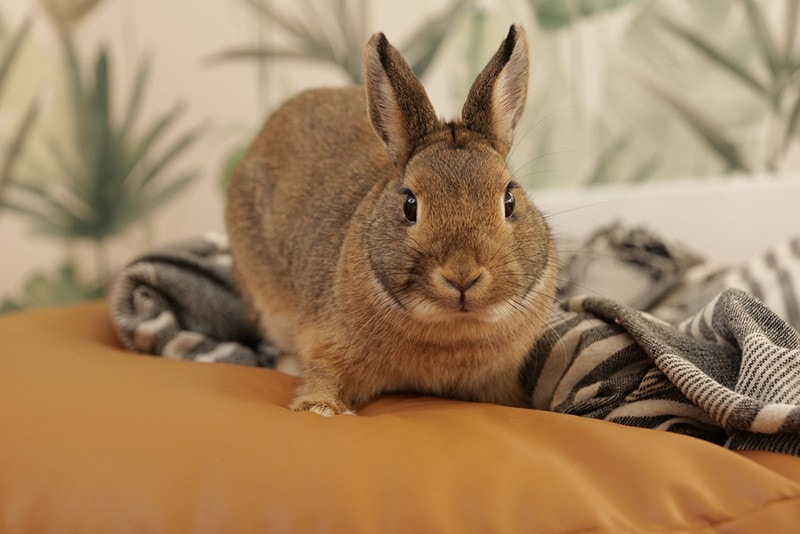
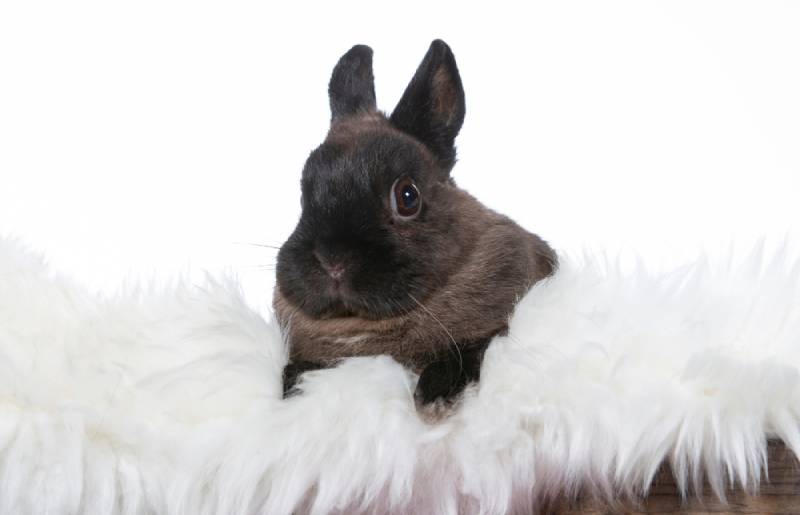
Other distinct features include large, expressive eyes that protrude slightly from the sockets, a wedge-shaped head, and short, pointed ears. The breed also has a short, soft coat that can be white, black, black otter, reddish-brown (chestnut), or sable (dark brown).
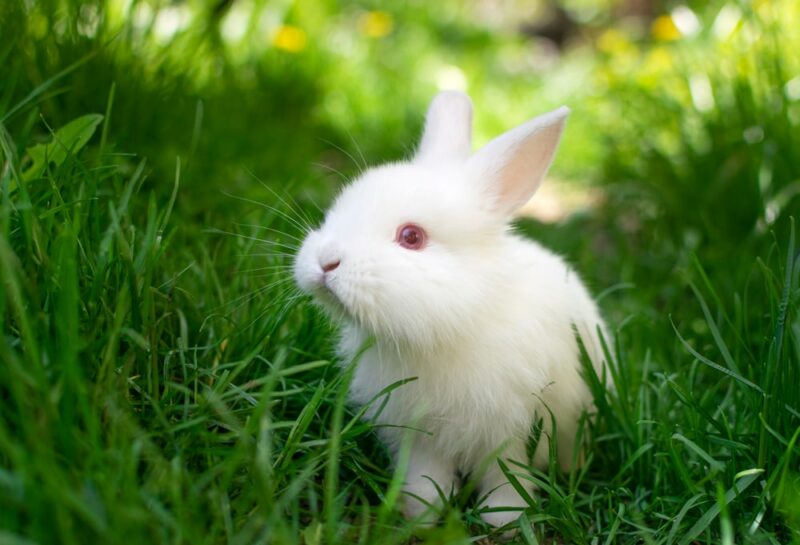
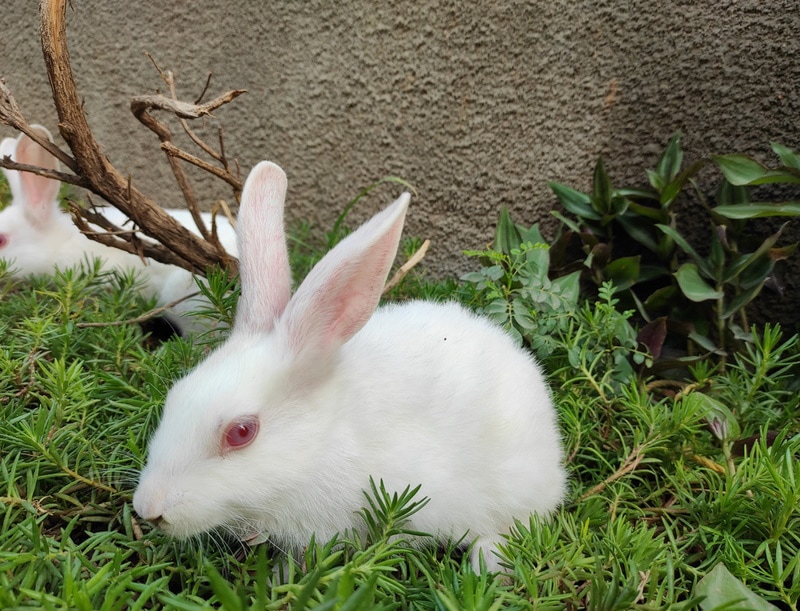
The Britannia Petites are native to the United Kingdom and were introduced to the United States in 1912. The original breed recognized by the ARBA in 1977 was the "true albino", which features red eyes and a pure white coat.
Today, the association also recognizes blue-eyed whites and red-eyed rabbits with white coats with hints of other colors.
Britannia Petite Breed Characteristics

How Much Do These Rabbits Cost?
Since the Britannia Petite is not rare or uncommon, you could find one for around $10–$15. However, if you find one at that cost, it will most likely even be from a backyard breeder. If you are interested in owning a premium Britannia Petite, reputable breeders will charge closer to $50. Show-quality rabbits will be closer to $200.
Temperament & Intelligence of the Britannia Petite Rabbit
The Britannia Petite is intelligent and responds well to repetitive and consistent training.
Under a diligent handler, it can learn to do numerous poses, especially within a familiar environment. Unfortunately, this breed is also high-strung and could resolve to hug the table when showcased in front of new faces.
Training the Britannia Petite to pose beautifully during shows can be intimidating. Still, it is worth a shot because the bunny is one of the easiest to train. It has a fun and curious temperament, ensuring you enjoy light moments between frustrating training sessions.
With patience and plenty of rewards, you can potty train your pet and even teach it to jump over obstacles. The bunny can also master how to respond to basic commands like sit and stay.
Although dwarf in size, Britannia Petite rabbits are a spirited and feisty breed. They are not the cuddly type and are less likely to curl up with you on the couch. You will need to provide adequate space where the bunny can run around and release pent-up energy.
Do These Rabbits Make Good Pets? 👪
Britannia Petites make excellent family pets, especially in homes with calm youngsters. They are not ideal for homes with small kids who can't keep their hands off. The breed is known to get vicious and bite, especially if anxious or uncomfortable.
Still, Britannia Petites quickly warm up to their handler(s). Once they identify you as their "person," they are less likely to show aggressive tendencies. Although they will still not cuddle with you, they will be more responsive to commands and even pose for pictures on demand.
Does This Breed Get Along With Other Pets?
Britannia Petites are mildly shy around new faces and pets. However, they tend to be more confident when well-socialized. A well-socialized bunny will get along with other pets and not mind their presence even within the same playpen.
Generally, it is never a good idea to leave your rabbit pet with other "predator" pets like cats and dogs. Although they may get along like a big, happy family, only allow supervised interactions.
Sometimes, the hunting instinct of even a well-trained dog can get the best of it. Britannia Petites are tiny and love hopping around, which can also encourage your cat to stalk and pounce on them. Only allow free interactions between the rabbit and rodent pets like hamsters and guinea pigs.
Things to Know When Owning a Britannia Petite Rabbit
Britannia Petite rabbits make fantastic pets. However, they are not "easy" to raise and have specific housing, handling, and feeding needs. Moreover, they depend mainly on their owners for mentally and physically stimulating activities.
Here are a few things you should know before bringing your rabbit pet home.
Food & Diet Requirements 🥕
Your pet needs a well-balanced diet comprising a good portion of top-quality hay. Hay is vital for good digestive health and helps control the overgrowth of the front teeth. Experts recommend providing unlimited access to hay and fresh water.
You should also provide treats like fresh vegetables, leafy greens, and fruits to ensure proper all-rounded nutrition. While the pet needs about 70% hay in its diet, the remaining 30% should comprise foods like carrots, apples, peaches, broccoli, cucumbers, and fennel.
Exercise 🐇
Britannia Petite rabbits are an active breed that requires plenty of physical stimulation to release pent-up energy. With proper exercise, the bunnies remain easygoing and less likely to act out in frustration. Ensure you provide plenty of space for your pet to stand up, run around and sleep.
The food bowls must also be a reasonable distance from the litter box.
Your pet needs at least four hours of free runs daily, split into two sessions. Exercise time offers a wonderful bonding opportunity where you can play and teach new tricks. Because the Britannia Petite is an active breed, keeping it locked in a cage for extended hours is outright cruel.
It is important to do your exercise sessions outside the cage, within a bunny-proofed environment. Aim to stimulate your pet physically and mentally, and remember to provide as many socialization opportunities as possible.
Some of the best play items include chew toys for rabbits, scratcher/climbing trees, and bunny tunnels or hideouts.
Training 🥎
Britannia Petites have a stubborn streak that can make training a nightmare. Still, they are intelligent and easy to bribe using positive reinforcement training methods. If need be, you can seek the help of a professional handler to help you train your pet.
Apart from teaching your rabbit how to pose, you can also train it to run agility courses, jump or spin on cue. Britannia Petites can also be potty trained and taught to walk on a leash!
The secret to getting the best out of training is to be patient and consistent with your instructions.
Grooming ✂️
The Britannia Petites have short, soft coats that do not require much grooming.
Usually, brushing the coats once every two weeks with a slicker brush is enough to remove loose hairs and prevent them from becoming bunchy. However, even rabbits shed more during the shedding season in spring and fall, where they need coat grooming at least twice weekly.
Generally, your pet doesn't require special grooming, apart from the regular inspections for pests and health concerns. You don't need to bathe it, and nail trimming is only necessary after every two months or so.
Moreover, rabbits don't need teeth brushing. They can keep their dental clean and healthy by chewing grass, hay, cardboard, woody plants, or seagrass. Chewing also helps wear down the teeth naturally to avoid an overgrown dental.
Health and Conditions 🏥
Like most purebred rabbits, Britannia Petites are generally healthy. Desexed kittens that are up to date with their vaccinations don't need much veterinary care, although it is wise not to skip annual wellness checkups.
Most rabbits live healthy lives free of health issues. Although this breed is not susceptible to any specific health concern, some bunnies suffer from the following minor and major problems.
Minor Conditions
- Overgrown Teeth: Rabbits’ teeth are open-rooted, and Britannia Petites are not an exception. Their teeth grow continuously throughout life, which explains a rabbit's need to chew. A proper diet should consist of at least 70% hay. This ensures your pet has enough stuff to gnaw on to wear down its teeth naturally. Overgrown teeth cause immense pain and can even prevent proper feeding. You'll need to visit a vet to have them filed down and get appropriate dietary directives.
Serious Conditions
- Flystrike: Flystrike, also known as Myiasis, is a serious health concern caused by flies. It is triggered by unsanitary conditions or health concerns that may prevent your pet from proper self-grooming. For instance, poor diet choices can cause diarrhea. In return, the ailment will make your pet too weak to self-groom. It may also not reach and clean all the filth stuck on its fur. Consequently, flies land on dirty fur and lay eggs. Often, they target areas with wounds, wet fur, or a dirty hind area. Flies quickly lay eggs and hatch tiny maggots that drill the rabbit's skin. The situation can quickly get out of hand, and it is best to seek veterinary help immediately. If untreated, flystrike can be life-threatening.
- Obesity: Obesity is also a common problem faced by Britannia Petite rabbits, especially those that don't receive the recommended hours of exercise. Keeping your pet caged for too long or in an area where it cannot run around increases its risk of adding unhealthy pounds. Generally, an obese pet cannot function normally because of its body fat percentage and overall size. If the weight problem is ignored, it can have numerous adverse effects, including increasing the likelihood of osteoarthritis, heart disease, hepatic lipidosis, and sticky-bottom syndrome.
Male vs Female
Like most pets, there are no significant differences in the temperaments of desexed male and female Britannia Petites. However, intact pets can have significant dissimilarities that can make one gender more suitable for your lifestyle.
Male Britannia Petite
Male Britannia Petites are more laid back than their female counterparts. Although curious and highly energetic, they become less destructive after neutering. The procedure is less expensive than spaying and can significantly affect your initial budget for setting up your pet.
Britannia Petites reach sexual maturity at three to six months of age. An unneutered male will begin showing hormonally-driven behavioral problems like spraying urine around to mark its territory. It may also mount objects and honk to signify that it wants to mate.
It is common for males to portray aggressive tendencies, especially as young adults. They become more protective of the available females and can fight other males to show dominance. Fortunately, neutered males have little or no dominance issues.
Female Britannia Petite
Female Britannia Petites are more territorial and prone to biting or scratching if you enter their space uninvited. They portray dominance even over other males in their cage by mounting on them. Although spaying is more expensive, it can help reduce your doe's chances of displaying destructive behavior.
If you intend to keep your pet intact, beware that it will be prone to digging in an attempt to escape and search for potential mates. This can be highly destructive, mainly because the pet needs a cage with a solid base.
Moreover, it can display false pregnancy symptoms and start nest building with its fur or fibers from your carpets.
One positive trait of female Britannia Petite rabbits is that they mature faster. They reach both physical and mental maturity sooner than their male counterparts. This also makes teaching them new tricks at a young age easier.
Which Britannia Petite Gender Is Right for You?
Britannia Petites are happier living in pairs, and it makes sense to adopt pets from either gender. If you only want to adopt one, you must consider your lifestyle and preferences before deciding.
Generally, males are more easygoing and less likely to nip your child if handled roughly. If neutered, you don't have to worry about them spraying your home with urine or displaying aggressive traits, especially towards other male rabbits.
On the other hand, females are easier to train and are a better option if you want a show-quality bunny.
3 Little-Known Facts About Britannia Petite Rabbits
Although Britannia Petites are tiny, they have big personalities that can steal the show during any bunny pageant. Show-quality rabbits can cost as much as $200, while their pet-quality counterparts cost anywhere between $50 and $100.
Here are three more little-known facts about Britannia Petite rabbits.
1. They Are Fondly Dubbed “The Elite of the Fancy”
Britannia Petites are among the showiest breeds in the bunny kingdom. They can pose like true models and sit up on their forefeet. Their upright stance, refined bone structure, and large, expressive eyes give them a posh and elegant appearance. Their bodies are uniquely built to ensure they can enjoy a successful showbiz career!
2. In Britain, They Are Known as Polish Rabbits
The rabbit breed recognized by Americans as the Britannia Petite is known as the Polish Rabbit Breed in Britain. When it was introduced to the United States, there was already a breed called "Polish" that didn't exist in Britain.
Therefore, Americans changed the name of the new rabbit to Britannia Petite to ensure a clear distinction between it and the Polish.
3. They Are Dwarf Sized Rabbits but Not Dwarfs
The Britannia Petites are dwarf-sized rabbits developed in Britain in the mid-19th century.
Although they are generally referred to as a dwarf breed, they don't carry the dwarf gene. They merely have miniature features, but their limbs are relatively proportionate to the overall size of their body.

Final Thoughts
Britannia Petite rabbits make wonderful indoor pets. With proper training, socialization, and lots of environmental enrichment, they maintain an easygoing demeanor and can even warm up to frequent cuddling sessions with their handlers.
This breed's playful, energetic, and inquisitive nature makes it ideal only for experienced pet parents. It has more handling needs than regular bunnies and could easily overwhelm a newbie. For instance, the lack of sufficient stimulation can make the pet chew on cage contents.
On the other hand, an experienced handler can bring out the best of this showy and Instaworthy rabbit breed.
Sources
Featured Image Credit to: Jne Valokuvaus, Shutterstock
Get Hepper In Your Inbox


Pet care tips from our vets and experts, straight to your inbox.
You may opt-out at any time. View our Privacy Policy for more information.

Nicole is a lover of animals of all sizes but is especially fascinated with the feline variety. She’s the proud mom of Baby, a Burmese, and works every day so he can relax in the sunshine or by the fire. She’s always had a cat in her home and has spent countless days with others, observing behaviors and softening up even the grouchiest of the lot. Nicole wants to share her kitty expertise with you so you and your cat can live happy, healthy, and care-free.
Join the conversation
Ask a question, share your story, or send private feedback.