Hepper is reader-supported. When you buy via links on our site, we may earn an affiliate commission at no cost to you. Learn more.
Brown Pomeranian: Facts, Origin & History (With Pictures)
In this article
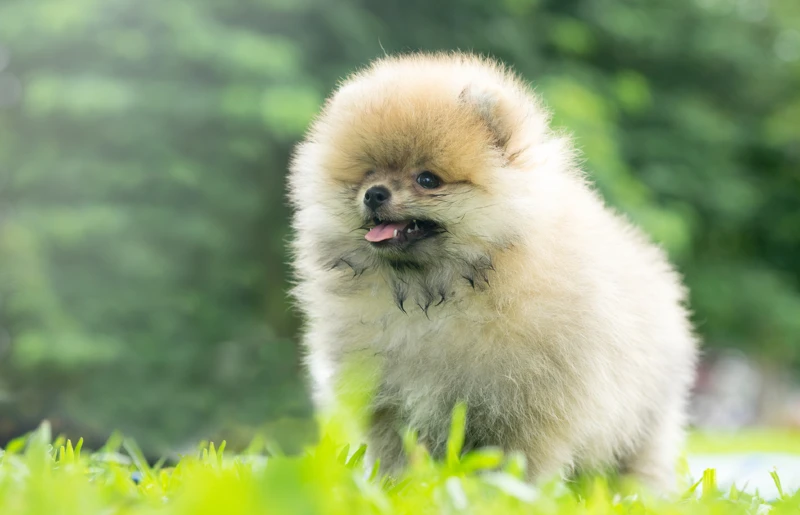
When you look at a Pomeranian, you probably don’t think about its rich and interesting history, but the Pomeranian has just that. They come from Nordic sled dogs, have traveled throughout Europe, and have changed quite a bit through the years.
It’s an interesting past, which is why we came up with this guide to break down everything you need to know about this unique breed.

The Earliest Records of the Brown Pomeranian in History
To truly understand the history of a Pomeranian you need to go way back. Head back a few hundred years and go to Northern Iceland and you’ll find an early Spitz, a sled dog that weighs about 50 pounds.
It’s from this beautiful and large sled dog that the Pomeranian descends. A few hundred years ago, these dogs made it to Europe, and Europeans started to size these dogs down a bit to about 30 to 40 pounds.
From there, Queen Victoria of England acquired several small Pomeranians in 1888, and since she was a beloved monarch, many people wanted to imitate her. Because of this, people started breeding smaller Pomeranians, and today, you can find them between 3 and 7 pounds!
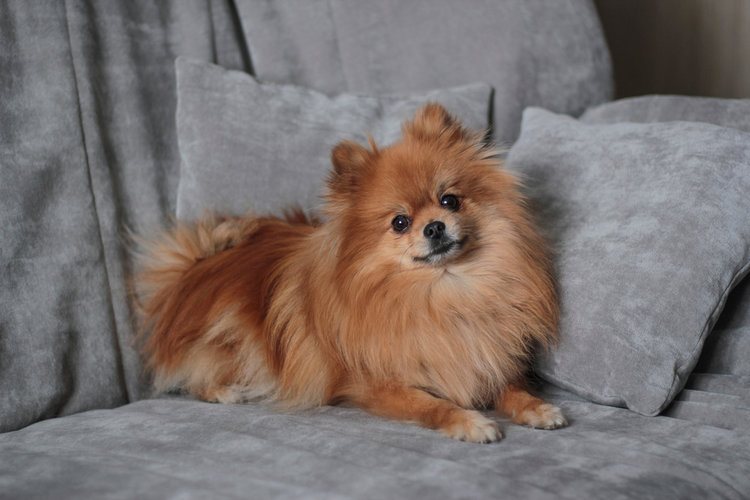
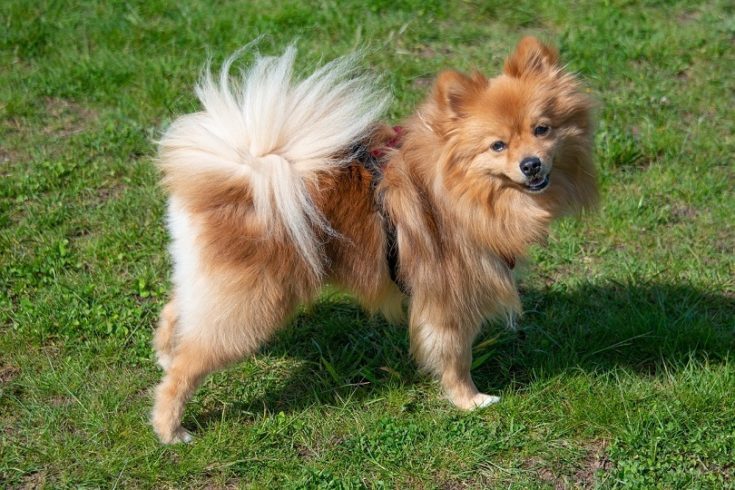
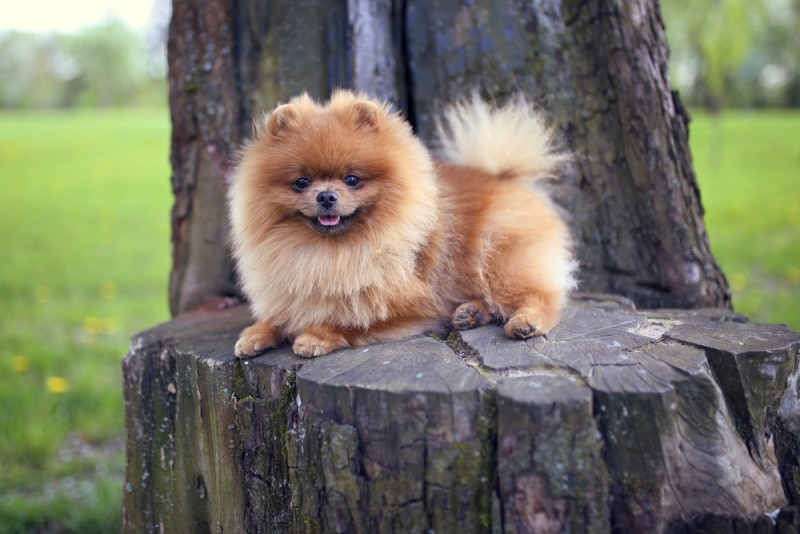
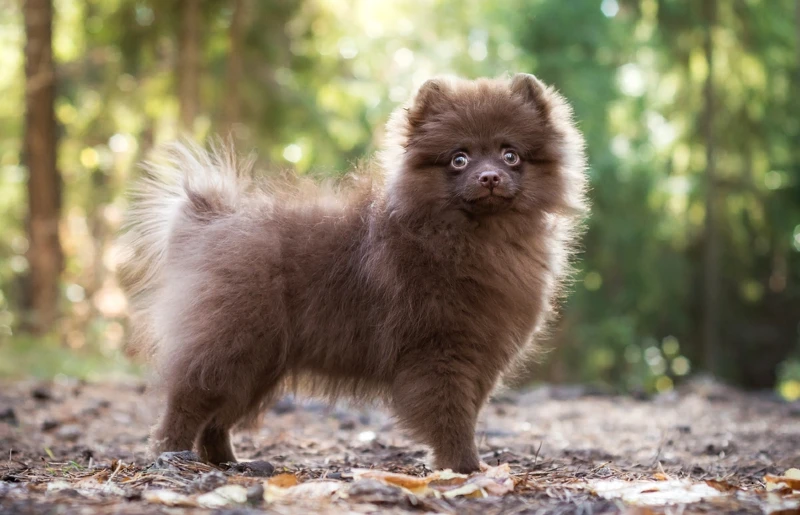
Regardless of what era you look at the Pomeranian from, brown is one of the standard and original colors.
How the Brown Pomeranian Gained Popularity
No matter what era you look at, people have loved the Pomeranian. Whether it’s for its loyal and loving demeanor, cute appearance, or their large personality, the Pomeranian has had no problem warming the hearts of people for hundreds of years.
However, while the Pomeranian was a larger dog breed for most of its existence, once Queen Victoria of England fell in love with several smaller Pomeranians, people throughout England and Europe looked to emulate her with smaller Pomeranians.
Still, they were popular before then, and they’ve remained popular for over 100 years since then!
Formal Recognition of the Brown Pomeranian
Few dogs have received official recognition as early as the Pomeranian. For example, the American Kennel Club (AKC) was formed in 1884, and by 1900, they had already recognized and set breeding standards for the Pomeranian.
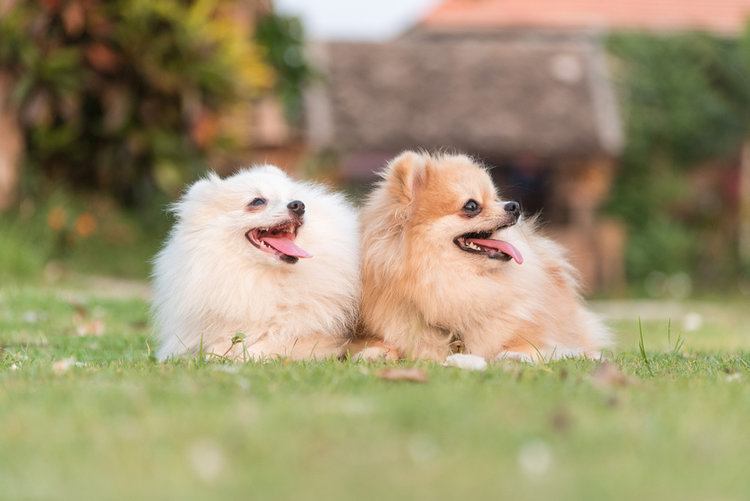
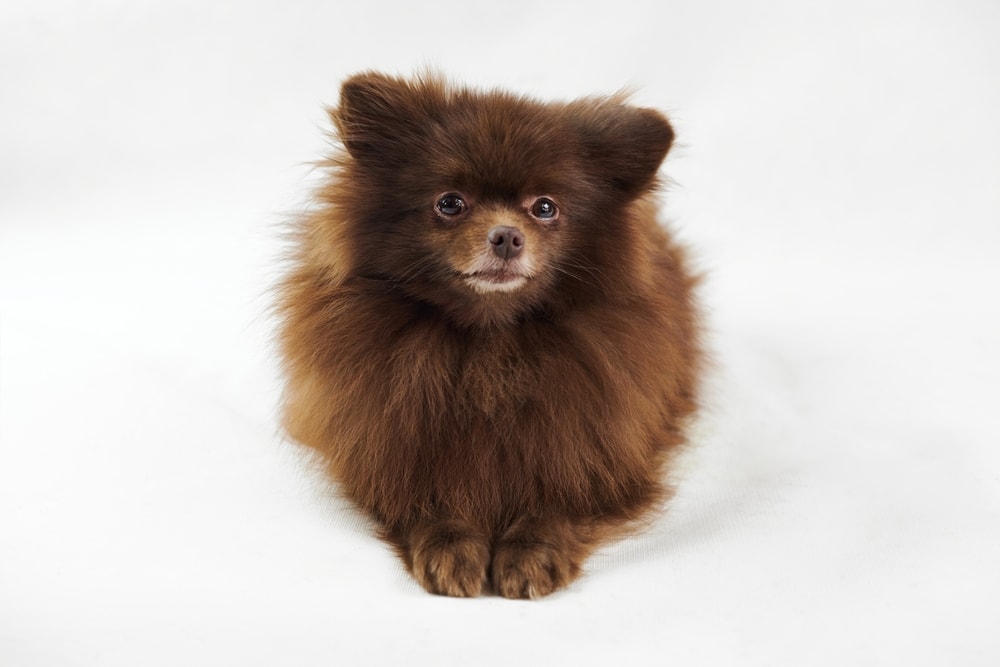
They’ve remained a well-recognized breed with set standards throughout the world, and the brown Pomeranian is an originally recognized color variation. Other recognized colors for the Pomeranian include white, black, and parti-colored.
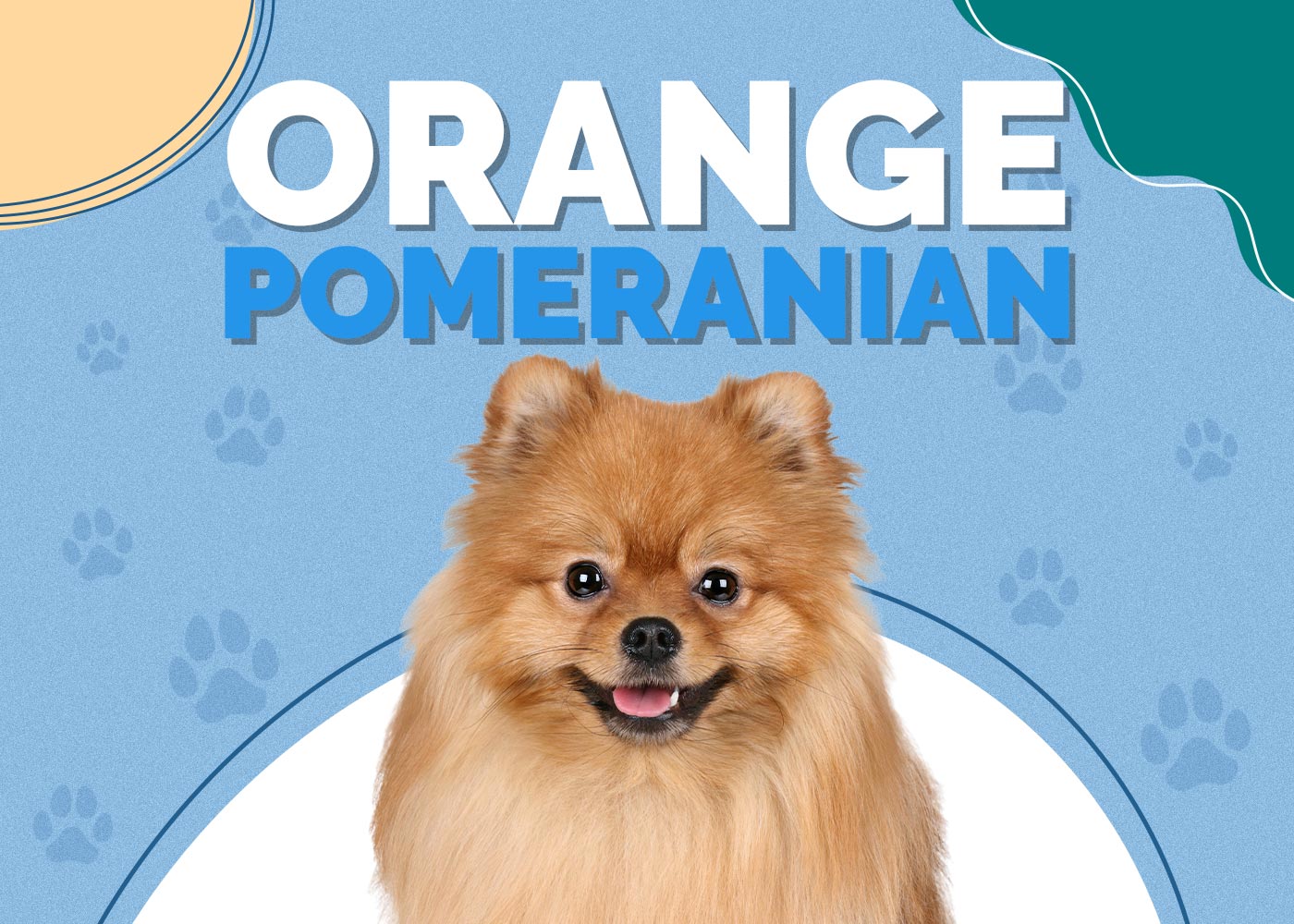
Early standards accepted red and orange color variations too, but those color variations were extremely rare early on.

Top 5 Unique Facts About the Brown Pomeranian
The Pomeranian has a very rich and unique history, making it relatively easy to find plenty of unique facts to pick from. We’ve selected five of our favorites for you here:
1. The Pomeranian Comes From Icelandic Sled Dogs
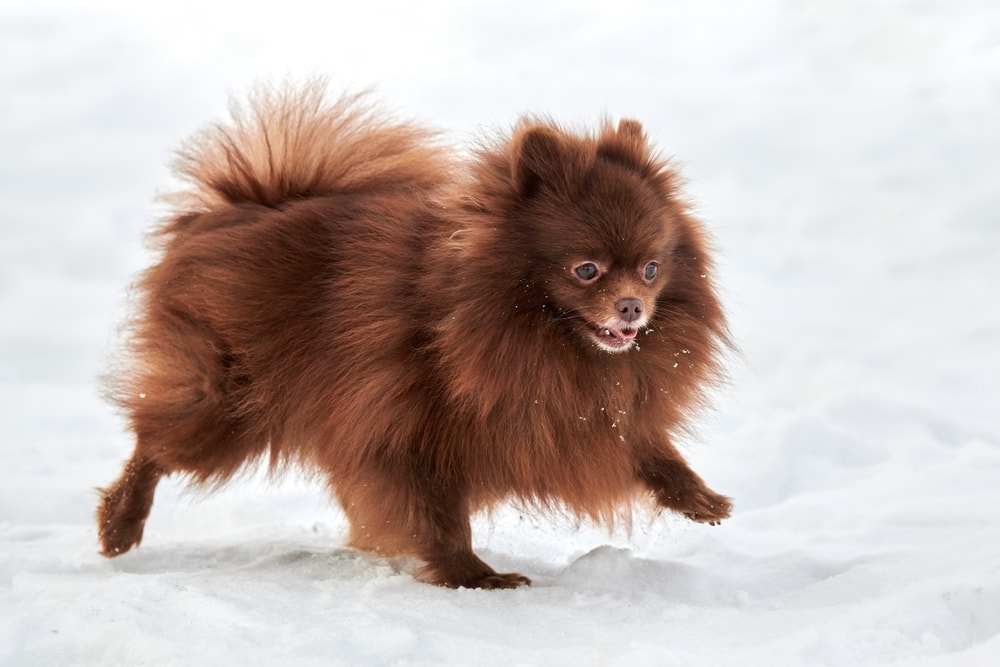
When you look at a Pomeranian, you probably don’t think “sled dog,” but that’s exactly where they get their genetic roots. Take another look at the Pomeranian, and you’ll start to see some signature traits, including their thick double coat.
2. Martin Luther and Mozart Had Pomeranians
Plenty of famous people have had a Pomeranian, and this trend follows pretty far back in history. Martin Luther formed the Protestant Church and owned a Pomeranian named Belferlein, and Mozart owned a Pomeranian named Pimperl.
3. Two Pomeranians Survived the Titanic
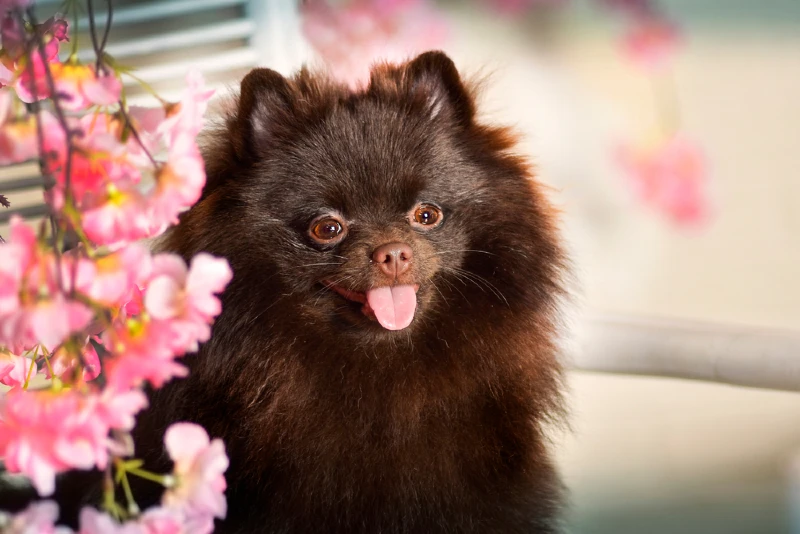
The sinking of the Titanic was a tragic event, but three dogs survived. Two of those dogs were Pomeranians, in large part because their small size ensured a spot for them on the lifeboat and didn’t mean they were taking a spot from another passenger.
4. Queen Victoria of England Is Why Pomeranians Are So Small Today
The Pomeranian was about 30 to 40 pounds on average until Queen Victoria took a liking to the dogs at a smaller size. People quickly tried to emulate the beloved monarch, and smaller Pomeranians started to crop up throughout the country and the rest of Europe.
5. Germans Called the Pomeranian a German Spitz Until 1974
While the rest of the world moved to call the breed a Pomeranian quite some time ago, it took people in Germany a bit longer to adopt the name. Up until 1974, the official name for the Pomeranian in Germany was the German Spitz.

Does a Brown Pomeranian Make a Good Pet?
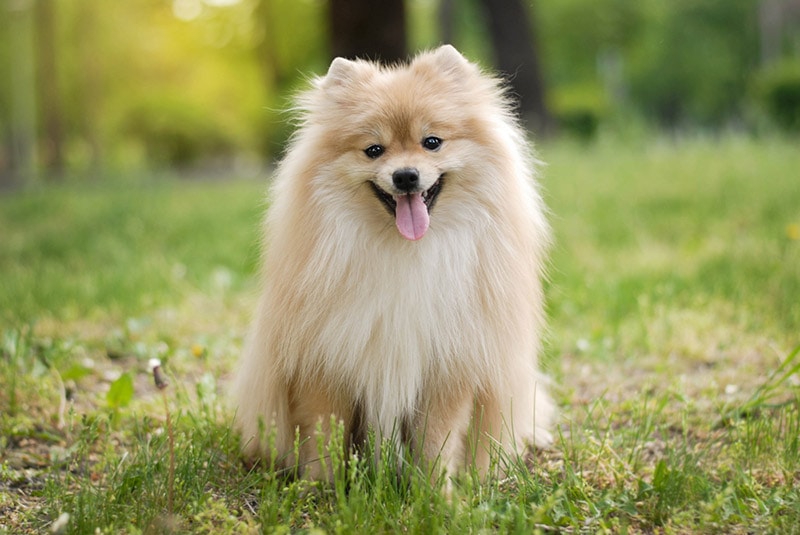
The Pomeranian can make an outstanding pet. Not only are Pomeranians extremely loving and loyal, but they are also a bit territorial and think they are bigger than they are. This means if someone comes snooping around your property, they’ll certainly let you know what’s going on.
They make great lap dogs, but they also have the necessary energy levels to keep up with as many games of fetch as you’d like. Just know they can be a bit stubborn at times, so consistency and training are crucial if you want a well-behaved pup.

Conclusion
The brown Pomeranian is an extremely unique and interesting breed with a surprising history, and now that you know a little more about it, perhaps you can have a little better understanding the next time you spot a Pomeranian.
While they might not look like much of a sled dog now, features like their thick double coat are a stark reminder of the lineage these pups came from!
Related Breeds:
Featured Image Credit By: Lena_Sokolova, Shutterstock
Get Hepper In Your Inbox


Pet care tips from our vets and experts, straight to your inbox.
You may opt-out at any time. View our Privacy Policy for more information.

Nicole is a lover of animals of all sizes but is especially fascinated with the feline variety. She’s the proud mom of Baby, a Burmese, and works every day so he can relax in the sunshine or by the fire. She’s always had a cat in her home and has spent countless days with others, observing behaviors and softening up even the grouchiest of the lot. Nicole wants to share her kitty expertise with you so you and your cat can live happy, healthy, and care-free.
Join the conversation
Ask a question, share your story, or send private feedback.