Hepper is reader-supported. When you buy via links on our site, we may earn an affiliate commission at no cost to you. Learn more.
Can Cats Eat Sushi? Vet-Reviewed Nutrition & Safety Guide


With so many cat food brands including fish in the recipe and their familiar depiction of cats eating fish, you may assume that your cat would love a taste of your indulgent sushi.
But can cats eat sushi? No, cats shouldn’t eat sushi. Human-grade sushi is generally safe for people, but it’s likely to cause digestive upset in cats. There are also other risks to giving your cat sushi or raw fish. Read on to learn about why sushi should not be given to cats.

Why Cats Shouldn't Eat Sushi
Sushi is a traditional Japanese dish with prepared vinegared rice and other ingredients, including vegetables, avocado, and raw seafood like salmon or tuna. The varieties of sushi can vary widely and may include octopus, eel, crab, seaweed, wasabi, and soy sauce.
Raw Fish
There are a lot of ingredients that can cause problems for cats, but let’s start with raw fish.
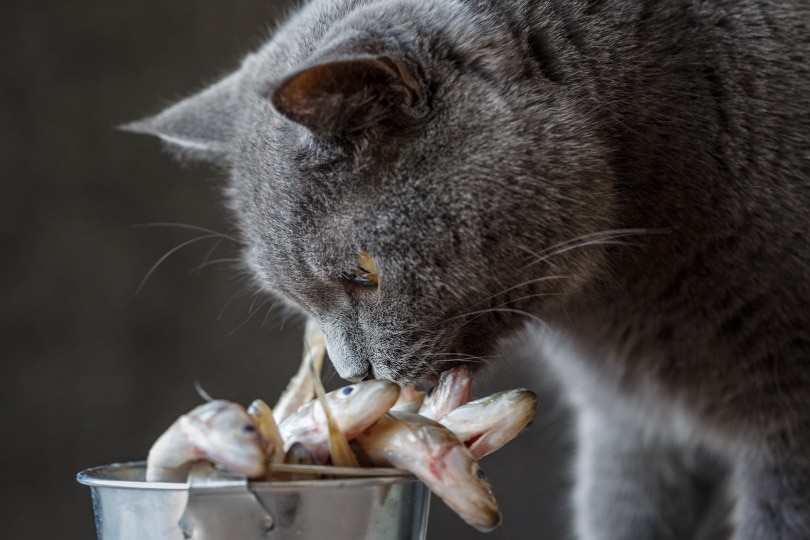
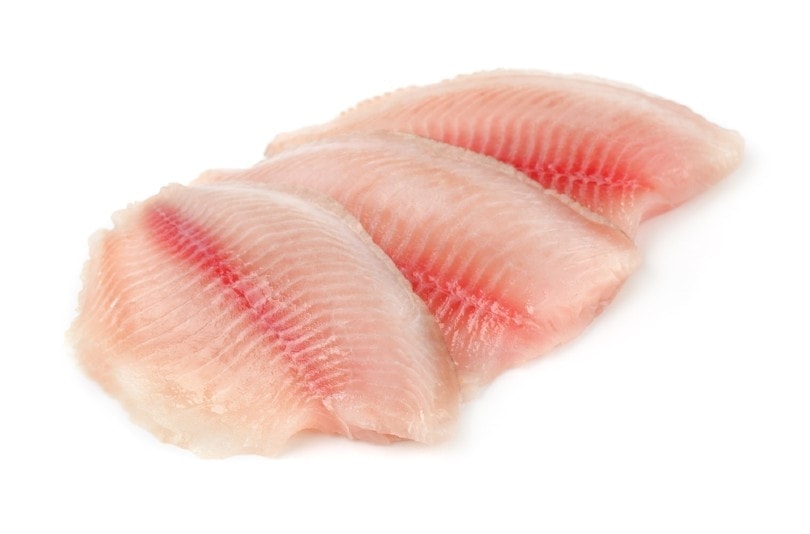
Though cats are obligate carnivores and may enjoy fish, fish should always be cooked. Raw fish may contain parasites or bacteria that can cause infections like E. coli or Salmonella. The other big risk for cats is that raw fish contains thiaminase, an enzyme that destroys thiamine, an essential B vitamin for cats. Over time, a thiamine deficiency can cause neurological problems and convulsions or a coma.
Soy Sauce
Next is the soy sauce, which contains an excess of sodium. Even if you don’t use the soy sauce dip, it’s often included in the ingredients in sushi and difficult to avoid. Excess sodium intake can cause hypernatremia in cats, which can lead to increased thirst, confusion, coma, and seizures.
Other Ingredients
Sushi may also have toxic ingredients, such as vegetables or spices from the allium family, like onions or garlic. These plants have compounds called disulfides and thiosulphates, which can lead to hemolytic anemia, a condition that damages the red blood cells.
These are just a few concerns with sushi. Overall, any human food that has a collection of ingredients, some of which you may not know, is not a good choice for a cat or dog.
Can Cats Eat Fish?
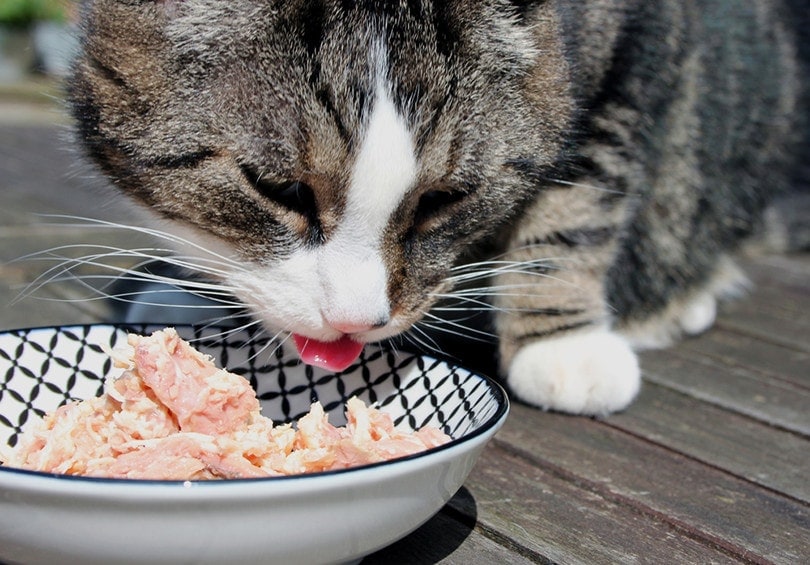
Despite the concerns surrounding sushi and raw fish, cats can eat fish. Cats are obligate carnivores, meaning they need animal protein to survive. Provided proper precautions are taken, fish can be a healthy addition to your cat’s diet.
Fish also contain omega fatty acids, an essential fatty acid that cats need for optimal health. These fatty acids can’t be manufactured by the body, so they need to be gained through dietary sources. Fish oil is a source for both omega-3 and omega-6 fatty acids, but they’re also found in wild-caught fish, like salmon, anchovies, and sardines, in cold-water regions with low heavy metals.
Omega-3 fatty acids are beneficial for blood vessel and airway health, maintaining good circulation, reducing blood clotting, and lowering inflammation. Omega-6 fatty acids do the opposite, constricting blood vessels and airways, reducing circulation, and increasing blood clotting. Together, these fatty acids work to maintain balance and respond to injuries and infections.
If you want to give fish to your cat as a snack or a meal topper, stick to the types of fish commonly found in cat food, such as tuna, salmon, and whitefish. Fish should always be plain and fully cooked, either by steaming, boiling, or baking. Avoid using oils and seasonings to prepare fish since that can cause digestive upset in your cat.
Here are some concerns with feeding cats fish:
Remember that fish is fine in small portions as a rare treat but shouldn’t be part of the cat’s regular diet. If your cat likes fish, choose a cat food with fish ingredients, or treats and meal toppers that contain fish.
Now that you know what you can safely feed your cat, it’s just as important to find a bowl that supports their health and well-being. With whisker-friendly bowls and a wide tray to catch any spills, our Hepper NomNom Cat Bowl is our favorite option.

- NO MESS - The 360° tray on this cat food and water bowl set has a raised design to catch and contain stray crumbs and drips. Protect your indoors and floors from wet and messy meals!
- WHISKER FRIENDLY - Shallow and wide metal containers with flat bottoms ensure your kitty can enjoy mealtime free from whisker fatigue!
- CHEW-SAFE MATERIALS - Kittens and cats love chewing on silicone and soft rubber - but it's a choking hazard. Our cat feeding station materials are anti-chew for a 100% safe feeding frenzy!
Key Takeaways
Cats may enjoy fish and benefit from its omega-3 and omega-6 fatty acids and protein, but sushi is not a safe option for adding fish to your cat’s diet. Cats should never eat raw fish. Sushi may contain other unhealthy ingredients like soy sauce and toxic plants like garlic or onions. If you want to feed fish to your cat, choose cat food formulas with fish and seafood ingredients or add small portions of plain, well-prepared fish to your cat’s meals on occasion.
Related Reads:
Featured Image Credit: DrawsAndCooks, Pixabay
Get Hepper In Your Inbox


Pet care tips from our vets and experts, straight to your inbox.
You may opt-out at any time. View our Privacy Policy for more information.
Nicole is a lover of animals of all sizes but is especially fascinated with the feline variety. She’s the proud mom of Baby, a Burmese, and works every day so he can relax in the sunshine or by the fire. She’s always had a cat in her home and has spent countless days with others, observing behaviors and softening up even the grouchiest of the lot. Nicole wants to share her kitty expertise with you so you and your cat can live happy, healthy, and care-free.
Join the conversation
Ask a question, share your story, or send private feedback.