Hepper is reader-supported. When you buy via links on our site, we may earn an affiliate commission at no cost to you. Learn more.
Can Cats Eat Seaweed? Vet-Reviewed Nutrition Facts & FAQ


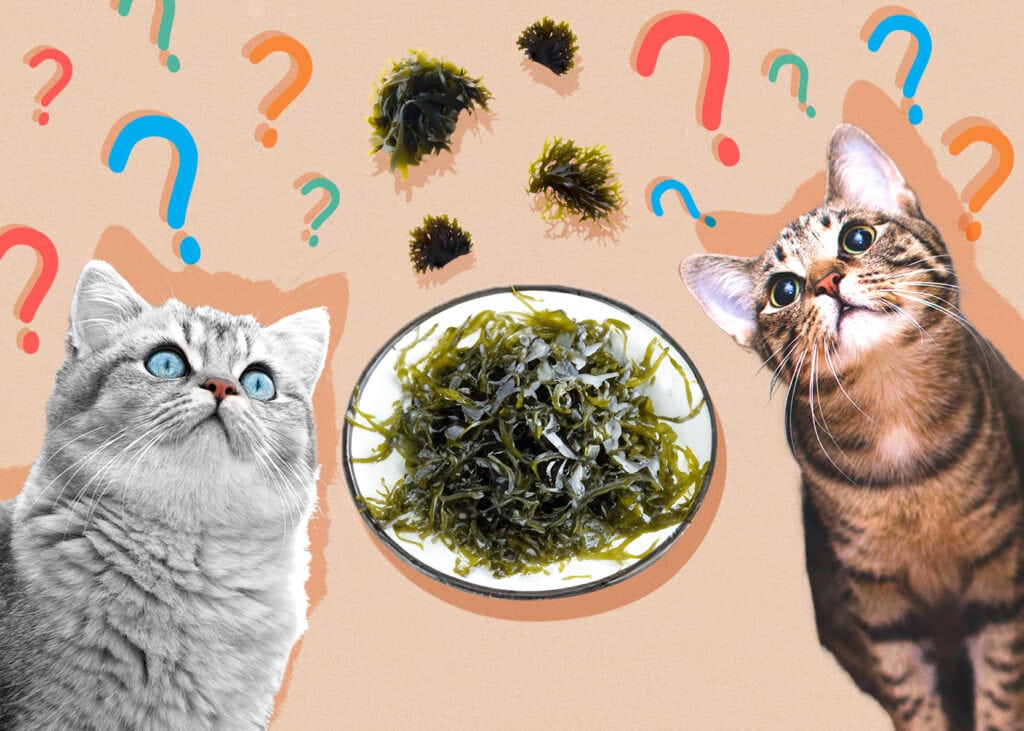
Seaweed is a densely packed superfood for humans that is, based on the type and ways of its preparation, generally considered safe for most cats. However, seaweed should always be offered according to veterinary advice and in moderation, while cats suffering from certain health issues may need to stay away from seaweed.
There is very limited scientific info on the potential benefits and possible adverse effects of feeding seaweed to cats. Seaweed also contains a variable amount of iodine that can be harmful to cats if offered on a regular basis or in inadequate amounts. Some types of seaweed have caused serious illness and even death in people, and these should never be offered to cats.
It’s crucial to always consult with a veterinarian before letting your cat eat any seaweed. Although you don’t have to worry if your cat takes a bite of your sushi when you aren’t looking, it’s

Can Cats Eat Seaweed?
Technically speaking, many cats can eat certain types of seaweed in moderation and infrequently. Most seaweed does not contain any outright dangerous or harmful ingredients to cats. In fact, many of the ingredients within seaweed may even be beneficial for their health and well-being, although there aren’t many studies at the moment looking into their use in felines.
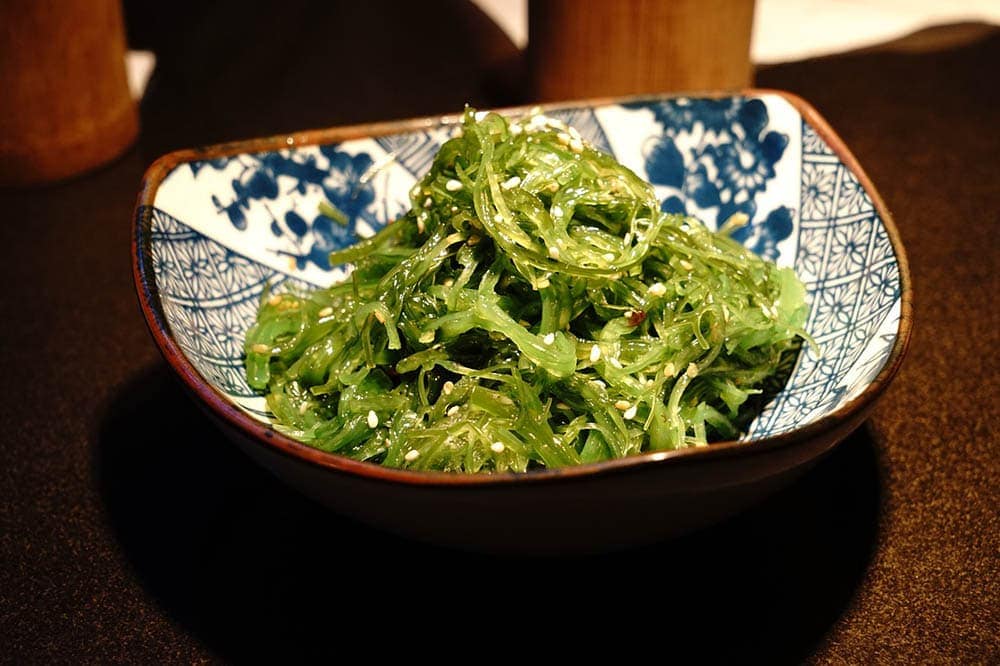
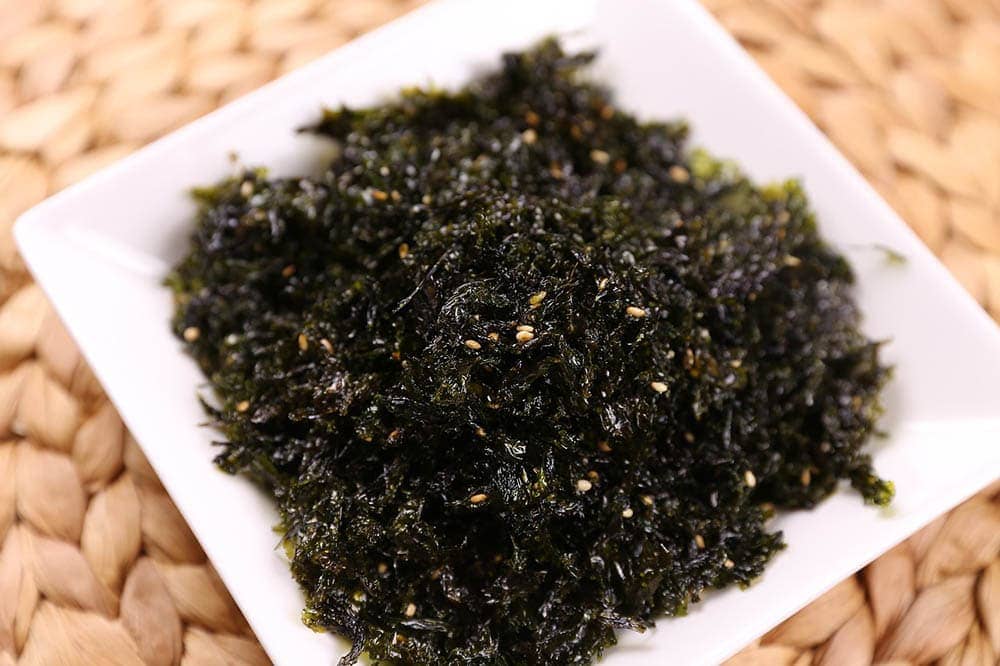
The types of seaweed that have caused serious health issues and even death in people, are the ones belonging to Gracilaria, Acanthophora, and Caulerpa species, and should be avoided in felines at any cost.1 Seaweed considered safe for humans and widely consumed, are Porphyra (nori), Laminaria (kombu), and Undaria (wakame).
Seaweed may also contain various additives that could be harmful to cats, such as large amounts of salt, spices, or wasabi.
Should Cats Eat Seaweed?
Can cats eat seaweed and should cats eat seaweed are two separate questions. Unfortunately, the latter is much more difficult to answer. Because seaweed does contain some great ingredients that may be beneficial for your cat’s health, feeding seaweed to your cat in moderation can be considered, after consulting with your veterinarian.
For example, seaweed has nutrients and bioactive compounds that may improve your cat’s gut health and reduce free radical damage. This means that a little bit of seaweed may have several potential advantages for felines, but we are still waiting for scientific research that can confirm this in cats.
Cats are obligate carnivores, meaning they need animal protein in order to survive and thrive, while plant material is not naturally a significant part of their diet. This means that although your cat may safely eat a little bit of seaweed now and then, they don’t actually need it as long as they are fed a complete and balanced diet.
Seaweed can also be harmful if fed excessively or inappropriately. Cats are sensitive to high amounts of iodine, and there is quite a bit of it in seaweed, which can impact their thyroid function. High levels of iodine in the diet can promote the development of hyperthyroidism in susceptible cats.
However, due to seaweed supplements for cats being a fairly new trend, there are no studies to draw conclusions from at this stage. This may be because the amount of iodine in the supplements is low enough not to cause such issues, but it’s still something that requires careful consideration. Some cats may also develop a stomach upset if they eat too much seaweed at once, due to their fiber content.
A type of seaweed or brown algae that is becoming quite popular in the pet oral health supplements is Ascophyllum nodosum, which contains many biologically active ingredients, such as micro-elements and vitamins. This seaweed has been assessed according to requirements provided by the Veterinary Oral Health Council, establishing its preventative role in maintaining dental health alongside regular brushing. However, the studies performed on cats using seaweed for this purpose as an additive are limited and with no clear benefits at this stage.
How To Feed Seaweed to Your Cat
Because seaweed has both potential benefits and drawbacks, it’s important to speak to a veterinarian before you offer seaweed to your cat. As veterinary supplements are not FDA regulated, meaning they may contain ingredients that are not listed or are present in variable amounts, your veterinarian can recommend reputable products and provide dosage recommendations if they find your cat could benefit from them. Viewing seaweed as the occasional treat may be the best way to think about it.
Additionally, ensure that the seaweed you’re feeding to your cat is human-grade, but without additional salt, flavorings, or spices. Instead, select plain seaweed that is designed for human consumption.
Lastly, be sure to only use seaweed as a supplement to your cat’s diet based on your vet’s recommendations. Your cat’s diet should be primarily made from animal protein and cat food. Seaweed should not be used as a way to make up for any nutritional deficits, but only as an additional bonus to their already complete and balanced diet.
Now that you know what you can safely feed your cat, it’s just as important to find a bowl that supports their health and well-being. With whisker-friendly bowls and a wide tray to catch any spills, our Hepper NomNom Cat Bowl is our favorite option.

- NO MESS - The 360° tray on this cat food and water bowl set has a raised design to catch and contain stray crumbs and drips. Protect your indoors and floors from wet and messy meals!
- WHISKER FRIENDLY - Shallow and wide metal containers with flat bottoms ensure your kitty can enjoy mealtime free from whisker fatigue!
- CHEW-SAFE MATERIALS - Kittens and cats love chewing on silicone and soft rubber - but it's a choking hazard. Our cat feeding station materials are anti-chew for a 100% safe feeding frenzy!
Final Thoughts
At the end of the day, most cats can eat seaweed if given the green light by their veterinarian. Seaweed in small doses may actually be beneficial to your cat, but seaweed in large doses can lead to certain side effects, one of them being excess of iodine impacting the thyroid function.
Allowing your cat to eat a little bit of seaweed on occasion is unlikely to cause them any harm, and may prove beneficial, for their gut, general, and dental health, but currently, there are limited studies into the safety and efficacy of seaweed supplements for cats.
Before giving your cat any supplements, consult with your veterinarian, who can recommend a verified product and the correct dosage. Cats suffering from hyperthyroidism or those with a high risk of developing this condition should stay away from seaweed.
Sources
Featured Image Credit: kar0329, Pixabay
Get Hepper In Your Inbox


Pet care tips from our vets and experts, straight to your inbox.
You may opt-out at any time. View our Privacy Policy for more information.
Nicole is a lover of animals of all sizes but is especially fascinated with the feline variety. She’s the proud mom of Baby, a Burmese, and works every day so he can relax in the sunshine or by the fire. She’s always had a cat in her home and has spent countless days with others, observing behaviors and softening up even the grouchiest of the lot. Nicole wants to share her kitty expertise with you so you and your cat can live happy, healthy, and care-free.
Join the conversation
Ask a question, share your story, or send private feedback.