Hepper is reader-supported. When you buy via links on our site, we may earn an affiliate commission at no cost to you. Learn more.
Can Dogs Eat Pasta? Vet-Approved Nutrition Facts & Safety Guide


In this article
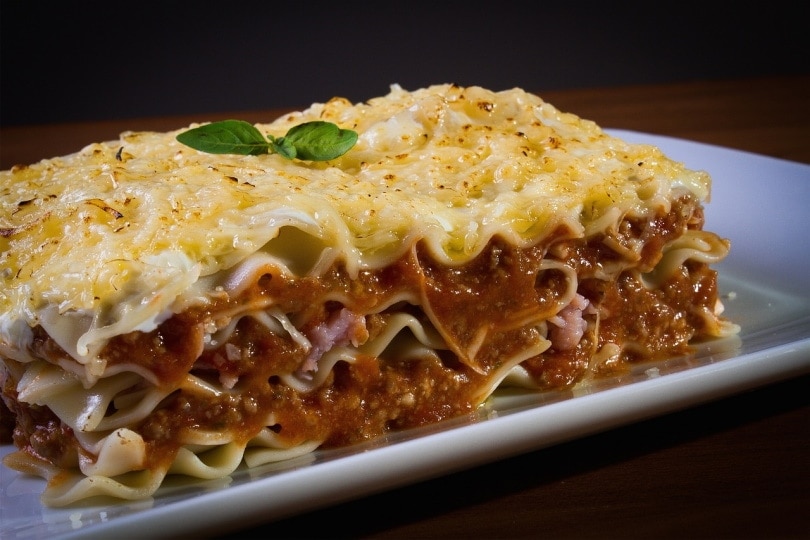
We all love pasta. The deliciously cooked noodles, topped with flavorful sauces and mouthwatering ingredients—it's a dish that can easily bring joy to many!
With the availability of pasta in a variety of cuisines around the world, many dog parents wonder if their furry friends can also indulge in this delicious food. Can dogs eat pasta? Fortunately, yes! Dogs can eat pasta provided that it is well-cooked, plain, and unseasoned.1
In this article, we explore the different considerations that come with feeding your dogs pasta, as well as how to feed them to your furry friend properly and safely!

Is Pasta Healthy For Dogs?
While yes, dogs can eat pasta, there are a few considerations. Pasta itself is not toxic to dogs, so it's generally safe for them to consume. Before feeding any human food to your dog, there are some important factors to keep in mind before you dish out a plateful for your furry companion.
Pasta itself is not inherently unhealthy for dogs, but it is also not a necessary part of their diet. Although dogs are primarily omnivores, they still have different nutritional requirements compared to humans.
While dogs do need carbohydrates as an energy source, their carb requirement is much different from that of humans. Pasta is mainly a source of carbohydrates which can lead to weight gain, digestive issues, and potential nutrient deficiencies in dogs if fed excessively.
Should You Feed Pasta To Your Dog?
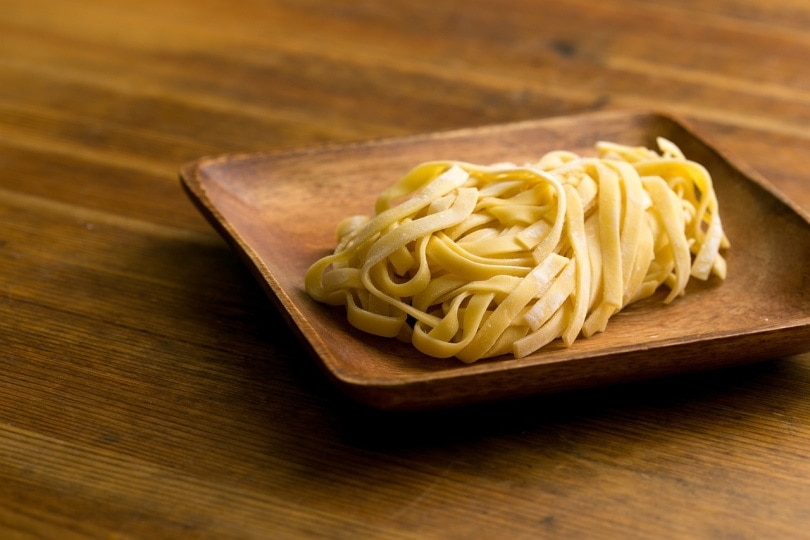
Feeding pasta to your dog should be done in moderation. It can be an occasional treat or part of a balanced meal but avoid including this in their main diet to prevent any unwanted weight gain and other potential issues.
Remember, pasta is a human food that is not part of a dog’s typical diet. As a responsible dog parent, it's important to ensure that your dog's nutritional needs are met primarily through a well-balanced, species-appropriate diet. Be sure to consult with your veterinarian for proper dietary recommendations.
Nutritional Content of Pasta
Pasta does have contents that can be useful for dogs. It is primarily composed of carbohydrates with minimal amounts of protein and fat. It contains essential minerals like iron and some B vitamins.
However, it lacks other vital nutrients that dogs require, such as omega-3 fatty acids and certain vitamins. If you decide to feed your dog pasta, it's crucial to supplement their diet with other nutrient-rich foods to maintain their overall health and well-being.
Are There Any Benefits of Feeding Your Dog Pasta?
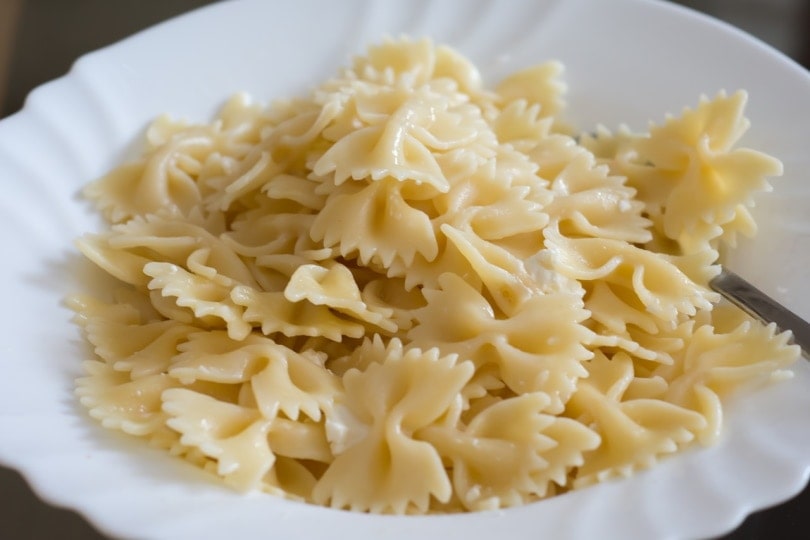
While pasta might not be a nutritional powerhouse for dogs, it can still offer a few benefits when consumed in moderation. As a carbohydrate-packed food, it can provide a quick energy boost which can be helpful for active dogs or those engaging in vigorous physical activities.
Additionally, the plain nature of cooked pasta can be soothing for dogs with upset stomachs or those recovering from digestive issues.
I Want to Feed My Dog Pasta, How Can I Do It Properly?
Portion control is essential when feeding pasta to your dog. Remember, it should only be a small part of their overall diet.
The amount you give will depend on your dog's size, age, and activity level. As a general guideline, a small portion, around half a cup, can be given to medium-sized dogs. For larger breeds, they may be allowed a bit more.
Always ensure the pasta is cooked thoroughly, without added seasonings, sauces, or potentially toxic ingredients like onions or garlic.

Are There Any Risks of Eating Pasta for Your Dog?
While pasta itself is generally safe for dogs, there are some risks associated with feeding it. One significant risk is allergies, particularly to wheat.
Wheat is a common ingredient in pasta, and some dogs may have an allergic reaction to it. Wheat allergy signs can include itching, skin rashes, gastrointestinal issues, and even respiratory distress. If you suspect your dog has a wheat allergy, it's crucial to consult your veterinarian for proper diagnosis and guidance.
In addition, the excess consumption of pasta or any other carbohydrate-rich food can lead to weight gain and obesity. Obesity, if left unchecked, can put your dog at risk of other potential health complications.
Signs of Allergies to Look Out For
If you do decide to feed pasta to your dog, it's essential to monitor them for any signs of allergies or adverse reactions.
Common signs of food allergies in dogs include:
Excessive itching
Skin irritation
Ear infections
Digestive upset such as vomiting, constipation, or diarrhea
Changes in appetite
Difficulty breathing
If you notice any of these signs after feeding your dog pasta, immediately stop feeding pasta or any wheat-based foods and put them out of reach of your dog. It's also important to seek veterinary advice for proper management.
What Should I Do if My Dog Is Having an Allergic Reaction?
If your dog shows signs of an allergic reaction, such as difficulty breathing, facial swelling, or severe vomiting and diarrhea, it's crucial to seek immediate veterinary care. These signs can be indicative of a severe allergic response, which requires prompt medical attention.
Can Dogs Eat Raw Pasta?
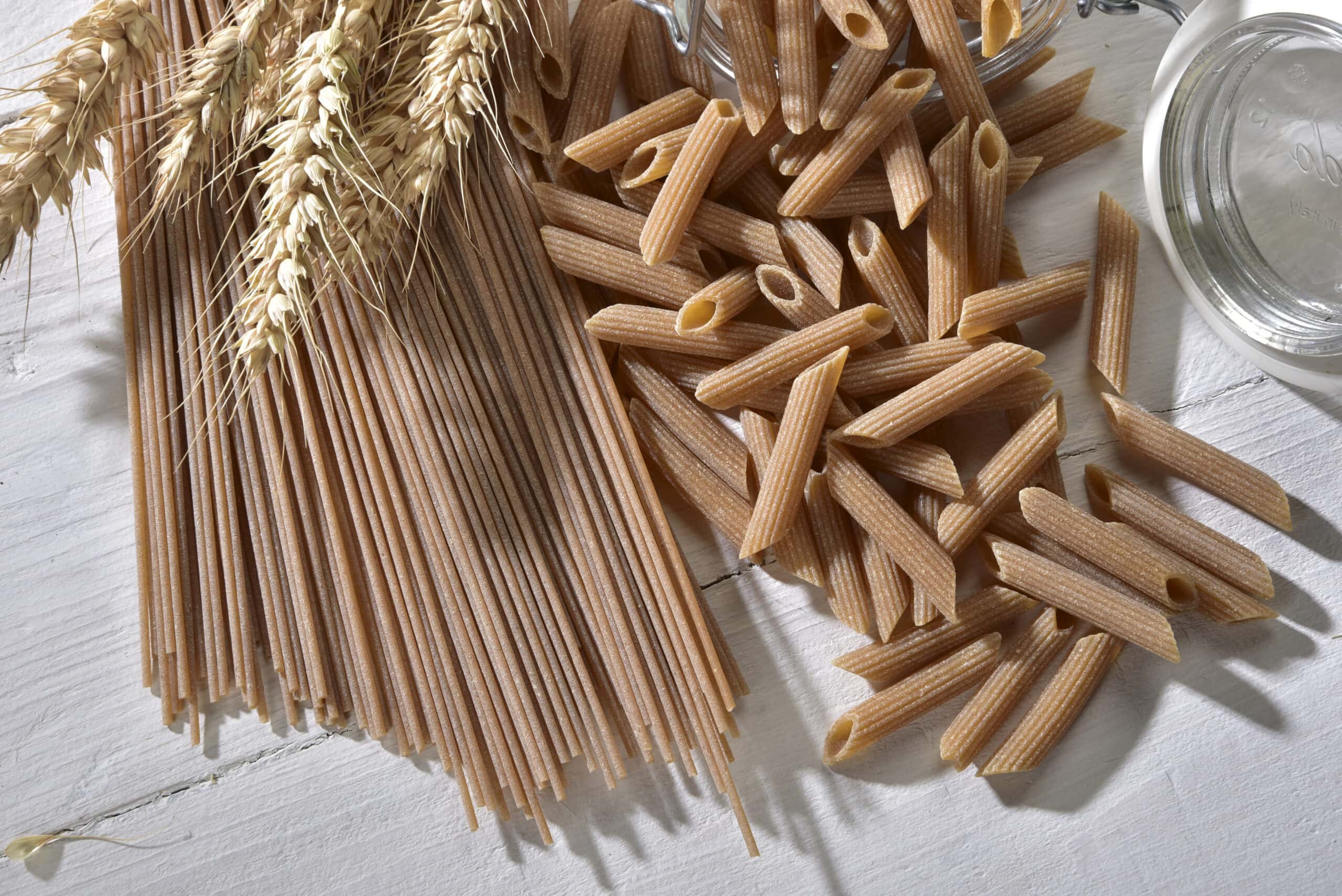
No, it is not recommended to feed dogs raw pasta. Raw pasta can be difficult for dogs to digest, leading to potential digestive issues or blockages. Always ensure that pasta is thoroughly cooked before offering it to your furry friend.
Can Dogs Eat Spaghetti?
Spaghetti, a popular type of pasta, is generally safe for dogs to eat if it's plain and cooked. However, it's important to keep the portion sizes in mind as well as the risks associated with wheat allergies.
Additionally, like plain pasta, avoid serving spaghetti with ingredients that may be harmful to dogs, such as onions, garlic, or other identified harmful seasonings!
Final Words
So, can dogs eat pasta? The answer is yes but with caution. While pasta is not inherently toxic to dogs, it should only be given as an occasional treat or part of a balanced meal. Remember to keep portion sizes small, avoid harmful ingredients or seasonings, and be aware of the risks of wheat allergies. As always, consult your veterinarian for personalized advice regarding your dog's diet and specific nutritional needs.
Remember, dogs do not have the same nutritional requirements as us humans. With proper portioning and preparation, dogs can still enjoy some of the foods that us humans can!
You Might Also Be Interested In:
Sources
https://www.petmd.com/dog/nutrition/evr_dg_whats_in_a_balanced_dog_food#carbs%20in%20dog%20food
https://vcahospitals.com/know-your-pet/food-allergies-in-dogs
https://www.petpoisonhelpline.com/pet-safety-tips/are-onions-poisons-to-dogs/
https://www.sciencedirect.com/science/article/pii/S2405654518303081
Get Hepper In Your Inbox


Pet care tips from our vets and experts, straight to your inbox.
You may opt-out at any time. View our Privacy Policy for more information.
Nicole is a lover of animals of all sizes but is especially fascinated with the feline variety. She’s the proud mom of Baby, a Burmese, and works every day so he can relax in the sunshine or by the fire. She’s always had a cat in her home and has spent countless days with others, observing behaviors and softening up even the grouchiest of the lot. Nicole wants to share her kitty expertise with you so you and your cat can live happy, healthy, and care-free.
Join the conversation
Ask a question, share your story, or send private feedback.