Hepper is reader-supported. When you buy via links on our site, we may earn an affiliate commission at no cost to you. Learn more.
Can Dogs Eat Gnocchi? Vet-Approved Facts & FAQ


In this article
As a pet parent, you might have found yourself wondering, "Can dogs eat gnocchi?" Well, the answer is yes, but with some important considerations to bear in mind. While gnocchi itself isn't harmful to our four-legged companions, certain ingredients used in its preparation – particularly garlic and onions – are harmful to dogs. In this article, we'll delve into the topic of dogs and gnocchi, focusing on the potential hazards, healthy alternatives, and how to maintain your dog's nutritional balance. So, let's get started!

What Is Gnocchi?
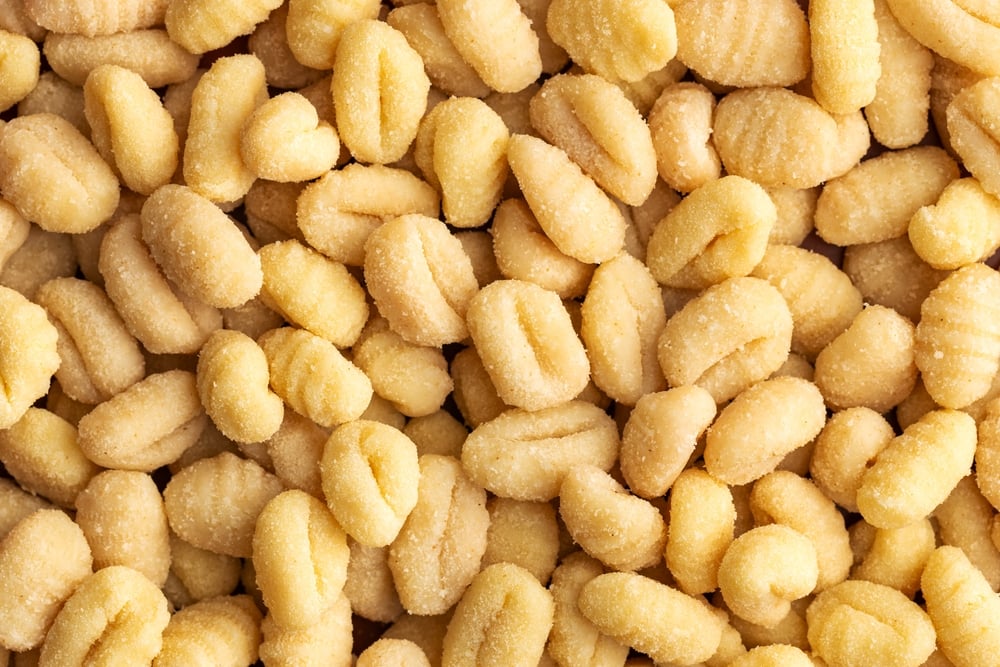
For the uninitiated, gnocchi are small, soft dumplings that originated from Italy. Traditionally made from potatoes, flour, and eggs, these versatile dumplings have won over taste buds worldwide. Their delightful texture and ability to pair well with a variety of sauces make them a popular choice for many.
However, variations of this recipe may include different types of flour, cheese, and herbs for enhanced flavor. Some gnocchi recipes might also incorporate garlic or onions, two ingredients that are toxic to dogs and should be avoided.
100 grams of gnocchi contains:
| Energy: | 161 kcal |
| Protein: | 4.29 g |
| Fat: | 0.71 g |
| Carbohydrate: | 35.71 g |
| Fiber: | 1.4 g |
| Calcium: | 14 mg |
| Potassium: | 86 mg |
| Sodium: | 557 mg |

Can Dogs Eat Gnocchi?
Pure, plain gnocchi without any added flavors or seasonings is not harmful to dogs. However, it's important to remember that while your dog might enjoy gnocchi, it doesn't offer any specific nutritional benefits for them and does add calories. As pet owners, our goal should always be to provide our pets with foods that are both safe and nutritionally beneficial.
Additional Ingredients
Garlic and onions, often used in cooking for their flavorful punch, are toxic to dogs. They contain sulfur compounds that can damage a dog's red blood cells. In high enough quantities, this causes anemia or a deficiency of red blood cells. If your gnocchi recipe includes these ingredients, keep it off your pup's plate.
Apart from garlic and onions, other ingredients commonly used in gnocchi recipes can also be harmful to dogs. Dairy products, often added for extra creaminess, can cause digestive problems in lactose-intolerant dogs.
Tips for Safely Feeding Your Dog Gnocchi
Feeding your dog gnocchi can be a fun way to mix up their diet, but it's important to do so safely. Here are some tips for safely feeding your dog gnocchi:
Remember, while gnocchi can be a tasty treat for your dog, it's important to ensure that it's served in a way that doesn't compromise your pet's health and safety.

Healthy Alternatives to Gnocchi for Dogs
There is no issue with serving gnocchi as a treat, as all nutrition should be provided by your dog’s regular diet if they are eating a high-quality kibble. However, there are some lower calorie options to consider if your dog is trying to lose a few pounds.
Nutrient-Rich Vegetables
Vegetables like carrots, cucumbers, and peas are a fantastic addition to your dog's diet. They're low in calories and packed with essential vitamins and minerals. Plus, they offer a satisfying crunch that many dogs love, making mealtime a fun and enjoyable experience.

Fruits as Healthy Treats
Fruits such as apples, bananas, and blueberries can serve as healthy treats for dogs. They're rich in fiber, antioxidants, and other beneficial nutrients, all contributing to your dog's overall health. Remember to remove any seeds or pits before feeding these fruits to your pet to avoid choking hazards.
The Importance of a Balanced Diet
Feeding your dog a balanced diet is crucial for their overall health and well-being. Here are the different types of food you can feed your dog.
Commercial Dog Food
Commercial dog food is specially formulated to meet all the nutritional needs of your pet. It should form the core of your dog's diet, with treats and human food making up no more than 10% of their daily caloric intake. High-quality commercial dog food will provide a balanced mix of proteins, carbohydrates, fats, vitamins, and minerals.
Homemade Dog Food
If you prefer to prepare homemade meals for your dog, it's essential to ensure that these meals are nutritionally balanced. This means consulting with a vet or a pet nutritionist to make sure your dog's nutritional needs are being met.

Treats and Snacks
Treats and snacks can serve as a great way to reward your dog and strengthen your bond with them. However, they should be given sparingly. Overfeeding treats can lead to weight gain, which increases the risk of joint problems, diabetes, and even some cancers. Always choose healthy, low-calorie treats, and remember to account for these treats when calculating your dog's total daily calorie intake.
Final Thoughts
So, can dogs eat gnocchi? Yes, but with caution. While the gnocchi itself is not harmful, the ingredients it is usually served with could pose risks. As responsible pet owners, it's our duty to ensure that what we're feeding our pets is not only delicious but also safe and nutritious. By being mindful of the ingredients in our food, consulting with vets, and focusing on a balanced diet, we can keep our pets healthy and content.
Featured Image Credit: picturepixx, Shutterstock
Get Hepper In Your Inbox


Pet care tips from our vets and experts, straight to your inbox.
You may opt-out at any time. View our Privacy Policy for more information.
Nicole is a lover of animals of all sizes but is especially fascinated with the feline variety. She’s the proud mom of Baby, a Burmese, and works every day so he can relax in the sunshine or by the fire. She’s always had a cat in her home and has spent countless days with others, observing behaviors and softening up even the grouchiest of the lot. Nicole wants to share her kitty expertise with you so you and your cat can live happy, healthy, and care-free.
Join the conversation
Ask a question, share your story, or send private feedback.