Hepper is reader-supported. When you buy via links on our site, we may earn an affiliate commission at no cost to you. Learn more.
8 Curly Haired Cat Breeds: Info, Pictures & Rarity Explained

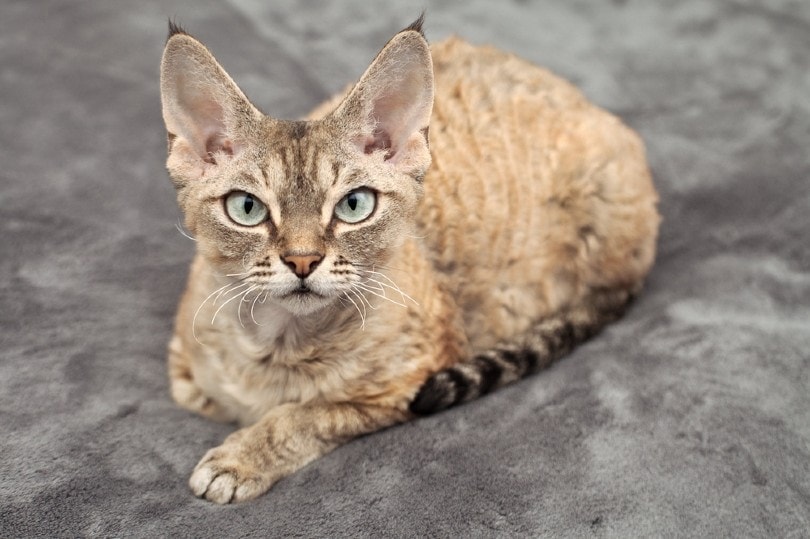
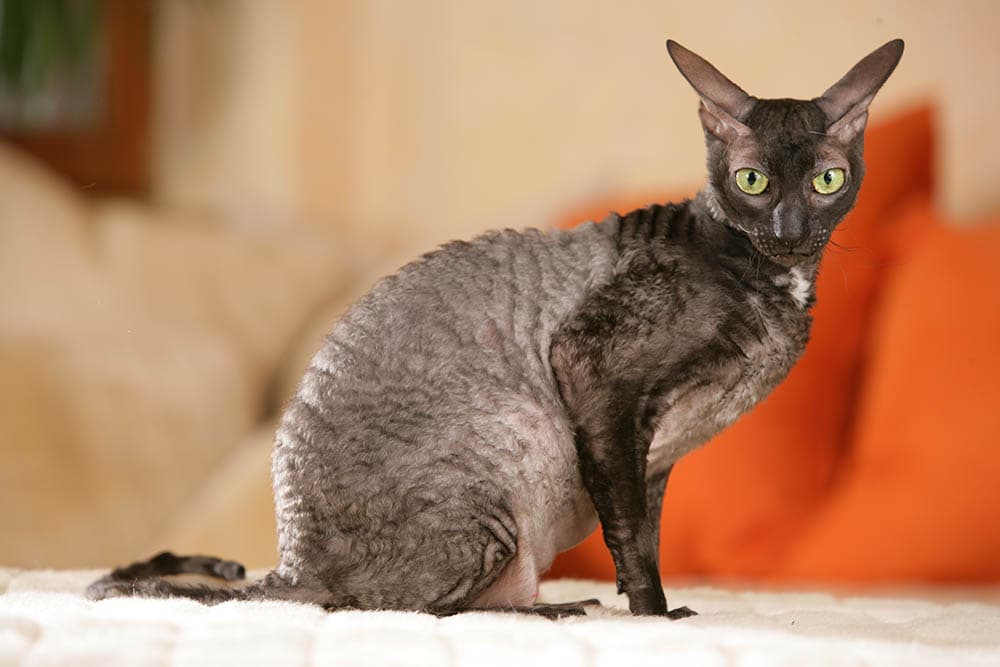
Curly haired cats immediately turn heads because the vast majority of cats have straight fur. Curly haired cats are so rare that you might not have actually seen one in person. Despite their rarity, there are a number of breeds that exclusively have curly fur. These cats are interesting and are spread all over the world. Curly haired breeds are generally small in number and not as well-known as straight haired breeds.
Here are eight curly haired cat breeds to explore, including pictures, general information, and how rare each breed is.

Cat Breed Associations (and What We Count as Official)
There are dozens of cat breed associations found around the world. Some of these organizations are massive and international. Others are smaller and more regional. Some of the most prominent cat breed associations include the Cat Fanciers’ Association (CFA), American Cat Fanciers Association (AFCA), The International Cat Association (TICA), Federation Internationale Feline (FIFe), and the World Cat Federation (WCF). But not every cat organization recognizes every cat breed the same way.
In order to separate these cat breeds into officially recognized breeds and unofficial breeds, we decided to use guidance from the Cat Fanciers’ Association. The CFA is one of the most respected cat organizations on the planet. Therefore, if the CFA considers a cat breed to be official, so do we. If the CFA does not include a cat breed in their pedigree registries, we count them as new or unofficial breeds.
The 8 Curly Haired Cat Breeds
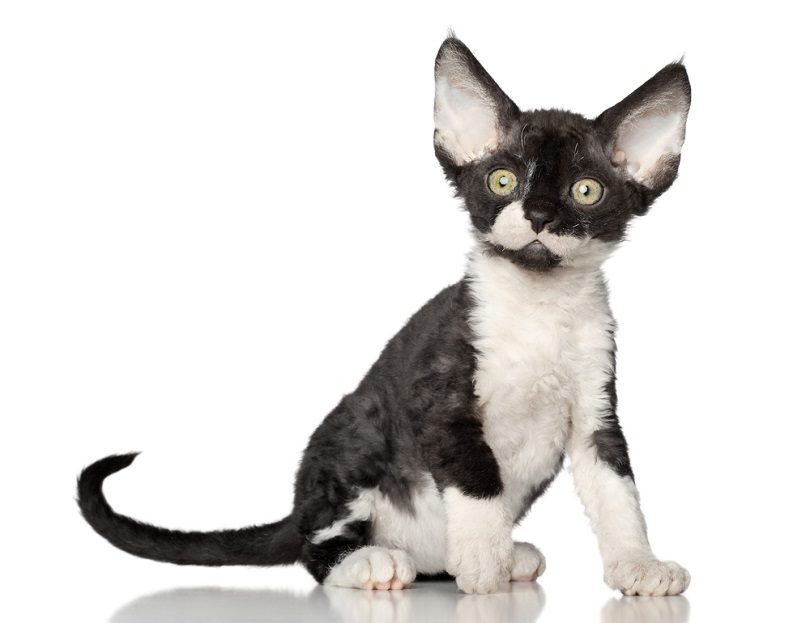
1. Devon Rex
| Origin: | Devonshire, England |
| Official Recognition: | CFA, ACFA, TICA |
| Rarity: | Uncommon |
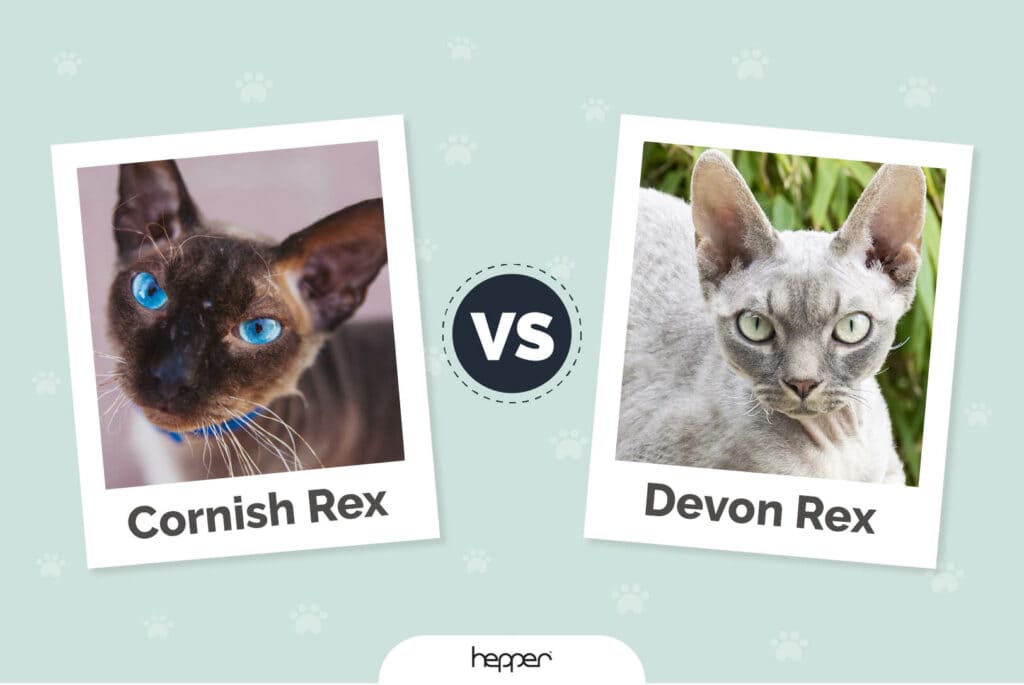
The Devon Rex is one of the more common breeds of curly-haired cat. The Devon Rex originated from a single cat named Kirlee that was born to a stray calico mother. The breed originated in the 1950s when curly haired cats were growing in popularity. People noticed that some of the strays in Devonshire had curly fur, and they instantly became a sensation.
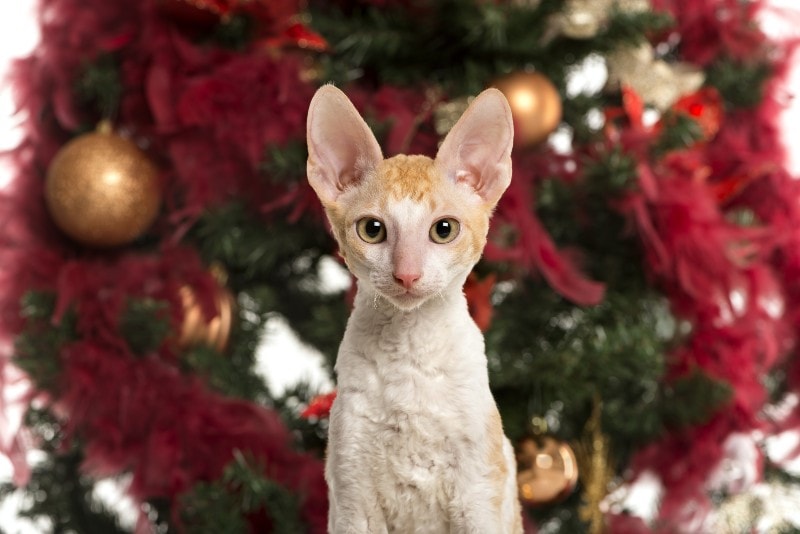
2. Cornish Rex
| Origin: | Cornwall, England |
| Official Recognition: | CFA, ACFA, FIFe, TICA |
| Rarity: | Uncommon |
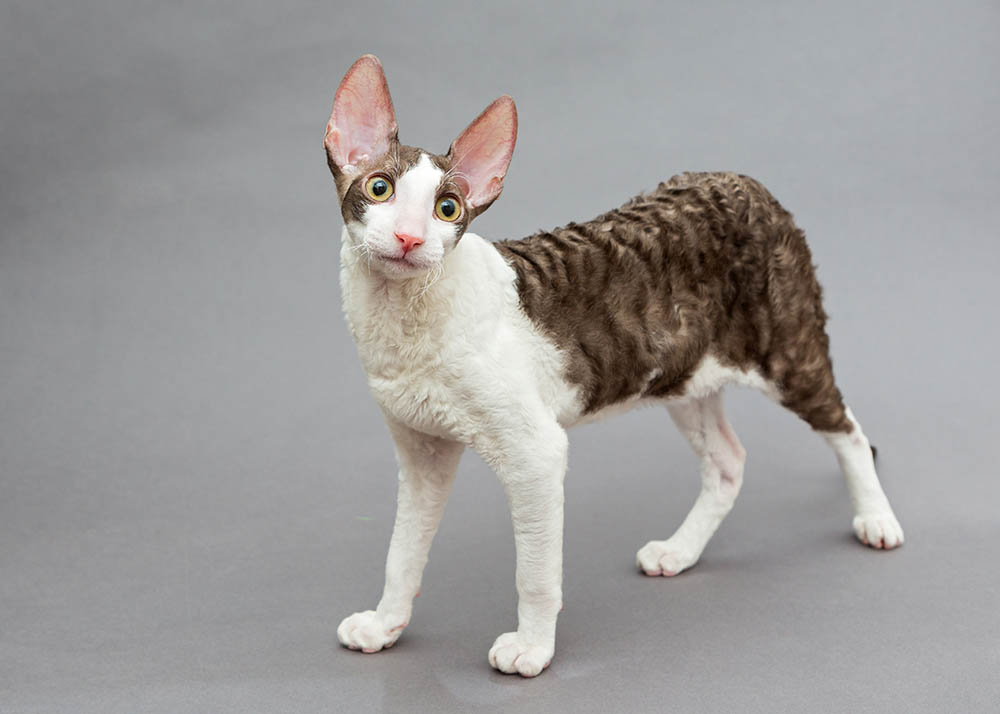
The Cornish Rex cat was created out of a true genetic mutation. A standard barn cat mated with an unknown stray cat and gave birth to a litter of curly-haired kittens. The genes in the kittens were both unique and rare. The kittens were kept and used to start the Cornish Rex line in the 1950s.
Today, these cats are highly recognized and prized for their curly fur. They are small, weighing less than 8 pounds on average. Out of one litter of kittens came a whole line of recognized breeds that can come in up to 15 different colors. The Cornish Rex quickly spread from England to the rest of the United Kingdom, and finally to mainland Europe and then to North America.
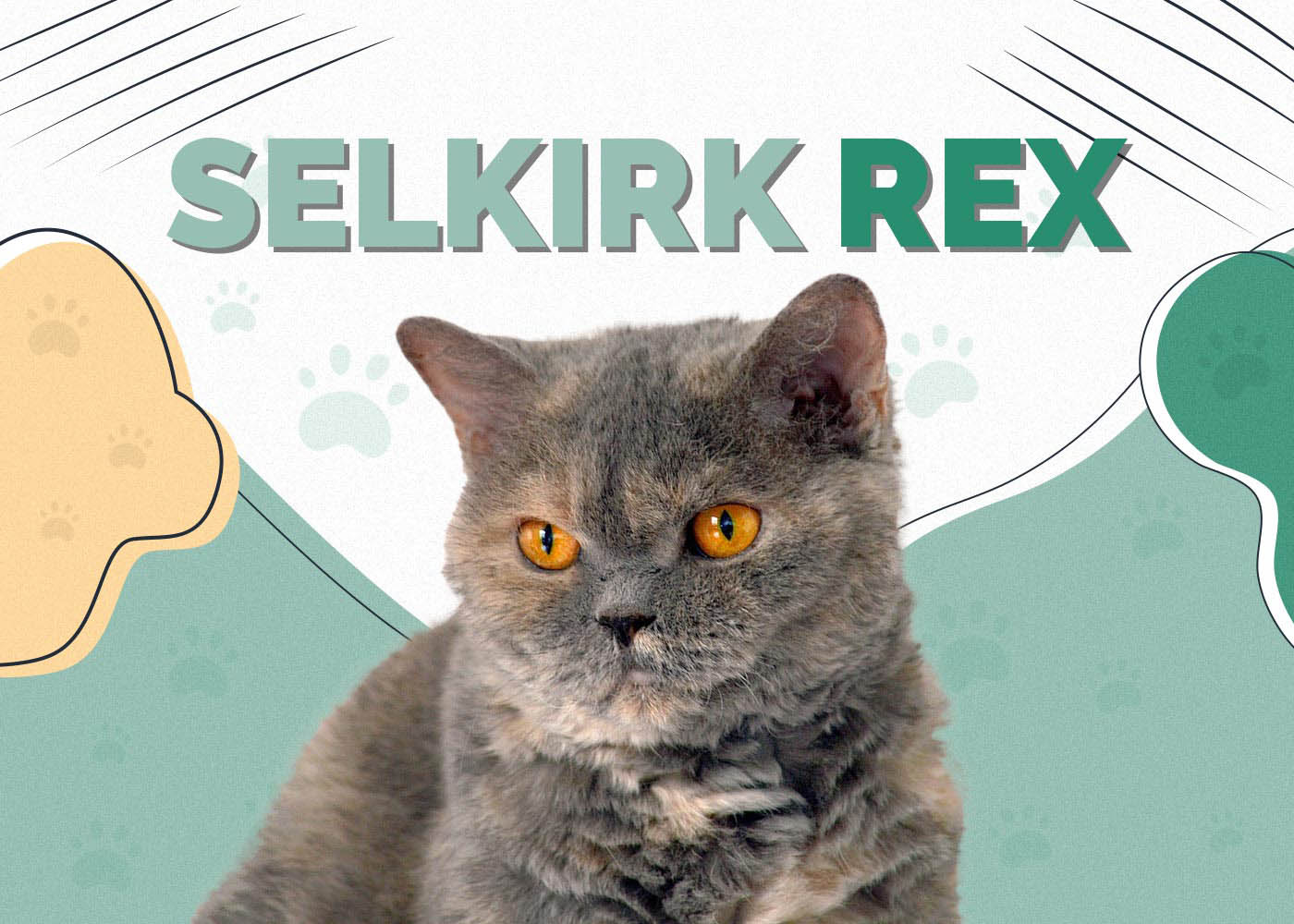
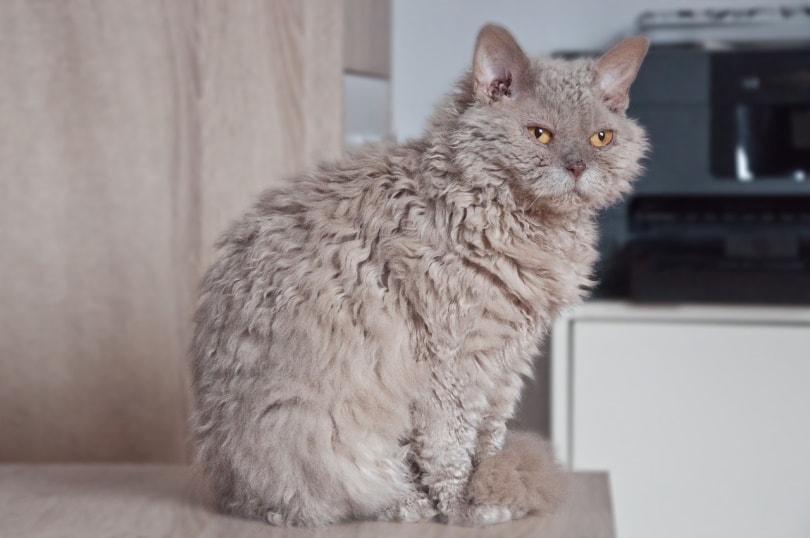
3. Selkirk Rex
| Origin: | Montana, United States of America |
| Official Recognition: | CFA, ACFA, FIFe, TICA, WCF |
| Rarity: | Somewhat rare |
The Selkirk Rex originated in Montana in 1987. The breed came from a mix of a blue tortoise cat and a white stray that was found at a shelter by a cat breeder. The result was a large cat with curly hair. Selkirk Rexes can weigh between 16 and 20 pounds and are recognized by every major cat breeding association. Interestingly enough, the Selkirk Rex carries a dominant gene for curly fur, which sets it apart from its peers. Since the gene for curly fur is dominant, it makes getting the curly hair coat more common and allows this trait to endure through generations easier than with other breeds of cat.
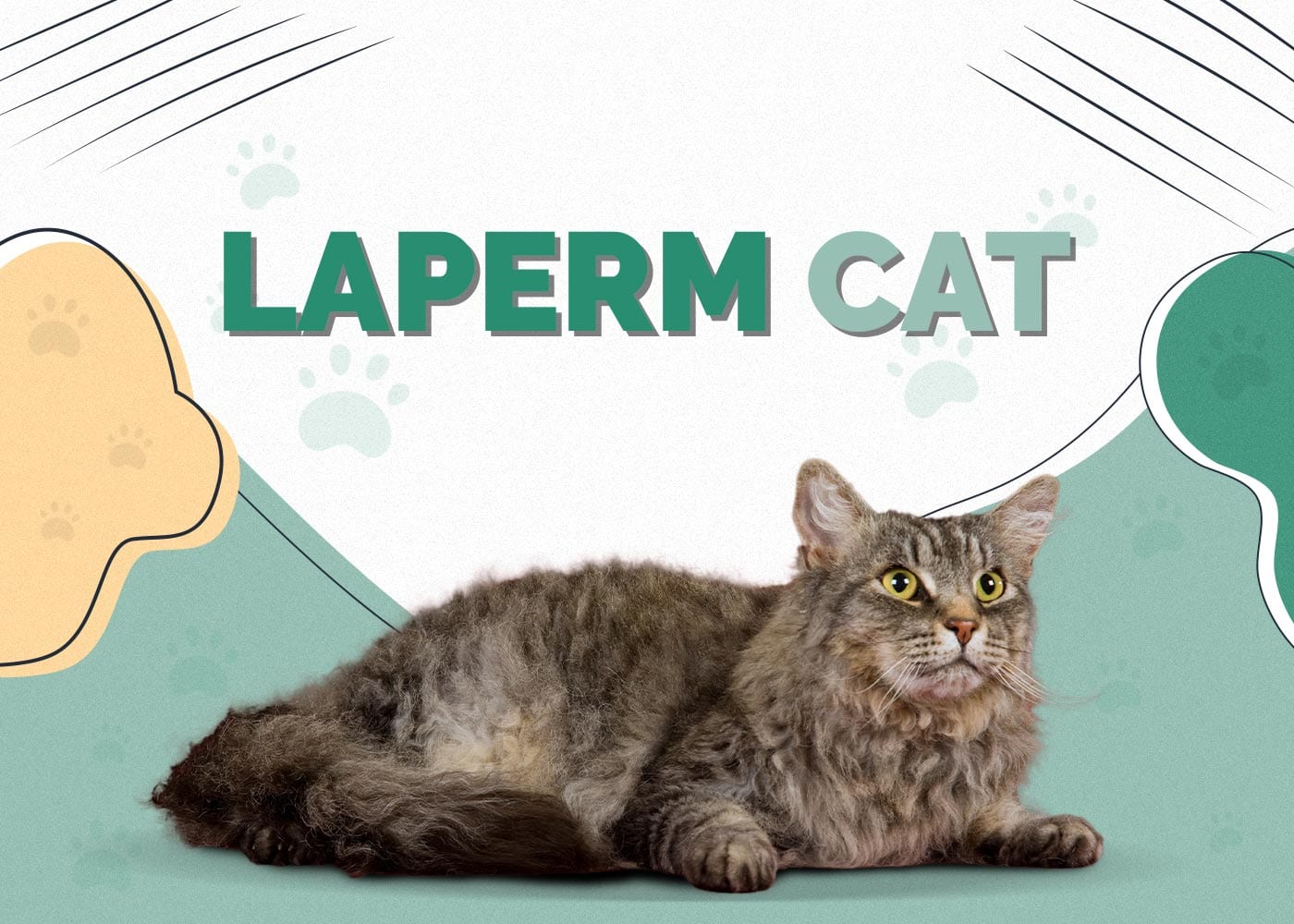
4. LaPerm
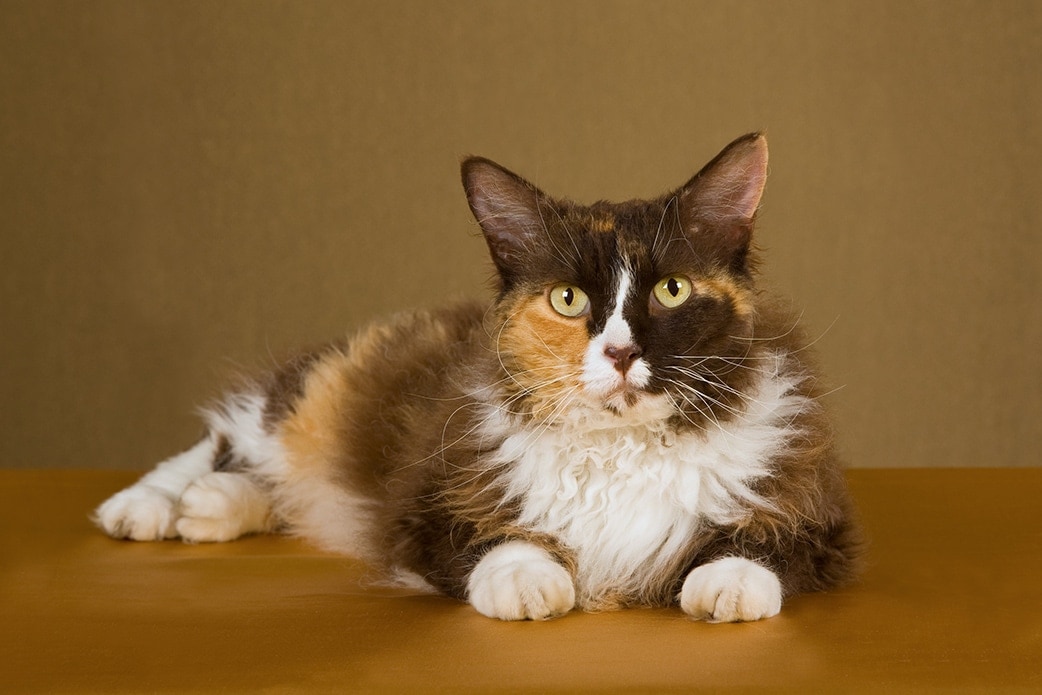
| Origin: | The Dalles, Oregon |
| Official Recognition: | CFA |
| Rarity: | Rare |
The LaPerm cat, or Dalles LaPerm, is a curly-haired cat that originated on a farm in Oregon beginning in the 1980s. The LaPerm breed has been carefully cultivated and selectively bred to isolate the gene for curly fur. Due to careful breeding, LaPerm cats can have a wide variety of curly fur, from long, flowing curls to short, tight curls. LaPerms are active, affectionate, and have a medium build. Most LaPerms weigh between 6 and 10 pounds. Due to the rarity, your best bet for finding a LaPerm breeder or seller is to target large cities or to make connections at cat shows.
5. German Rex
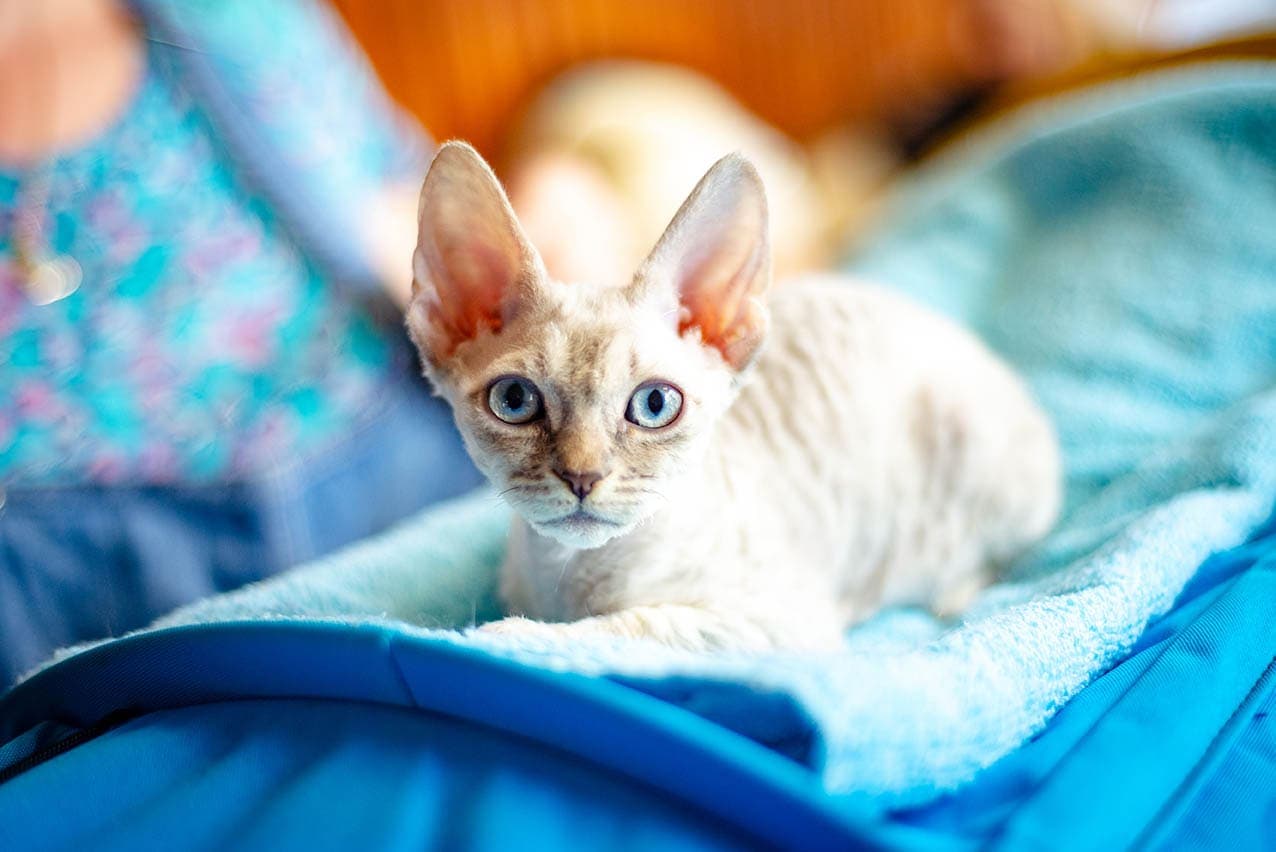
| Origin: | Germany |
| Official Recognition: | FIFe |
| Rarity: | Rare |
The German Rex is one of a number of European “rexes” and is genetically compatible with the Cornish Rex. In fact, some countries don’t recognize it as a separate breed from the Cornish Rex.
The German Rex is known for having curly fur that spreads across its whole body. Even the whiskers on the German Rex will curl if they get long enough. The German Rex is a small cat that often weighs less than 8 pounds. The German Rex has no guard hairs, leaving a fine, silky, and curly coat behind. This makes the coat of the German Rex one of the most unique in the cat world. This cat can be bred in 15 distinct colors and is recognized by the European FIFe organization.
6. Ural Rex
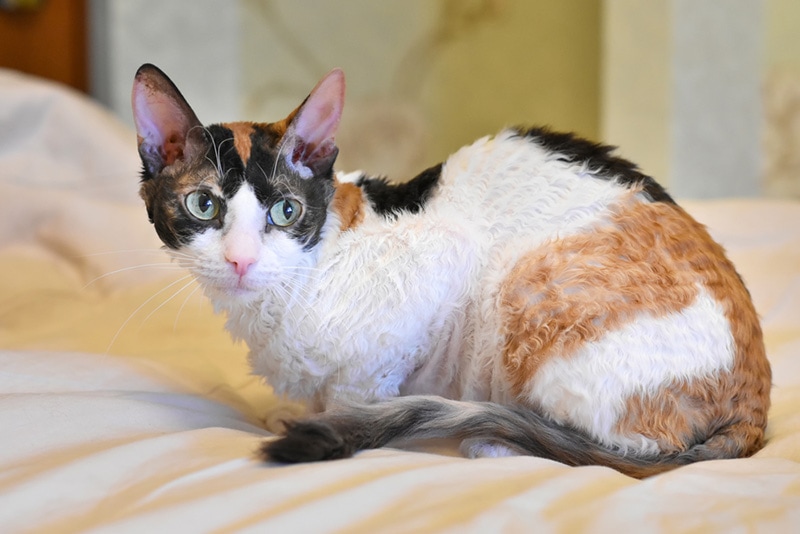
| Origin: | Russia |
| Official Recognition: | World Cat Federation |
| Rarity: | Extremely rare outside of Russia; rare in Russia |
The Ural Rex is a curly haired breed native to Russia. The name is derived from the Ural Mountains. At first, many believed that the Ural Rex was simply a colony of German Rex cats found in Russia. However, recent genetic studies have concluded that the Ural Rex is a separate breed from the German Rex. The Ural Rex has very lightly curled fur and is mostly found in Russia. The Ural Rex is only recognized by the World Cat Federation, which is based in Germany and oversees the German Rex breed as well. The Ural Rex is not recognized by the Cat Fanciers’ Association.
7. Tasman Manx
| Origin: | Tasmania, Australia |
| Official Recognition: | New Zealand Cat Fancy |
| Rarity: | Very rare outside of New Zealand and Australia; rare in NZ and Australia |
The Tasman Manx is a breed of cat named for the Tasman Sea that has mildly curly fur. These cats are stout and powerful. In an interesting twist, the Tasman Manx is a breed with no tail. The Tasman Manx is known for having ripped fur that appears to be curlier than it actually is. They also have curled toes and kinked whiskers. These cats are just brimming with odd and interesting traits. Many of these traits are highly recessive, which is why they all appear in conjunction with curly fur.
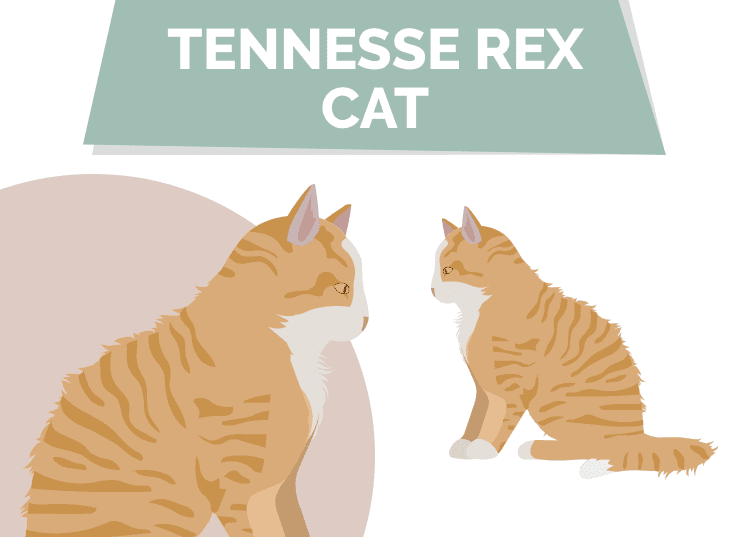
8. Tennessee Rex
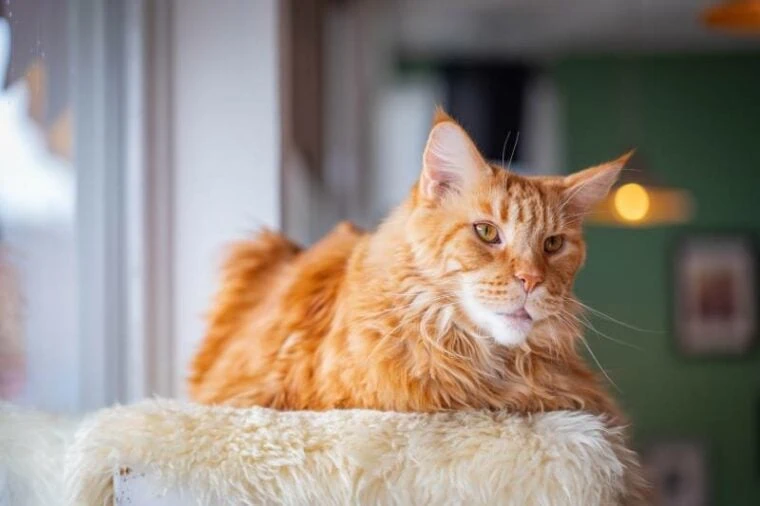
| Origin: | Chattanooga, Tennessee |
| Official Recognition: | TICA |
| Rarity: | Incredibly rare |
The Tennessee Rex is a rare breed of cat that got started in 2004. The breed’s creator, Franklin Whittenburg, got the idea (and original DNA) for the Tennessee Rex from a litter of stray cats that had red, satiny, curly fur. Whittenburg correctly realized that the traits shown by this litter of cats were rare and recessive. These cats are medium to large breeds that can weigh up to 15 pounds. The Tennessee Rex is one of the newest cat breeds around and one of the most recent curly haired breeds to make an appearance. The Tennessee Rex is currently recognized by TICA and could one day be recognized by more cat breeding organizations.
Why Do Some Cats Have Curly Hair? (And Why Most Don’t)
Cats have a variety of different types of fur. Some cats are incredibly fluffy, and other cats are nearly hairless. Some shed quite a bit, and others very little. However, most cats have straight hair. Cats with naturally curly hair are rare. That is because the gene for curly hair in most cats is recessive. This means that both parents have to have a copy of the gene and even then it will only show up in some of the kittens. The gene for curly hair is so rare that some breeds need to be actively cultivated to keep the recessive genes in place. If a curly-haired cat mates with a straight-haired cat, there is a very strong likelihood that the kittens will have straight hair. That is why curly-haired cats are so rare in general.
The curly-haired gene originally emerged due to a genetic mutation. Today, the only way to maintain these mutations is to selectively breed for them to produce curly hair in specific litters.
Final Thoughts
These eight breeds are the most prevalent curly-haired breeds in the world. Four of the breeds are officially recognized by the CFA, which adds an extra layer of legitimacy to their pedigrees. The other four breeds are recognized by a smattering of other smaller organizations. Many of these breeds are so new and so rare that they haven’t gained widespread recognition as of yet.
Sources
Featured Image Credit: Veera, Shutterstock
Get Hepper In Your Inbox


Pet care tips from our vets and experts, straight to your inbox.
You may opt-out at any time. View our Privacy Policy for more information.
Grant is a freelance writer with years of experience writing about a diverse range of topics. His days are spent writing and caring for eight animals (two horses, two donkeys, two goats, and two dogs). In his free time he enjoys slowly carving out a quaint hobby farm from the Southern scrub. He currently lives in his native Florida with his wife and son.
Join the conversation
Ask a question, share your story, or send private feedback.