Hepper is reader-supported. When you buy via links on our site, we may earn an affiliate commission at no cost to you. Learn more.
Diarrhea in Cockatiels: Vet-Approved Causes & Solutions


In this article
Companion birds, as with any pet, can suffer from a host of digestive issues, including, but not limited to, diarrhea. If your cockatiel has diarrhea, you might be wondering what could possibly be causing it and what solutions are possible.
Diarrhea is not a common affliction and can signify that something more serious is brewing. Keep reading to find the most common causes of diarrhea in cockatiels and how to treat them.

The 5 Common Causes of Diarrhea in Cockatiels
1. Stress
If your cockatiel has just come home from a vet visit or is just coming to your home for the first time, it may experience a bout of diarrhea stemming from the stress. Humans sometimes can have an upset stomach and diarrhea if they're afraid or upset over something, and the same is true for cockatiels.
If your bird is naturally nervous, it may experience diarrhea anytime something disrupts its routine.
The best course of action to treat stress-related diarrhea is to make your cockatiel as comfortable as possible. Give it some space and allow it time to feel at home before taking any further steps to treat its diarrhea.
2. Diet Changes
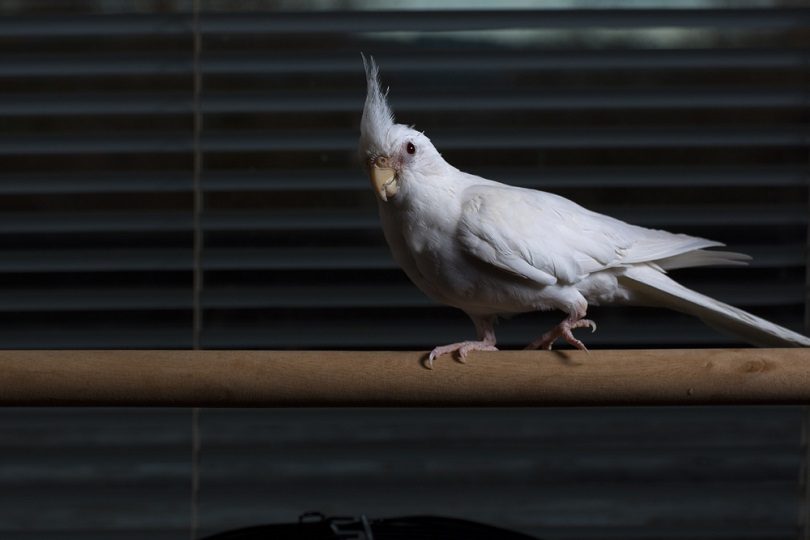
Sudden changes to your cockatiel's diet can cause gastrointestinal upset, including diarrhea. If, for some reason, you need to change the food your bird is used to, allow for plenty of time to make a gradual change. You risk disturbing your pet's digestion if you switch too quickly to new food.
The fruits and veggies you're feeding can also cause diarrhea, especially if what you're offering is rich in water. Fruits like watermelon or wet lettuce can cause loose stools, so you might want to choose foods that aren't as high in water.
Fresh fruit and veggies must be washed thoroughly before offering them to your pet. This ensures that any potential pesticides have been removed to prevent gastrointestinal upset and diarrhea.
3. Digestive Disorders
Birds are prone to developing several types of digestive disorders. Let's take a closer look at a few.
Avian Gastric Yeast
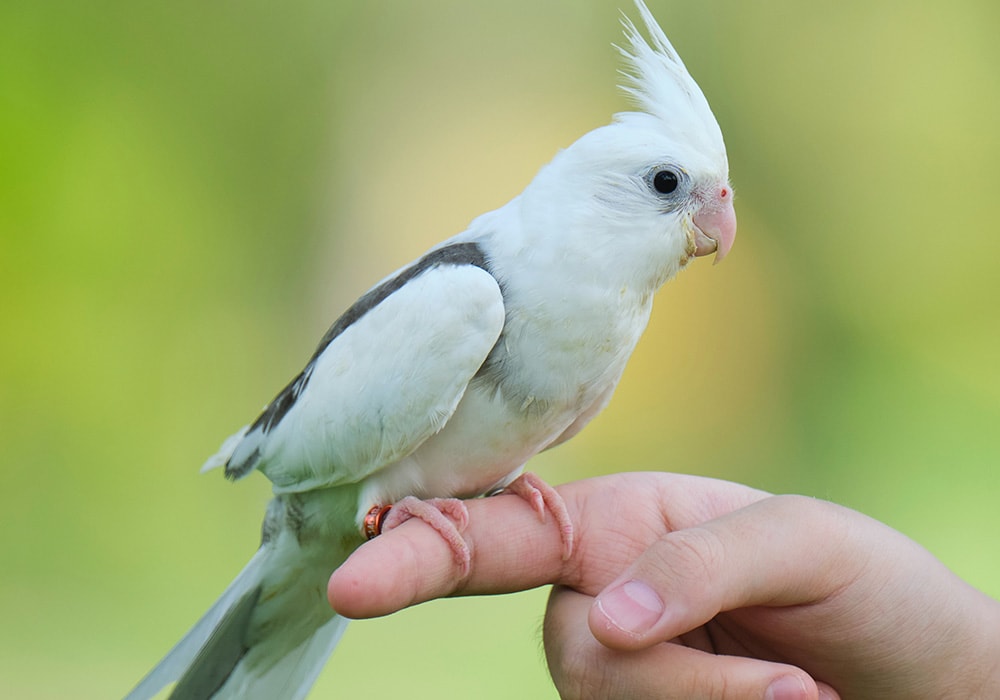
Avian gastric yeast is a highly contagious condition that's sometimes also known as macrorhabdosis. It's most often seen in budgies, but cockatiels and lineolated parakeets are also at risk. It can occur intermittently, so your cockatiel may occasionally be free of symptoms but not yet "cured" of the condition. The most common symptoms of macrorhabdosis include:
- Weight loss
- Lethargy
- Regurgitation
- Diarrhea
- Excessive food intake
- Loss of appetite
- Undigested seeds in the droppings
The treatment for this condition will depend upon the severity of the symptoms. Your vet may prescribe antifungal medications such as Fluconazole or Amphotericin B.
Pacheco's Disease
Pacheco's Disease is a highly infectious and deadly illness in birds. It's caused by the herpes virus and is most often seen in birds in the parrot family. Symptoms may not show immediately, but most birds will pass away a few days after contracting the virus.
This disease is spread through direct contact, air, or fecal contamination of food or water. Symptoms include:
- Diarrhea
- Green droppings
- Lethargy
- Weakness
- Depression
Birds with Pacheco's Disease often die suddenly, so treatment is not typically effective. However, suppose there is a confirmed case of the disease in a household of birds or aviary. In that case, a vet may prescribe an oral anti-herpesvirus drug to reduce the likelihood of death in exposed birds.
Gastrointestinal Parasites
Gastrointestinal parasites such as giardiasis are common in cockatiels. Giardiasis is a protozoan parasite that lives in your bird's intestinal tract. The parasite can affect your pet's fat metabolism and nutrient absorption. Symptoms of giardiasis include:
- Feather plucking
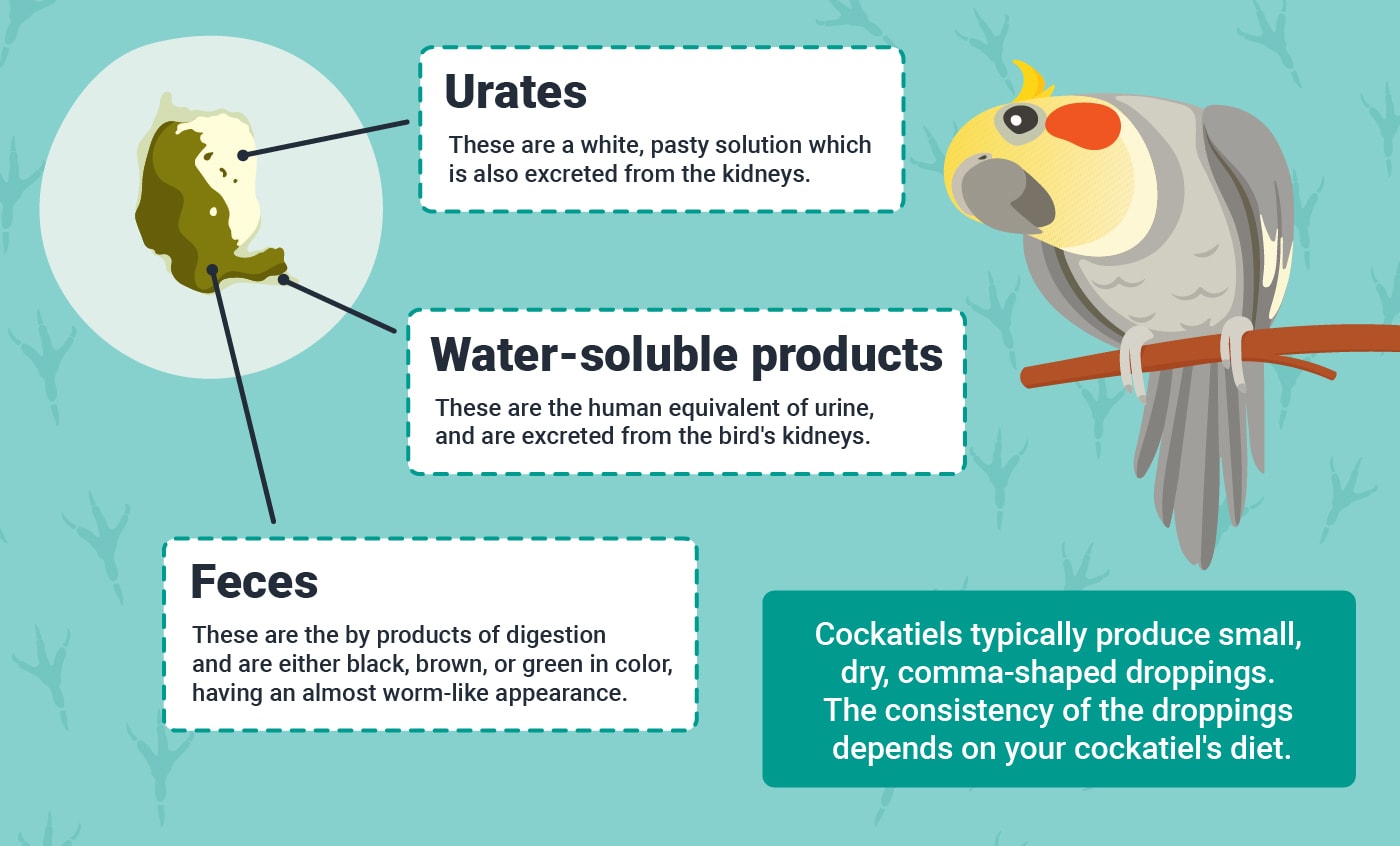
- Diarrhea with mucus
- Itching
- Yeast infections
- Inappetence
- Weight loss
Your vet may prescribe Ronidazole or Metronidazole to treat the disease. In addition, you can prevent reinfestation by changing out your bird's water dish to a water bottle and regularly scrubbing the bottle to prevent organism growth.
4. Exposure to New Birds
If you've recently welcomed a new bird into the home, your cockatiel may get diarrhea or other potential diseases if you don't quarantine the new bird first. Quarantining is an essential step before introducing birds to prevent the spread of disease. We recommend keeping them separate for at least 30 days, ensuring dishes and cleaning tools are kept separate during this time.
5. Dirty Cage
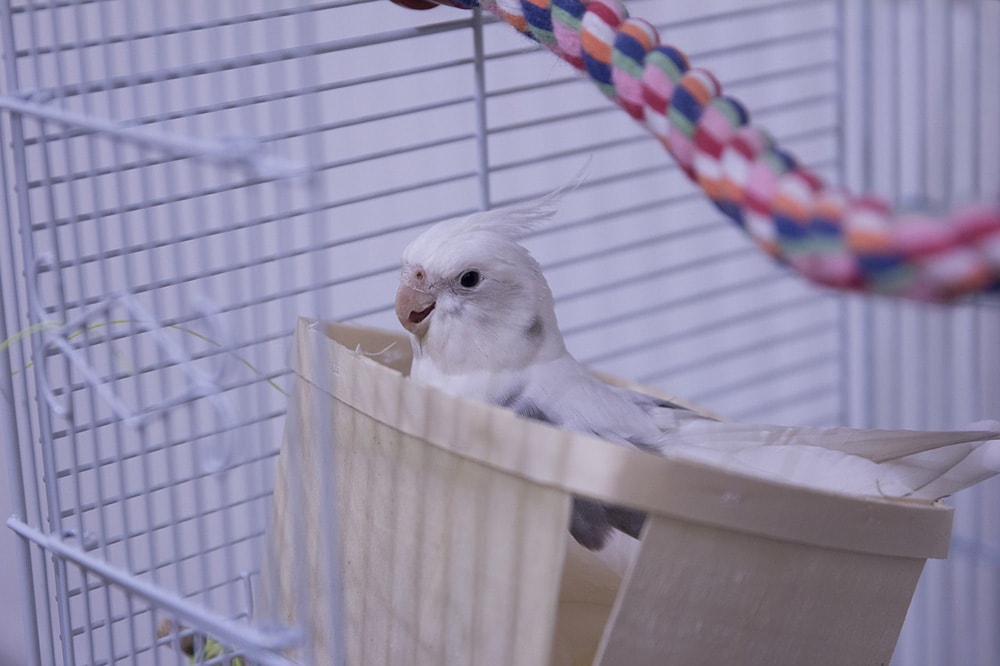
You must clean your cockatiel's cage daily and do a deep clean every week. This is not only to keep your home smelling clean but to limit your bird's exposure to disease.
Clean the food and water dishes daily, taking care to replace the contents. Remove the paper lining at the bottom of the cage and replace it daily.
Once a week, remove everything from the cage to do a deeper clean. Clean every item individually and sanitize the cage with a bird-safe cleaner.
When Should I Take My Cockatiel to the Vet?
An avian vet should examine cockatiels that have diarrhea that doesn't clear up after 24 hours. If you notice blood in the droppings or if you see them straining, take them to the vet immediately.
Depending on the cause of your cockatiel's diarrhea, your vet may prescribe medications or recommend supportive care to prevent dehydration and help its immune system fight.

Final Thoughts
There are a lot of things that could be causing diarrhea in your cockatiel. It could be something as benign as feeding it too many watery veggies or something serious such as Pacheco's Disease. Pay close attention to the other symptoms your pet is exhibiting so you can better understand what could be causing its diarrhea. And, as usual, if you're ever unsure or worried about your bird's health, give your avian vet a call for guidance.
“Sources”
Featured Image Credit: ONGUSHI, Shutterstock
Get Hepper In Your Inbox


Pet care tips from our vets and experts, straight to your inbox.
You may opt-out at any time. View our Privacy Policy for more information.
Chantelle's life revolves around two passions: writing and animals. Raised on the prairies of Canada amidst a menagerie of pets, she now lives with five cats, two guinea pigs, and a bearded dragon. Together with her husband and child, Chantelle delights in being an exemplary animal parent, going as far as installing wall-mounted cat shelves to give their cats an indoor playground. When she's not cozying up with her cats or snapping their amusing antics, she enjoys venturing into the Rocky Mountains, binge-watching her favorite Netflix shows, and indulging in spontaneous reading adventures.
Join the conversation
Ask a question, share your story, or send private feedback.