Hepper is reader-supported. When you buy via links on our site, we may earn an affiliate commission at no cost to you. Learn more.
Cockatiel Poop Chart: Vet-Reviewed Signs to Look For (With Infographic)


In this article
Cockatiels are normally such happy-go-lucky birds that you hate to see them not feeling their best. Many animals instinctively hide their weaknesses, like illness, to avoid appearing vulnerable.
Bird droppings offer an excellent way to monitor your pet’s health in a non-invasive way. Some changes are normal, particularly if you offer your bird fresh fruits and vegetables as part of its diet. However, it can be hard to tell the difference between normal and healthy cockatiel poop. Below, we'll discuss some of the most concerning signs, and we've included a poop chart that lists normal and abnormal colors in Cockatiel feces.

Recognizing Normal Cockatiel Droppings
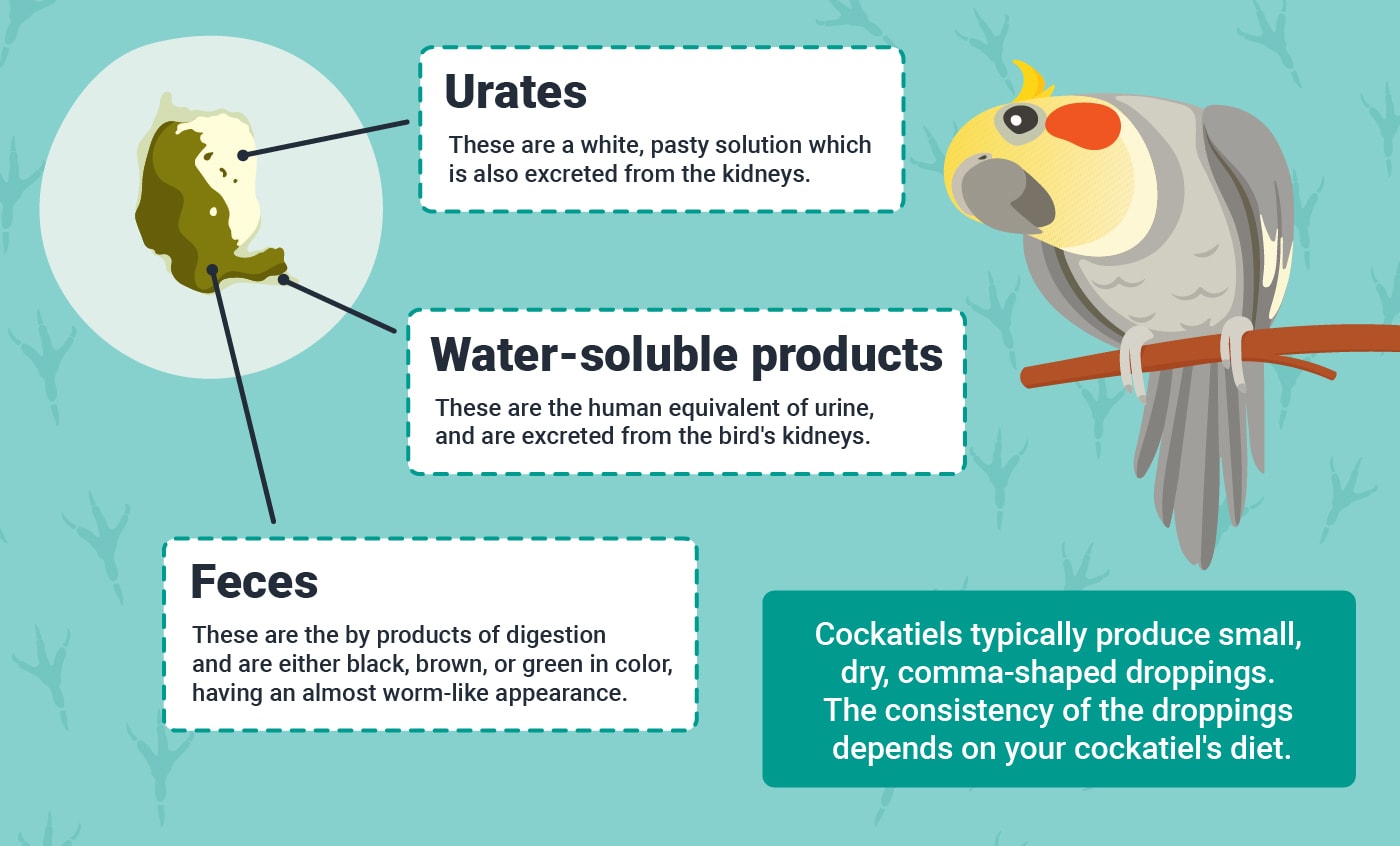
Bird droppings consist of three parts:
The proportion of water-soluble products, urates, and feces in birds' droppings may vary. At times, they vary because of dietary changes. At other times, they may change due to an underlying condition or illness. Whenever a bird passes droppings, they excrete all three of these components together. The ostrich is the only bird that can excrete just urine (without the other components).
Cockatiels typically produce small, dry, comma-shaped droppings. The consistency of the droppings depends on your bird's diet.

Poop Chart: Signs to Look Out For
| Sign | Indication |
| Clear urine and white urates (uterine crystals) with green or brown feces | Normal |
| Yellow or green urine and urates with feces | Liver Disease or Internal Bleeding |
| Clear urine and white urates with green, black, or red feces | Normal after eating fresh produce |
| Red urine and urates with feces | Renal or Digestive Issues, Certain Poisonings, Cloacal Diseases or Abnormalities |
| Urine and urates with no Feces | Starvation or Obstruction along the digestive tract. |
| Diarrhea | Non-diagnostic but possible internal parasites, bacterial disease, or related to laying and incubation. |
| Popcorn-like feces | Giardiasis |
| Feces with mucus | Intestinal Disturbance |
| Undigested food in the feces | Proventricular dilatation disease, bacterial issues, or parasitic infestations. |
| Increased urine | Ingestion of foods with a high water content, kidney disease |
| Black-colored feces | Certain foods, digested blood, metal toxicity |
Dropping Types and Variations
1. Yellow or Green Urine and Urates With Feces
Yellow or green in a bird’s droppings often point to a liver issue. In such instances, the urine is more often green than yellow. This is because the bile pigment (biliverdin) is green. Yellow-looking urine is caused by issues that result in high amounts of bilirubin (another bile pigment)-which is yellow.
Green discolored urates are usually caused by the following:
Yellow urates are often associated with high amounts of internal bleeding. These can be caused by internal hemorrhages, bruises, or a traumatic event that results in injury. In some cases, medications (specifically, some injections in large quantities) can temporarily give urates a yellow-green tinge.
You should have your bird examined by your veterinarian if you ever observe their droppings having green or yellow urine and urates. Avian chlamydiosis is particularly troubling because it can cause psittacosis in humans. Proper hygiene is the best prevention, especially after cleaning your pet’s cage. It typically only causes mild symptoms in people.
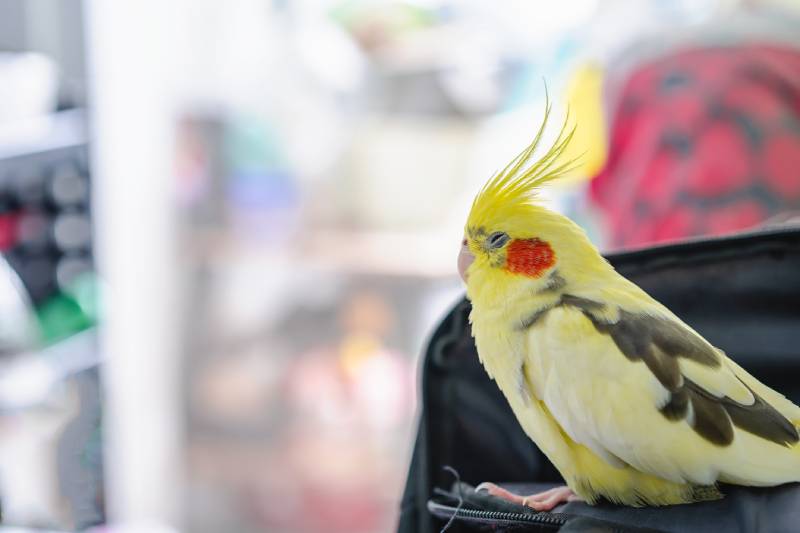
2. Clear Urine and White Urates With Green, Black, or Red Feces
This condition is often caused by the fruits and vegetables you offer as treats. Commercial foods with fruit and vegetable ingredients may have a similar effect. It is often harmless and self-limiting. The exception is if the consistency of your pet’s feces is loose. We recommend giving your bird only small portions, particularly when introducing new foods.
3. Red Urine and Urates With Feces
If the urine or urate component of your bird's feces is red, this may be due to:
If you observe blood in your bird's droppings, the causes are often more worrying and warrant immediate veterinary attention. Because a bird's body will mix feces with water-soluble excretion and urates in the cloaca before passing them, it isn't easy to pinpoint the source of the blood.
However, the causes for the blood may be one of the following:
Blood that does not mix with the droppings but appears as a drop or spot either in or on the droppings is usually from the cloaca.
This may be caused by:
4. Presence of Urine and Urates but no Feces
This indicates that your bird is either starving or has an obstruction somewhere along their digestive tract that is preventing them from passing feces normally.
5. Diarrhea
Diarrhea is relatively rare in Cockatiels and most other birds. In a mating pair of Cockatiels, this may be considered normal. When birds incubate their eggs, they "hold in" their droppings and pass a bulky, large, abnormal-looking dropping when they leave the nest.
As both female and male cockatiels incubate their eggs, you may observe these droppings from both your birds. However, because female cockatiels are more involved in the incubation process, it's more likely to be observed in females.
In addition, female birds will also "hold" their droppings while they lay eggs and eventually pass droppings that resemble diarrhea after they lay an egg and leave their nest. This behavior may start a few days before she lays her first egg.
At other times, diarrhea may be cause for concern and can be caused by:
All these causes require prompt veterinary attention for your bird. Though diarrhea is rare in cockatiels, it can be detrimental if left unaddressed.
6. Popcorn-Like Feces
This rather odd description is a classic sign of giardiasis in birds. Dehydration is a serious complication if left untreated. An affected Cockatiel may show other signs of stress, such as loss of appetite and feather plucking. Dirty drinking water is a common cause of this protozoan parasite. You might also see a loss of appetite and lethargy in your pet.
7. Feces With Mucus
Occasionally, birds with an intestinal disturbance may have a mucoid, gray coat on the fecal portion of their droppings. This requires veterinary attention for an accurate diagnosis and treatment.
8. Undigested Food in the Feces
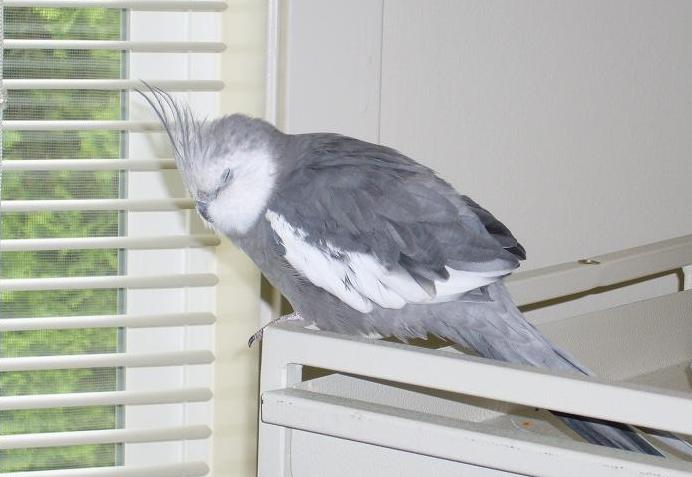
Undigested food (particularly whole seeds) is an indication of one of the following:
If the food appears separate from the feces, it might not be a bowel issue but a regurgitation issue.
9. Increased Urine
If you give your cockatiel fruits and vegetables, you may notice a higher urine output than usual. Many fruits and veggies contain mainly water, thus increasing your pet’s moisture intake. It may also occur simply because your bird drinks a lot of water. Kidney disease can also affect how much water your pet consumes, making it worth investigating.
10. Black-Colored Feces
Feeding berries or beetroot can cause dark or black-colored feces caused by the pigments in the skins and pulp of some fruits. Otherwise, it’s not normal and is a sign of internal bleeding. The darker color indicates it’s occurring farther up the bird’s GI system.
It is an emergency requiring immediate treatment. Black-colored droppings may also indicate metal poisoning, which requires veterinary treatment.
Conclusion
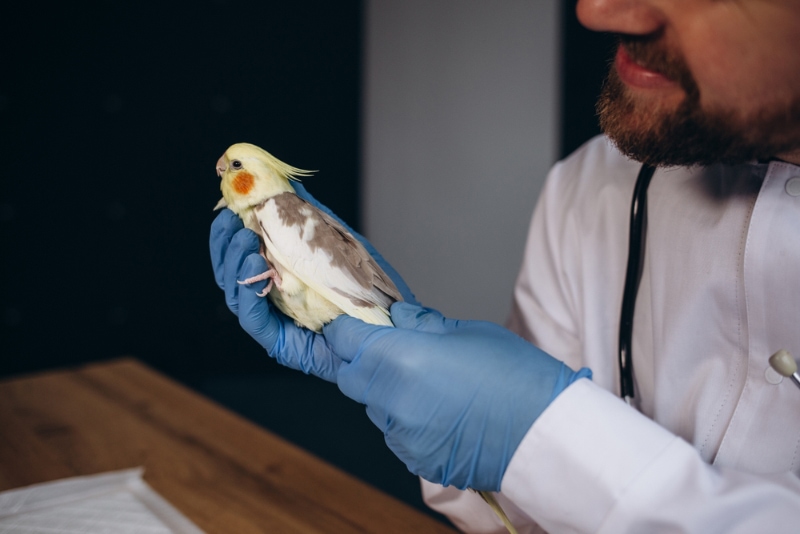
Cockatiels are relatively long-lived birds, particularly if you provide them with a healthy diet that meets their nutritional needs. Monitoring the color and consistency of your bird’s droppings offers a way to keep track of their health. It may even save your pet’s life if you catch the early warning signs of a health condition.
Sources
Featured Image Credit: Nick Beer, Shutterstock
Get Hepper In Your Inbox


Pet care tips from our vets and experts, straight to your inbox.
You may opt-out at any time. View our Privacy Policy for more information.
Chris is an experienced pet writer specializing in science topics, with a particular passion for health and the environment. She has been a writer for over 15 years and lives with her husband and three cats in Michigan.
Beyond writing about cats and dogs, Chris loves to learn about wine. She has WSET 1 and 2 certifications and is currently pursuing her Certified Wine Specialist Award (CSW).
Join the conversation
Ask a question, share your story, or send private feedback.