Hepper is reader-supported. When you buy via links on our site, we may earn an affiliate commission at no cost to you. Learn more.
Why Does My Rabbit Have Diarrhea: Vet Approved Causes & Treatment Options


Rabbits are cute, sociable, and make excellent pets if they are well cared for. However, rabbits are also very sensitive and easily prone to developing gastrointestinal problems due to a complex digestive system. Diarrhea is a common issue in rabbits, and if not properly treated, it can become life-threatening. Many factors contribute to a rabbit battling a bout of diarrhea, such as poor diet, dental issues, bacterial infections, and more.
In this post, we’ll explain why your rabbit might have diarrhea and how to prevent it. All cases of diarrhea in rabbits need prompt veterinary attention. We’ll also discuss what you can do to keep your rabbit as healthy as possible.

Why Does My Rabbit Have Diarrhea?
One reason your rabbit may have diarrhea is from eating a poor diet of too many carbohydrates and not enough fiber. Or, it could be caused by a rapid change in their diet.
Rabbits are herbivores and require a diet consisting mainly of grass hay (preferably Timothy hay), with Timothy pellets as an addition (preferably ⅛ to ¼ cup per 5 pounds of body weight). Hay should account for 85% of a rabbit’s daily food intake, while pellets should be no more than 5%. Overfeeding pellets often leads to soft stools, dental issues, and even obesity. Pellets are high in carbs and low in fiber, so measuring how much you feed your rabbit is vital in keeping the sensitive digestive tract running smoothly.
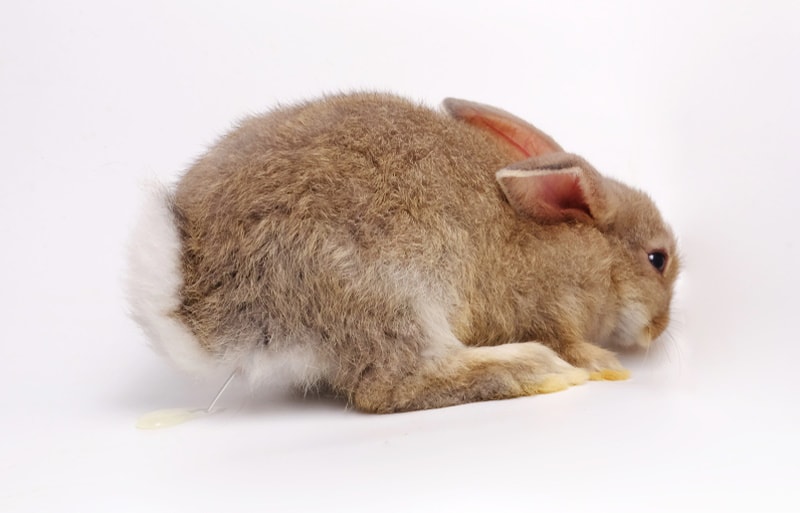
Diarrhea is manifested as abnormal fecal pellets that can be soft, semi-watery, or watery and may contain mucus or blood. Rabbit with diarrhea can easily become dehydrated due to loss of fluid and valuable electrolytes and nutrients. All cases of diarrhea in rabbits require urgent veterinary care, as they can quickly become life threatening. Diarrhea stains the fur around the rabbit’s bottom, and this can lead to potentially deadly fly strike with a maggot infestation if not cleaned promptly, especially in warm summer months and humid climates.
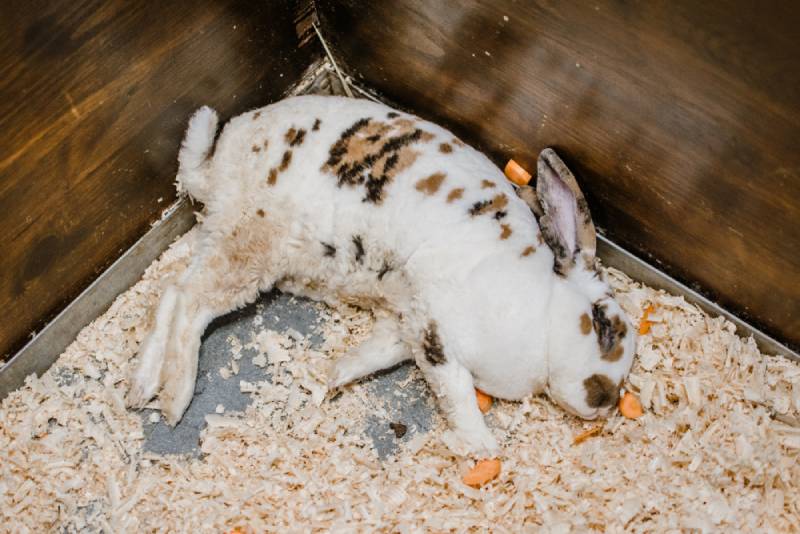
Signs of diarrhea include:
Another very important and common digestive disorder in rabbits is gut stasis. Too many carbs disrupt the pH balance in a rabbit’s gastrointestinal tract, which upsets the healthy bacteria in the gut—this can cause painful gas and toxin buildup, which can make your rabbit develop gastrointestinal stasis, a potentially fatal condition where food stops moving through the GI tract or slows down significantly. It’s important to get your rabbit to the vet immediately so they can treat this life-threatening condition as soon as possible.
Signs of gut stasis are:
The bulk of a rabbit’s diet should consist of high quality fresh hay, such as Timothy, orchard, or brome hay, and ensure you only provide the recommended amount of pellets mentioned above. Alfalfa hay is suitable for young rabbits but not for adults, as this type of hay is too high in calcium and protein. If you’re feeding your adult rabbit alfalfa hay, make the gradual switch to Timothy hay. Poor diet lacking in fiber isn’t the only cause of diarrhea in rabbits, but it is certainly one of the most common reasons.
Other possible causes of diarrhea include:
How To Tell A Normal Cecotrope From Diarrhea?
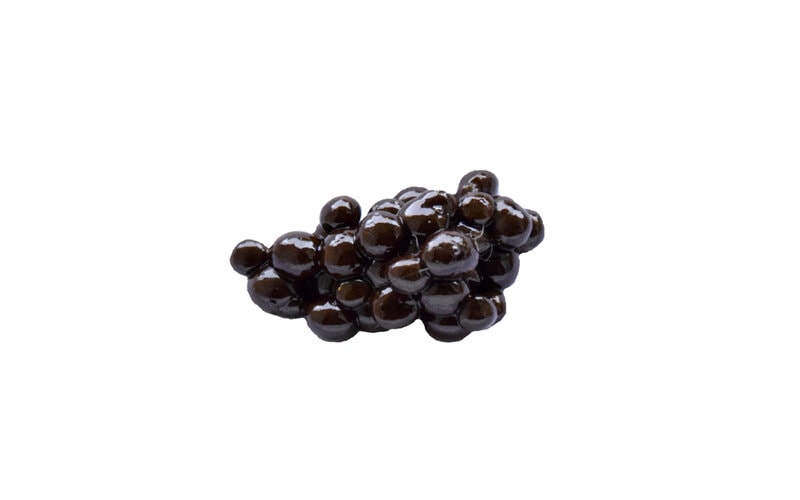
As a rabbit owner, you have probably heard of cecotropes. They are a soft and sticky brown or black type of rabbit poo that clumps together and has a strong odor. You will rarely come across them in healthy rabbits. Rabbits eat them straight away from their bottom as they are produced, usually first thing in the morning and at night. Cecotropes are rich in nutrients and gut bacteria, and this way, rabbits are able to make the best use of their food by eating it twice.
Sometimes, cecotropes found in rabbit hutches can be mistaken for diarrhea. But finding cecotropes is another reason to contact your vet and get your rabbit checked out, as this usually means something is not right. If not eaten, cecotropes often stick to the rabbit’s fur around the bottom area or get smeared on the floor and resemble diarrhea. Sometimes cecotropes are abnormal and malformed and rabbits might not want to eat them.
Some of the reasons why rabbits are not eating their cecotropes may involve the following:
All of these reasons need prompt veterinary attention. Bring a sample of your rabbit’s poo to the vet as well so they can confirm if your rabbit is having diarrhea or not eating their cecotropes.
What Can I Do to Stop My Rabbit’s Diarrhea?
There is nothing you can do at home to stop your rabbit’s diarrhea before consulting with your vet. If your rabbit has developed diarrhea, an urgent trip to the vet is warranted to determine the cause because it may be something besides the diet that’s causing it in the first place. All cases of diarrhea will require treatment from your vet regardless of the cause, as diarrhea can very quickly cause dehydration and pain in your rabbit, reducing their appetite and making them seriously ill. This is why it is important to make the appointment urgently before the condition worsens.
A common parasitic disease causing diarrhea in rabbits is caused by coccidia, a microscopic parasite that lives in the intestines and often affects the liver. This disease can cause watery stools and weakness and can progress to a fatal liver infection. Coccidiosis spreads when your rabbit eats contaminated feces, usually from their mother, father, or another rabbit. Some rabbits may carry the parasite but have no obvious signs of illness, and this will depend on their immune system. Young and immunocompromised rabbits, especially if kept in poor conditions or eating an inadequate diet, will be most significantly affected and may even die if left untreated.
Roundworm, most commonly pinworm, and rarely tapeworm infestations can also cause diarrhea. To determine the exact cause of your rabbit’s diarrhea, your rabbit and their feces must be examined by your veterinarian. After the cause is determined, a treatment plan can be implemented.
Your rabbit’s diet could be the only reason why your rabbit has diarrhea, and if that’s the case, your veterinarian can advise on exactly how to feed your rabbit to keep them healthy. Even in this case, rabbits will often require veterinary treatment for diarrhea, as the condition can easily get out of hand and make your rabbit very ill.
How to Keep Your Rabbit Healthy and Safe
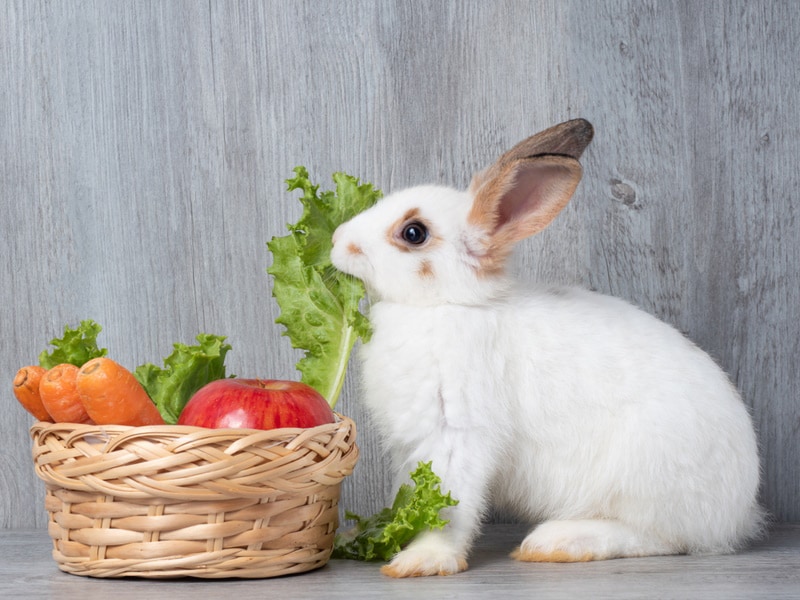
Your rabbit’s diet is crucial in keeping your rabbit healthy. Ensure that you feed your adult rabbit Timothy or another high quality hay, as this should make up the bulk of the diet, and your rabbit should have access to Timothy hay at all times. You can provide pellets of up to 5% and leafy greens as up to 10% of your rabbit’s total daily food amount, but make sure that you don’t overfeed pellets due to their high carb and low fiber content. You can also feed your rabbit a small amount of fresh fruits and vegetables, which is another important component of your rabbit’s diet. Suitable greens and fruits are:
- Spinach
- Parsley
- Kale
- Turnip greens
- Apples (without stems and seeds)
- Pears
- Banana (without the peel)
- Melons
- Kiwi
- Papaya
It’s very important to remember that all of these veg and fruit choices need to be offered in moderation, making up no more than 10-15% of your rabbit’s total daily food amount. Some leafy greens are high in calcium and may contribute to bladder sludge or stones if fed excessively. Many fruits and veg are rich in carbohydrates and should only be given sparingly, as they may lead to digestive issues, obesity, and dental problems. It is best to combine many different fruit and veg choices in small amounts rather than offering one or two daily in larger amounts.
An appropriate daily amount is roughly 1 cup of leafy greens for 2 pounds of your rabbit’s body weight, divided multiple times daily, rather than being offered all at once. An appropriate amount of fresh fruits is 1 teaspoon per 2 pounds of body weight, also divided into multiple feedings daily. Stay away from dried fruits, as they are loaded with sugar.
Provide fresh water for your rabbit 24/7, and keep their hutch and living area clean and sanitary. You should clean the hutch every few days, with a regular clean-out done once per week. Thoroughly clean food and water containers daily, and remove soiled bedding or shavings from the cage. Ensure you use a quality pet-friendly disinfectant, but move your rabbit out of the hutch during the cleaning, and follow the instructions for use precisely. Lastly, check and remove uneaten fresh food from the food bowl several times per day, as it may attract insects and bugs, and get contaminated with dust and environmental bacteria.

Final Thoughts
Rabbits have very sensitive digestive systems, and feeding a proper diet is vital in keeping your pet rabbit safe and diarrhea-free. Seek your veterinarian's advice if you are unsure how to feed your rabbit, and promptly take your rabbit to the vet for an examination to determine exactly what is causing diarrhea so an accurate treatment plan can be implemented.
Sources
https://www.medivet.co.uk/pet-care/pet-advice/rabbit-nutrition-guide/
https://vcahospitals.com/know-your-pet/gastrointestinal-stasis-in-rabbits
https://www.pdsa.org.uk/pet-help-and-advice/pet-health-hub/symptoms/diarrhoea-in-rabbits
https://www.pdsa.org.uk/pet-help-and-advice/looking-after-your-pet/rabbits/feeding-your-rabbits
https://www.rspca.org.uk/adviceandwelfare/pets/rabbits/health/poisoning/common
https://www.medivet.co.uk/pet-care/pet-advice/worms-in-rabbits/
https://oxbowanimalhealth.com/blog/what-are-the-best-vegetables-and-leafy-greens-for-rabbits/
https://www.mulberryvets.co.uk/pet-advice/rabbit-care#how-often-do-i-need-to-clean-my-rabbit-hutch-
https://www.bluecross.org.uk/advice/rabbit/wellbeing-and-care/cleaning-rabbit-housing
Featured Image Credit: ZouZou, Shutterstock
Get Hepper In Your Inbox


Pet care tips from our vets and experts, straight to your inbox.
You may opt-out at any time. View our Privacy Policy for more information.
Rachel Giordano is a writer and musician out of Pensacola, Florida, living there with her partner and their two dogs, Aero, a Border Collie/Sheltie mix, and Sophie, a Boston Terrier. Rachel has a Bachelor of Arts degree in communication and enjoys writing about all types of animals. When Rachel’s not dedicating her time to writing about animals, she enjoys writing thriller/suspense novels. A writer by day and a musician by night, she's passionate about educating the public about the requirements and needs of all types of animals.
Join the conversation
Ask a question, share your story, or send private feedback.