Hepper is reader-supported. When you buy via links on our site, we may earn an affiliate commission at no cost to you. Learn more.
Does a Cat Have Scent Glands in Their Paws? Pheromone Communication 101


The scent is an important mode of communication for a cat. Humans have between five and 20 million scent receptors within their noses, while cats have about 67 million to indicate sexual receptivity, mark territory, and interact socially.
Interestingly, one of the ways a cat deposits scents is through their paws. Cats have scent glands in all four of their paws, which release pheromones onto the object they’re scratching.

Understanding a Cat’s Paws
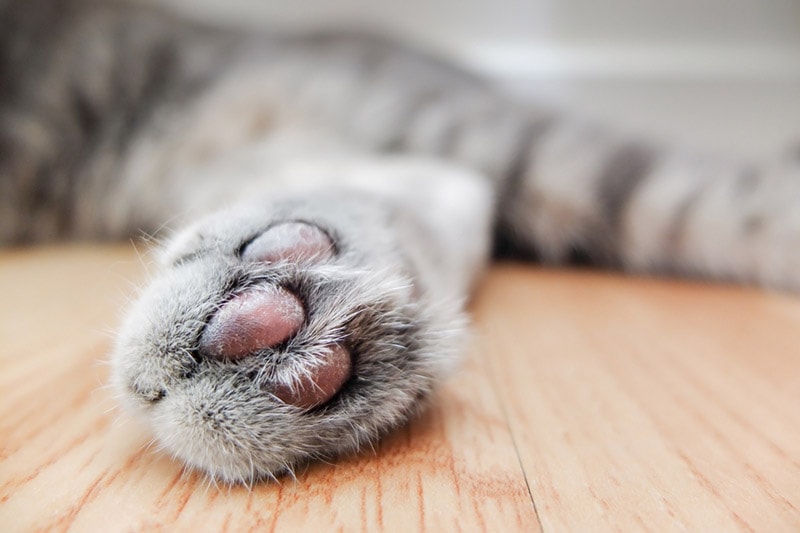
A cat’s paw is an important part of their anatomy. Each paw consists of soft skin, hair, and tissue packed with nerve endings, blood vessels, and fatty tissue.
A cat's paws have several uses:
Cat Paw Uses
A cat’s front paws have five digital pads on each toe, a round metacarpal pad in the middle, and a carpal pad further up the leg. Their rear paw pads are similar to their front paw pads, except their hind paws don’t have a carpal pad and have fewer digital pads (four).
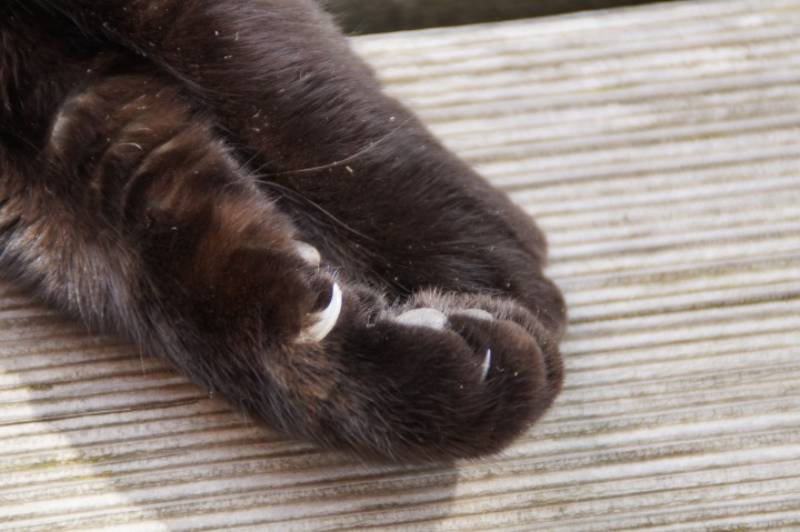
Along with all these purposes, cats use their paws and claws for communication and to leave their scent behind. When a cat scratches, they deposit pheromones from small glands—interdigital glands—found between their pads.
Cats will paw at surfaces to leave their scent or scratch, which serves to communicate and maintain their claws. This is often on surfaces that have different scents that cats may want to cover up with their own, such as the smell of humans, the outdoors, or other pets.
How Else Do Cats Leave Their Scent Behind?
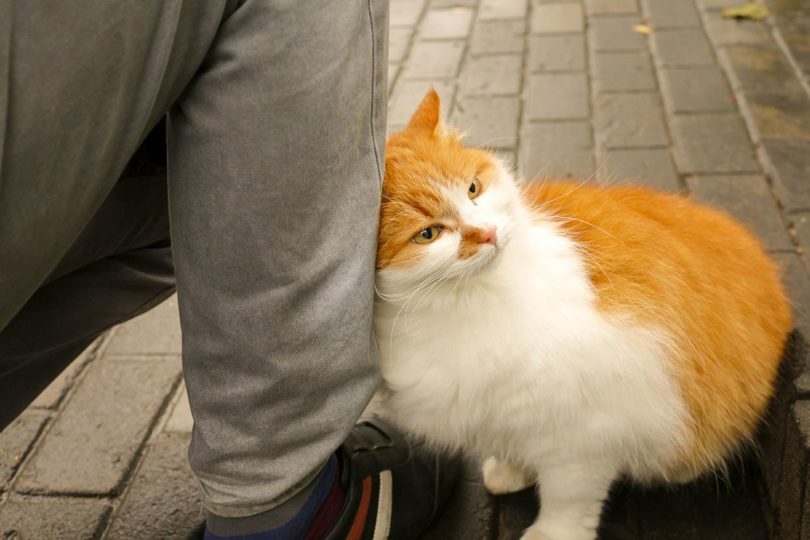
Cats may paw or scratch at objects to release pheromones, but they also have scent glands in their cheeks or the rest of their bodies. For example, your cat rubbing their face against you may be a sign of affection, but they're also depositing scents from the cheek area and claiming ownership.
What to Do If Your Cat Is Destructive
Rubbing against objects may be fine, but if your cat starts scratching your furniture or moldings, it could be a problem.
Fortunately, it’s easy to redirect your cat to appropriate scratching. Provide a scratch post or scratch mat to give your cat an outlet for scratching. Many cats enjoy cardboard, but sisal rope or pieces of carpet provide some changes in texture that could be appealing. Professional advice from a cat trainer and your veterinarian is recommended to help rule out underlying causes of aggression and destructive behavior.
IMPORTANT!
It’s best to choose a versatile scratching post that has a few different designs and surfaces, so your cat can experiment a bit.
Here at Hepper, we love cardboard as a cat scratcher material. We love it so much that we have designed our very own beautiful, modern-looking, and excitingly functional Hi-Lo Cat Scratcher. Purposefully crafted for feline satisfaction from solid birch plywood with a non-toxic gloss coating, it ensures exceptional sturdiness, making it a long-lasting addition to your home.

- Premium Materials - Hepper's cardboard scratcher is made with dense, B-flute cardboard, and a metal core. Encased in a 1/2" plywood frame with gloss coating. Stable and beautiful, use after use
- High, Low and Lower - A single cat scratch pad won't keep your cat engaged. 3 unique positions keeps them coming back, and back, and back again. Finally, something to get them away from the couch!
- Activates Muscles - The Hi Lo isn't just a cat nail file to stop the chief cat couch scratcher. The deep cat scratcher wave encourages maximum musculoskeletal activation for a healthier workout
With three positions, dense B-flute cardboard, and replacement options for even the wildest of scratchers, this scratcher offers style, engagement, and durability in one standout piece. Click here to learn more about our Hepper Hi-Lo Scratcher.
Final Thoughts
Cats communicate a lot through scents from glands found on their forehead, cheeks, back, tail, and paw pads. When cats paw or scratch, they release pheromones that only other cats can smell, marking territory (and you!) as their own.
Sources
Featured Image Credit: patthamapong, Shutterstock
Get Hepper In Your Inbox


Pet care tips from our vets and experts, straight to your inbox.
You may opt-out at any time. View our Privacy Policy for more information.
Nicole is a lover of animals of all sizes but is especially fascinated with the feline variety. She’s the proud mom of Baby, a Burmese, and works every day so he can relax in the sunshine or by the fire. She’s always had a cat in her home and has spent countless days with others, observing behaviors and softening up even the grouchiest of the lot. Nicole wants to share her kitty expertise with you so you and your cat can live happy, healthy, and care-free.
Join the conversation
Ask a question, share your story, or send private feedback.