Hepper is reader-supported. When you buy via links on our site, we may earn an affiliate commission at no cost to you. Learn more.
Why Is Cat Declawing Illegal in Australia? Vet-Reviewed Facts & FAQ


In this article
Declawing cats is a contentious issue across the world and it’s actually illegal in Australia. You may hear strong arguments both for and against cat declawing, but ultimately, it is an unnecessary surgery that can cause pain, distress, and behavioral problems in cats. In this article, we will explore why cat declawing is illegal in Australia.

What Is Cat Declawing?
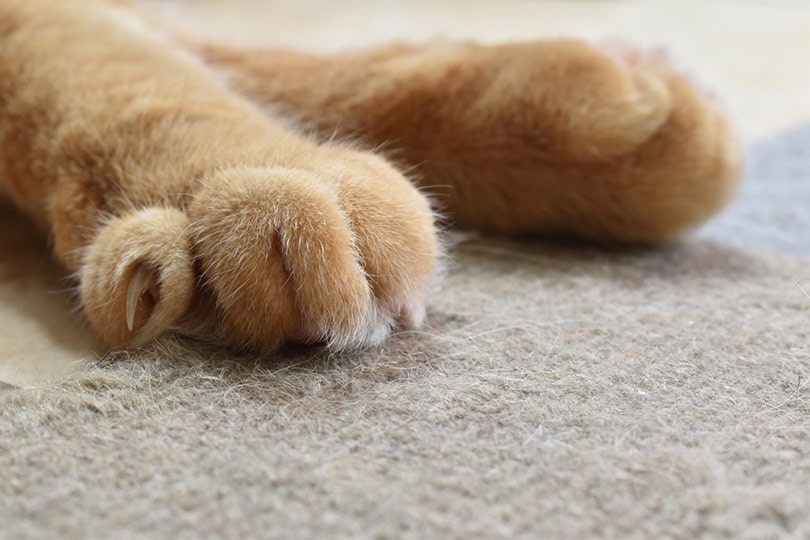
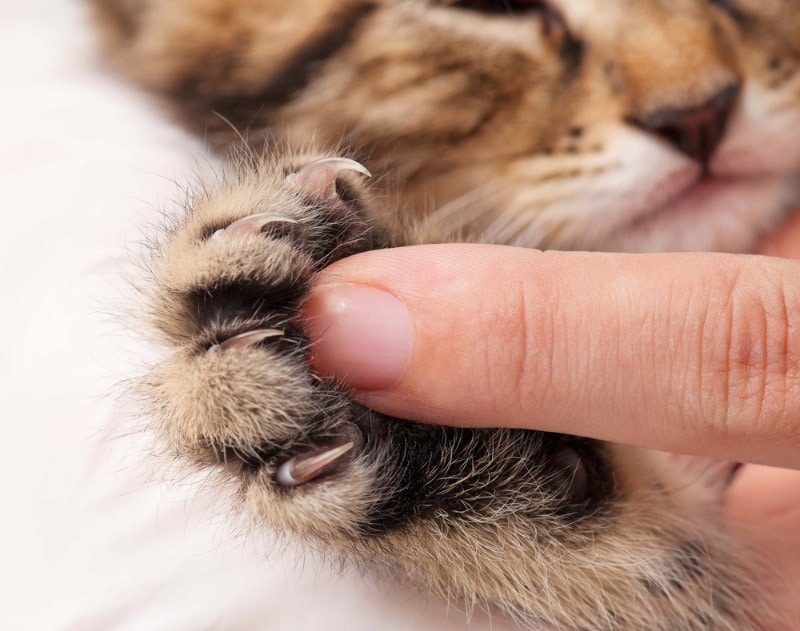
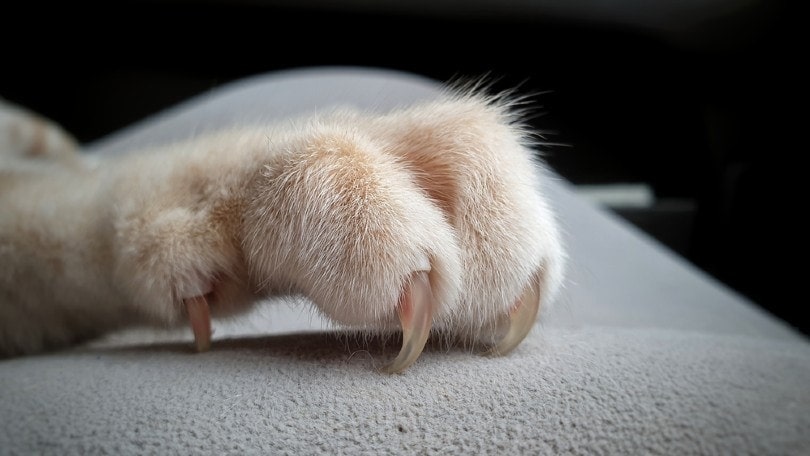
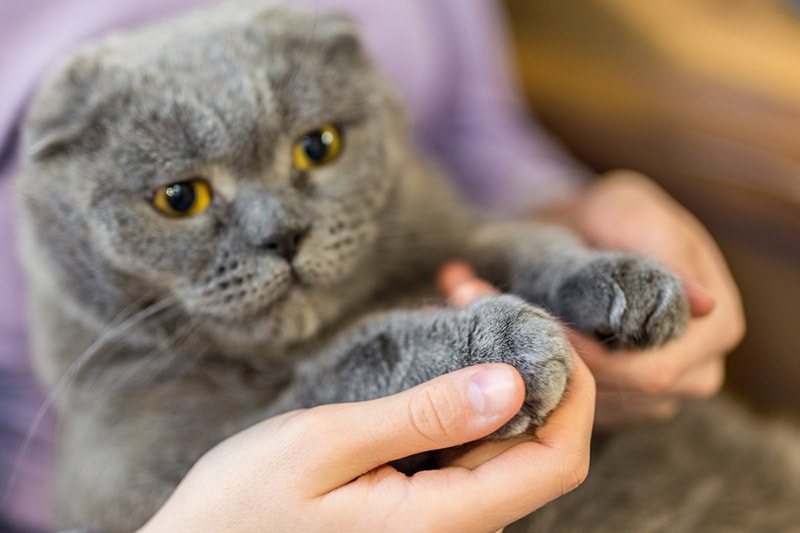
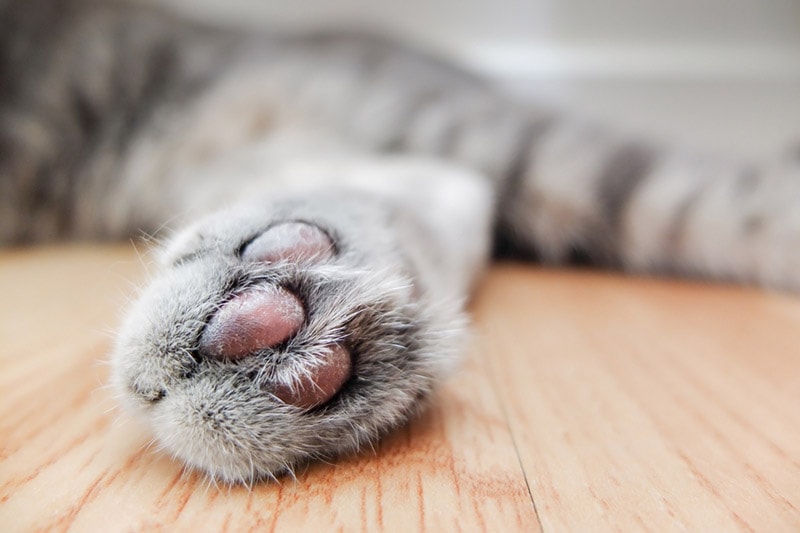
Cat declawing, medically known as onychectomy, is a surgical procedure that involves the amputation of a cat’s claws and part of the bones of their toes. This process involves the removal of the third phalanx and claw of each toe, causing cats to be unable to scratch. While the surgery is meant to make cats less destructive in the home, it prevents the cat from displaying a natural behavior and can cause pain and long-term health issues.
Cat declawing has been illegal in Australia since 2001. Declawing is also illegal, except for veterinary medical reasons, in many European countries, the UK, and some Canadian provinces.
Why Is Cat Declawing Illegal?
The main reason why cat declawing is illegal in Australia is because it’s considered an unnecessary and cruel procedure that puts cats at risk of negative physical and behavioral consequences.
Cat declawing can potentially cause extreme pain and distress to cats, as well as a host of physical complications. The procedure can cause chronic inflammation, arthritis, infections, nerve damage, lameness and more. It also has a behavioral impact on cats because it can leave them feeling vulnerable and exposed without their natural defenses.
The ban on cat declawing in Australia is also a reflection of the country’s strong animal welfare laws. The Australian government believes that animals should be treated with respect and without unnecessary harm or suffering, and it has taken a firm stance against cruel practices like cat declawing.
What Are the Reasons for Declawing a Cat?
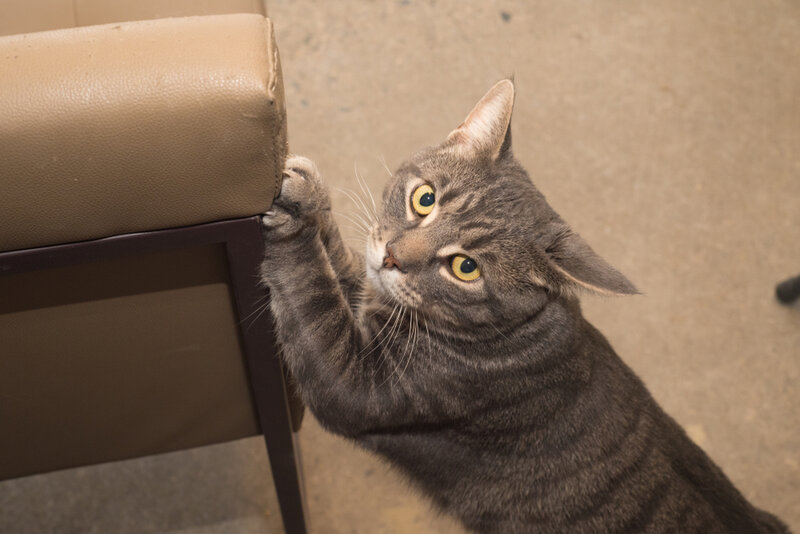
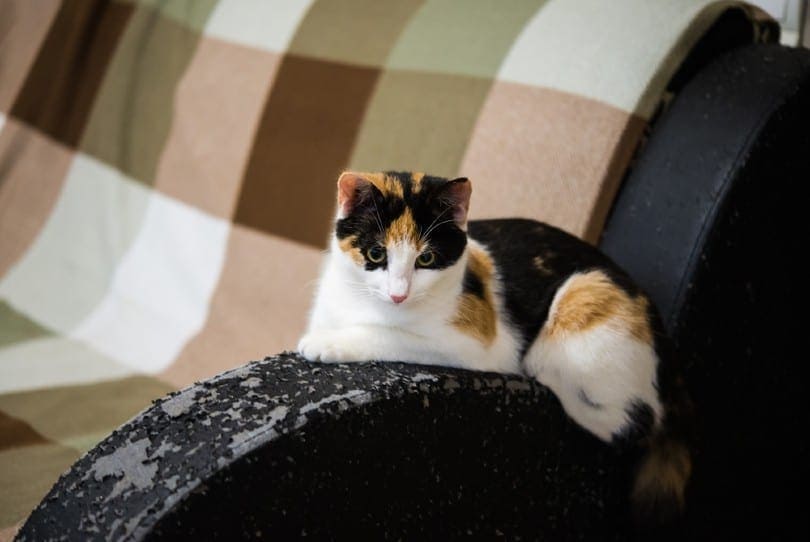
Before the ban on cat declawing, some owners may have turned to this procedure as a way to prevent their cats from scratching furniture or carpets. However, there are more humane alternatives that can be used to redirect this natural behavior.
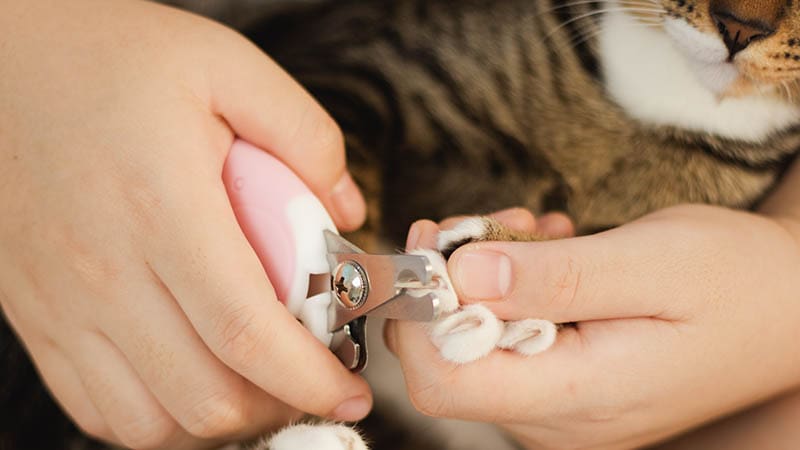
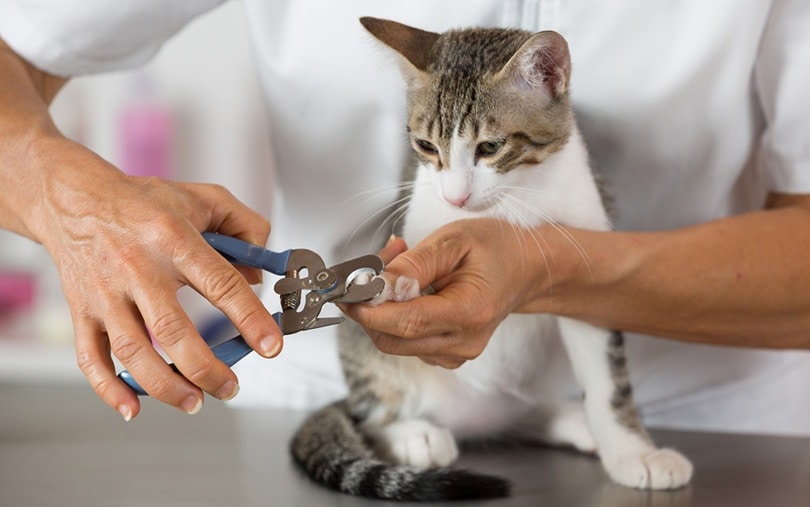
If you are considering cat declawing, you should ask your vet to provide you with alternatives. For example, regular nail trimming, training, and offering a variety of scratching posts can help reduce or eliminate destructive scratching. These methods are much kinder to cats and don’t require invasive surgery or put them at risk of pain and suffering. A controversial alternative is to cover your cat's claws with soft tips, like Soft Paws, but you should speak to your vet if you’re considering this option.
What Are the Long-term Effects of Declawing a Cat?
The long-term effects of cat declawing can be serious. Cats who have been declawed may suffer from infections, lameness, and back pain. A 2023 study showed that declawing has a direct impact on the muscles of cats’ legs, causing them to be weaker and biomechanically compromised
Do Declawed Cats Have Behavioral Problems?
A 2018 study investigated the impact of cat declawing on back pain and behavioral problems. It found that declawed cats were more likely to suffer from behavioral issues, such as aggression, inappropriate elimination, biting, and other abnormal behaviors.
How Much Does It Cost to Declaw a Cat?
Cat declawing can be an expensive procedure, costing anywhere from $600 to nearly $2,000. In Australia, where the practice is illegal, it’s impossible to legally access the service and anyone who attempts to do so could face serious legal consequences.
How Much Does It Cost to Provide Vet Care to Declawed Cats?
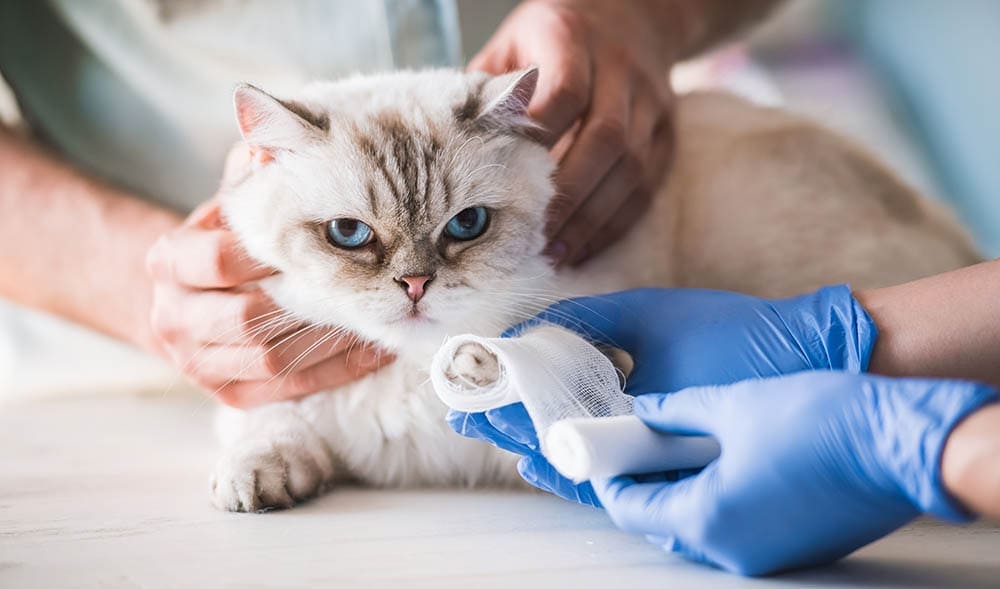
The cost of providing veterinary care to cats who have been declawed or otherwise suffered from deformities can be high. Treatment for medical issues such as arthritis, paw pad problems, and abnormal gait related to declawing can be expensive. Additionally, physical therapy may be necessary in order to help the cat regain mobility and prevent additional pain. The cost of vet care for cats with these issues can vary, but it’s likely to be thousands of dollars over the lifetime of your pet.
Breakdown of Potential Costs:
| Declawing Procedure: | $600-$2,000 |
| Chronic inflammation treatment: | $500-$2,000 |
| Infections and other complications treatment: | $500+ |
| Physical therapy: | $500+ |
| Pain management: | $100+ |
| Overall vet care cost: | Potentially thousands of dollars |
These costs are just the tip of the iceberg and can vary drastically, depending on the individual cat.
What Are Some Nail Care Products for Cats? Alternatives to Declawing
Nail care is an essential part of any cat’s health and welfare. Regular nail trimming is important to help keep cats’ nails healthy and from growing too long. Additionally, there are several products available that can help protect your furniture (and your body!) from a cat’s claws.
1. Scratching Posts
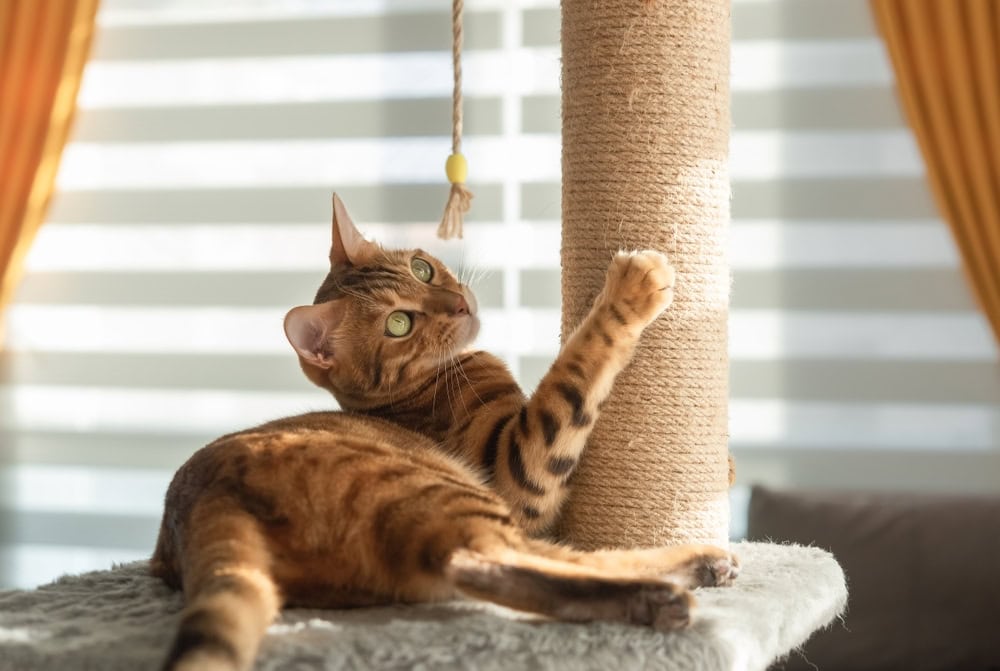
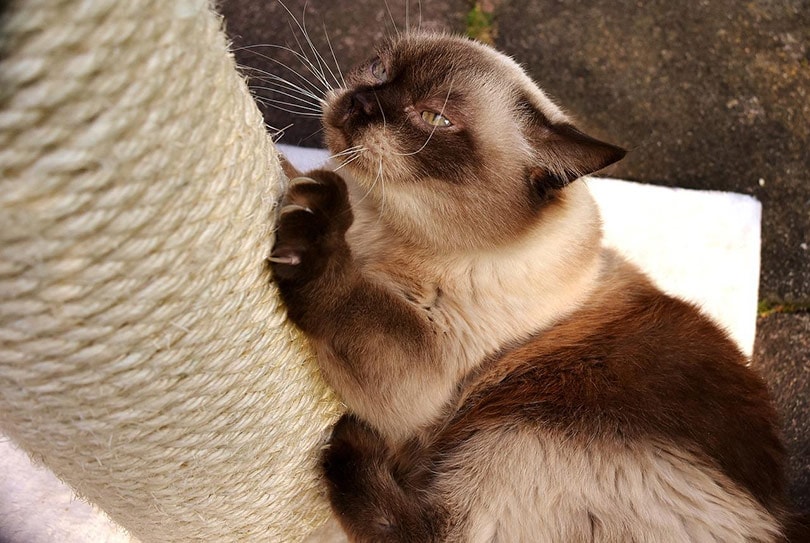
Scratching posts come in many different varieties and types. Some are designed to hang from any door handle or wall hook, making it convenient and easy for cats to use, while others are just placed on the floor. Some also come with catnip, which encourages cats to scratch the post instead of furniture. Scratching posts can also be made from many different textures, including sisal rope and even carpet. Many of them also have platforms and condos on top or underneath to give your cat space to rest and play.
2. Cat Claw Scissors
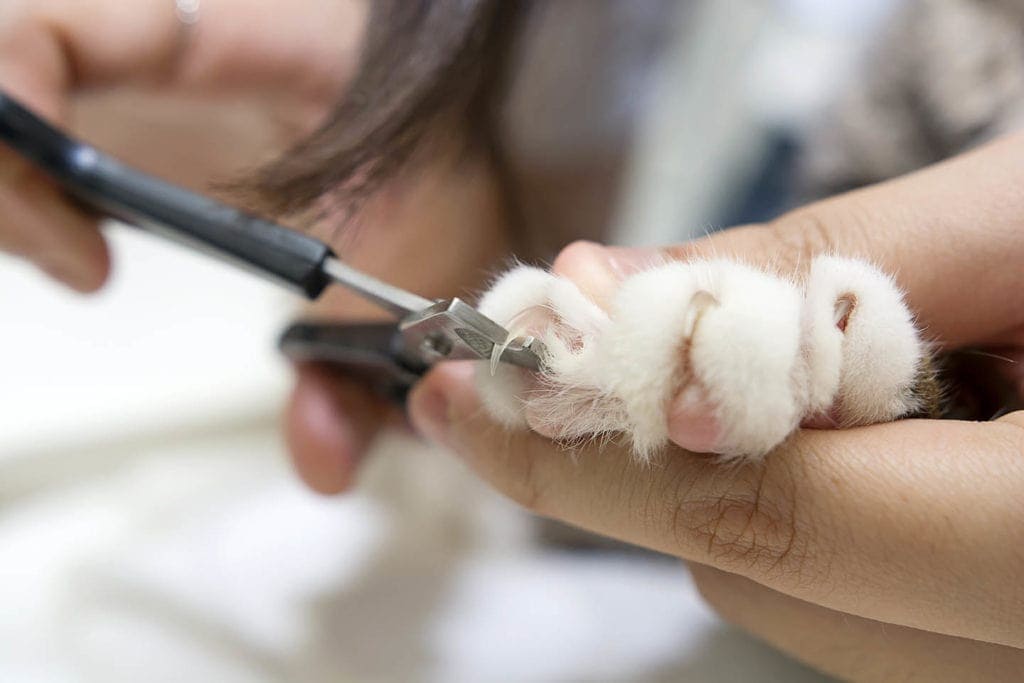
These scissors are designed specifically for cats, making it easier to trim their nails without accidentally cutting too deep. They're easy to hold and grip, and they're sharp enough to cut quickly without cracking or splitting the nail.
3. Nail Caps
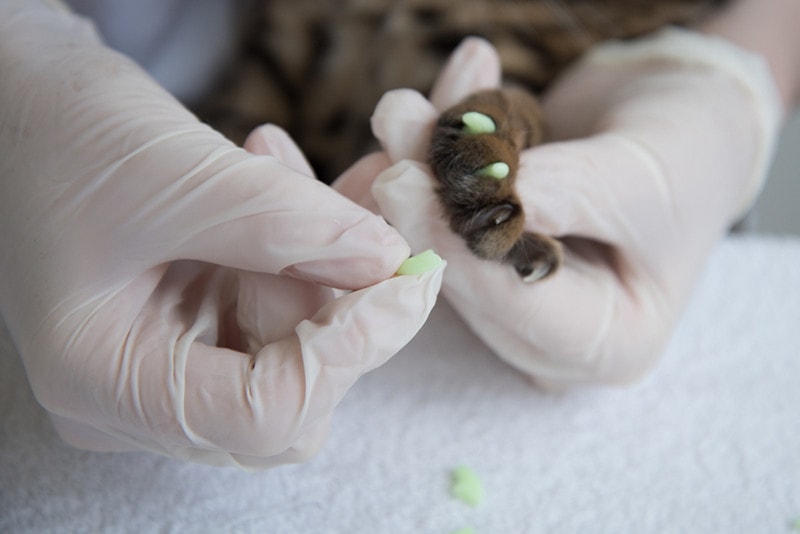
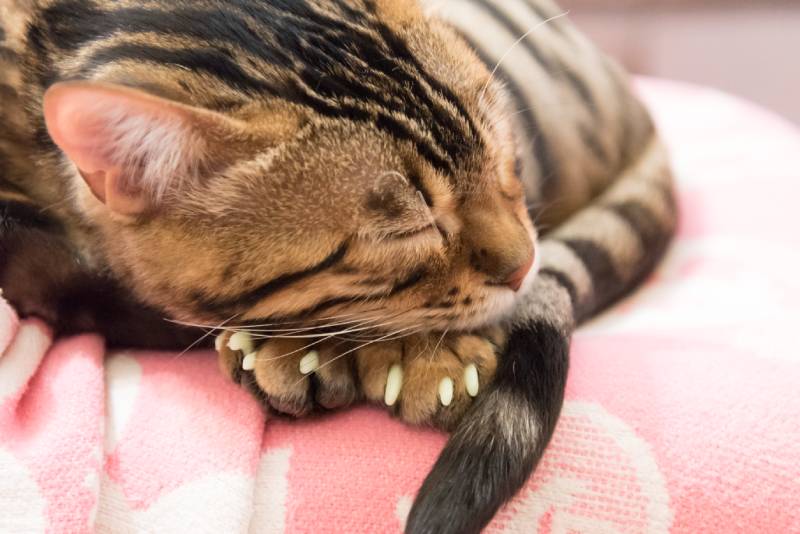
Cat nail caps are designed to go over your cat’s nails to prevent them from causing damage to surfaces in your home by scratching. Nail caps are controversial because most cats don’t tolerate them, they need to be replaced often, and cats are not able to display normal behaviors while wearing them.
Cat Declawing FAQs
What Is the Ban on Declawing Cats?
The ban on cat declawing is a law or regulation that prohibits or restricts cat declawing unless there is a medical reason to perform it. In Australia, it’s currently illegal to declaw cats, and anyone who attempts to do so could face serious legal consequences.
How Can I Protect My Furniture From Cat Scratching?
If your cat is showing undesired behaviors, such as furniture scratching, you should speak to your vet to try to understand if there’s an underlying problem. Additionally, there are several methods of protecting furniture from cat scratching, such as providing cats with scratching posts and trimming their nails regularly to prevent overgrowth.
What Are the Alternatives to Declawing Cats?
In addition to providing scratching posts and trimming nails regularly, there are also several alternatives to declawing cats that can help protect your property from damage without harming the animal. These include behavioral training, positive reinforcement like clicker training, and aversion techniques such as using a spray bottle filled with water.
Is Declawing Cats Ethical?
The practice of declawing cats is widely considered to be unethical due to the negative impact on cat’s anatomy and behavior. Additionally, declawed cats are deprived of their natural defense mechanism which can lead to heightened anxiety, fear, and stress. As such, it’s generally accepted that declawing cats is an inhumane practice and should be avoided.
Can I Cut My Cat's Nails?
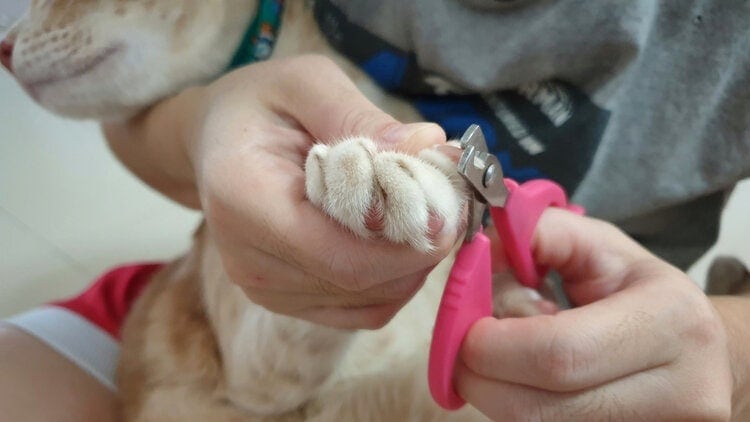
Yes, you can cut your cat's nails with the right tools. It’s important to use a sharp clipper specifically designed for this purpose and provide your cat with gentle but firm pressure when clipping their nails. Additionally, you should be sure to avoid cutting too close to the quick (the sensitive area of tissue inside the nail that contains nerve endings and blood vessels) to avoid pain or infection. It’s also wise to provide treats and praise after the procedure is complete in order to help ease any anxiety your cat may have.
What if I Cut My Cat's Nail Too Short?
If you accidentally cut your cat’s nail too short and they begin to bleed, you should immediately apply pressure with a clean cloth or gauze to stop the bleeding. If the bleeding continues for more than 5 minutes, seek veterinary care as soon as possible. Additionally, be sure to watch for signs of infection in the affected area such as redness, swelling or discharge.
How Can I Help Declawed Cats?
If you know someone with a declawed cat, you should ensure the cat is kept away from areas where they may encounter unfriendly animals or hazardous objects. You can also observe the cat regularly for signs of pain or discomfort.
You can also volunteer at a local shelter to provide declawed cats with the care and attention they need. This includes providing food, water, companionship, and enrichment activities to help them adjust to their new environment. Additionally, you can donate money or supplies for their medical care or offer to foster them until a forever home is found.
Finally, spread awareness about the inhumane nature of declawing cats and encourage people to consider alternatives. Remember, declawing can have a profound negative impact on a cat’s quality of life and should never be taken lightly. By working together, we can make sure all cats live happy and healthy lives free from unnecessary suffering.
Conclusion
Cat declawing is an unnecessary and cruel procedure that can cause pain mobility and behavioral problems in cats. It’s illegal in Australia, where animal welfare laws are strong, and it can lead to long-term medical issues as well as behavioral problems. Furthermore, the cost of providing veterinary care for cats who have been declawed or have suffered from other deformities can be high. The best way to prevent damage is through regular nail trimming and training cats to use scratching posts.
Featured Image Credit: Gorloff-KV, Shutterstock
Get Hepper In Your Inbox


Pet care tips from our vets and experts, straight to your inbox.
You may opt-out at any time. View our Privacy Policy for more information.
Nicole is a lover of animals of all sizes but is especially fascinated with the feline variety. She’s the proud mom of Baby, a Burmese, and works every day so he can relax in the sunshine or by the fire. She’s always had a cat in her home and has spent countless days with others, observing behaviors and softening up even the grouchiest of the lot. Nicole wants to share her kitty expertise with you so you and your cat can live happy, healthy, and care-free.
Join the conversation
Ask a question, share your story, or send private feedback.