Hepper is reader-supported. When you buy via links on our site, we may earn an affiliate commission at no cost to you. Learn more.
4 Homemade Catnip Tea Recipes for Cats: Vet-Reviewed Benefits


In this article
Catnip tea is an herbal tea made from the leaves and flowers of the catnip plant, Nepeta cataria. Catnip is also referred to as “catmint” because of the slightly minty smell of the plant.
Teatime with your kitty isn't healthy unless you make their tea with catnip. After all, we all know how much cats fancy catnip! Catnip tea is a safe and refreshing drink for your cat that is made by steeping the leaves of a catnip plant in boiling water and serving once it has cooled. While the tea-making process is pretty simple, some online recipes are better than others. Below, we have four excellent recipes for the only type of tea you can have with your cat!

The 4 Homemade Catnip Tea Recipes for Cats
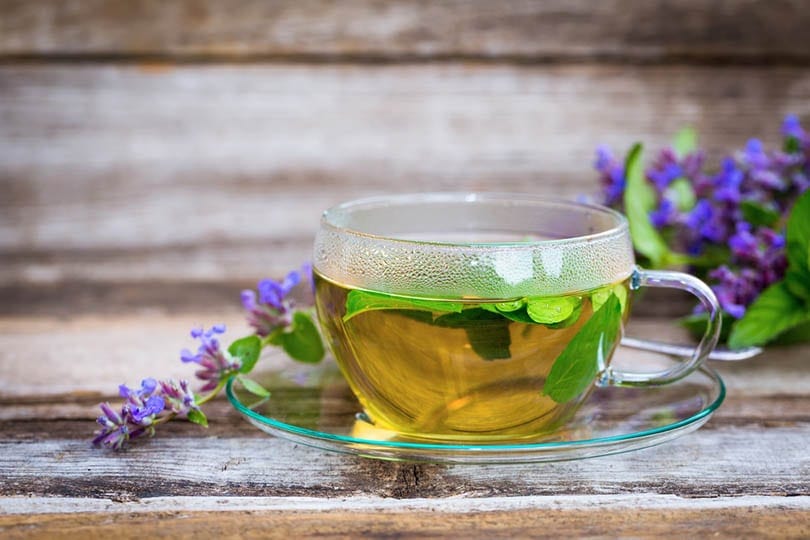
1. Catnip Tea with Broth
Catnip Tea with Broth
This recipe can be incredibly enticing to cats. In addition to the catnip, the chicken broth is a great additive that includes extra flavor. Make sure to use sodium-free chicken broth, as salt has toxic effects on cats. Ensure the broth has no toxic ingredients such as garlic and onion.
5 stars
Prep time
2 min
Total time
2 min
Servings
1 container
Ingredients
- 1 tablespoon dried catnip
- 1 cup warm water
- ¼ teaspoon chicken broth
Instructions
- Place the warm water in a container with a tight-fitting lid.
- Add the catnip and chicken broth to the water.
- Shake vigorously until well mixed and the catnip has given the tea a greenish coloration.
- Serve up to ¼ cup of the tea to your cat in a shallow bowl.
- Store the remainder in the refrigerator for up to 3 days.
2. Catnip Tea with Milk
Catnip Tea with Milk
This recipe includes dried organic catnip, hot water, and whole milk. The milk is what sets this recipe aside from the others. This recipe cannot be stored, as the milk should not be re-refrigerated after it has been warmed in the tea. This recipe is only suitable for cats that can tolerate a small amount of dairy in their diet occasionally.

Ingredients
- 1 tbsp Dried Organic Catnip
- 8 ounces Hot Water
- 1 tbsp Whole Milk
Instructions
- Place the catnip into a tea strainer or tea ball
- Let the catnip steep in the water for approximately 5 minutes
- Remove the catnip and add the milk to the tea
- Do not serve until the tea has cooled
- Serve up to ¼ cup of the tea to your cat in a shallow bowl
- Discard after serving
Notes
3. Fresh Catnip Tea
Fresh Catnip Tea
Fresh catnip tea is simple to prepare; you just swap out the dried catnip leaves for fresh ones. Fresh catnip leaves can be cut to release more of the oils retained in the leaves, which will make the tea stronger. The leaves can also be used whole.
Ingredients
- 20 pcs Fresh Catnip Leaves
- 2 cups Water
Instructions
- Bring the 2 cups of water to a boil in a pot
- Add the leaves to a mug or teacup
- Remove the water from the heat and wait until it stops boiling
- Pour the water into the cup and let it brew and cool for about 5 minutes
Notes
4. Simple Catnip Tea
Simple Catnip Tea
The name of this recipe pretty much speaks for itself. The only two ingredients are dried catnip and water. These directions are designed for a tea steeper, but the leaves can also be placed in a tea ball and dropped into the water.
2.5 stars from 4 votes
Ingredients
- 1 tbsp Dried Catnip
- 2 cups Water
Instructions
- Place dried catnip in the tea steeper
- Pour boiling water over the catnip
- Let steep for 3-5 minutes
- Ensure the tea is cool before serving to your cat
- The leftover tea can be kept in the refrigerator for up to 5 days
Notes

Can Humans Drink Catnip Tea?
Your cat is not the only one who gets to enjoy catnip's benefits. You undoubtedly do not experience the same euphoric effects as your cat, but the plant's benefits are backed by science. Remember that large amounts of tea can adversely affect the body and lead to an upset stomach, drowsiness, and, in some cases, allergic reactions.
Keep in mind that several herbs can interact with prescription medications, so if you take medication, consult your doctor first. Let’s have a quick look at some of the health benefits of catnip for bipedal creatures:
Health Benefits of Catnip Tea for Humans
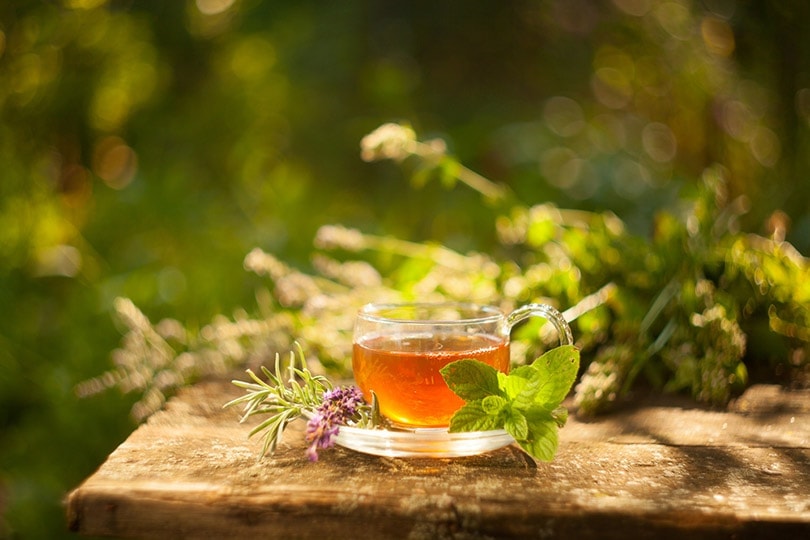
- Provides better sleep and overall relaxation
- Soothes the digestive system and reduces gas and cramps
- Reduces anxiety and nervousness
- Relieves colic in infants (do not provide to infants without first consulting pediatric physician)
What Is It About Cats and Catnip?
Catnip is well known for its effects on cats. The root of this effect goes hand in hand with their extra scent gland. A cat’s vomeronasal gland carries the scent of nepetalactone (the oil in the catnip plant’s leaves) to their brain, resulting in behavioral changes.
The behaviors exhibited include signs of affection, relaxation, and overall happiness. Some cats may become active and playful, while others may become more agitated and aggressive.
While not all cats respond to catnip, studies have shown that 60 percent of cats exhibit behavioral changes due to catnip. The effects can vary in length but last approximately 10 minutes and will slowly wear off.
Conclusion
Now that you have all the information you need to brew catnip tea, your next teatime can include your cat. The recipes are flexible, and you can adjust them as needed. Your cat can enjoy catnip tea, but you can also consume it for additional health benefits. Generally, it’s best to consult your veterinarian and your physician, especially if you or they take medicine, to be on the safe side.
Featured Image Credit: Vimaliss, Shutterstock
Get Hepper In Your Inbox


Pet care tips from our vets and experts, straight to your inbox.
You may opt-out at any time. View our Privacy Policy for more information.
Lindsay is a wife, mother, nature enthusiast, animal lover, and business major. She was born and raised in the United States and now lives in Tulsa, Oklahoma. She shares her home with a German Shepherd, several snakes, tarantulas, and a couple of rescue cats.
Lindsay and her husband enjoy traveling the US with their children and photographing wildlife. Lindsey is passionate about proper animal care and education around it!
Join the conversation
Ask a question, share your story, or send private feedback.