Hepper is reader-supported. When you buy via links on our site, we may earn an affiliate commission at no cost to you. Learn more.
How Do Vets Handle Aggressive Cats: Our Vet Answers

In this article
While many of our feline patients will be very docile and amenable to examination and treatment, some are understandably nervous and reactive. Not all cats love a trip to the vet. Leaving their territory and home comforts behind, being bundled into a cat carrier, and then being examined can promote a fear response in even the most docile of felines. Fearful or nervous cats may become reactive and aggressive. So, how do we manage our feline patients in the clinic? And what can you do at home to reduce your cat’s stress during a veterinary visit and limit their aggression?

How Do You Take an Aggressive Cat to the Vet?
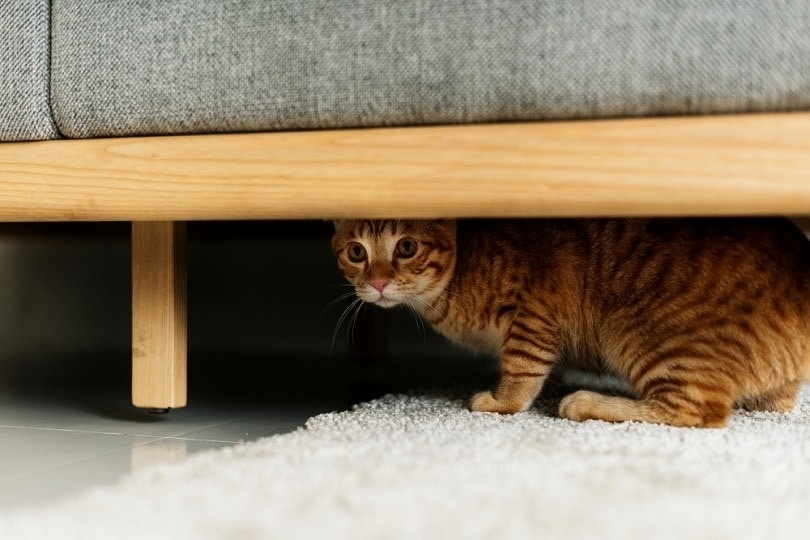
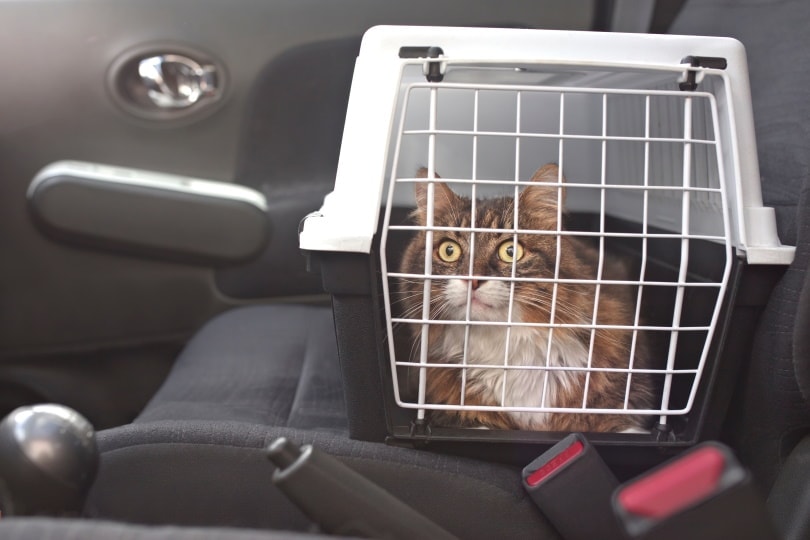
Whether it is a routine visit for vaccinations or your feline friend is feeling under the weather, most cats will need to visit the vet at some point. For some, even the mere sight of the cat carrier can induce anxiety and lead to aggression. A journey in the car, unusual sites, smells, and potential hazards, such as other animals in the waiting room, can all be stressful for cats before they have even reached the vet’s office.
Preparing your cat for the upcoming vet visit is essential if possible. Placing the cat carrier in his or her environment for a few days before so that they can get accustomed to it and scent mark it can help. Luring your cat into the basket with treats or a favorite toy so they start to associate it with a positive experience may help your cat to relax on the journey to the vet. Use bedding that smells of home in the carrier and cover the box with a blanket or towel to provide privacy and security for your cat. The use of pheromone sprays in the basket or car can also help reduce stress levels. An example of this is the Feliway® spray, available to buy here.
A cat carrier that opens from the top is easier to move a cat in and out of and is potentially safer if they are injured in any way. If your cat cannot be lured into the basket easily, then wrapping them in a large towel to restrain their legs and placing the cat/towel bundle directly in the cat basket can help. Above all, try to remain calm, as your feline friend will pick up on your stress.
How Can I Reduce Stress for My Aggressive Cat Once I Arrive at the Vet Clinic?
When you arrive at the vet, try to choose a quiet area of the waiting room in which to sit. If possible, elevate your cat’s basket above the ground so that they are away from potential stressors, like other animals. Some clinics may allow you to wait with your cat in the car before an appointment if noisy environments make your cat more stressed.
Covering the open sides of your cat basket with a blanket or towel can help them feel more secure and shield their vision of other animals. Ask the veterinary team if it is possible to allow your cat to get acclimatized to the examination room before the consultation. Afew minutes allowing your cat to roam around the room, sniff, and assess the area can reduce stress and reactivity in cats.
Top 3 Ways Vets Handle Aggressive Cats
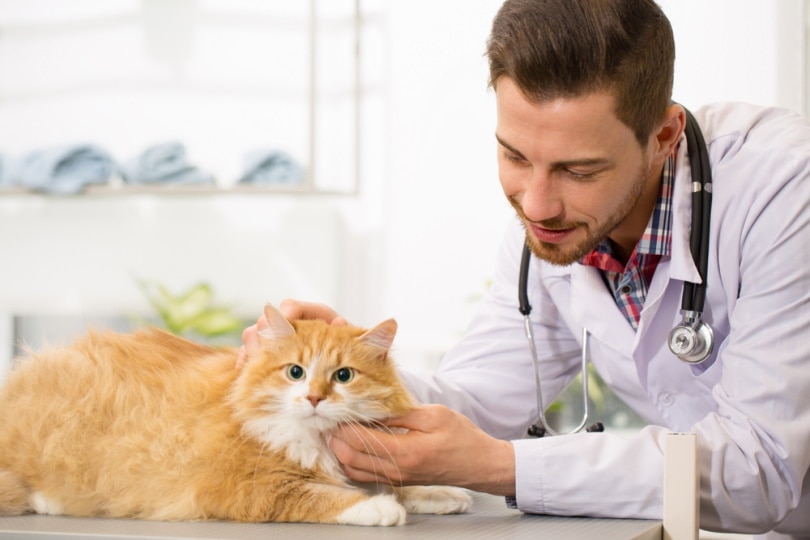
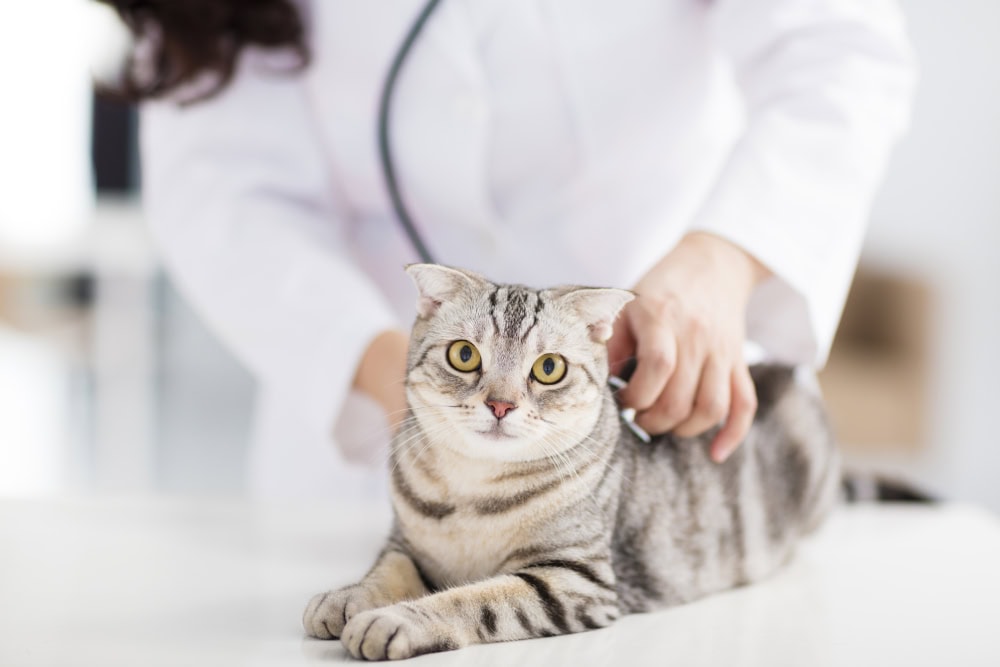
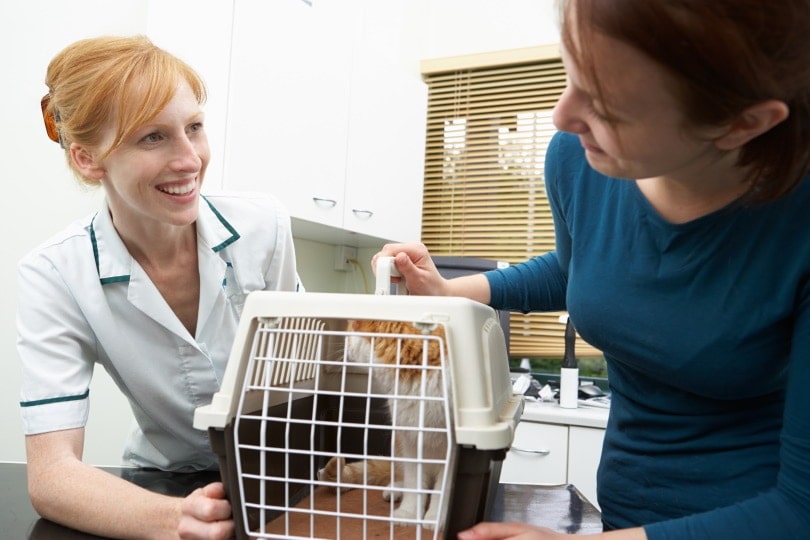
Prevention is always better than finding a cure! Vets are highly trained in handling all types of animals and different demeanors. Confident handling and reading the body language of animals is essential. If your cat needs holding during an examination or procedure, don’t worry, they will most likely ask a veterinary nurse or assistant to do this. Many clinics will have made adaptations to reduce stress in cats ranging from the type of examination tables, the layout of cat wards for feline patients that are staying at the vets, the type of bedding used, and much more. Making cats feel more at ease will reduce aggressive behavior in many.
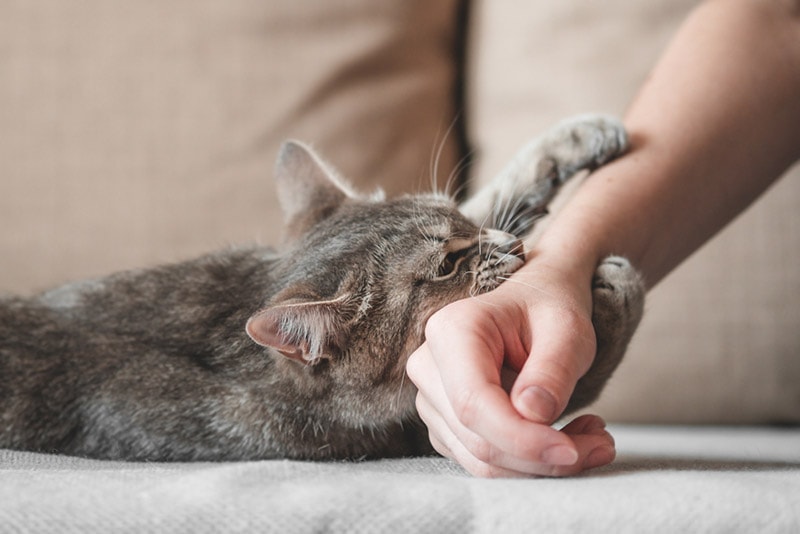
However, some cats will inevitably show aggressive behavior, such as hissing, swiping, clawing, or biting, even with the most cat-friendly handling! Cats may be scared when they visit the vet, they may be in pain or feel unwell, and they may not be used to being handled (such as yard cats or farm cats), so we have to expect some unruly behavior. There are many tricks and techniques used to reduce stress for our feline patients and provide treatment safely.
Here are some ways veterinary professionals can deal with aggressive cats.
1. Restraint
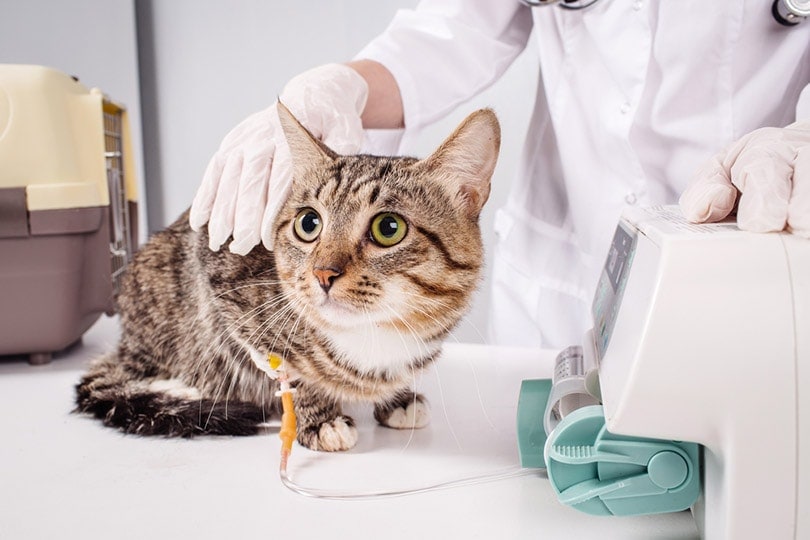
This may just involve holding your feline friend in a specific way, usually by a trained veterinary nurse or assistant. The most minimal restraint needed is used to allow cats to feel secure and confident without them panicking and becoming more stressed. An assistant may hold a cat’s paws or legs to avoid them scratching or clawing while another body part is being examined. Even simple techniques such as stroking their head or face can provide a distraction and help soothe an anxious cat.
2. Towels
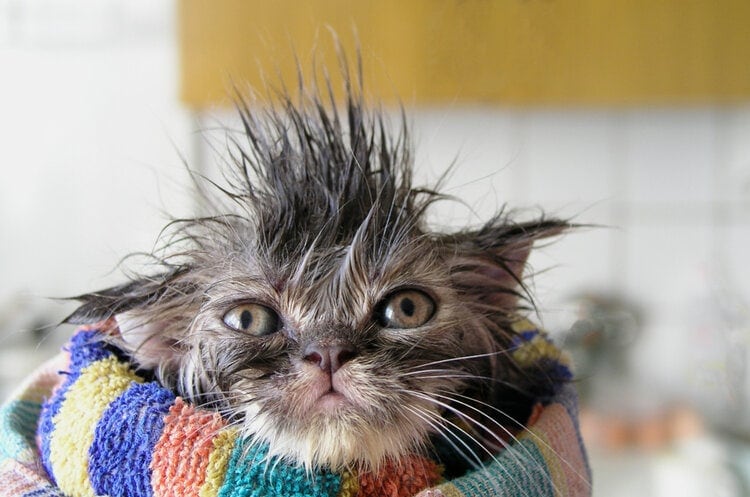
It sounds simple, but using a large towel or bedding to provide a non-slip surface on an examination table can help cats feel more secure. Wrapping aggressive cats in a towel to contain their legs and paws can allow a safe examination. This technique is often used when taking a blood sample from a cat. For some cats, using a towel or bedding over their eyes to create darkness and shield them from potential stressors can help calm them down.
3. Cat Muzzles
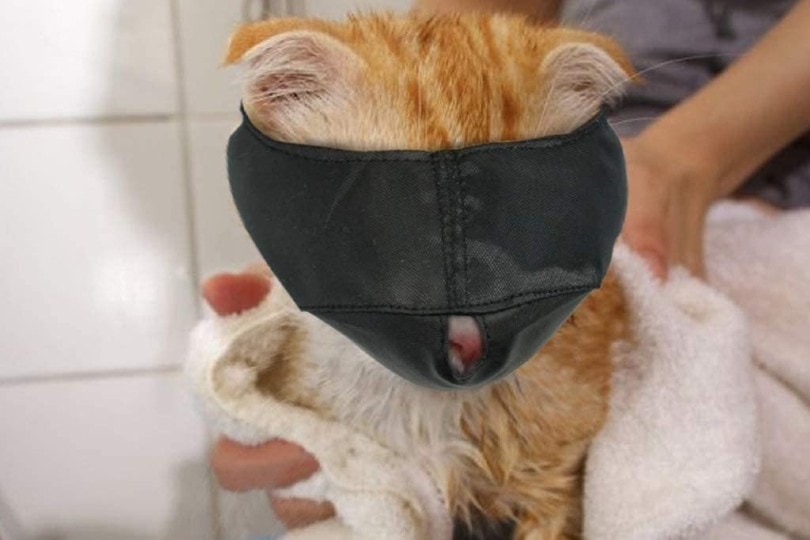
Cat muzzles look like a small, fabric muzzle that fits over a cat’s head. They are not painful to wear in any way. They may be used to cover a cat’s eyes to create darkness and reduce injury to veterinary staff if your cat were to bite. They are rarely used in practice since they often slip down easily, but they can be useful for aggressive cats to assist with a very quick procedure, such as blood sampling or tick removal.
4. Sedation
Medications to induce sedation are often used to make cats sleepy and allow examination, treatment, or procedures. These drugs are often given as a simple, painless injection into your cat’s muscle and induce sleep in even the most fractious of felines. Sedation is often used for procedures such as blood sampling, x-rays, ultrasound scans, or treating wounds in cats that are fractious or aggressive.
Sedation is sometimes referred to as "chemical restraint" in veterinary practices. Most cats will need to stay in the veterinary clinic for a short while after the sedative is given so that they can be monitored during recovery. You may be given instructions, such as keeping them indoors for a period once they return home, after sedation.
Can a Vet Help With Cat Aggression?
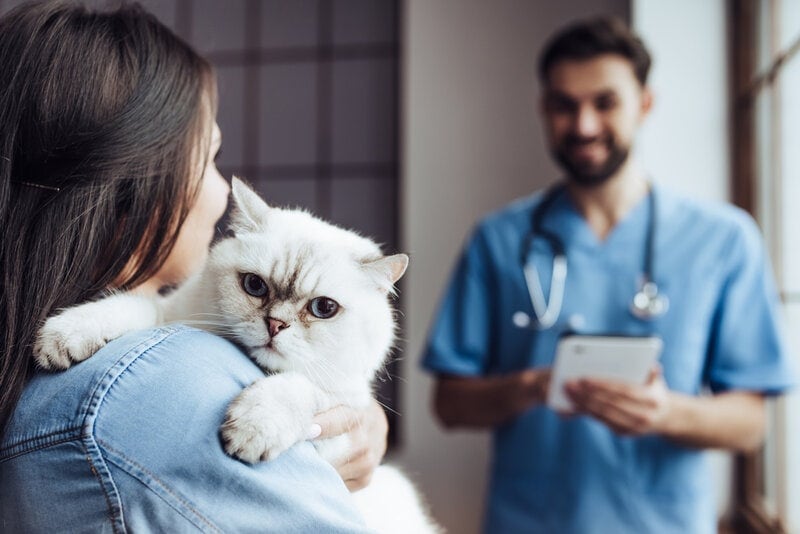
Yes! If you are concerned that your cat’s behavior may hinder his or her trip to the vet or it means that it is difficult to provide treatment either at the veterinary clinic or at home, then speak to your vet before the appointment. Some clinics may offer a home visit service where your cat can be treated in the comfort of your own home, reducing stress from transporting him or her to the clinic. Your veterinarian may be able to provide an oral sedative to give to your cat before bringing them to the clinic to make him or her drowsy and allow easier handling.
If you are concerned about administering medication to your cat at home due to their aggressive behavior, speak to your vet about alternatives. Some oral medications, such as antibiotics or pain relief, may be given as a long-acting injection or an oral suspension rather than a tablet, which may be easier to administer to our grumpy felines.

In Conclusion
Fear not, no cat is "too aggressive" to receive veterinary treatment. If you are concerned about your cat’s less-than-admable behavior, don’t let it delay you from seeking veterinary care. There are many ways to reduce stress in cats before and during a veterinary visit, manage unwanted behavior, and get your cat treated and back to their usual tricks.
See also:
Featured Image Credit: Tom Wang, Shutterstock
Get Hepper In Your Inbox


Pet care tips from our vets and experts, straight to your inbox.
You may opt-out at any time. View our Privacy Policy for more information.
Joanna is an experienced vet working in the UK. She has written about pets and pet health for many websites, blogs, and pet magazines and loves to help owners understand their pets through her writing.
Joanna is an experienced vet working in the UK who has always loved both writing and science. So, after following her passion for science and graduating as a veterinarian, she was able to begin writing and join her two passions together.
She has written about pets and pet health for many websites, blogs, and pet magazines. She loves to help owners understand their pets better through her writing, and loves to teach and educate her clients. She owns her own freelance company to help even more clients than just the one standing in front of her in a consultation room.
Education
In 2016, Joanna graduated from the University of Nottingham, with a degree in Veterinary Science (BVMedSci) and a degree in Veterinary Medicine and Surgery (BVM BVS).
Experience
Joanna practiced as a clinical vet from 2016 - 2019 and left full-time practice after that to work as a locum/relief vet in the Channel Islands, alongside her freelance writing work.
Join the conversation
Ask a question, share your story, or send private feedback.