Hepper is reader-supported. When you buy via links on our site, we may earn an affiliate commission at no cost to you. Learn more.
How Do You Tell if Fish Are Male or Female? 7 Ways
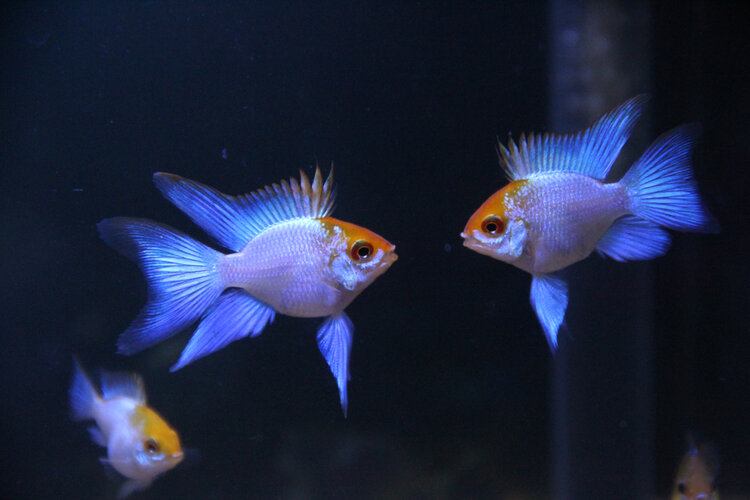
If you have fish in your home aquarium, you might not know what gender they are, male or female. For some people, this simply isn't important, but for others, it is. Your fish may be fighting, which could be because you have two males. Your fish might all of a sudden turn into many fish because fish of the opposite sex have bred. Or maybe you have been trying to breed fish but it just is not working. The point is that you need to be able to tell what gender your fish are for many different reasons.

The 7 Ways to Tell if Fish Are Male or Female
So, how do you tell if your fish is male or female? Keep in mind that the sexing methods talked about below do not apply to all fish, but a combination of them can be used to effectively determine the sex of your fish.
1. The Nuchal Hump
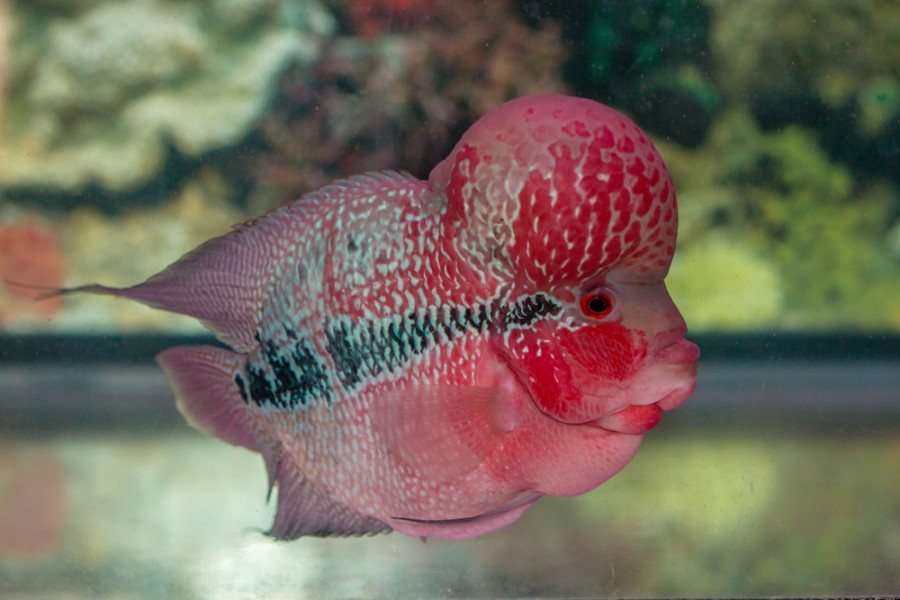
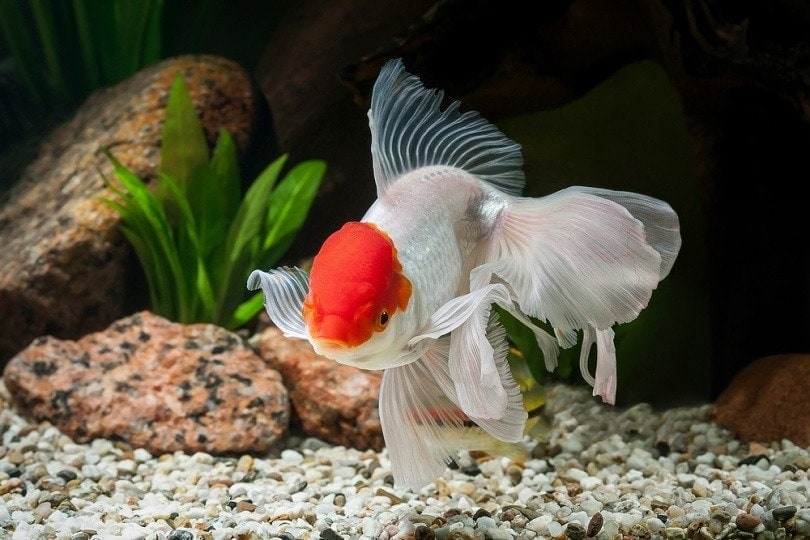
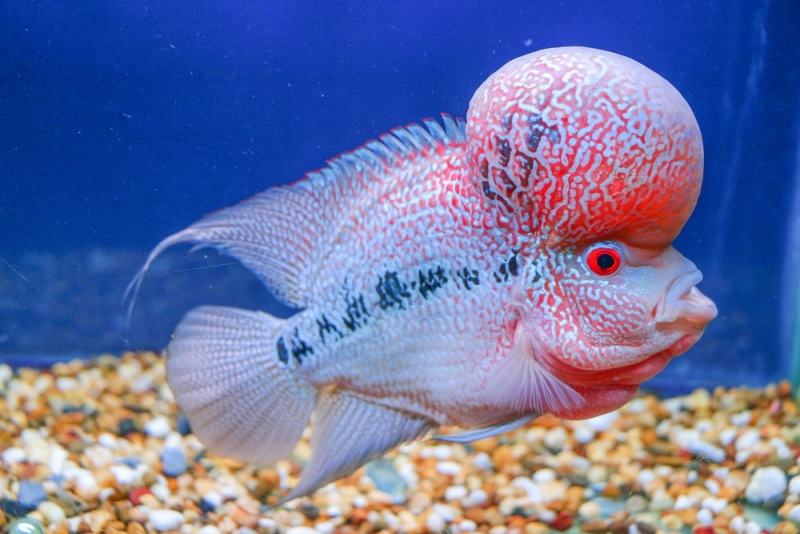
First of all, if you want to determine the gender of a fish, try to see if it has a nuchal hump. This is a bump that often grows on the foreheads of male fish. If your fish has one of these big humps on its head, almost like a swollen bump from being hit, you can take it as a solid sign that the fish is a male.
When it comes to cichlid fish such as tilapia, oscars, angelfish, and discus fish, the presence of a nuchal hump is a clear indication of being a male. Keep in mind that many fish do not grow these humps whether male or female.
2. The Anal Fin
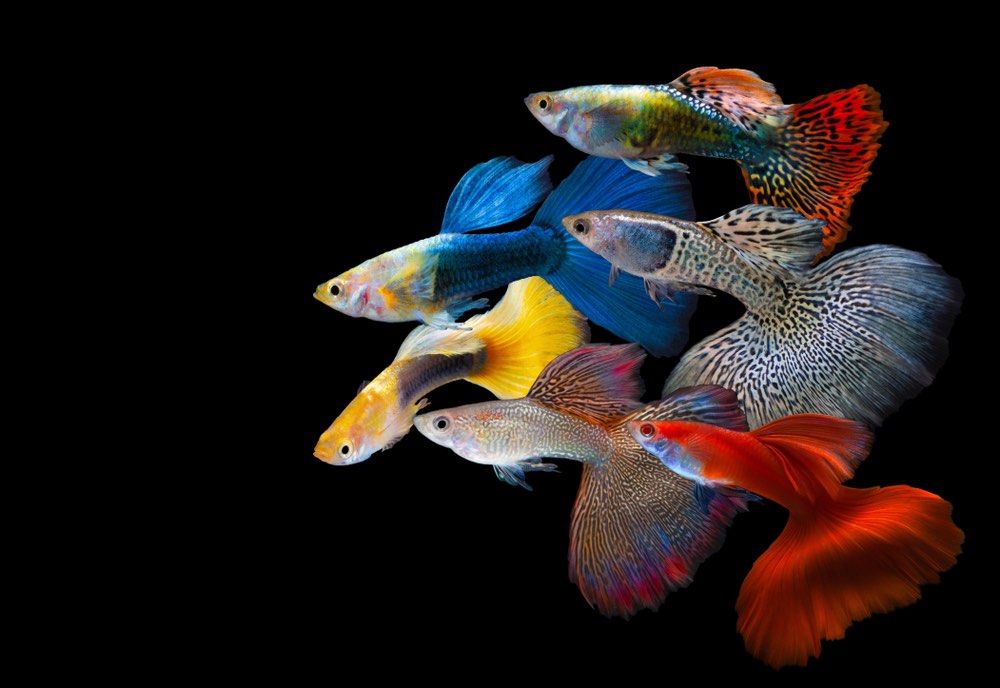
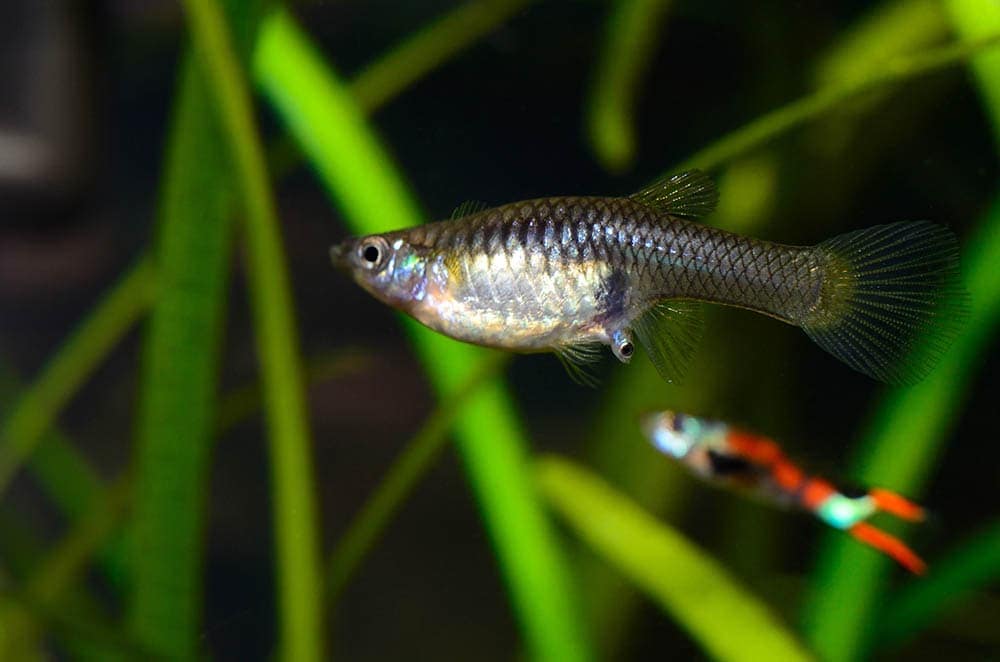
Many male fish have larger anal fins than their female counterparts. This method does not work for all fish, mainly because there are only a few species of fish that have this specific anal fin, such as the Poeciliidae family of fish.
You can use the anal fin method on fish such as mollies, swordtails, guppies, wags, and platies too.
3. The Dorsal Fin
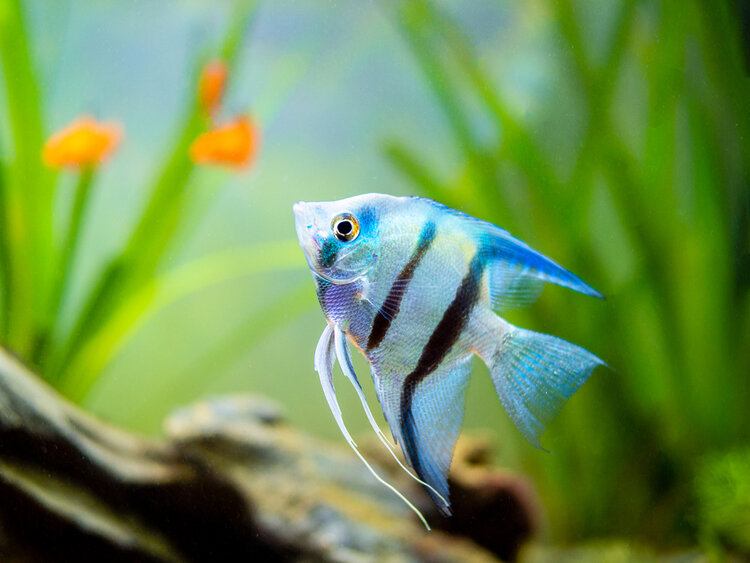
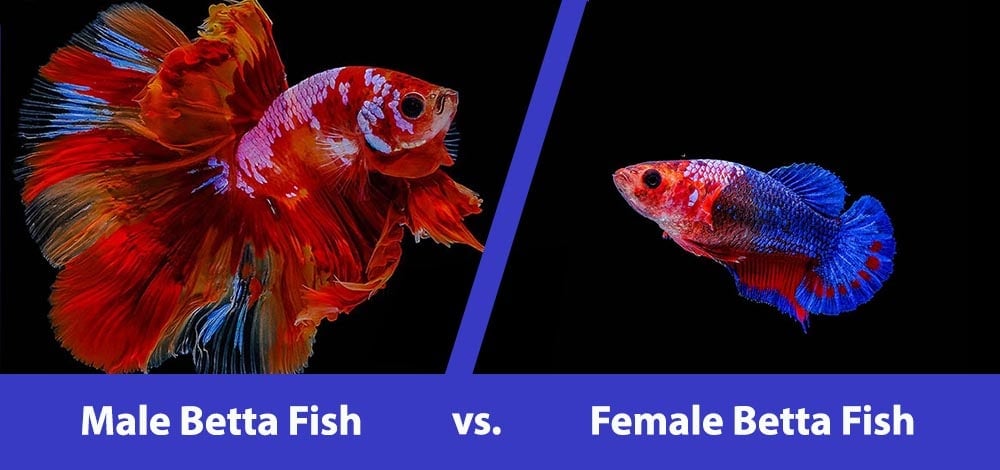
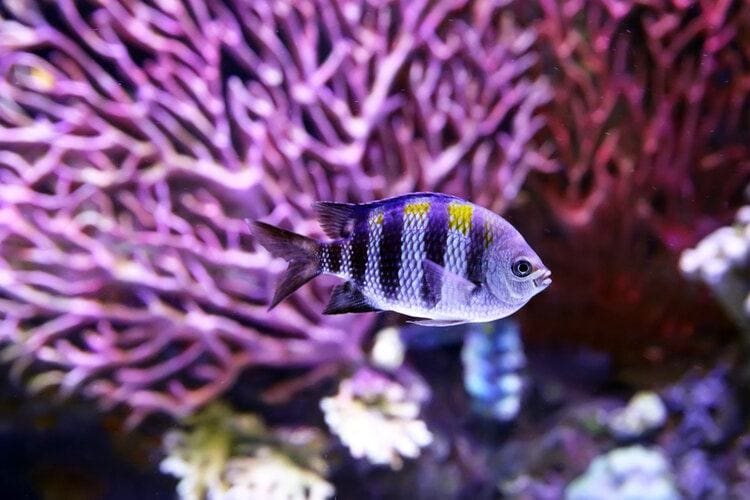
Another fin that you can look at to tell whether a fish is male or female is the dorsal fin. Just like with the anal fins, males will often have larger dorsal fins than their female counterparts.
If you have two fish, one of which has a much larger dorsal fin, the one with the smaller fin is definitely the female. This method works really well for many different types of cichlids, including discus fish, tilapia, oscars, and angelfish.
4. Bumps & Growths
When it comes to mating season, many male fish will develop these little bumps all over them. The majority of these bumps will usually be concentrated on the pectoral fins, near the gills, and on the forehead. These little bumps have something to do with mating, making a male’s presence known, and a way to try and get a female’s attention. When breeding season is over, these little bumps will disappear.
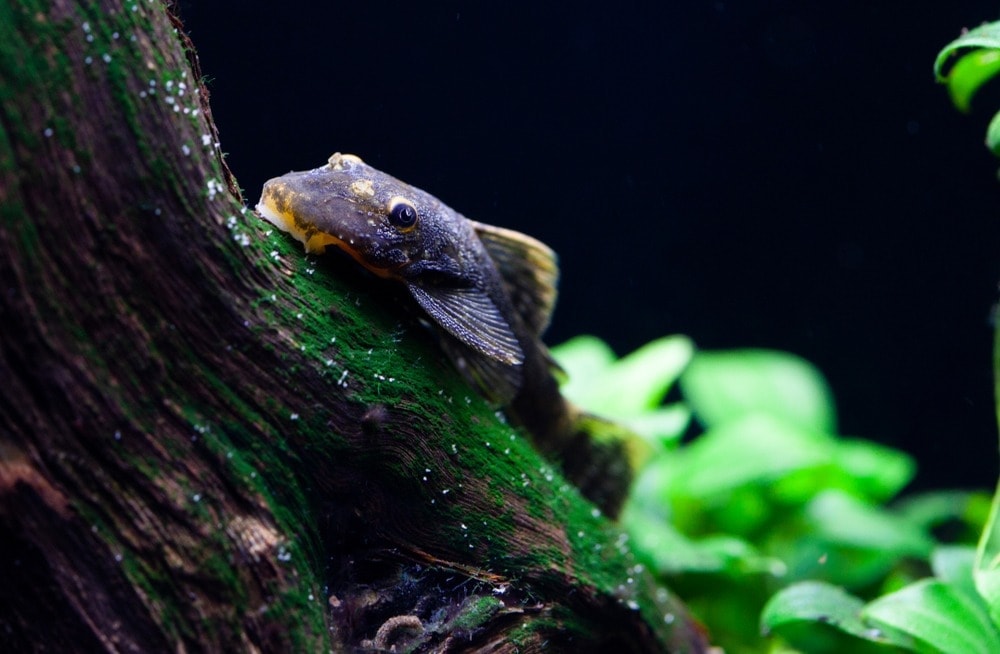
This is a good method to determine the gender of goldfish and other such fish. When it comes to male pleco fish, when breeding season comes along, they will grow long whiskers like bristles along their pectoral fins and around the mouth. In general, seasonal flashy growths during the breeding season are an indication that a fish is male.
5. Size
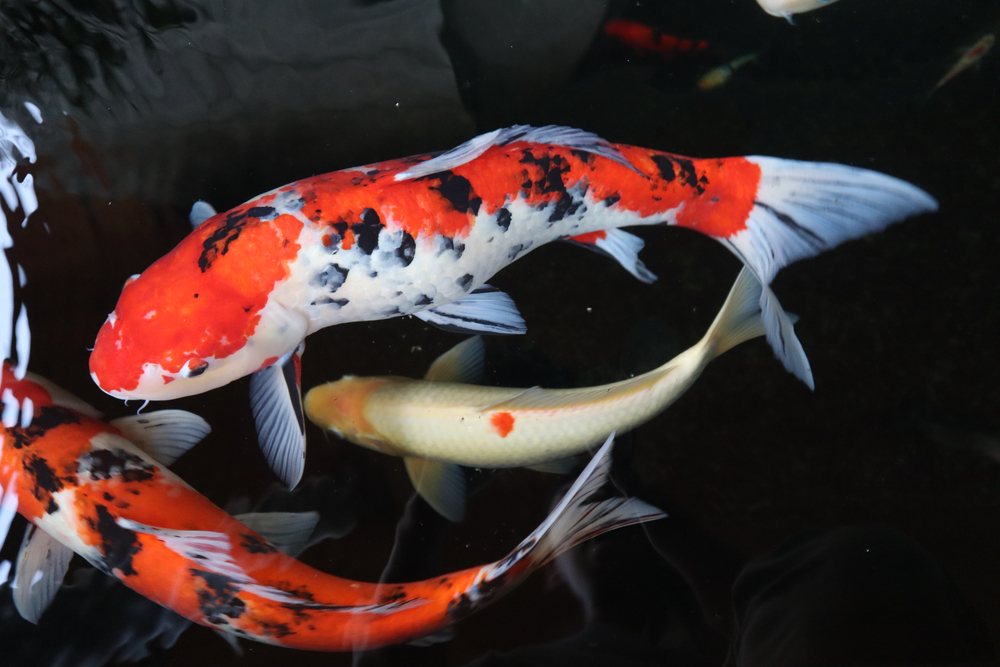
With many fish species, the females can be substantially larger than the males. Therefore, if you have two fish of the same kind, if one is a lot bigger than the other, chances are that the smaller one is male. This may not necessarily be true in terms of length, but more so in terms of width and girth.
This is not true for all fish, but for Koi and many goldfish species, it certainly is. Keep in mind that the reason for this also has to do with the breeding season. Female fish can carry hundreds of eggs inside of them, something which will contribute to their size.
6. Behavior
Another good way in which you can tell if the fish you have is male or female is to observe their behavior. You do have to be careful here because some species of fish are more docile while others are more aggressive.
However, generally speaking, you can be sure that the more aggressive and territorial fish are the males. You can’t always rely on behavior because it can depend on other circumstances, but it is a good indicator.
7. Research

One of the first things that we would recommend is doing some research on the specific fish you have. As we have already said, each species of fish will have different characteristics you can observe to tell if they are male or female. Your best bet is to bust out Google and research the fish in question. This should tell you exactly what you need to know to determine the gender of your fish. Googling this or watching some good old YouTube video will help.
Finally, if you still can’t come to a solid conclusion, you can always try bringing your fish to a vet or some other kind of expert to have them give you a helping hand.
Final Thoughts
The bottom line is that some fish are harder to determine what sex they are than others. However, most, if not all, have specific traits that only males or females exhibit. So, you should probably do some research on your specific fish and go from there.
Featured Image Credit: Kraipitch Supyuenyong, Shutterstock
Get Hepper In Your Inbox


Pet care tips from our vets and experts, straight to your inbox.
You may opt-out at any time. View our Privacy Policy for more information.

Lindsey discovered her passion for fish keeping after a junior high school field trip to the Shedd Aquarium in Chicago. Prior to becoming Editor-in-Chief of It's a Fish Thing, Lindsey studied marine biology at the University of California-Santa Cruz. She loves goldfish, tetras, and mystery snails, and recently began experimenting with a saltwater aquarium.
Join the conversation
Ask a question, share your story, or send private feedback.