Hepper is reader-supported. When you buy via links on our site, we may earn an affiliate commission at no cost to you. Learn more.
How to Tell When a Fish Is Hungry: 5 Vet-Verified Behaviors to Look For


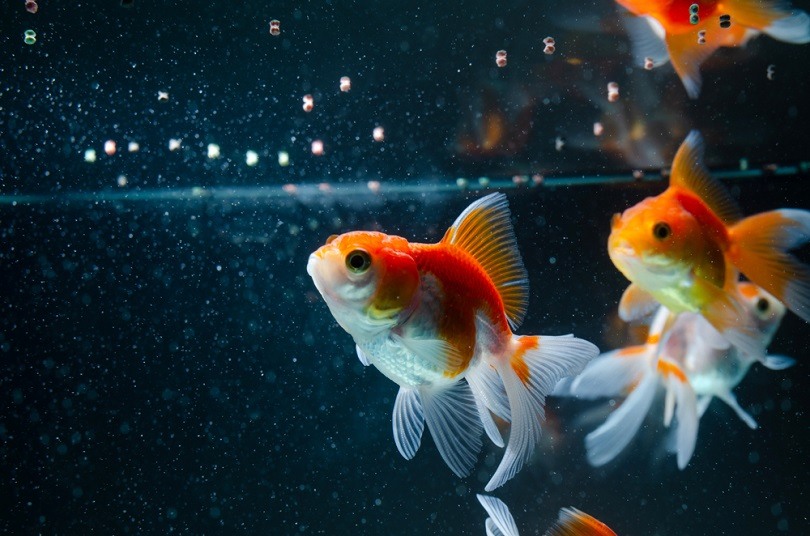
There is no doubt that fish love their food, and many fish keepers will agree that feeding time is the highlight of their fish’s day. Fish rely on food as their fuel and daily nutrition to keep them healthy and nourished.
In the wild, fish aren’t guaranteed their next meal. This causes them to constantly forage or seek out any source of food that they can. However, captive-raised fish don't have this issue, since you should be a reliable way for them to get their food. This makes it important to ensure that you are regularly feeding your fish quality food every 1–2 days.
Fish do indeed get hungry like us and most other animals, so below are five behaviors to look out for.

The 5 Ways to Tell If Your Fish Is Hungry
1. Swimming Up to the Glass
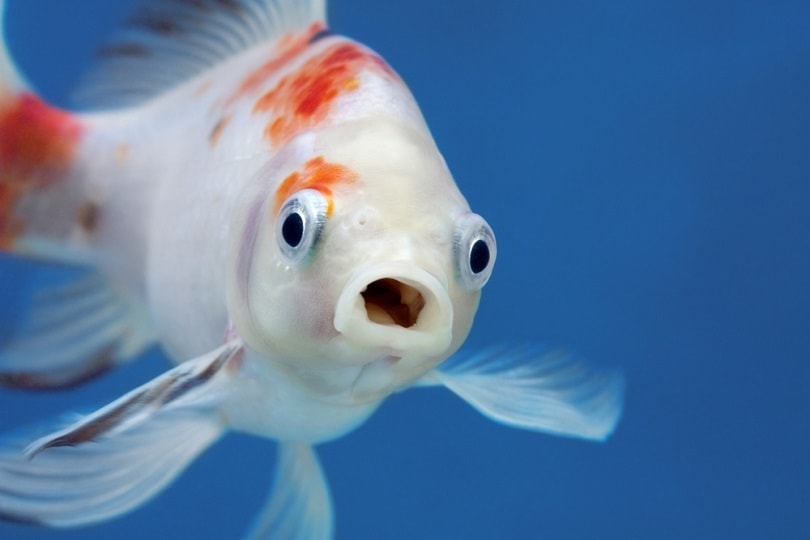
If you stick to a regular feeding schedule, you may find that your fish seem to "know" around what time they are going to be fed. This can cause them to swim up to the glass in the area where you are. Most fish will also associate you with food, especially if you are the one who feeds them regularly.
So, anytime that you come up to the aquarium, you may notice that your fish swim up to you to show they are hungry.

2. Swimming or Waiting Near the Surface
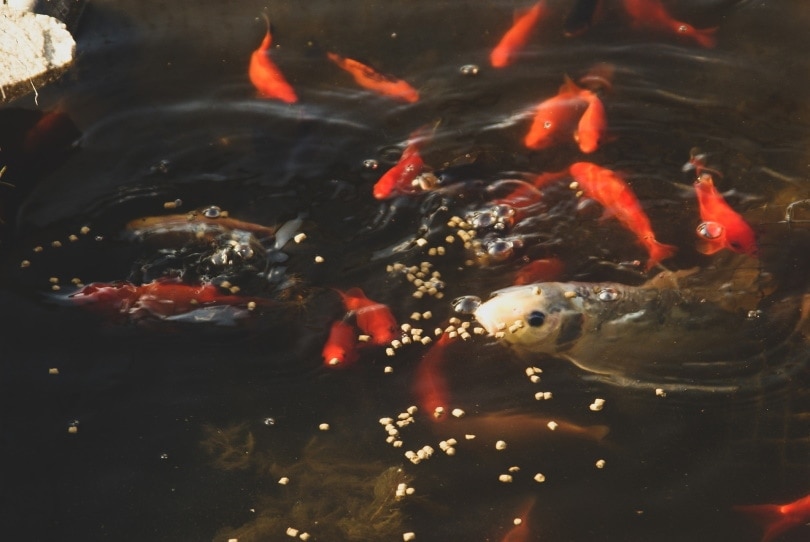
If you feed your fish floating foods, they are likely to wait by the surface of the water when you are near. This is because they associate you with food and they are smart enough to know that when you are by the tank, their food gets placed on the surface of the water.
Some fish will also gulp air at the surface in anticipation of their food. However, this should not be confused with a fish gasping at the surface of the water due to health or water quality reasons.
3. Foraging Behavior
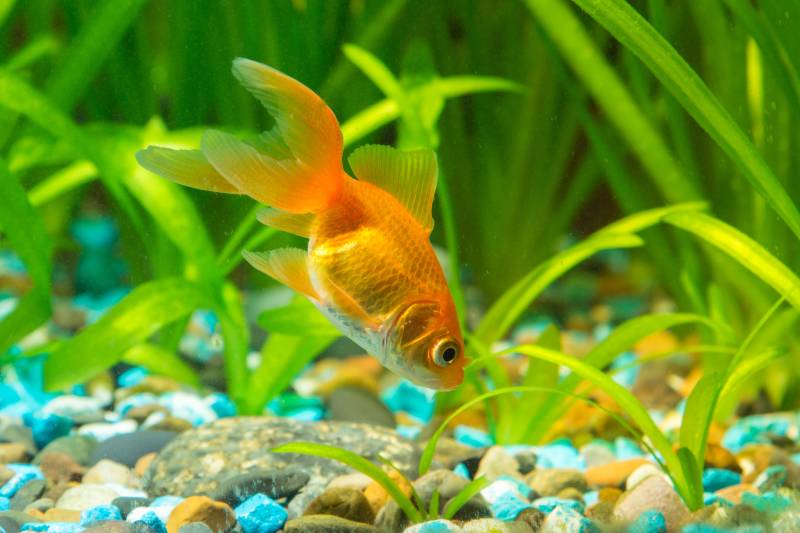
Many fish species naturally forage for food. You may notice foraging behavior in fish as they sift the substrate, plants, and decorations in search of food. This is part of many fish’s natural behaviors and may indicate they are hungry.
Not all fish will forage, but many popular fish like goldfish, mollies, platies, and guppies do. Many fish will forage for food throughout the day, and this can be a bonus for your aquarium. Any foraging fish that are sifting through the substrate and behind decorations will get to the leftover food before it has a chance to affect the water quality.
4. Visible Weight Loss
Just like us and many other animals, fish can lose and gain weight depending on the type and quantity of their food. If a fish is being fed low-quality foods, they may have issues gaining and maintaining a healthy weight and body structure. However, if you hardly feed your fish, you may notice that they have a sunken belly and protruding bones. Food not only keeps your fish nourished but also helps them maintain weight.
You don’t want to start your fish on a diet or overfeed them, but rather give them high-quality foods once a day, or every other day. Some species of fish will eat more often than others, so be sure that their diet is appropriate for their age, size, and species. You should consult with your aquatic vet if you’re not sure about how frequently you should feed your fish.
Most fish rarely have problems with their weight when fed appropriately unless they have a disease or internal parasites that affect their weight.
5. Chasing or Aggressive Behaviors
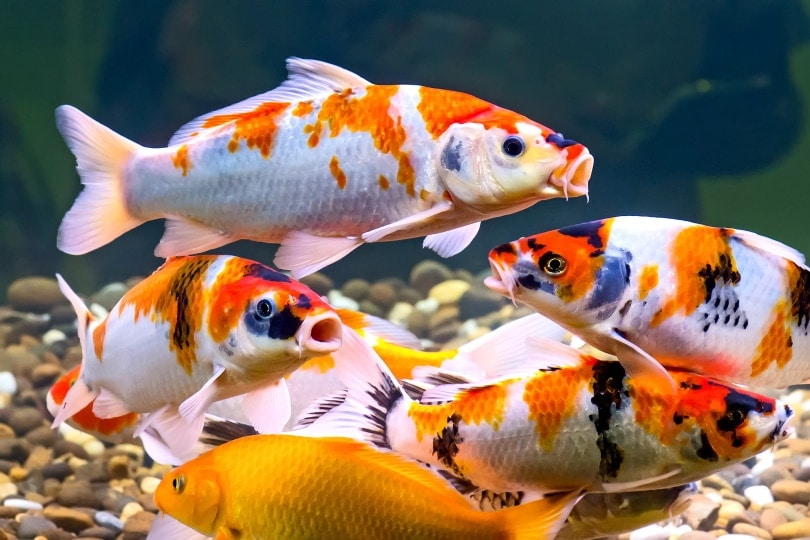
While it’s normal for fish to become more energized and excited during feeding time, you might notice some aggressive behaviors. This is common in social fish who are kept in groups, and they may chase or push in front of other fish to get to the food.
Unless the fish are becoming stressed or injured from this behavior, it's usually not a cause for concern. It generally indicates that some of the fish are quite hungry and feel very enthusiastic about getting to the food before the others do.
Why Is My Fish Not Eating?
Fish are usually always going to seem hungry and ready to eat their next meal. So when your fish starts refusing food, it can be a cause for concern. A fish that isn't hungry no matter how long it has been since their last meal may either be sick, stressed, or avoiding the food. Disease, injuries, and stress can cause your fish to lose their appetite. Poor water quality with traces of ammonia and nitrate can cause your fish to refuse food.
Once the water conditions have improved, most fish will happily eat again. In some cases, fish won't like a specific food they have been offered, and this is usually the case if you have introduced a new food into their diet.
In Conclusion
Even if you have already given your fish their daily food, you may find that they still display hunger-related behaviors. This is usually because most fish don't exactly know when to stop eating, and they have little self-control around food. However, it is still important to stick to a feeding schedule and only feed your fish nutritious foods. Overfeeding your fish isn’t going to be beneficial, and it can cause more harm than good.
As long as your fish are being fed quality foods in appropriately sized portions, you don’t have to feel bad about not giving in to your fish’s food begging.
Sources
Featured Image Credit: Kaikoro, Shutterstock
Get Hepper In Your Inbox


Pet care tips from our vets and experts, straight to your inbox.
You may opt-out at any time. View our Privacy Policy for more information.
Sarah is residing in South Africa with her partner and pets. She currently is interested in veterinary science and ichthyology, which she wants to study alongside her main passion: pet content writing. Sarah has over 60 fish including goldfish, tropicals, shrimp, and snails. She also keeps hamsters and a tarantula and wishes to provide quality content for readers and allow others to learn from her knowledge and experience. Sarah has much experience in all aspects of pet care, and providing the world with knowledge on ethical pet ownership is her lifelong dream.
Join the conversation
Ask a question, share your story, or send private feedback.