Hepper is reader-supported. When you buy via links on our site, we may earn an affiliate commission at no cost to you. Learn more.
How to Get a Feral Cat to Use a Shelter: 10 Vet-Approved Ideas


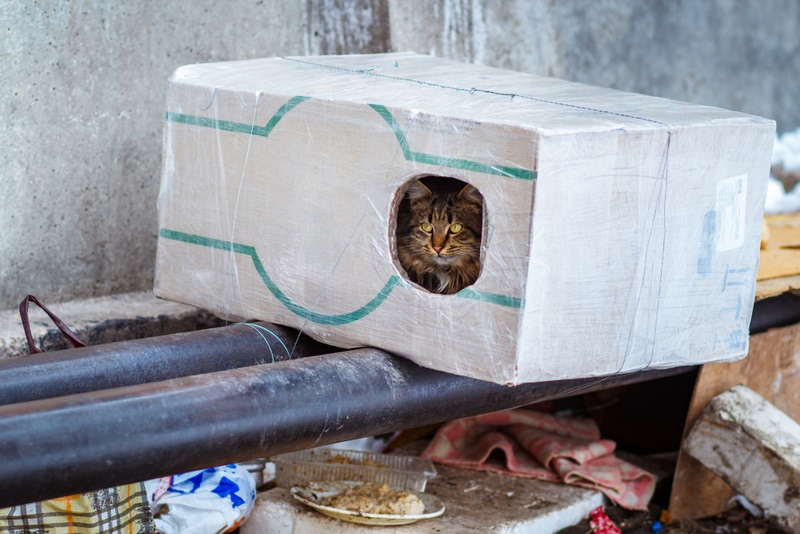
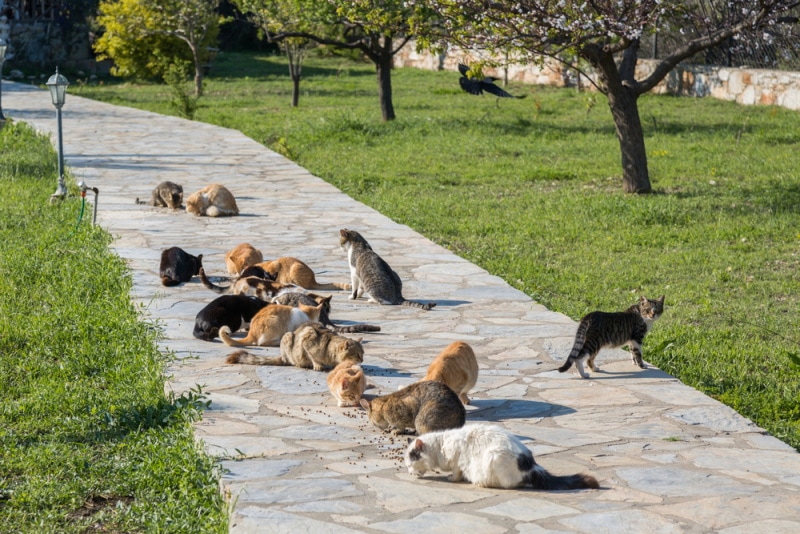
If you live in a city or urban area, the chances are you've seen some feral cats slinking around. When the weather turns bitterly cold or searing hot, thinking of those cats being outside without shelter can be worrying. Luckily, several options are available for people to buy (or make) shelters. But what if they don't use them? We've tried to tackle this problem by bringing you 10 ideas for getting a feral cat to use a shelter, so you can relax knowing those homeless kitties have a place to stay.

The 10 Ways to Get a Feral Cat to Use a Shelter
1. Make Sure the Shelter Is the Right Size
A shelter for feral cats needs to be the correct size for them to be able to fit inside it and feel comfortable. While this sounds simple, it can be tricky to cater to all the feral cats who might come across the shelter. It's best to pick a shelter that's big enough to allow one or two cats inside it at once but make sure it is not too big.
Cats prefer to rest in tightly enclosed spaces since it helps them feel safe (that's why they love cardboard boxes), so having a cavernous shelter may be intimidating for some cats. A happy medium is key, but you can always go for a smaller one if it's just one cat you're considering buying the shelter for.
2. Place the Shelter in the Correct Location
Cats can be nervous about loud noises and sudden movements at the best of times, but this is particularly true of feral cats. Danger and threats are a daily part of life for feral cats, be it from cars and people or other cats. Because of this, many won't be able to relax in areas with high traffic or noise levels and won't visit a shelter if it's in such a place.
Finding a quiet, darkened corner of the yard ensures the shelter is a calming, inviting space rather than a stressful one. This should encourage the feral cats in the area to check it out!
3. Provide Warming or Cooling
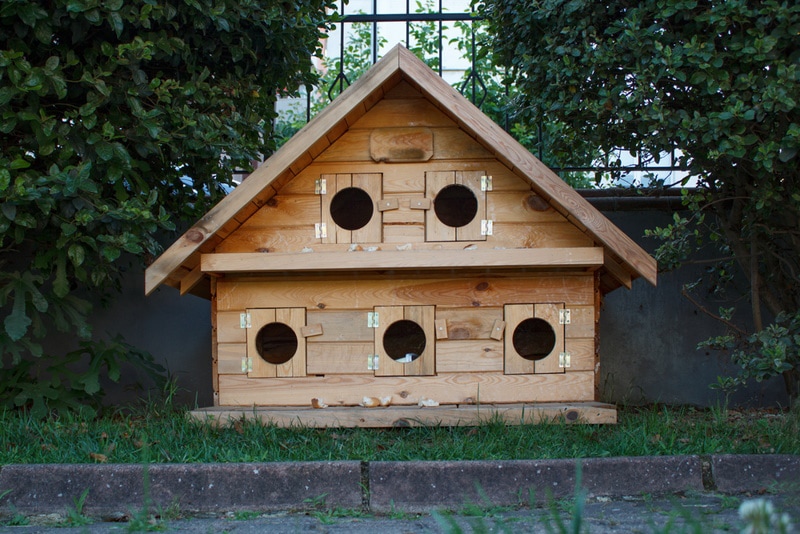
Most cat shelters provide the cat with a protected place to rest, feel safe, and keep them out of bad weather. Unfortunately, bad weather can be dangerous for feral cats and their kitten. You could keep the cats comfortable and save a life by providing cat-safe heating and cooling pads inside the shelter and ensuring it's properly insulated.
A cat searching for a nice warm place to huddle up in is much more likely to choose a shelter that feels much warmer than the surrounding environment, which is why some cats, unfortunately, end up stuck under the hoods of cars. Likewise, any overheating cats will want to stretch out on something noticeably cooler than the shade of a tree, for example. Providing these small additions to your shelter can be the swinging point and tempt them inside.
4. Make the Shelter Comfortable
Adding blankets and pillows to your shelter may be tempting to give the cat a proper bed to sleep in, but remember where the shelters are. Any moisture in the shelter can become trapped in soft furnishings like blankets and towels.
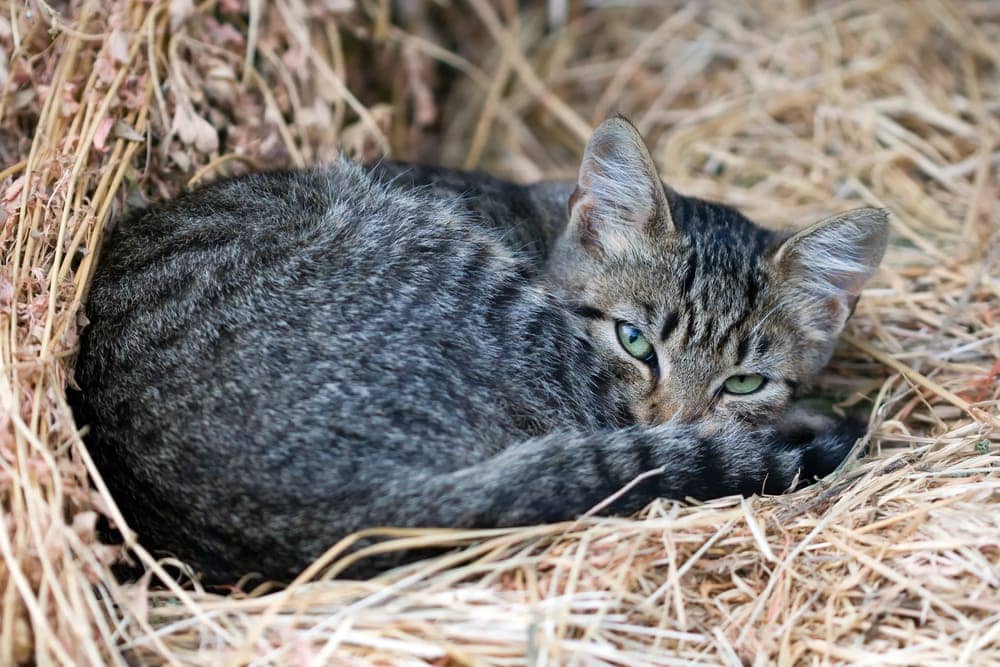
This will make the cat colder but can easily turn moldy. Straw is the best material to use in your shelter, as the cats will knead it to their liking before bedding down, and it wicks away moisture much better than blankets do. Hay isn't ideal as it retains much more moisture and can go moldy. Straw bedding is surprisingly soft and cushioned, too, meaning your feral cat will sleep and relax comfortably.
5. Make the Shelter Waterproof
Most premade cat shelters will have built-in waterproofing, but you can always add additional waterproofing if you think it needs it. Waterproofing any homemade shelter is essential, as a soggy, wet shelter isn't exactly appealing! A door covering is the first measure you can use, as it stops any rain from blowing into the shelter.
A sheet of plastic or even a heavy trash bag can act as a rain guard if the cats can still get into the shelter through it. Checking the roof for cracks or holes is also essential, and adding drainage holes to the underside (if not already present) can prevent any moisture that might get into the shelter. Finally, if you're building a shelter, seal any lids or parts with silicone glue to create a water-tight seal.
6. Think About Food and Treats
While leaving food in the shelter is not a good idea, you could leave a few tasty treats inside. However, this is also a tempting treat for all the other animals in your yard or area, not just cats!
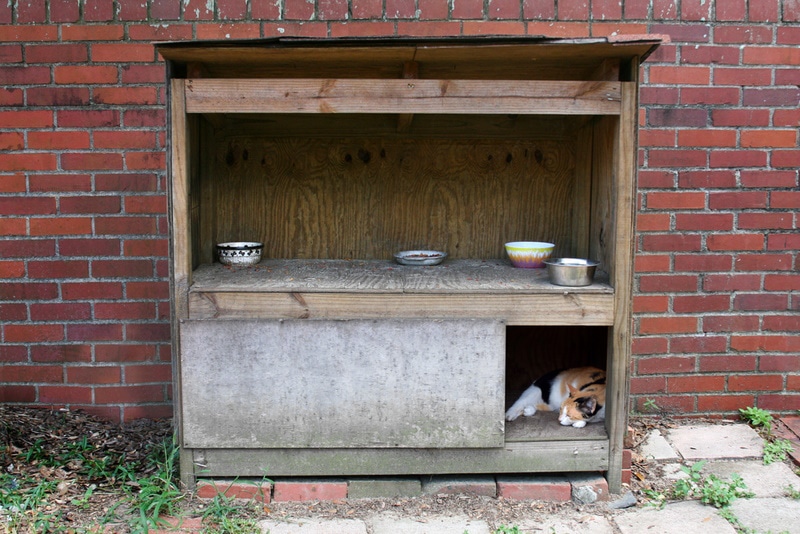
Setting up a nearby feeding station is the best way to feed your feral cats and keep the shelter appealing. This makes the shelter more appealing as a reliable food source, and water is nearby.
7. Consider Adding Appealing Items
If you've got the perfect shelter set up and ready to rock, but there's no sign of a cat nearby, you might have to try something different to get them to try it out. Additions like catnip and silvervine can add an intriguing smell to cat shelters and can help the cats that it attract feel relaxed and happy.
Catnip affects around 70-80% of the cat population, and silvervine usually affects about 80%. These plants are pleasant for cats to smell and provide them with some enrichment and fun, making the shelter a nice place to be.
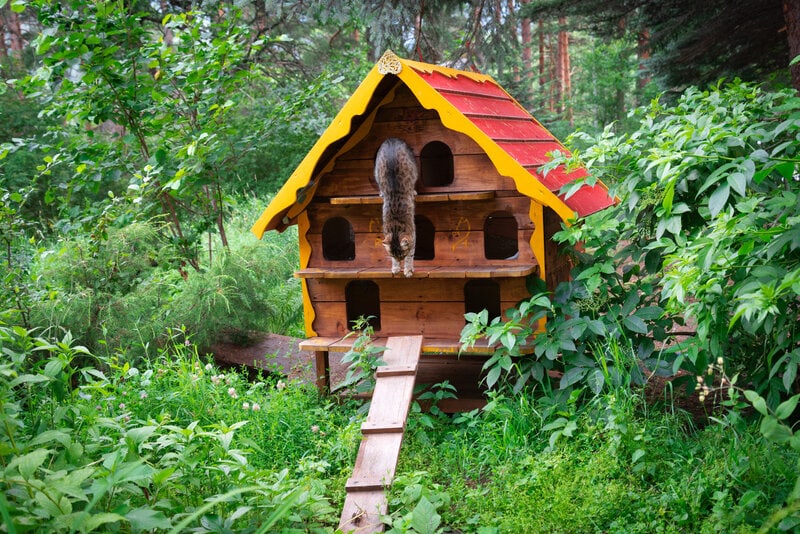
8. Raise the Shelter off the Ground
Cats love to be high up. A cat that lives in a loving home has the instinct to climb up high and survey its surroundings. The same is true of feral cats but on a much bigger scale! Feral cats sometimes have to fight over mates and territory, meaning encroaching stranger cats take on a whole different meaning.
Being high off the ground helps all cats feel safe and secure as they can easily see any threats coming, so giving your feral cats a sense of safety by raising their shelter can achieve this. It doesn't have to be very high; table height is fine if it's still easily accessible. Having a shelter off the ground also helps moisture to drain out of the shelter and keep it warmer.
9. Try a Different Type of Shelter
Sometimes, a different shape or style of shelter can make all the difference if your current offering doesn't seem too popular. There are many types of shelters to choose from, from DIY to premade. However, sometimes a minor adjustment to the one you already have can also transform it in the eyes of feral cats.
If you have a tall shelter, consider a shallow one. If it's wide, try a narrow one. The type of shelter you have will come down to your personal preference and resources, but sometimes even turning a shelter onto its side (if you can do so and still retain its function safely) can make all the difference to the visiting cats.
10. Make the Entrance Small and Concealed
Lastly, having a small and concealed entrance can help the cats who do decide to poke their heads in feel very safe and reassured. Having two openings in each shelter is ideal, so any sleeping occupants finding themselves usurped by a bigger cat can easily escape without conflict.
However, having the entrance small enough to provide safety and privacy while allowing cats entry is key. Covering the entryway with a dark covering can help achieve this.

Why Do Feral Cats Need Shelters?
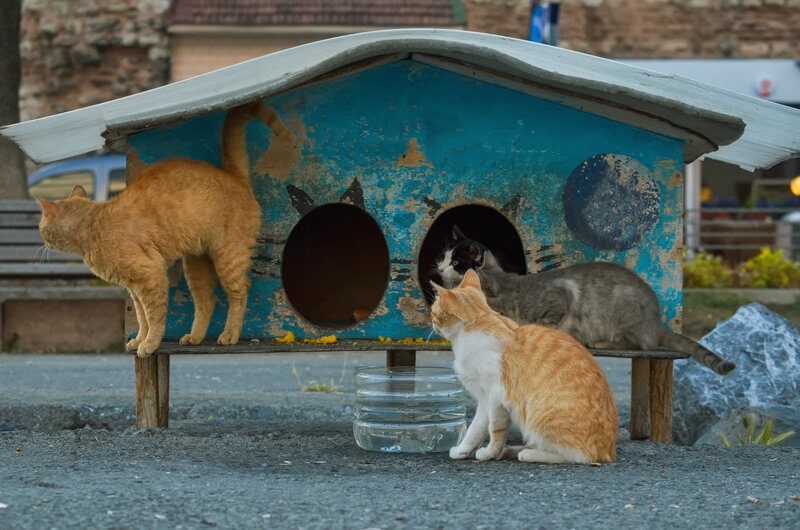
There are many reasons why people decide to provide their visiting feral cats with shelters. Feral cats can provide for themselves by hunting and using their survival skills in the urban environment, but sometimes they need a helping hand.
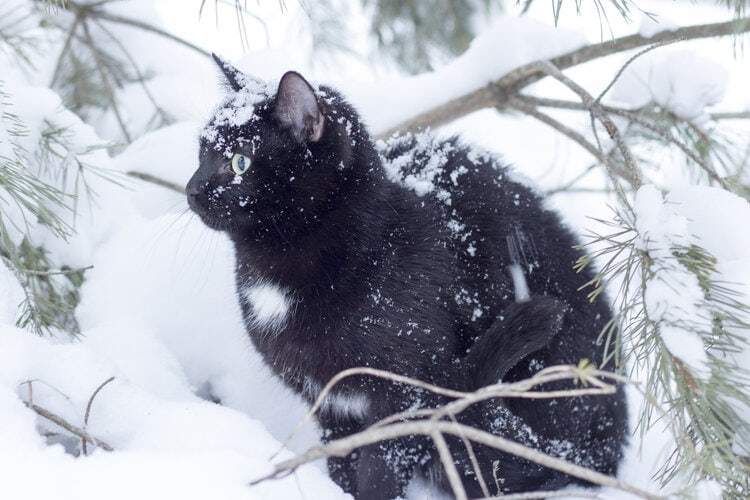
Inclement weather is hazardous for feral cats that may find themselves in sub-zero temperatures without a warm place to sleep. Shelters provide a safe, comfortable, and cozy place for feral cats to rest inside and wait out any dangerous weather. They also offer a safe place for mother cats (queens) to birth and nurse their kittens. Of course, not all feral mothers will use shelters, but they offer the perfect place. Feral cats that use shelters are also more easily monitored by the community that cares for them. People can see how much food the cats might be eating or catch any injuries that might occur, so the use of shelters by the cats offers a window into their lives by the caring people who installed the shelters.
How Can You Tell a Cat Is Feral or Not?
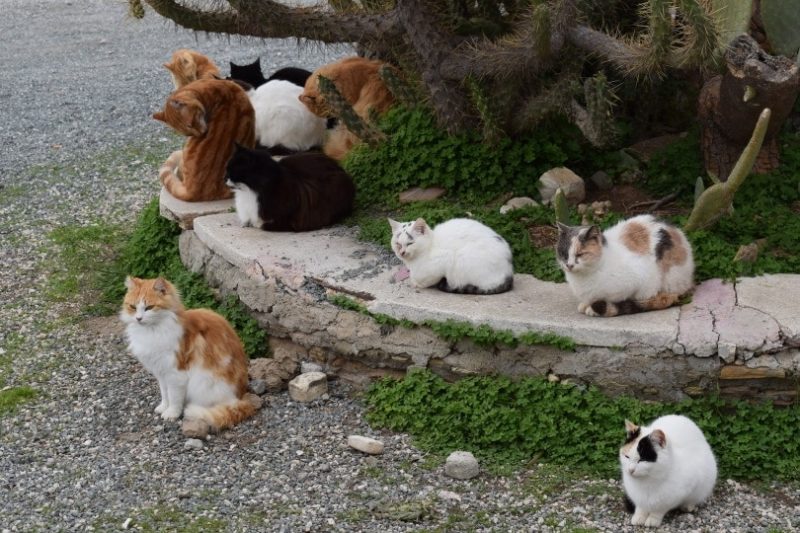
It can be more complicated than you might think to determine a feral cat from a stray. The chances are, both will come to use your shelter if it's available! But feral cats have a set of behaviors unique to them as they have never interacted with humans (or very, very little). This means they'll often react with fear or aggression, which is uncommon in stray or owned cats.
Feral cats will typically not approach people at all. In contrast, a stray will often remember positive interactions with people in the past and will likely approach them. Stray cats can also be rehabilitated and reintegrated into a home as a pet, which is almost impossible for feral cats. If you see a feral or stray cat in your shelter or yard that is injured and you're concerned, contact your local shelter for advice.
Conclusion
We put shelters down for feral cats in our community out of kindness, and it can be rewarding to see them safe. However, it can be disheartening to see your shelter lying empty! By adding a few small touches or adjusting the positioning, you can encourage feral cats to feel safe when using them. We hope you found these ideas helpful and have inspired you to install feral shelters to keep the community’s felines safe.
Featured Image Credit: Cherednychenko Ihor, Shutterstock
Get Hepper In Your Inbox


Pet care tips from our vets and experts, straight to your inbox.
You may opt-out at any time. View our Privacy Policy for more information.
Beth is a mom to two babies: one with four legs, and one with two. Beth has years of practical experience as a veterinary care assistant, working in both the operating room and in consult, expanding her knowledge to gain certification in her favorite subject: feline behavior and well-being! When she's not writing about her favorite topics (cats, dogs, and creature comforts), she's looking after her two-year-old daughter and her energetic eight-year-old Nebelung, Kiba. When she gets a moment's respite, Beth loves to read fiction books. Horror is her number one genre, with fantasy and rich history being her second option.
Join the conversation
Ask a question, share your story, or send private feedback.