Hepper is reader-supported. When you buy via links on our site, we may earn an affiliate commission at no cost to you. Learn more.
How to Groom a Cocker Spaniel – 10 Expert Tips
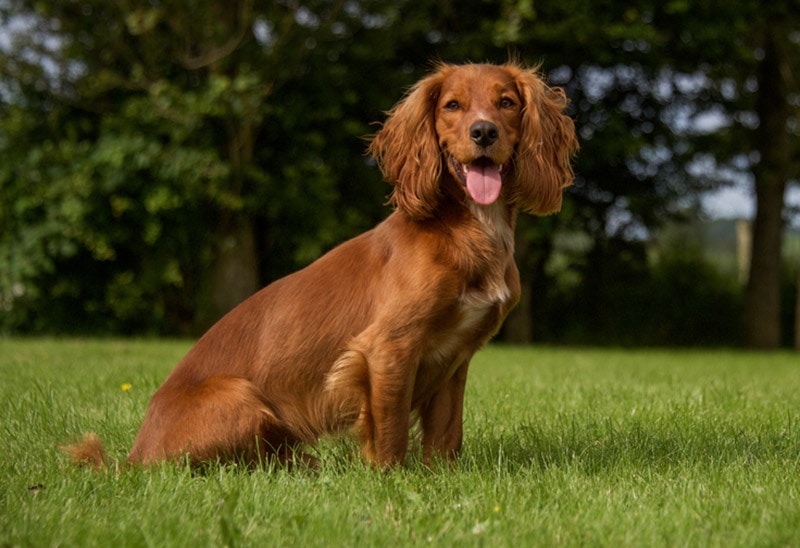
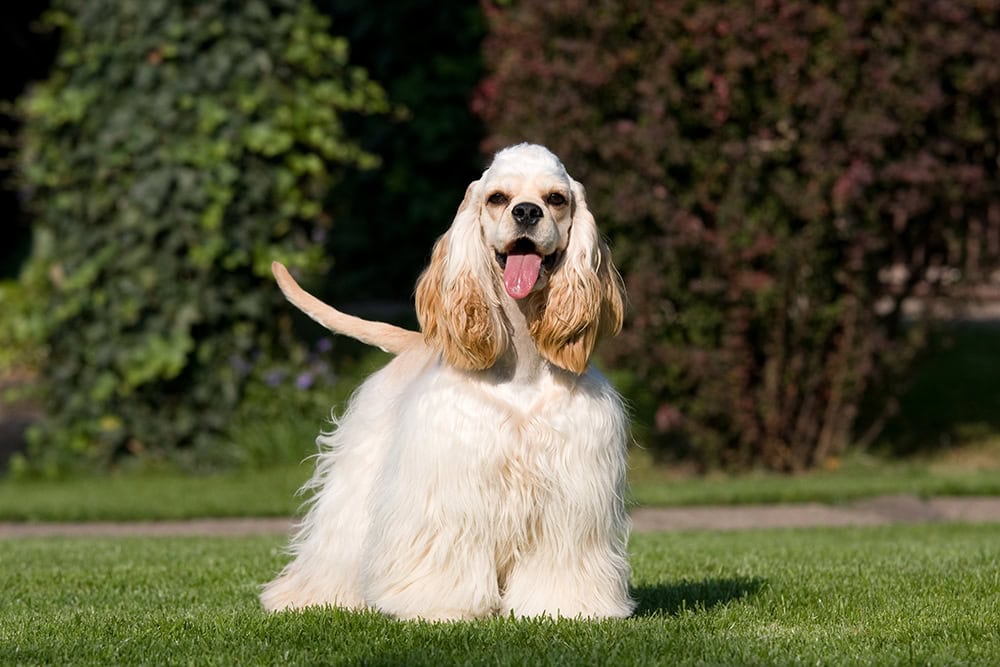
With their long, tasseled coats, floppy ears, and doe eyes, Cocker Spaniels are born for the show ring. That beauty comes with some extra work, however. It takes knowledge and effort to keep Cocker Spaniels looking polished and coiffed.
Find out how to groom a Cocker Spaniel at home to build a bond with your dog and ensure that your dog is clean and healthy.

The 10 Tips for Grooming a Cocker Spaniel
1. Take Care of That Signature Coat With Regular Brushing
Cocker Spaniels are a mix of fluffy, smooth, and velvety. Their coats may be wavy or curled, silky, or wirier, but no matter what, they tend to have long hair on the ears, belly, and legs. Beneath that smooth topcoat is a dense undercoat to keep them warm, which can become matted.
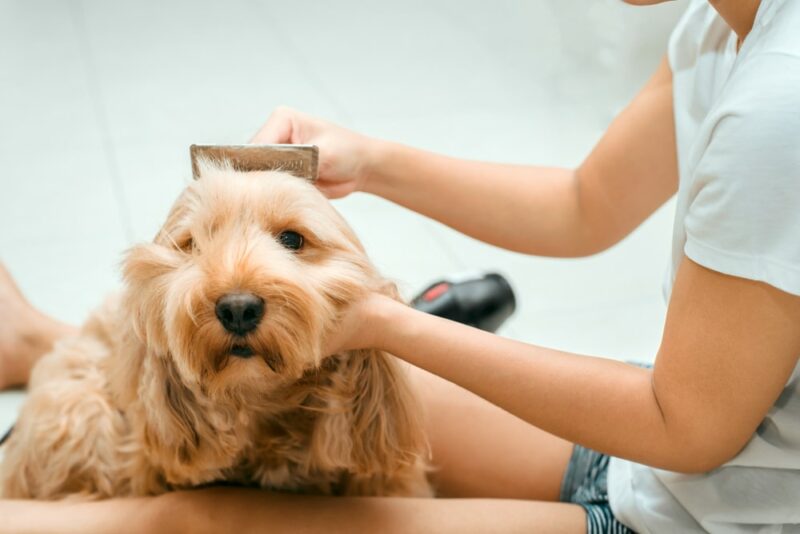
Because Cocker Spaniels shed all year round, it's important to keep up with brushing and combing to loosen matted hair and prevent tangles. You may need to brush both with the direction of the hair and against it to get the loose hairs out.
2. Choose the Right Tools
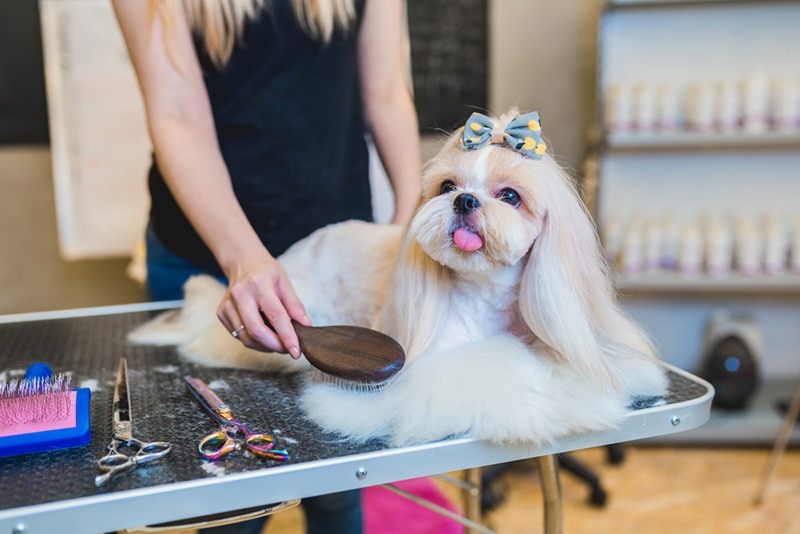
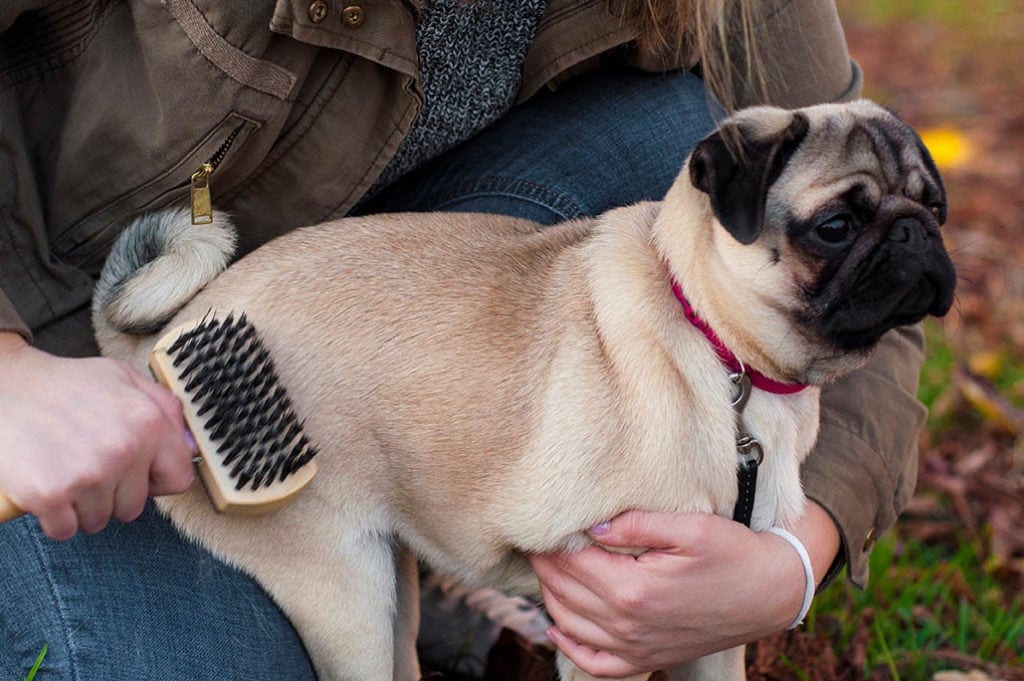
Cocker Spaniels require more grooming than some people realize. It's important to have the right tools, including a slicker brush to brush tangles and mats from the body. These brushes gently loosen the mats with slotted wires to avoid discomfort for your dog.
Slicker brushes aren’t appropriate for every area of the body, however. A pin brush is a good choice for the fluffy, more sensitive areas like the legs, belly, chest, and tail. You can carefully and gently use this brush to remove any tufts of undercoat that are hiding in these spots.
After brushing, a grooming comb is a good choice to tuck the undercoat and smooth the topcoat.
3. Pay Attention to Mats Around the Ears
Cocker Spaniel’s ears are floppy with lots of loose tendrils, which can end up tangled and dirty. If the ears get too matted, hair can build up around the ear opening and prevent ventilation, leaving your dog susceptible to ear infections.
During your regular grooming, comb away tangles or mats from the top, sides, and undersides of your dog’s ears. This is a sensitive spot, so if you encounter tough mats, try to detangle as much as you can and come back to them later.
4. Keep the Ears Clean
Dogs with floppy ears, like Cocker Spaniels, can have more frequent ear infections due to poor ventilation. If moisture can’t escape the ears, it becomes a haven for bacteria and fungi. It’s important to check and clean under your dog’s ear flaps regularly—at least once a week—to clean out dirt, grime, and wax.
When cleaning the inside of the ear, only go as far as you could fit a fingertip. You can use a cotton swab or cotton ball to get some of the nooks and crannies but don’t stick anything inside your dog’s ear canal. A dog-safe ear-cleaning solution can draw the wax out of your dog’s ear, where you can gently wipe it away.
5. Prevent Tear Stains
Cocker Spaniels’ doe eyes are part of their distinctive looks, but they can become unsightly with stains that build up from normal tearing. During regular grooming, you can wipe your dog’s tear stains to keep them from getting bad.
You have two options to safely clean your dog’s tear stains: tear stain wipes or a damp washcloth. Whichever you choose, it’s important to get close to your dog’s eyes without actually touching the eye itself. If the buildup is hardened, soften it with a damp washcloth and wipe a little bit each rooming session.
6. Keep the Nails Trimmed
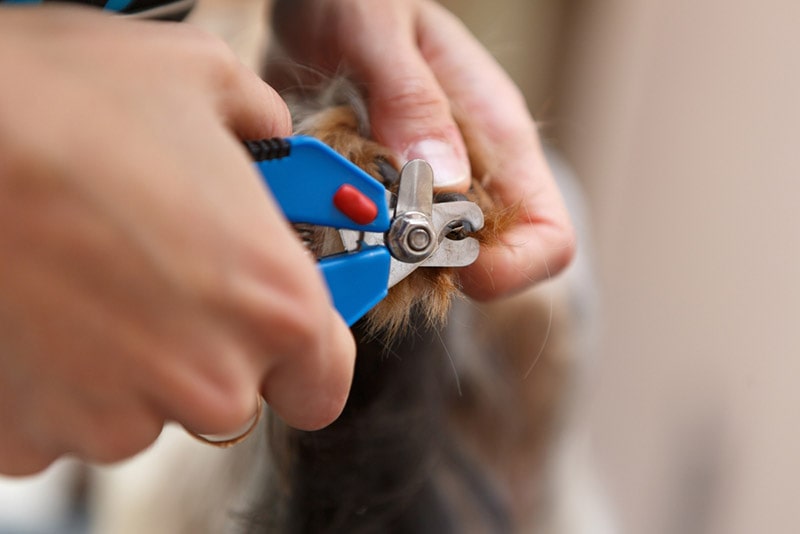
Overgrown nails are harder to shorten and cause pain in your dog’s toes and joints. You can keep your dog’s nails short with regular clipping or filing.
Nail trimming can be stressful for both you and your dog, so take it slowly. If you use clippers, make sure they’re sharp to avoid pinching your dog’s nails. Trim small slivers each time until you see the quick. On white nails, this is an obvious pink area. Black nails are a little more challenging, but you will begin to see a gray area with a tiny black dot as you trim—that means you’re getting close.
No matter how careful you are, it’s possible you’ll accidentally hit the quick. This is painful for your dog and stressful for both of you, but it’s not the end of the world. Keep styptic powder on hand to stop any bleeding.
Trimming the nails regularly will get the quick to recede. If your dog’s nails are long, it may take multiple sessions to get the quickly back to their natural place. Typically, the quick recedes every four or five days, so you can do a quick trim after this period to get the quick back.
7. Brush Your Dog’s Teeth
Oral hygiene is just as important for dogs as it's for humans. Cocker Spaniels, in particular, are susceptible to gum disease, tooth decay, and periodontal disease, which can have system-wide health effects.
Ideally, your dog’s teeth should be brushed once a day. If that’s difficult to manage, aim for three times a week to keep bacteria at bay. Your dog should have yearly dental cleanings from your vet but brushing its teeth in between can go a long way toward keeping your dog’s teeth clean and healthy.
8. Bathe Your Dog Regularly
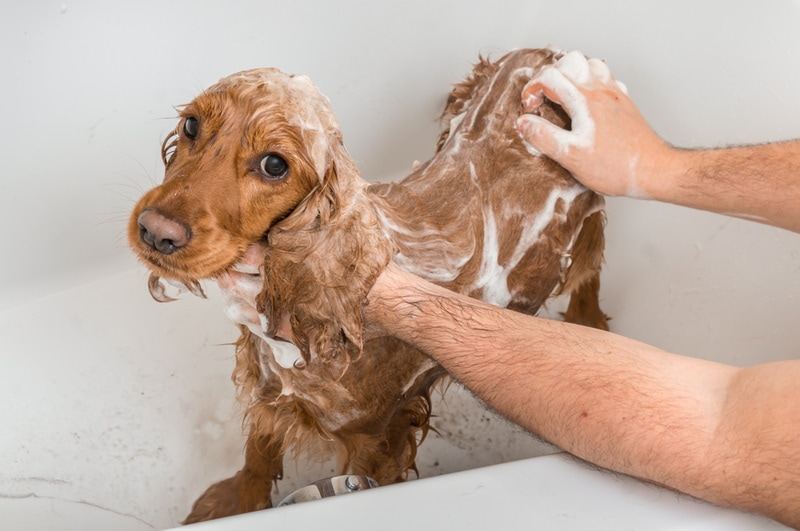
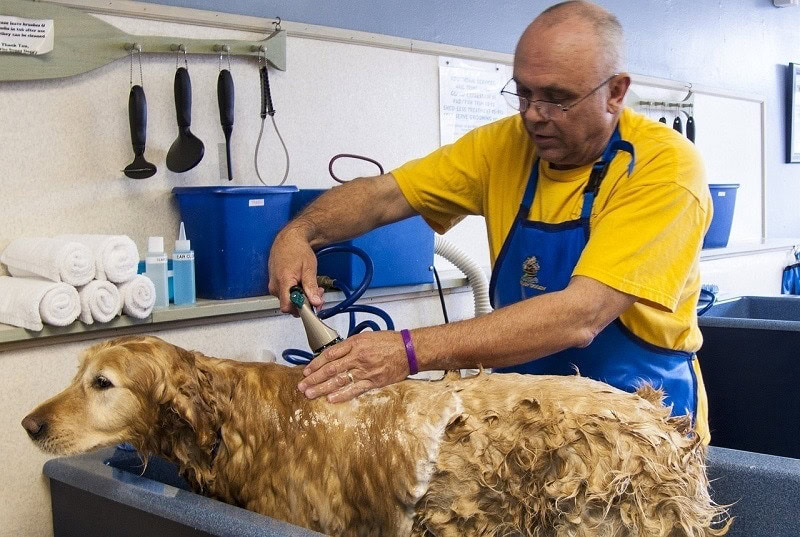
Along with regular grooming, your Cocker Spaniel should get a bath at least once a month. If your dog spends a lot of time outdoors playing in the dirt and mud, you may need to bathe it more frequently.
It’s important to note that you can’t use human shampoo and conditioner on your dog. Choose a dog-safe shampoo and conditioner that’s appropriate for your dog. Some Cocker Spaniels are prone to conditions like seborrhea, which causes their skin to flake and their coat to become greasy. If your dog has skin conditions or sensitive skin, be sure to speak with your vet about the best choice for shampoo and conditioner.
With some practice, most Cocker Spaniels enjoy baths. Always aim to make the experience a positive one with lots of treats, praise, and gentle washing. Because the coat is so thick, it’s easy to leave some shampoo behind. When in doubt, rinse again.
9. Use a Professional for Haircuts
Cocker Spaniels require high-quality grooming with haircuts at least once a year. While you can do this yourself, you may want to enlist the help of a professional groomer until you get the hang of grooming your dog. The breed has specific clipping needs, especially if you’re looking for a traditional Spaniel haircut that would be difficult to achieve at home.
10. Keep Up with the Work
A consistent grooming schedule has many benefits, including getting your dog more comfortable with grooming tasks. Also, sticking to a schedule keeps any aspect of grooming from becoming unmanageable. Even missing one brushing could lead to lots of matted hair and tangles that take multiple sessions to get out! The same goes for nails, teeth, ears, and tear stains—if you do a little at a time, it’s easier on you and your dog and prevents major buildup.

Conclusion
Cocker Spaniels make wonderful pets, but they have high-maintenance grooming needs. While it's best to use a professional groomer for clipping and trimming, you can keep your Spaniel looking and feeling good with a consistent grooming routine throughout the year.
Featured Image Credit: rebeccaashworthearle, Shutterstock
Get Hepper In Your Inbox


Pet care tips from our vets and experts, straight to your inbox.
You may opt-out at any time. View our Privacy Policy for more information.

Nicole is a lover of animals of all sizes but is especially fascinated with the feline variety. She’s the proud mom of Baby, a Burmese, and works every day so he can relax in the sunshine or by the fire. She’s always had a cat in her home and has spent countless days with others, observing behaviors and softening up even the grouchiest of the lot. Nicole wants to share her kitty expertise with you so you and your cat can live happy, healthy, and care-free.
Join the conversation
Ask a question, share your story, or send private feedback.