Hepper is reader-supported. When you buy via links on our site, we may earn an affiliate commission at no cost to you. Learn more.
Hug Dog (Siberian Husky & Pug Mix): Info, Pictures, Characteristics & Facts
In this article
Breed Overview
Height:
Weight:
Lifespan:
Colors:
Suitable for:
Temperament:
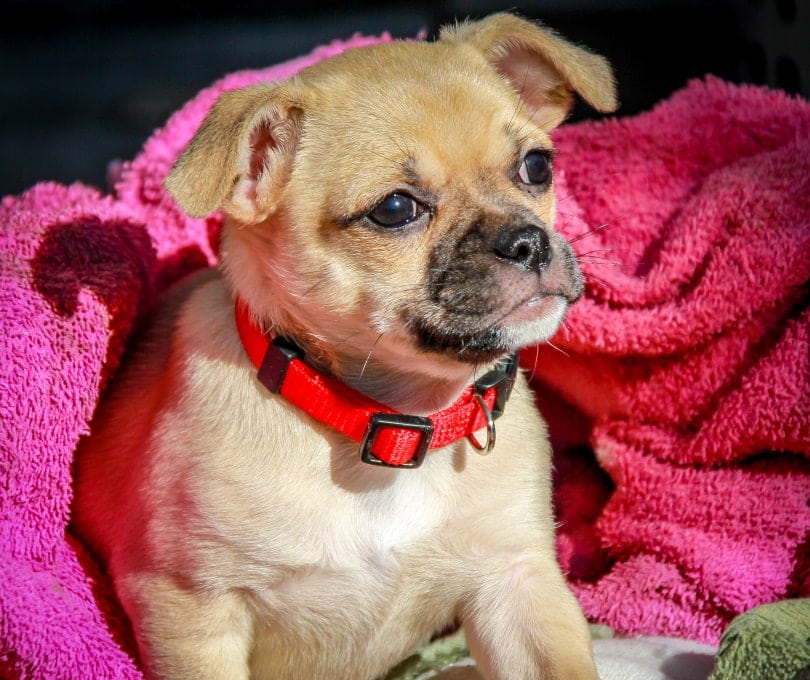
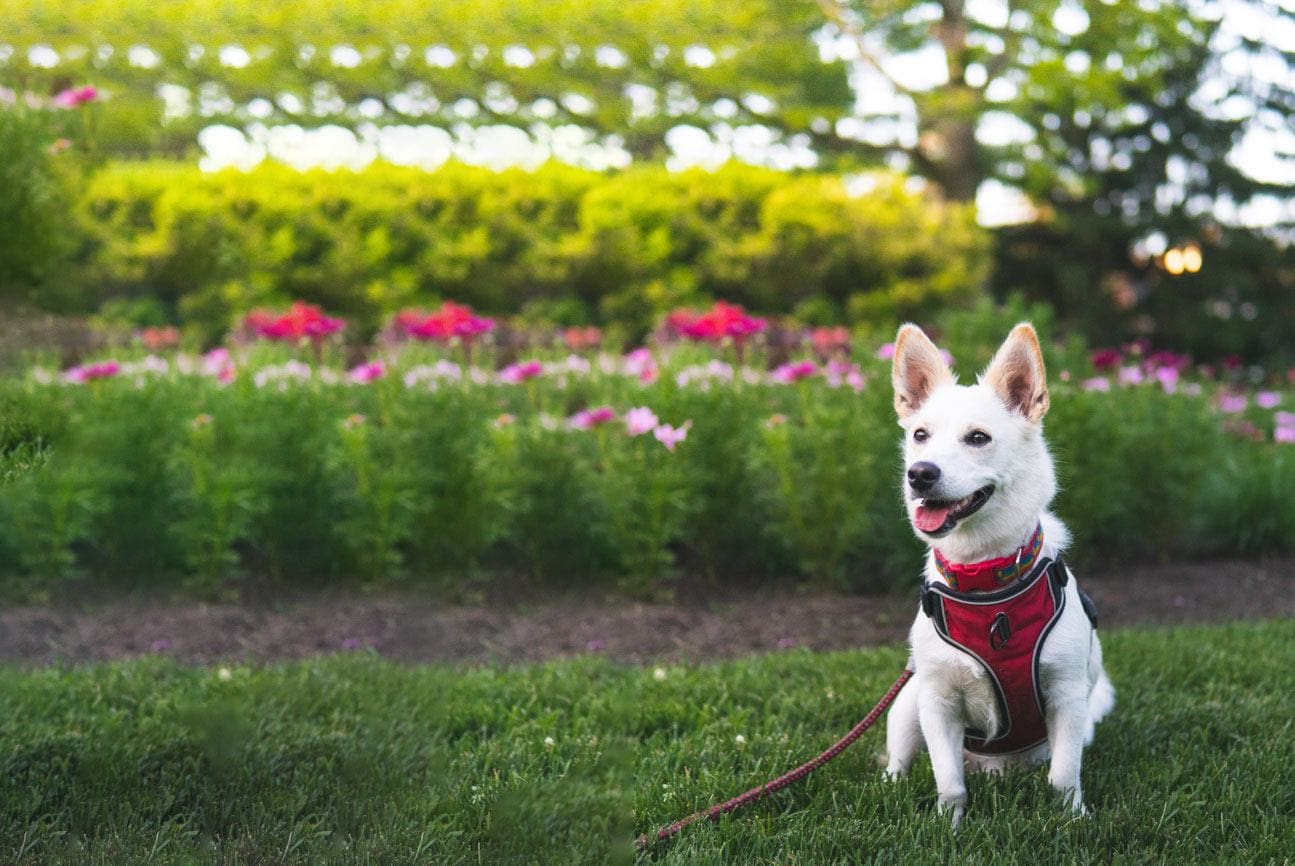
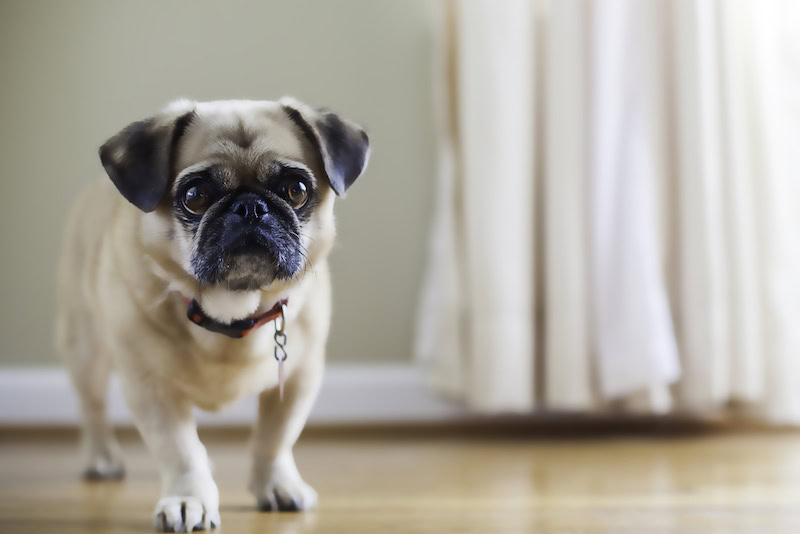
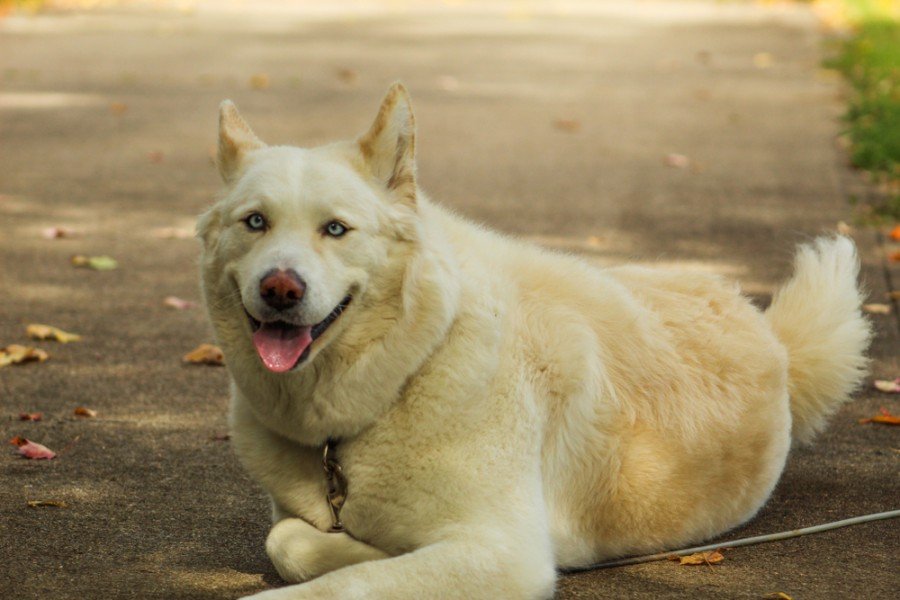
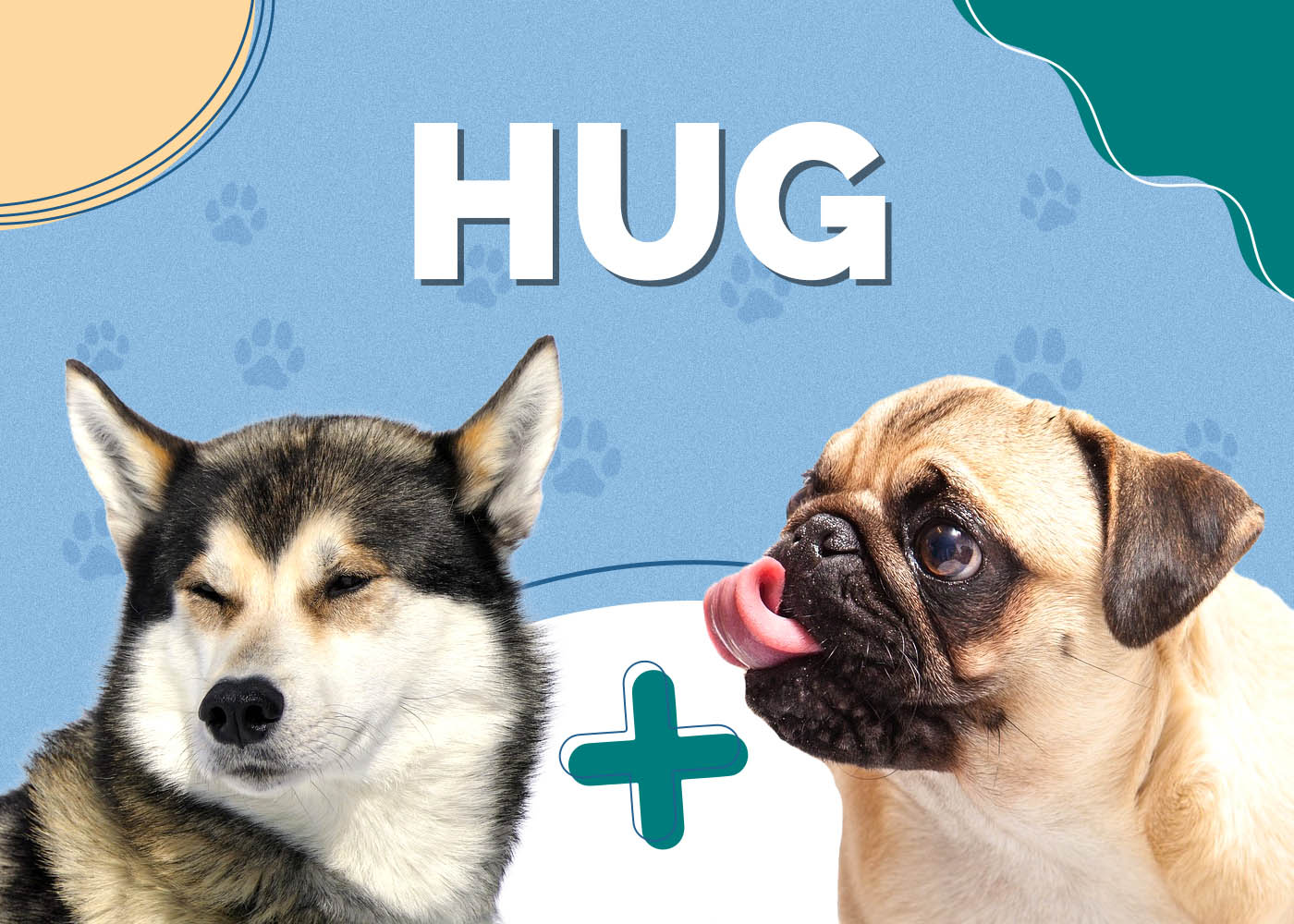
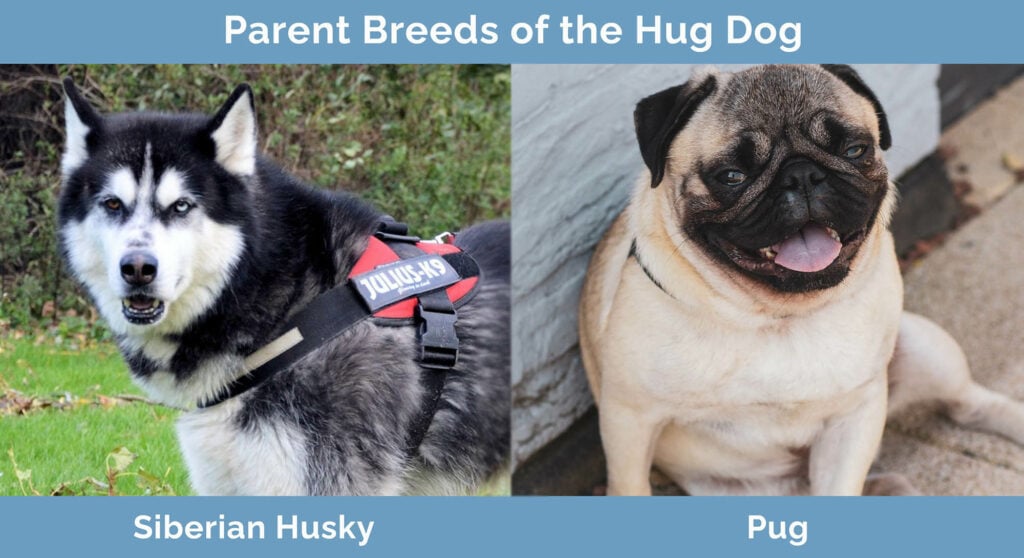
Hugs are the result of breeding Siberian Huskies and Pugs together. They may sport a funny name, but they are beautiful and interesting inside and out. The Hug takes after both of its parents, so owners may find a mix of high energy and laziness in their puppies once they start aging into adulthood. This mixed breed might turn out to look more like the Husky or may stay small and Pug-like.
Because Hugs take after their Siberian Husky parent in temperament, these dogs need a great deal of attention, exercise, and activity to stay content. A bored Hug may become destructive in the house and start to show behavioral problems as time goes on. But on the other hand, Hugs can become lazy, just like their Pug parents.
Some amount of coaxing to get exercise might become necessary once a Hug becomes an adult. In any case, the Hug is a beautiful dog that is loyal to their family members, is intelligent enough to pick obedience training up quickly, and is active enough to enjoy a fun weekend of camping or exploring a short hiking trail any time of the year. Keep reading to learn more about what it’s like to parent a fun-loving Hug.

Hug Puppies
Hug Characteristics
It’s important to know that Hugs can be between 30 and 60 pounds when they are fully grown, so their size fluctuates widely depending on which genes a particular Hug has. If your Hug takes after the Siberian Husky in stature, they will likely be closer to 60 pounds during adulthood.
Dogs that take after their Pug parent may be half as small and weigh in at the 30-pound mark. Therefore, prospective owners should be prepared to enjoy life with a small to mid-size dog or one that’s on the larger side when all is said and done.
3 Little-Known Facts About the Hug
1. They’re Not Well Known
Ask your friends and family what a Hug is. Chances are that they will give you a hug or try to explain the nature of humans embracing each other. More than likely, they won’t know that a Hug is also a mixed dog breed. While Hugs aren’t well known, they are gaining attraction among prospective dog owners who wish to share their lives with a friendly, strong breed that’s family-oriented and loyal.
2. They Can Look Very Different
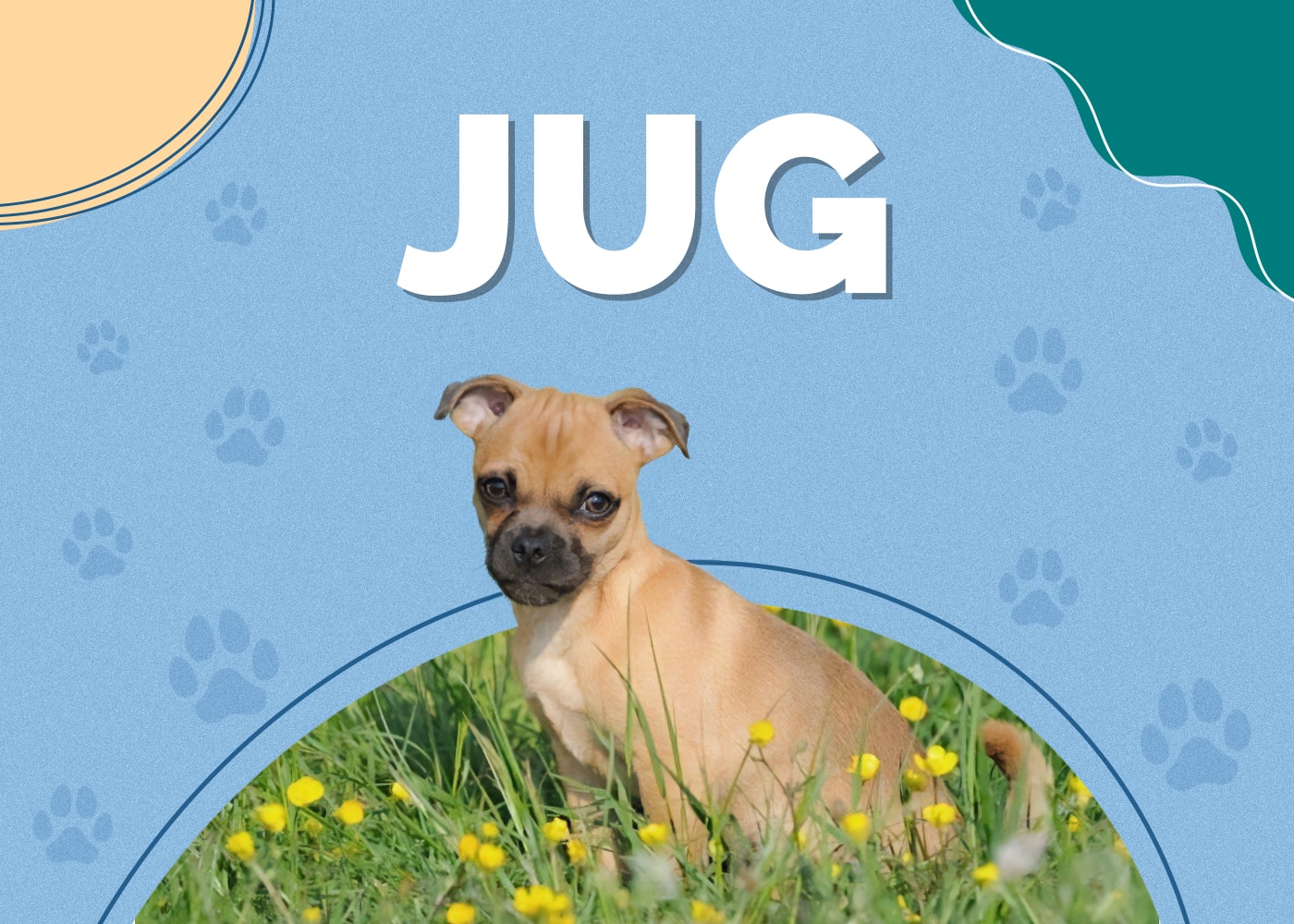
Hugs can turn out to look like a Pug, a Siberian Husky, or a mixture of the two. Whatever they look like while they are puppies, you can’t be sure what your new pup will look like until it reaches adulthood.
3. They Can Make Great Working Dogs
Many people think that Hugs wouldn’t make good working dogs because of their Pug genes. But most Hugs will work hard on the farm or at the workplace, whether pulling or herding something or keeping a human they love company.

Temperament & Intelligence of the Hug
Just like they may take on a wide variety of the physical traits that their parents have, the Hug might present a temperament that is more like the Pug or more like the Siberian Husky as time goes on. A puppy might even turn into an adult who exhibits a delightful mixture of both Pug and Siberian Husky traits.
Your Hug may thrive in a highly active environment, or they might be happier relaxing at home much of the time. It all depends on their size, activity level, and personality. If your Hug takes after the Siberian Husky, they will expect to spend a great deal of time outdoors exercising. If they’re smaller, like a Pug, you will probably get away with fewer walks throughout the week without affecting your pet’s quality of life.
No matter the stature, most owners note that their Hugs are excellent escape artists. They try to make their way out of fences, doors, and kennels. So as a prospective owner, you should prepare to adopt a Hug by investing in a secure kennel and a few “puppy-proof” locks for the house.
Are These Dogs Good for Families?
Hugs get along famously with children and love living within a family dynamic. But they can also thrive in a single-person household as long as that person is adventurous and active. You should socialize your Hug puppy as early as 8 weeks old, to ensure that they don’t become too timid when meeting strangers throughout their life.
Hugs love playing with children and tend to be gentle with small children even after they are fully grown. These dogs are highly inquisitive, so owners should make puzzle toys and chewable items out for their Hug puppies.
Does This Breed Get Along with Other Pets?
The Hug gets along splendidly with other dogs and cats if it has an opportunity to meet them from a young age. Hugs should be taught the other animals are to be accepted as soon as they are brought home for the first time. Consider making play dates with pet parents of dogs and cats that have already been socialized.

Things to Know When Owning a Hug Puppy
Owning a Hug puppy means experiencing pure love and joy, whether enjoying a weekend of camping or spending a day on the couch watching movies. You should know about everything from feeding and training to grooming requirements and potential health problems before deciding whether to adopt a new Hug puppy.
Food & Diet Requirements
Hugs should eat high-quality dry or wet food that is free of fillers and artificial ingredients, just like humans should. Look for a food that features whole meat as the main ingredient. You should also look for something that is labeled to meet the nutritional needs of puppies specifically. This mixed breed should be fed food that doesn’t contain any artificial ingredients of any kind.
You can expect to feed your Hug pup up to a cup and a half of puppy food every day until they reach adulthood at about 12 months of age. Hug puppies probably won’t eat their entire day’s worth of food at one time, so multiple meals should be offered throughout the day. If you’re in doubt about what kind of puppy food to feed your new Hug, don’t be afraid to consult your veterinarian for expert guidance and advice.
Exercise
Hug dogs may or may not need a great deal of exercise every day, depending on their size and the genes that they inherit. Hugs that take more after their Siberian Husky parent might need to be walked once or even twice a day, in addition to regular play sessions in the yard or visits to the dog park.
Hugs that tend to take after their Pug parent may only need three to five walks each week to feel content and satisfied with their lives. The breeder you adopt your Hug puppy from may be able to provide you with some insight into which parent they will most likely take after. So, if exercise needs are important to you when adopting a puppy, take the time to talk to the breeder about this issue.
Training
Every Hug should participate in obedience training and the earlier, the better. Hugs need something to do, like their working dog Siberian Husky parent. If they aren’t trained to sit and stay while they are puppies, they can become a handful when they become adults.
Hugs do well when it comes to agility training, so if you find that your pooch is highly active, consider enrolling them in agility courses. You can even set up a homemade agility course in your yard. Just use chairs and a broom to create a jump and use cones or plastic bottles to create poles for your pooch to weave through.
Grooming ✂️
Hugs could have shorter or longer hair depending on the genes they inherit. Hugs could take on one, the other, or both parents’ genes when all is said and done.
You may need to brush your Hug a few times a week if it takes after its Siberian Husky parent. If it takes after its Pug parent, you can get away with weekly or even bi-weekly combing. If your Hug’s coat gets too long for your liking, you can always get it trimmed to make grooming more convenient. Check your pooch’s toenails once a month, and if they’re long and sharp, they should be trimmed for optimal comfort and minimized risk of injury.
Health and Conditions ❤️
Your Hug may end up having to deal with one or more of several different types of health ailments throughout the years. So, you should know what to look for now to help keep your pup happy and healthy throughout their adulthood.
Male vs. Female
Some people like to think that there is a big difference between male and female Hugs. The truth is that both are intelligent, sociable, lovable, and loyal. So, take home any gender you feel like. Either will respond positively to the love, attention, and training you provide them with.

Conclusion
Whether you adopt a male or female Hug, you are in for laughs and love. Expect to enjoy years of joy with a cute, lovable dog that transitions well to new environments and loves to go on adventures with their human family members. Any family would be lucky to have a Hug as part of their family.
Featured Photo Credit: Pretty Pixels, Shutterstock
Get Hepper In Your Inbox


Pet care tips from our vets and experts, straight to your inbox.
You may opt-out at any time. View our Privacy Policy for more information.

Nicole is a lover of animals of all sizes but is especially fascinated with the feline variety. She’s the proud mom of Baby, a Burmese, and works every day so he can relax in the sunshine or by the fire. She’s always had a cat in her home and has spent countless days with others, observing behaviors and softening up even the grouchiest of the lot. Nicole wants to share her kitty expertise with you so you and your cat can live happy, healthy, and care-free.
Join the conversation
Ask a question, share your story, or send private feedback.