Hepper is reader-supported. When you buy via links on our site, we may earn an affiliate commission at no cost to you. Learn more.
Long-Haired Fluffy Corgi: Facts, Origin & History (With Pictures)
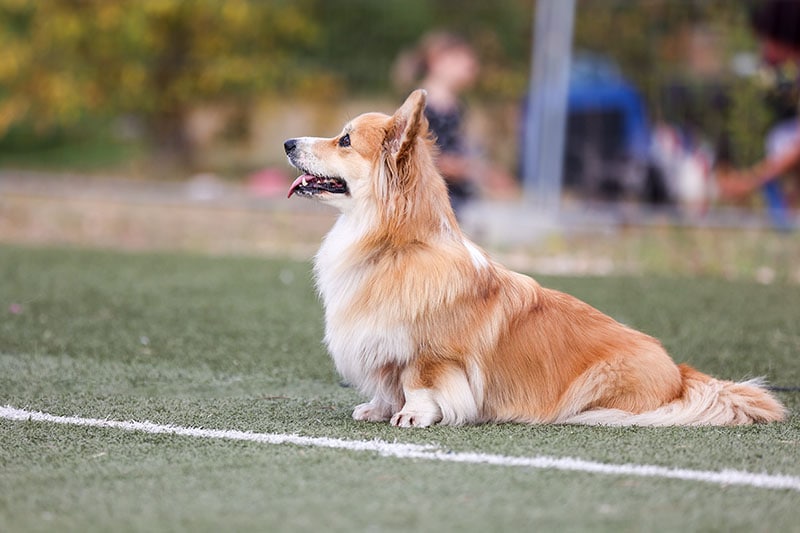
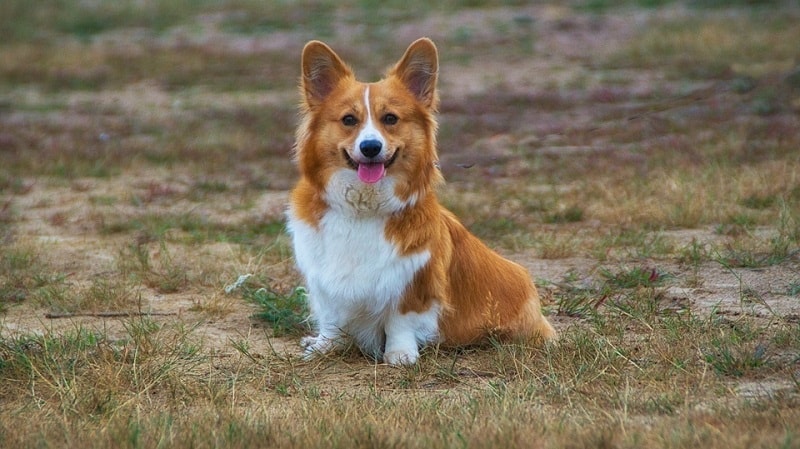
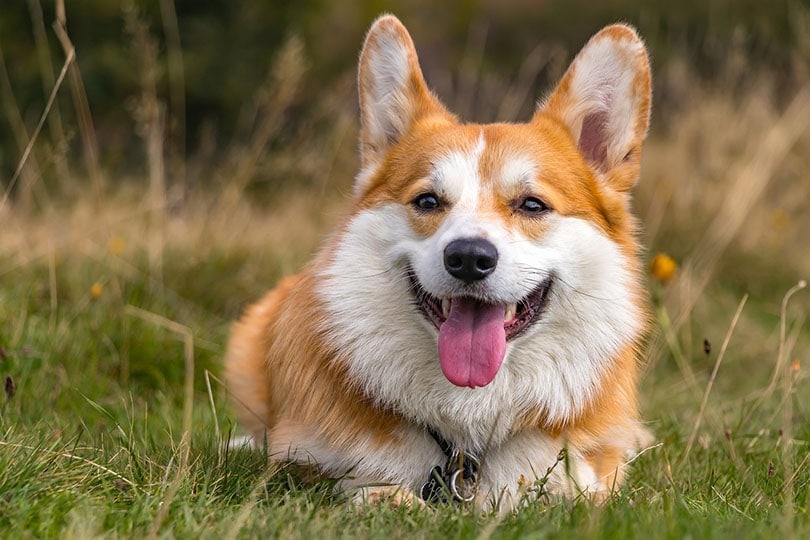
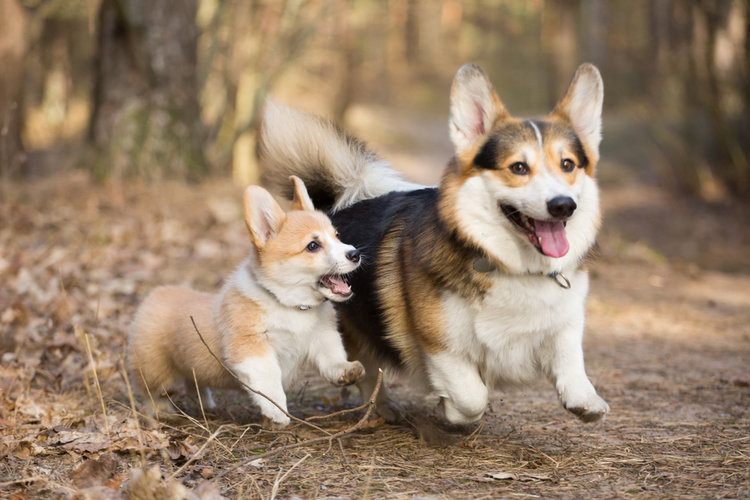
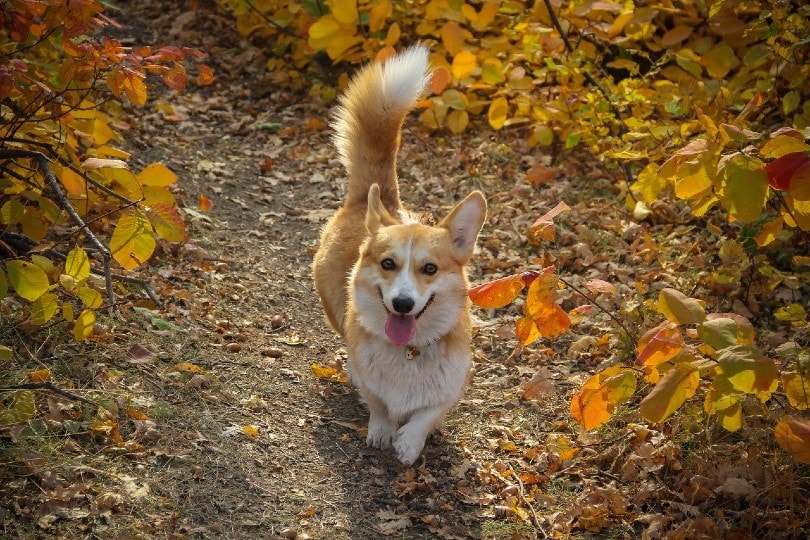
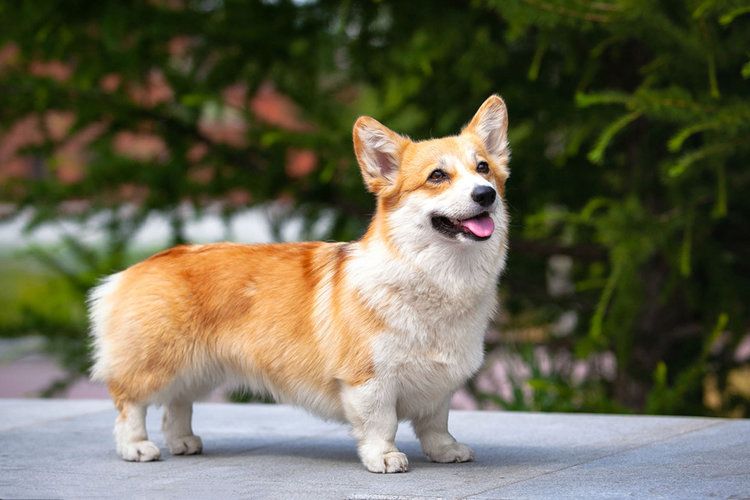
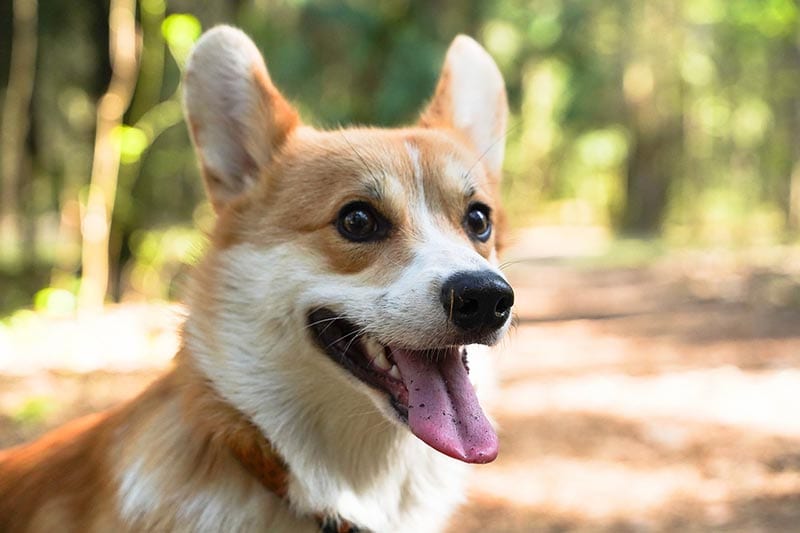
Long-haired Corgis are a rare type of Corgi that’s considerably fluffier than their coarse-coated counterparts. The result of a genetic mutation, Long-haired Corgis may occur in either Pembroke or Cardigan Welsh Corgis. Aside from the fluffy coat, these dogs are otherwise identical to Corgis with the familiar coarse double coat–other than some high-maintenance grooming needs!

The Earliest Records of Long-Haired Corgis in History
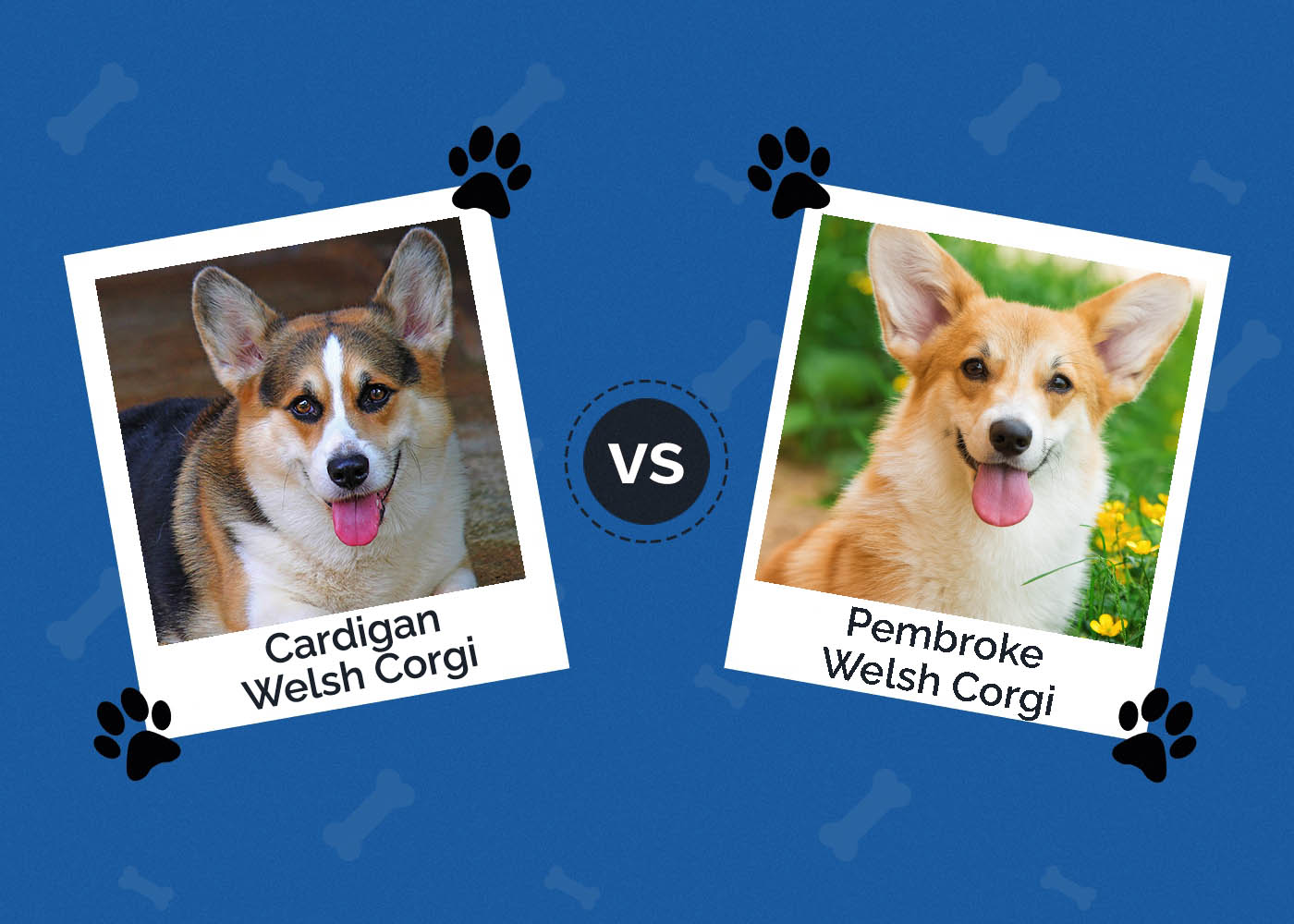
Welsh Corgis come in two separate breeds: Pembroke and Cardigan, both of which originated in Wales and were named for the counties where they originated. They have physical differences and breed standards; the Pembroke, the smaller and lighter of the two, has been attributed to the influx of dogs that came with Flemish weavers in the 10th century, while the Cardigan is attributed to the dogs brought with Norse settlers.
Both Pembroke and Cardigan Welsh Corgis have been valuable as cattle herding dogs for centuries. The “fluff” gene occurs in both and could be present in a litter, so it’s difficult to determine exactly when the first Long-haired Corgi appeared.
How Long-Haired Corgis Gained Popularity
Welsh Corgis are excellent cattle working dogs and were popular in agricultural areas for centuries. The Pembroke has been the more popular of the two, which grew because of Queen Elizabeth II’s affinity for the breed.
After gaining attention, Welsh Corgis became more common among companion dog owners and not just ranchers and show dog owners. As its popularity grew, so did the desire for more “unique” and rare varieties, such as the “Fluffy” Corgi.
Formal Recognition of Long-Haired Corgis
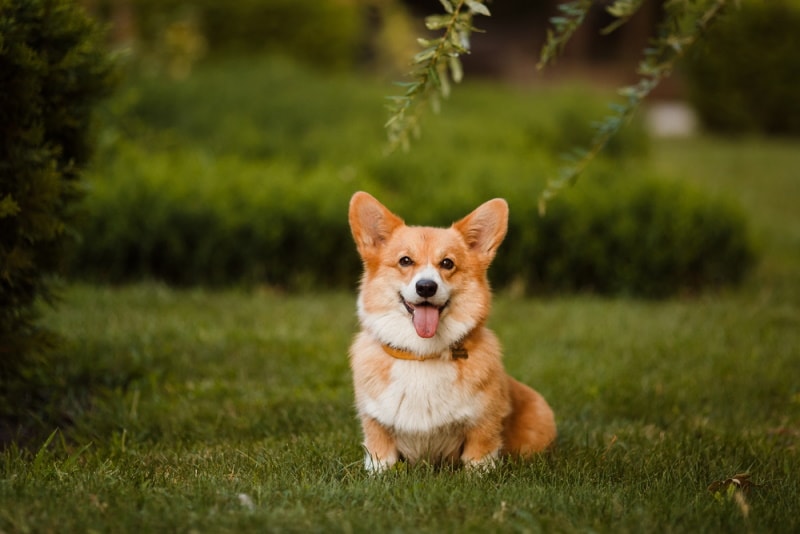
Both Pembroke and Cardigan Welsh Corgis were officially recognized in the show ring in Wales in 1925. Captain J.P. Howell brought breeders together to form the Welsh Corgi Club and establish a breed standard, which started the trend of breeding for a certain appearance. Most members of this club were interested in the Pembroke, the more popular of the two.
Both Pembroke and Cardigan Welsh Corgis were judged together until their official recognition by The Kennel Club (UK) in 1934, which separated the breeds. The dogs were also brought to the US in 1933, leading to official recognition by The American Kennel Club in 1934.
The Long-haired Corgi is still not recognized by major kennel clubs. The fluffy coat is considered a defect for conformation shows and eliminates this dog from the show ring or breeding for show-standard litters.
Top 4 Unique Facts About Long-Haired Corgis
1. All Corgis Shed Excessively—Fluffy or Not
Both Pembroke and Cardigan Welsh Corgis are known to be excessive shedders due to the double coat. Corgi owners have to invest in good grooming tools or regular professional grooming sessions. A Fluffy Corgi may shed more or less, but the trade-off is that they are more likely to get mats and hold dirt and moisture.

2. Only One Corgi Coat Is AKC-Approved
The preferred coat for Corgis is a short, straight, thick double coat with a down underlayer and a coarse top layer that’s weather resistant. Some waviness is permitted, but wiry, excessively short, thin, or overly soft coats are unacceptable, along with the fluffy coat.
3. Fluffy Coats Come in a Bunch of Colors
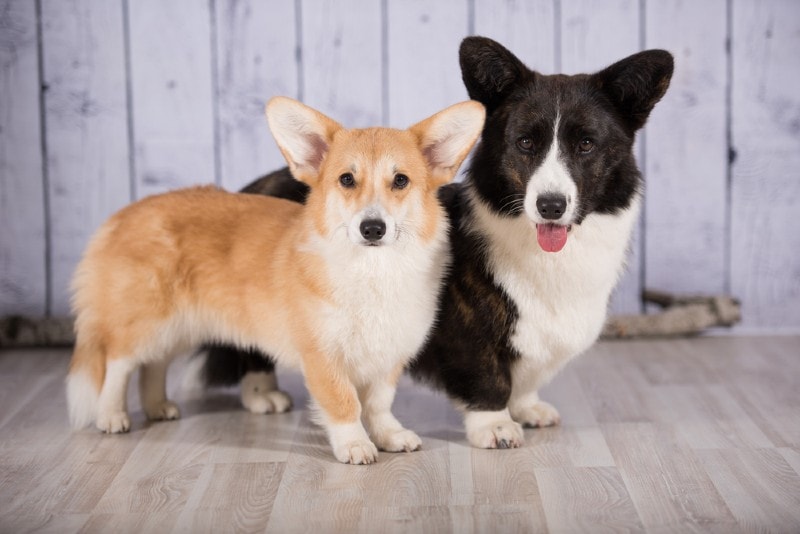
While it may not be the breed standard, fluffy coats can occur in a variety of Corgi colors. The common colors of red and black-and-tan can be seen in fluffy coats, as well as sable and black-and-white, brindle, and blue merle in the Cardigan breed.
4. Fluffy Coats Come from a Recessive Gene
Both Pembroke and Cardigan Welsh Corgis can have a fluffy coat because of the recessive FGF5 “fluff” gene, which is a genetic mutation. Corgis with fluffy coats may occur in any litter of either breed, though it happens more often in Pembroke Corgis.

Does the Long-Haired Corgi Make a Good Pet?
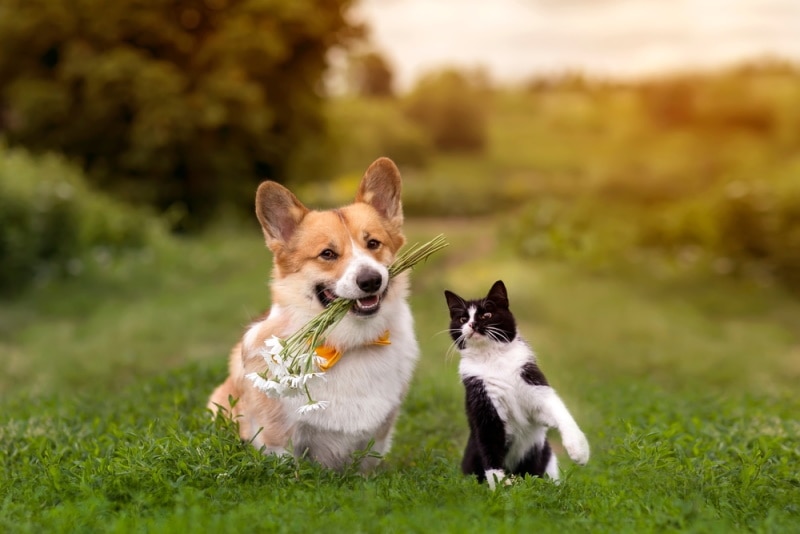
Fluffy Corgis are just like any other Corgi. They’re intelligent, well-mannered herding dogs that can have a stubborn streak. With proper socialization, Corgis—coarse-coated or fluffy—can coexist with other dogs, cats, and children with little issue.
The fluffy coat can create high-maintenance grooming needs, however. This coat is dramatically different from the (somewhat) self-cleaning double coat that other Corgis have. Long-haired Corgis often have issues with matting, clumping, and holding moisture and dirt, which can create skin issues. The natural coarse coat of a Corgi is designed to minimize these problems due to it being a working breed.
There are no known health issues connected to the “fluff” gene, but these dogs are equally prone to other health conditions common in Corgis. If their popularity grows and breeders begin to selectively breed for fluffy puppies, that could lead to other defects that could present health problems in the future.
Conclusion
Long-haired Corgis, or Fluffy Corgis, might be a style preference for some owners, but otherwise, they’re no different than a regular Pembroke or Cardigan Welsh Corgi. Breeders should not charge higher prices for a “rare” variety of Fluffy Corgis, however, as they are not within breed standards and should not be bred. Whether the dog is fluffy or not, what matters is that it has a good temperament, socialization, and lots of love.
Featured Image Credit by: Lisjatina, Shutterstock
Get Hepper In Your Inbox


Pet care tips from our vets and experts, straight to your inbox.
You may opt-out at any time. View our Privacy Policy for more information.

Nicole is a lover of animals of all sizes but is especially fascinated with the feline variety. She’s the proud mom of Baby, a Burmese, and works every day so he can relax in the sunshine or by the fire. She’s always had a cat in her home and has spent countless days with others, observing behaviors and softening up even the grouchiest of the lot. Nicole wants to share her kitty expertise with you so you and your cat can live happy, healthy, and care-free.
Join the conversation
Ask a question, share your story, or send private feedback.