Hepper is reader-supported. When you buy via links on our site, we may earn an affiliate commission at no cost to you. Learn more.
My Dog Ate Nutella: Our Vet Explains What to Do

In this article
Nutella or its generic versions are not safe products for dogs to eat because they contain chocolate and significant amounts of sugar and fat. While a small amount probably won't lead to a health problem, making a habit out of it will.
In this article, you will learn why you shouldn’t give Nutella to a dog and what you can do if your dog consumes a large amount of Nutella.

Is Nutella Dangerous for Dogs?
Nutella is not safe for dogs because it contains chocolate and large amounts of sugar and fat. Chocolate is one of the most dangerous foods for dogs. It is made from cocoa, which is obtained from cocoa beans that are fermented, roasted, peeled, and ground. The dangerous compound in cocoa is theobromine, but besides this, cocoa contains small amounts of caffeine. Both compounds can be lethal for canines.
Each gram of chocolate can contain between 1 and 9 milligrams of theobromine. Dogs can begin to feel the toxicity of theobromine at a threshold of approximately 20 mg per kilogram. If your dog weighs 5 kilograms (11 pounds), then 100 mg of theobromine (or 20 grams of dark chocolate) will cause serious health problems.
However, cocoa is toward the end of Nutella’s ingredient list, and your dog is more likely to get sick from the other ingredients (sugar and palm oil) before getting sick from cocoa.
Cheaper generic versions of Nutella may contain xylitol (artificial sweetener) instead of sugar and/or macadamia nuts, both of which are toxic to dogs. Therefore, it is best to check the label right after your dog eats something that they shouldn’t have in order to be informed about the ingredients so you can call the vet if necessary.
Some dogs are allergic to hazelnuts. So, even if the amount of Nutella that they ate is tiny, they can still develop a severe reaction due to the hazelnuts.
My Dog Ate Nutella, What Should I Do?
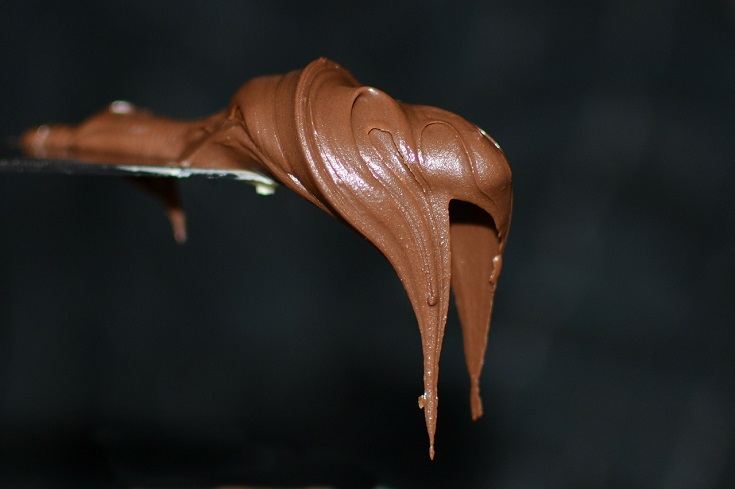
If your dog has eaten Nutella or a cheaper generic version, check the list of ingredients, and do not let your dog continue to consume it. Nutella generally contains sugar, palm oil, hazelnuts, skimmed milk, and cocoa. If you see xylitol and/or nuts on the list of ingredients, contact your veterinarian immediately.
In general, if a small amount of Nutella is consumed (in proportion to your dog's size), there should be no problems. That said, the following clinical signs may occur:
- Diarrhea
- Vomiting
- Abdominal pains
- Agitation
- Lack of appetite
Clinical signs can occur within 24–48 hours, so monitor your dog during this time. Moreover, contact the veterinarian if the clinical signs worsen or do not go away on their own, as the high-fat content of Nutella can lead to pancreatitis. Inflammation of the pancreas can manifest itself differently.
The mild form often presents with nonspecific clinical signs like loss of appetite or lethargy. In severe cases, vomiting, weakness, abdominal pain, dehydration, diarrhea, and fever can occur.
Even though Nutella contains low amounts of cocoa, it can cause theobromine poisoning in some dogs. Clinical signs of chocolate/cocoa poisoning may include:
- Nausea
- Hypersalivation
- Vomiting
- Diarrhea
- Abdominal pain
- Bloating
- Panting
- Hyperactivity
- Restlessness
- Wobbly walking
- Shaking
- Bloody urine
- Rapid heart rate
- Increased respiratory rate
- Low body temperature (hypothermia)
- Seizures
- Coma
- Death
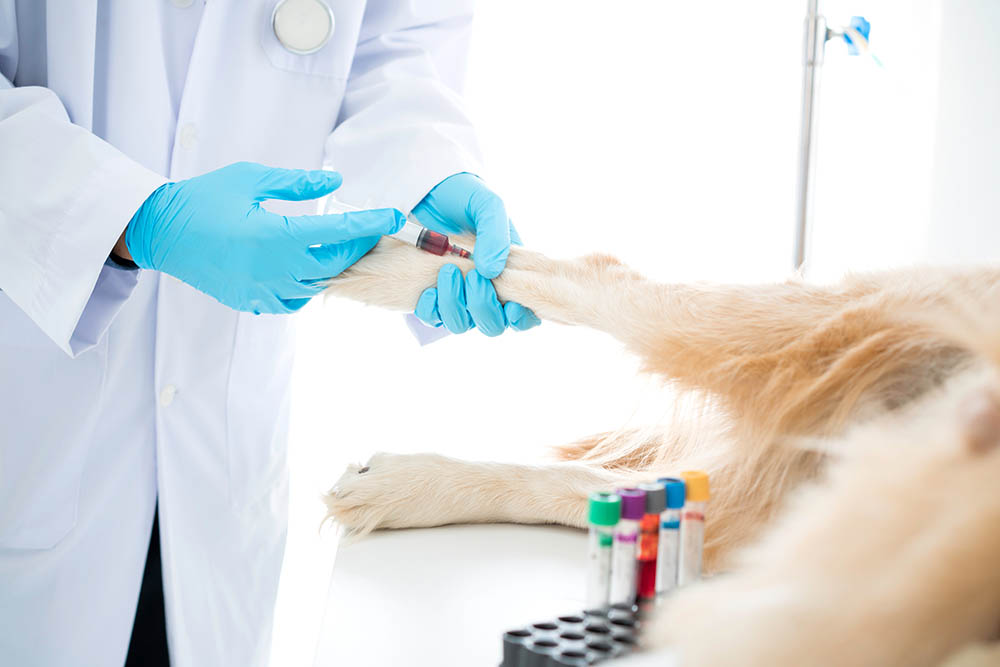
If you have given Nutella to your dog or suspect that they might have eaten it and now feel sick, do not avoid or delay going to the nearest veterinary clinic immediately. The vet will perform a complete clinical examination and blood and urine tests.
These tests, combined with the clinical signs and your dog's medical history, will help the vet determine the degree of intoxication and establish a proper therapeutic protocol.

Frequently Asked Questions
Can Dogs Have Nutella?
It is best not to give Nutella to dogs. It is full of sugar and fat and contains small amounts of cocoa, all of which can make your dog sick. Any potential benefits are non-existent. Even though a small amount of Nutella probably won't make your dog sick, making a habit of it can lead to health problems, such as obesity or pancreatitis.
In addition, since it contains cocoa, which is toxic to dogs, your pet can become intoxicated if they eat a large amount of Nutella. Therefore, it is best not to give Nutella to your pet. Instead, you can give peanut butter to your dog as a treat (if your pet is not allergic to peanuts).
How Much Nutella Is Safe for a Dog?
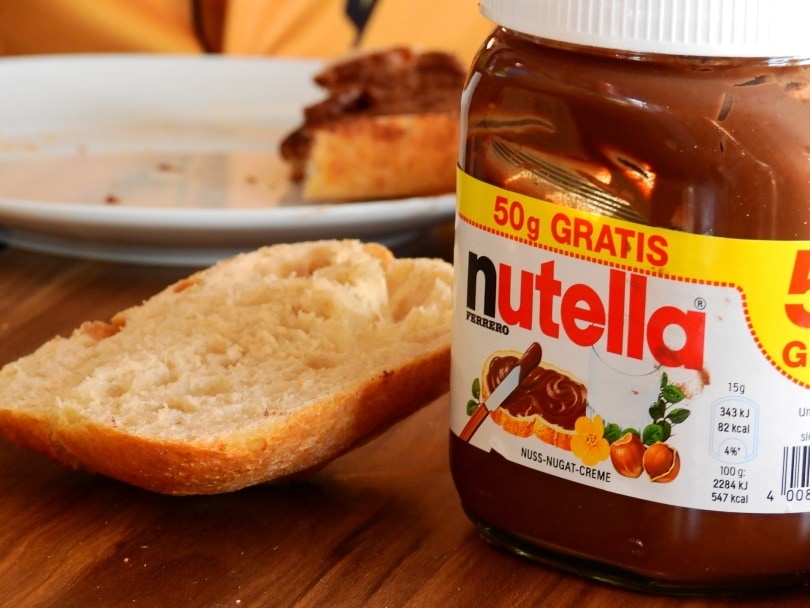
Nutella has no nutritional value for dogs and can lead to digestive disorders if consumed. This product contains large amounts of sugar, palm oil, hazelnuts, skimmed milk, and small amounts of cocoa. The fats, sugar, and cocoa in Nutella can make your dog sick, even if it is consumed in small amounts.
Can Dogs Eat Hazelnuts?
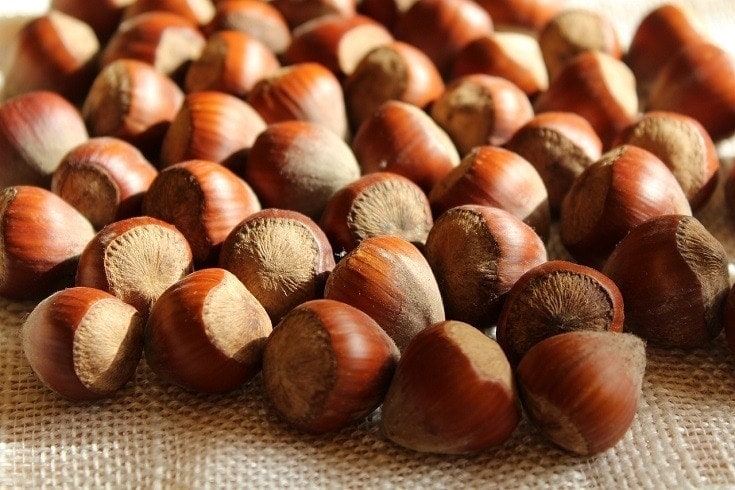
While not toxic to dogs, hazelnuts (like macadamia nuts) can lead to digestive disorders or pancreatitis (vomiting, yellow-muddy diarrhea, lethargy, decreased appetite, and abdominal pain). Also, some dogs can be allergic to hazelnuts, though this is rare. So, if your dog has digestive problems or develops an allergic reaction after consuming hazelnuts, contact your veterinarian immediately.

Conclusion
Nutella has a low cocoa content, so it is not as dangerous for dogs as regular chocolate. However, it contains large amounts of sugar and fat, which can lead to obesity, digestive problems, or pancreatitis. Even if Nutella does have a low cocoa content (and thus of theobromine, the toxic compound for dogs), the more your dog consumes, the higher their risk of becoming poisoned. As a result, it is not recommended to serve Nutella willingly to dogs.
If your dog accidentally consumes Nutella, clinical signs may appear within 24–48 hours and may include vomiting, diarrhea, tremors, abdominal pain, wobbly walking, rapid heart and respiratory rate, seizures, etc. Contact a veterinarian if these clinical signs occur.
See also:
Sources
Featured Image Credit: PhotoEnduro, Shutterstock
Get Hepper In Your Inbox


Pet care tips from our vets and experts, straight to your inbox.
You may opt-out at any time. View our Privacy Policy for more information.
Iulia Mihai is a veterinarian with more than 13 years of experience in pet pathology, laboratory, and cancer. She studied at the University of Agronomical Sciences and Veterinary Medicine of Bucharest, Romania Iulia earned a master’s degree in equine and pet pathology and studied epithelial cancer for her Ph.D. Dr. Mihai's passions for internal medicine and parasitology inspired her to volunteer at the faculty’s clinic in her third year of college. She has worked in a couple of veterinary clinics over the years as an internal medicine specialist, and loves to write and educate pet parents about pet nutrition, behavior, and diseases.
Iulia is a passionate veterinarian with a strong affinity for veterinary parasitology, internal medicine, and laboratory. She is excited to share her experience and knowledge with pet owners around the world through her writing and hopes to educate people on pet nutrition, diseases, and behavior.
Education
Iulia graduated from the University of Agronomical Sciences and Veterinary Medicine, Bucharest, Romania, in 2012 and has a Master’s degree in Small Animals and Equines Pathology and is certified in HAACP food safety system implementation. Iulia started her Ph.D. in epithelial cancer in dogs and cats in 2013. Her research is published in national and international veterinary journals.
Experience
Dr. Iulia has been a veterinarian for more than 14 years. She is experienced in animal pathology and laboratory and has experience with exotic animals, such as pet rats and ferrets. She also has skills in the field of clinical pathology, laboratory, microscopy, cancer, and imaging.
Join the conversation
Ask a question, share your story, or send private feedback.