Hepper is reader-supported. When you buy via links on our site, we may earn an affiliate commission at no cost to you. Learn more.
Can Dogs Eat Palm Oil? Vet Reviewed Facts & FAQ


In this article
It can be difficult being a dog owner because not only will dogs beg for food you’re eating, which is difficult to ignore, they can sometimes help themselves to food without us even knowing if it’s safe. Palm oil isn’t poisonous but has a laxative effect that can cause adverse effects if dogs ingest it.
As a result, palm oil should not be served to your dog. So, let’s take a look at everything you need to know when it comes to palm oil.

What Is Palm Oil?
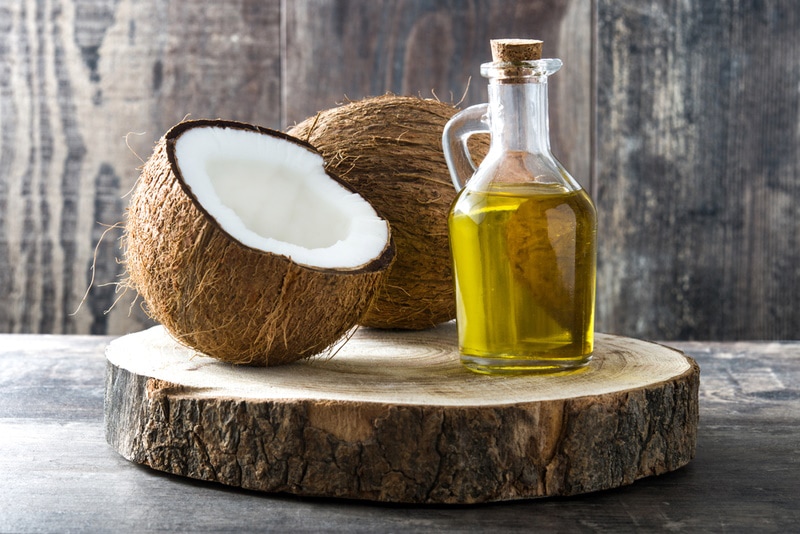
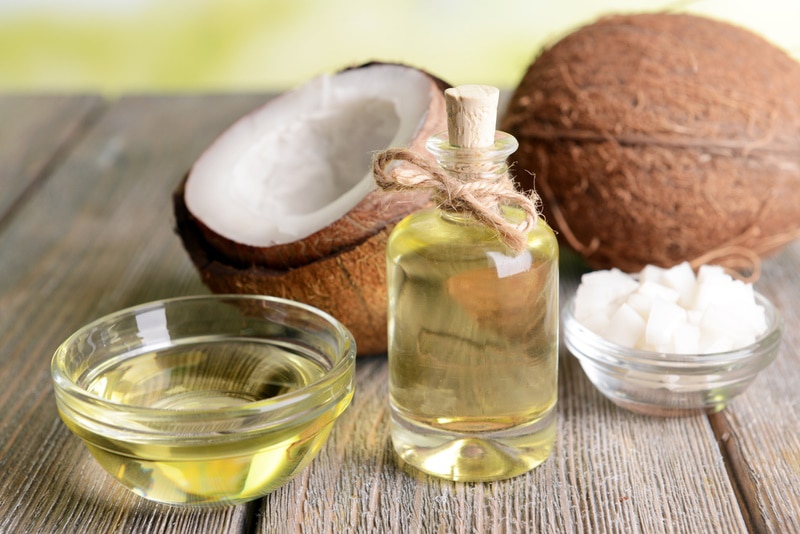
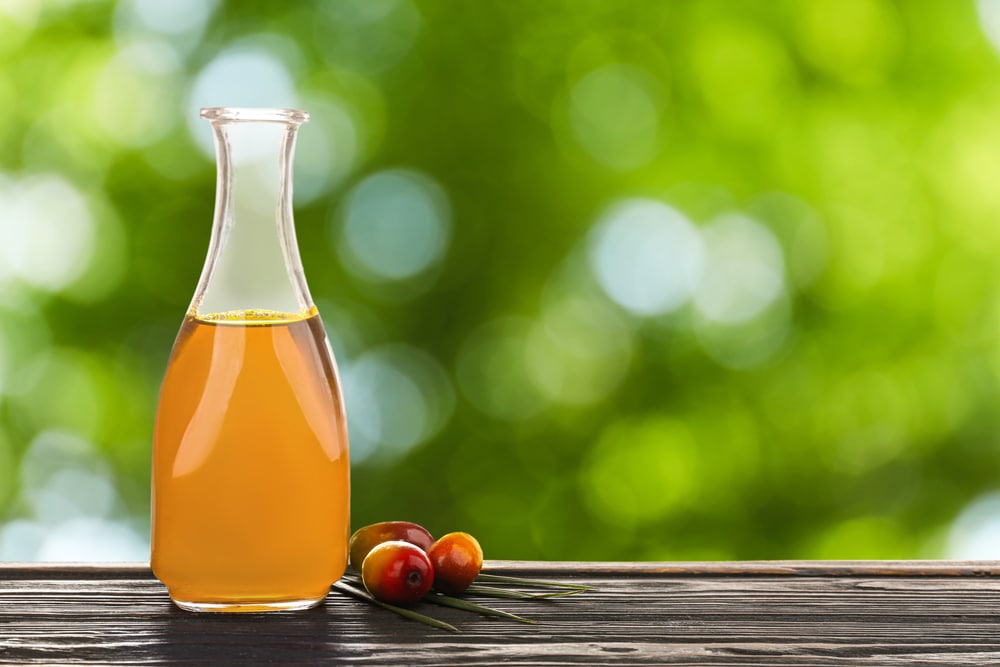
Palm oil is found in the fruit of oil palm trees, which are native to Africa, and it is an edible vegetable oil. You’ll find palm oil in more products than you probably expect, like chocolate, pizza, lipstick, shampoo, Nutella, and biofuel.
It is resistant to oxidation in order to lengthen the shelf-life of products, and at room temperature, it is semi-solid. Compared to other liquid oils like olive oil, for example, palm oil rates high in saturated fats; it has twice as many saturated fats as olive oil.
What Happens if My Dog Ingests Palm Oil?
Large quantities of palm oil can cause blockages due to its semi-solid state at room temperature. It can also cause digestive problems and the following side effects:
In severe cases, your dog can also suffer from pancreatitis (inflammation of the pancreas), so it’s incredibly important to contact your vet if you suspect your dog has eaten palm oil. Don't feel you must wait for any signs to appear; the sooner you get your dog examined, the better, especially since blockages could require surgical intervention.

Products That Contain Palm Oil
The likelihood that your dog ingests pure palm oil is lower than the possibility of eating food that contains palm oil. However, it can still happen—dogs are unpredictable and opportunistic, so it’s always best to be on guard and aware of what to expect when it happens.
Palm oil is a cheap substitute for hydrated vegetable oils and butter, so it’s used frequently in items like bread, biscuits, and pastry. It also isn’t always obvious a product contains palm oil because it can be listed under many names, so a good rule to follow is to look out for words like Steer, Glycol, Palm, and Laur in ingredient lists, which will help you identify the fatty acid compounds generally made from palm oil.
You can also find palm oil in some dog foods and treats, where it’s used as a preservative to give the food a longer shelf life. How healthy this ingredient is in commercial dog foods depends on how the company uses it.
Palm Oil in Dog Food
Palm oil was added to dog food because of the ban on trans fats, and its use has greatly increased in the United States. It is rich in antioxidants, contains vitamin E, and was considered a potentially healthier alternative to partially hydrogenated vegetable oils. In 2009, the USDA/Agriculture Research Service looked into this assumption and concluded that consuming either of the diets enriched with equivalent high amounts of palm oil or partially hydrogenated soybean oil would result in similar unfavorable levels of LDL cholesterol (often referred to as “bad” cholesterol) and that for people, palm oil would not be a good substitute for trans fats.
According to Harvard nutrition experts, on the other hand, palm oil is clearly better than high–trans fats and probably a better choice than butter for people. But vegetable oils that are naturally liquid at room temperature, such as olive oil, should still be your first choice. There is unfortunately very limited information about the significance of these findings when it comes to dog nutrition, but arguably, consuming an excessive amount of anything, even something healthy, can be harmful. So, if a dog food company uses it sparingly, it could be acceptable.
Along with the potential benefits of palm oil, there are also environmental factors to consider. The production of palm oil has led to deforestation and habitat destruction for orangutans, elephants, and rhinos. However, studies conflict over whether palm oil can provide health benefits. Look for RSPO certifications on the brand’s website. This means the palm-growing methods are subject to sustainability regulations protecting human rights, wildlife, and the environment.

If It Can Be a Healthy Addition to Human Food, Why Isn’t It Healthy in Dog Food?
The big problem with sharing human food with your pet is that their digestive system isn’t the same as ours. Our food isn’t always unhealthy because of one ingredient, either. Human food tends to be too fatty and rich and contains too much sodium for a dog’s system. Palm oil is present in chocolate, for example, but the chemical theobromine in chocolate makes it toxic to dogs.
Palm Oil On The Beach
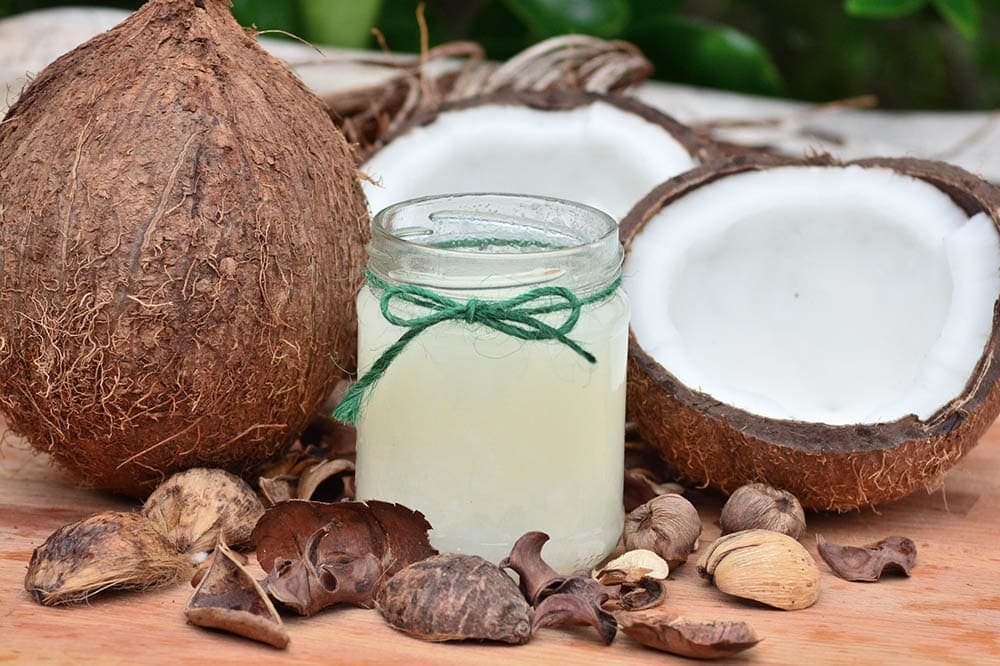
Another aspect to consider is the presence of palm oil on beaches. It is a waxy white substance with an attractive smell to dogs (similar to diesel). As palm oil is a product used in food processing, it can legally be released into the sea by ships and become contaminated with fuel waste and other toxins. In solid form, this can be extremely harmful to dogs. If your dog eats some, we recommend you contact your vet immediately.
Signs include vomiting and diarrhea, which can lead to dehydration. If dogs consume palm oil in larger quantities, more severe signs have been described. Avoid walking your dog on any beach where palm oil has been reported.
Final Thoughts
Dogs shouldn't eat palm oil, but in some instances, they will eat food that contains it as an ingredient, especially commercial dog foods. Human food is generally quite unhealthy for dogs, especially if eaten in excess.
High-quality dog food should supply your pet with the nutrition they need, and if you give them anything extra, you should first run it by your veterinarian. Of course, accidents can happen, and your dog might eat something they shouldn’t. If this happens or you notice any worrying signs, take your dog to the vet for a check-up.
Get Hepper In Your Inbox


Pet care tips from our vets and experts, straight to your inbox.
You may opt-out at any time. View our Privacy Policy for more information.
Kerry-Ann lives in Scotland and wishes her garden was bigger so she could have her very own Highland cow. But her dogs probably wouldn’t like that very much. She has a La Chon called Harry who was poorly with a liver shunt when he was a puppy. It wasn't likely he would make it into adulthood, which was difficult, but he beat the odds and is a healthy old man now. She also has a Pug called Maddie who is a big foodie. She’s small, sassy, and every day she finds a new way to mess with her brother.
When she isn’t writing you can find Kerry-Ann going for long walks when the weather isn't bad, reading, or watching cartoons when she should be tidying her house. She would one day like to be a tourist in her own country and travel through the Highlands with her family.
Join the conversation
Ask a question, share your story, or send private feedback.