Hepper is reader-supported. When you buy via links on our site, we may earn an affiliate commission at no cost to you. Learn more.
Peterbald Cat Breed: Info, Pictures, Characteristics & Facts
In this article
The Peterbald cat is a newer breed that was first discovered in the late 1990s. They hail from Russia, specifically Petersburg, which is partly how they got the “Peter” part of their name. The “bald” part of their name comes from them having such little hair that they look bald at first sight. They are extremely affectionate and insist on getting plenty of attention throughout the day.
Breed Overview
Height:
Weight:
Lifespan:
Colors:
Suitable for:
Temperament:
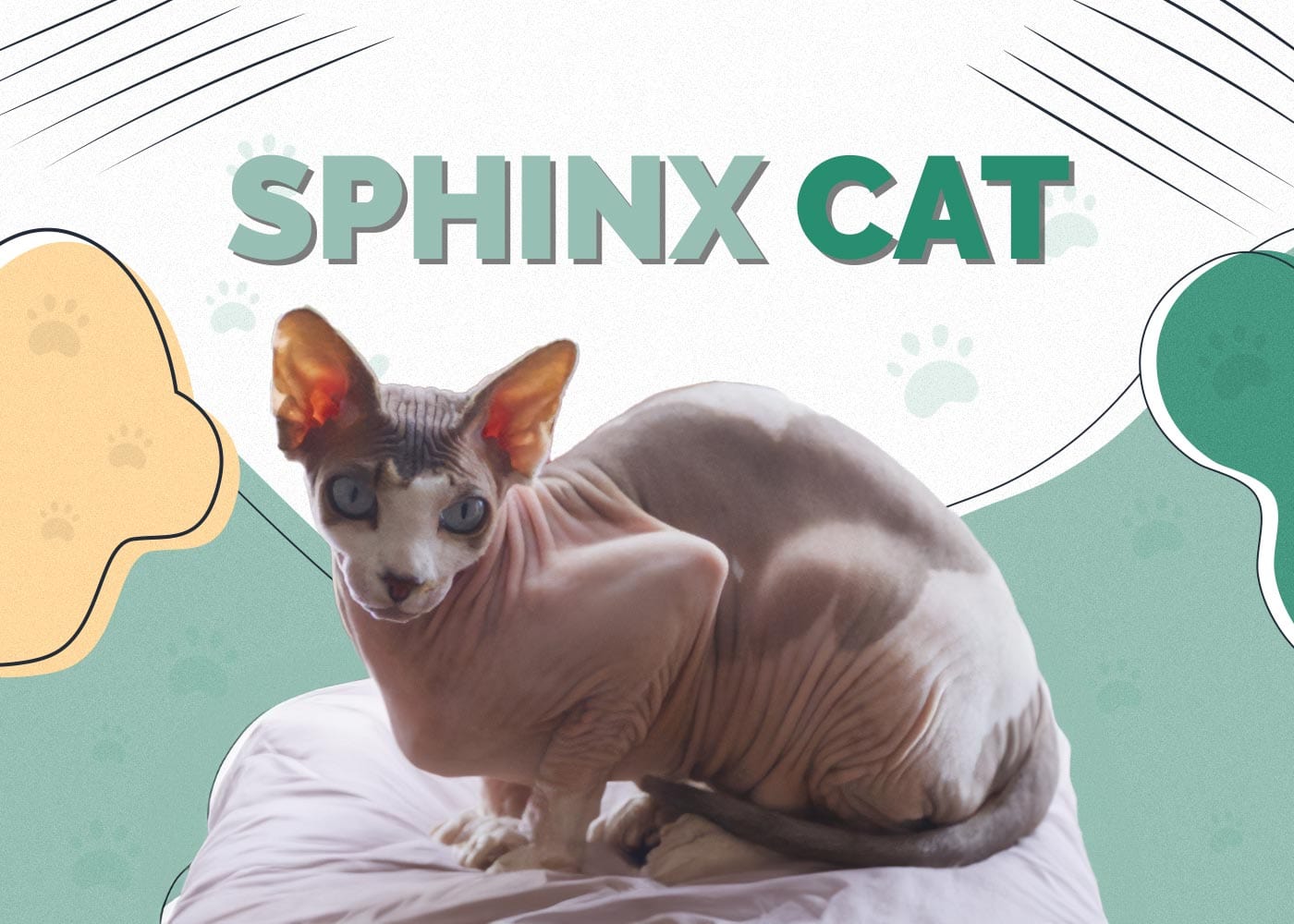
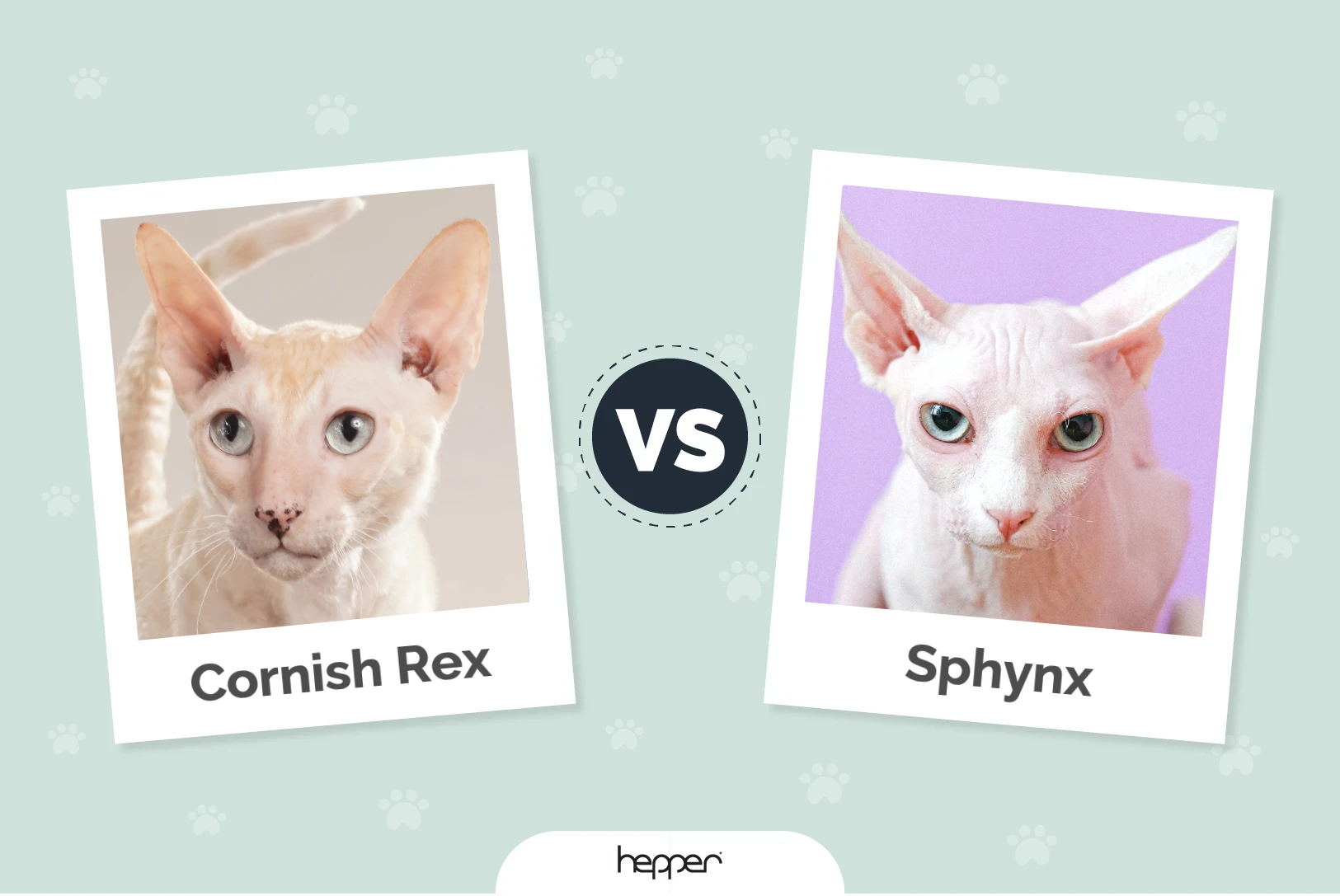
Though they are sometimes mistaken for breeds like the Sphynx, the Peterbald is a unique breed. They're interactive, loyal, and attentive, which makes them the perfect pet for families of all types. Are you thinking about adopting one of your own, or are you just interested in what this breed is all about? Either way, you have come to the right place! Read on to learn all about the Peterbald cat, including what to expect as an owner.

Peterbald Cat Characteristics
Peterbald Kittens
Peterbald kittens are fun to spend time with, but they grow up quickly. Peterbald cats are highly adaptable, so they can be great companions to seniors and live with an active family at the same time. They are generally healthy cats and can live for up to 12 years, so take your time to thoroughly research the breed you want to bring home since this will not be a short-term commitment.

Temperament & Intelligence of the Peterbald Cat
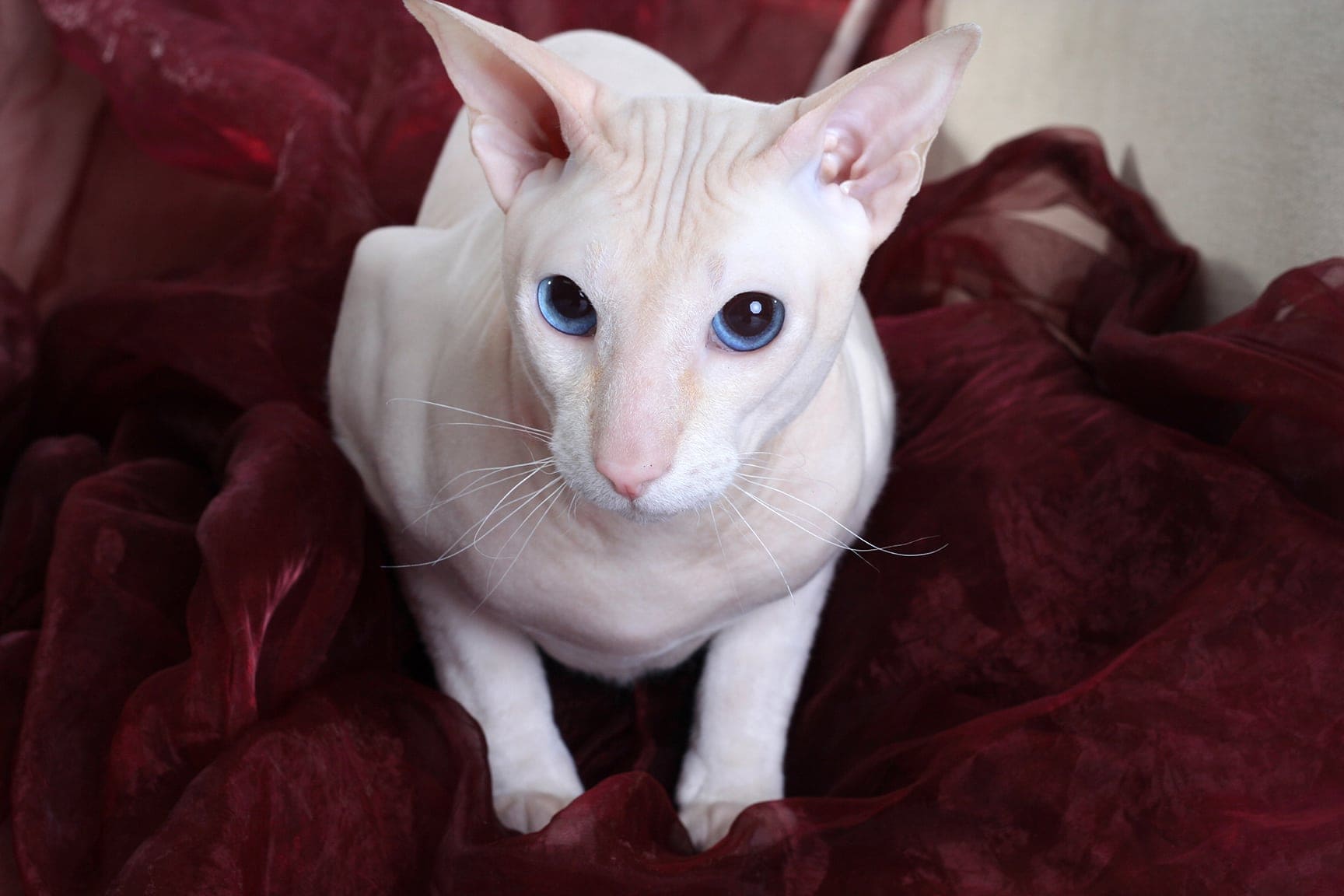
When it comes to intelligence, the Peterbald cat is bright and curious. They prefer to live life on their terms rather than learn tricks or commands from a human counterpart. They always seem to be exploring, playing, or hunting while awake. When the sun goes down, they have no problem snuggling up with family members.
Some say they act more like dogs, as they will follow their owners around and insist on participating in social situations. They are not cats that will run and hide when visitors come over. Instead, they will be the first to greet the visitors.
It can be challenging to tell a Peterbald cat “no” because they likely will not listen. Overall, they are fun-loving, albeit demanding cats with high energy levels and plenty of love to share with their household companions.
Are These Cats Good for Families? 👪
Yes! Peterbalds are incredibly well-behaved toward children of all ages. They will watch over babies and follow toddlers and kids around in hopes of having a good time. Peterbald cats enjoy spending time with adults and will take every opportunity to be a part of the household action, no matter what is going on.
Does This Breed Get Along With Other Pets?
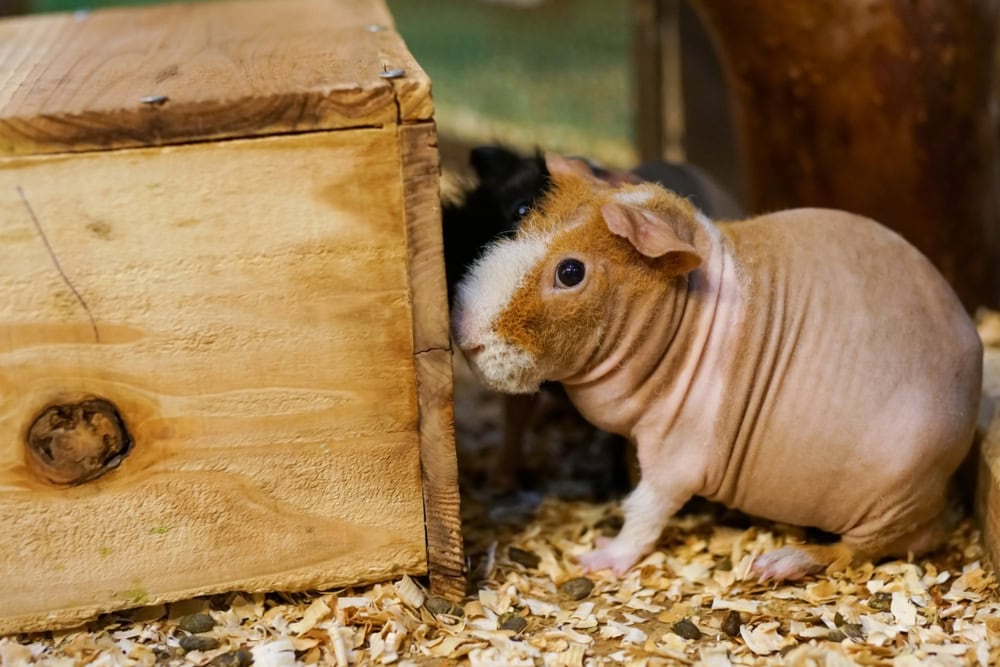
Peterbald cats get along well with most animals. They can live happily with other cats, become good friends with dogs of all kinds, and do not mind sharing a household with smaller pets, like ferrets and guinea pigs. However, they should start socializing with other animals as kittens to ensure that they understand how to meet and greet new animals that come into their life later.
Things to Know When Owning a Peterbald Cat
Before adopting a Peterbald, it helps to know what to feed them and how much, how easy they are to train, how much grooming they require, and which health conditions they're vulnerable to. Let’s explore all these topics!
Food & Diet Requirements 
The Peterbald cat enjoys a high-protein diet to maintain strength and energy. They should be offered high-quality commercial food that has nothing but meat, protein, and supplements.
The more grains, fruits, and vegetables (which a cat does not need to thrive because they are carnivores) the food has, the less nutrient-dense it is. Look for foods that include fish, chicken, beef, or pork as the first ingredients in your Peterbald cat’s food.
Exercise 🐈
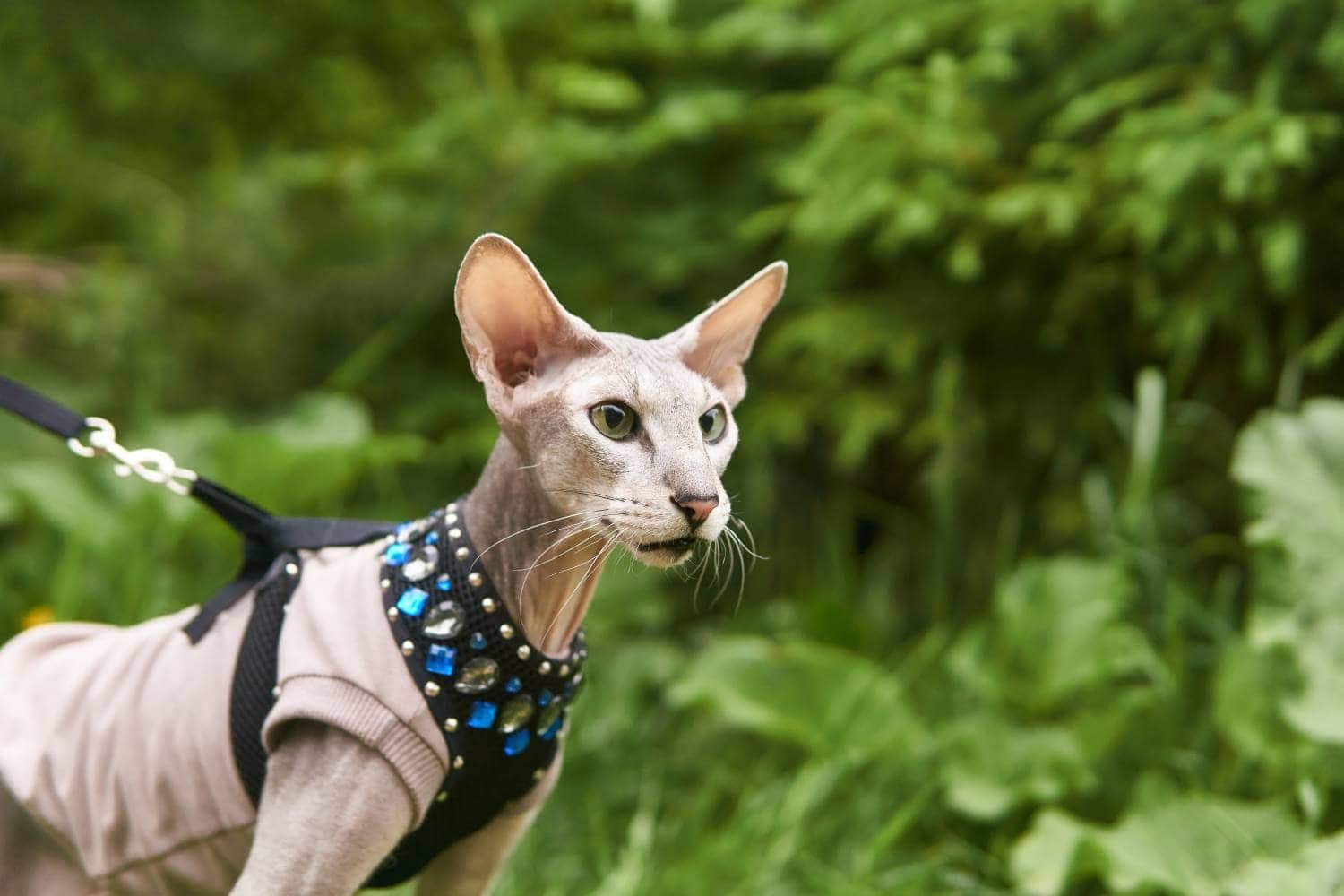
Peterbalds are incredibly active and require daily exercise. They need access to plenty of interactive toys and time to play with human family members every day. You can walk these cats on a leash like a dog with a little training.
They need to explore their environment during their waking hours, and anything that you can do to entertain them will provide the exercise that they need for a happy and healthy life as time goes on.
Training 🧶
Peterbalds can be trained, but they prefer not to be. You can start with simple commands like come and stay. If your new Peterbald cat does well, you can move on to other things, like playing fetch, jumping through your arms, and going to bed.
However, they don't need extensive training to become happy, well-rounded, and affectionate cats while spending time around their family members. If an owner decides to engage in training, they should consider working with a professional trainer to ensure the proper training commands and exercises are utilized.
Grooming ✂️
Thanks to the short or non-existent hair on a Peterbald cat, there is no need for combing or brushing. However, the lack of hair can be problematic because oils develop on their skin and attract dirt. Therefore, they need weekly baths to keep their skin healthy. Their teeth should be brushed weekly, but at the least, they should be brushed a few times a week. No other specific grooming tasks are required, as the activity of this cat will keep their nails naturally trimmed.
Health and Conditions 🏥
The Peterbalds is generally healthy throughout their life, but they may be susceptible to a couple of health conditions due to genetics and lifestyles. Here are the health conditions that you should know about:
Male vs. Female
For the most part, male and female Peterbald cats are affectionate and dependent on the attention of their human counterparts. Males seem to have a harder time potty training, especially in spaces where they need to mark their territory. Females depend more on human interaction and encouragement to maintain their carefree lifestyles.
3 Little-Known Facts About the Peterbald Cat
1. They May Be Hairless or Non-Hairless
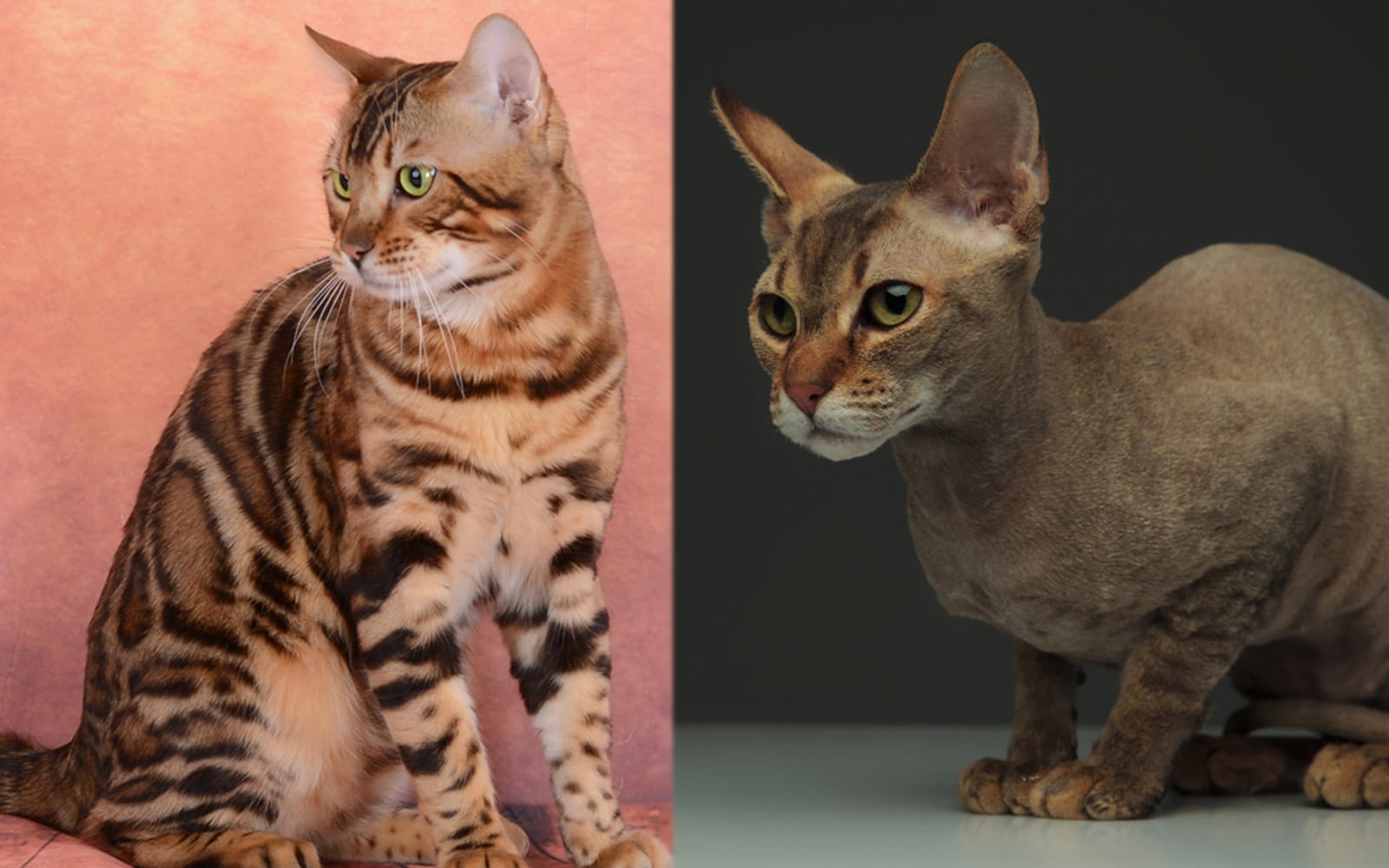
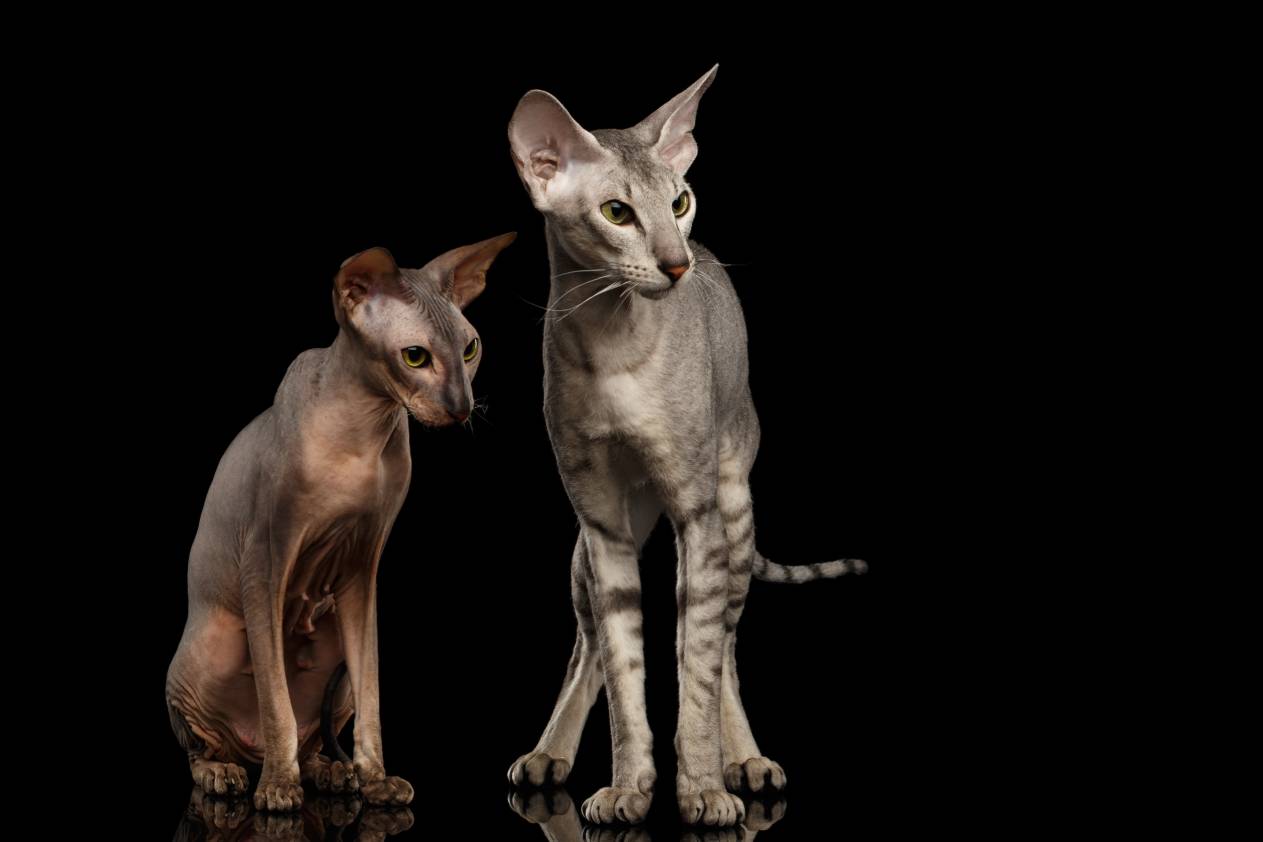
The Peterbald usually has a short, fine fuzz that resembles a peach’s skin. However, some cats have denser or thicker hair. There are five types of coats that the Peterbald cat is known to have. The coat can change as time goes on, and if a kitten starts with dense hair, they can lose it and develop fine fuzz and vice versa.
2. They Never Need to be Brushed and They Don’t Usually Get Fleas
Even the Peterbald cats with hair require almost no grooming when it comes to combing or brushing. Also, their lack of a full coat, as most cats have, means that their chance of developing a flea infestation is minimal. However, they need weekly baths to prevent their natural oils from clogging their pores.
3. They Have Plenty of Energy
A Peterbald can climb up your curtains and scratch up your couch if they do not have plenty of activities to entertain themselves throughout the day. Their active nature means that they will not stay still for too long. Some human interaction, plenty of toys to play with, regular activities such as hide-and-seek, and electronic mice can all help curb the destructive side of this highly active breed.
Final Thoughts
The Peterbald cat is an amazing breed that can teach us so much about living in the moment and enjoying every incoming opportunity. They are interactive, sociable, loyal, and demanding of attention, which makes them awesome family pets. What is your favorite feature of the Peterbald cat, and why? Is there anything that you do not like about this breed?
See Also:
Featured Image By: Seregraff, Shutterstock
Get Hepper In Your Inbox


Pet care tips from our vets and experts, straight to your inbox.
You may opt-out at any time. View our Privacy Policy for more information.

Rachael has been a freelance writer since 2000, in which time she has had an opportunity to research and write about many different topics while working to master the art of fusing high-quality content with effective content marketing strategies. She lives off the grid in Hawaii with her husband, her garden, and her rescue animals including 5 dogs, a cat, a goat, and dozens of chickens. She is an artist at heart and loves to read, paint, and make jewelry in her spare time. As a vegan, Rachael is obsessed with helping animals in need both in her community and anywhere in the world where she feels she can make a difference. Animals also happen to be her favorite topic to write about!
Join the conversation
Ask a question, share your story, or send private feedback.