Hepper is reader-supported. When you buy via links on our site, we may earn an affiliate commission at no cost to you. Learn more.
Plain Parakeet: Pictures, Info, Food & Care Guide
In this article
Americans have upward of 45 million avian companions. Their favorite bird is the budgerigar or parakeet. They are sweet pets and quite affectionate—and chatty! They are also active and can be very entertaining to watch, especially if you have more than one bird. Interestingly, the species exists in the wild in Australia, with other populations in the United States and Puerto Rico.
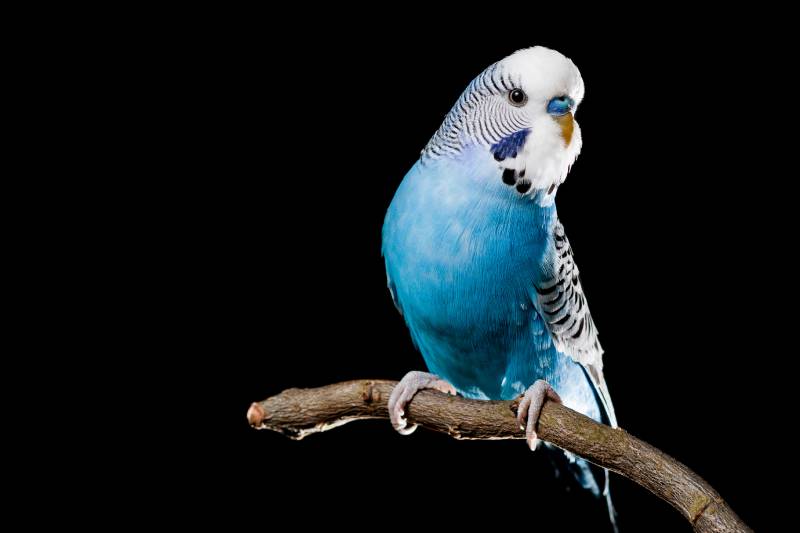
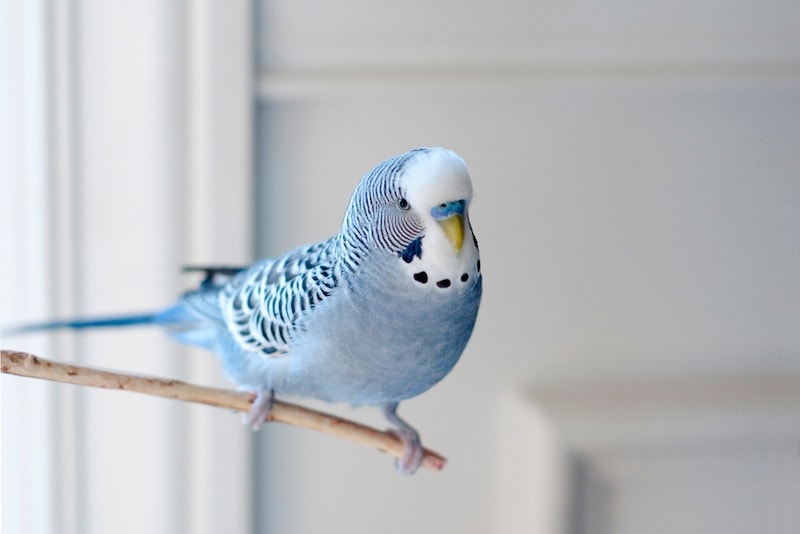
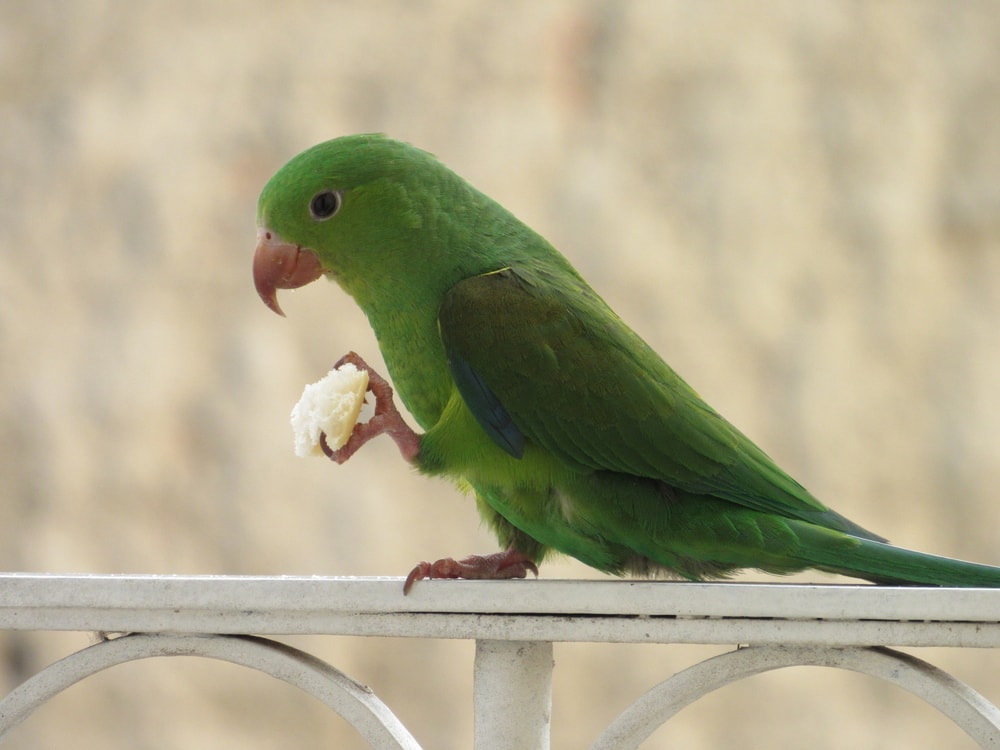
The plain parakeet has this coloration. Enthusiasts have selectively bred this bird in more than 32 variations. The information in our guide applies to any pet you get.

Species Overview
| Color: | Yellow and green body with black stripes |
| Weight: | 1.06 ounces |
| Size: | 7 to 8 inches |
| Wingspan: | 12 inches |
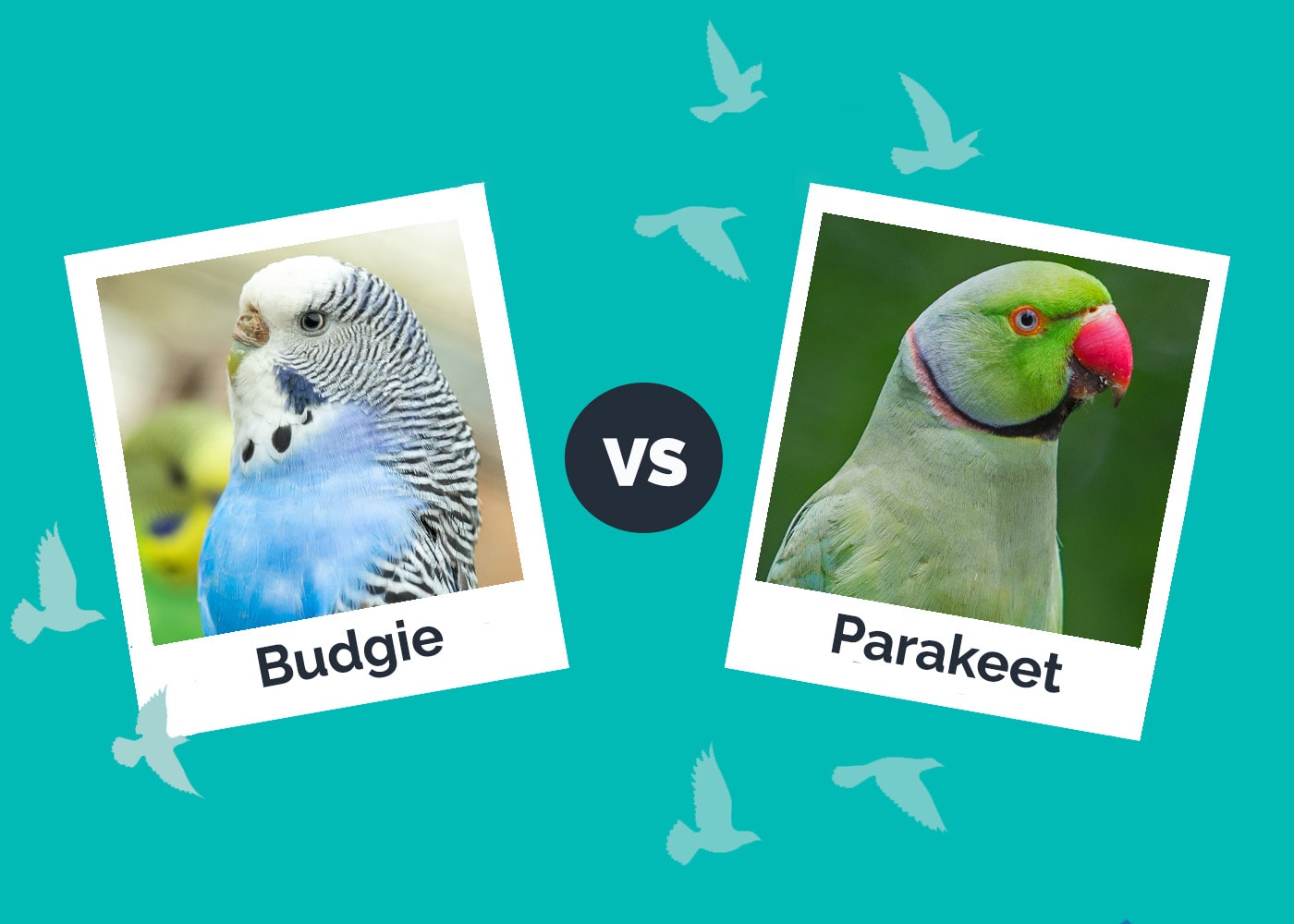
The parakeet is part of the Psittacidae family, which includes cockatoos and parrots. They are the sole member of their genus Melopsittacus. Americans call the species by this name. Elsewhere, they are known as Budgerigars. They differ from other parrots, being colony nesters. It is an excellent survival strategy in the wild to detect predators and other dangers.
The parakeet is unmistakable from other members of their family because of their size, natural history, and behavior. People have kept them as pets since the 1850s. Their friendly nature and ease of breeding made it a no-brainer.
Plain Parakeet Characteristics
History and Natural Habitat
Parakeets live in the grasslands, savannas, and forests of their native range. The International Union for Conservation of Nature and Natural Resources (IUCN) classifies them as a species of least concern. They are nomadic in the wild and will follow the availability of resources. That has been a successful survival strategy for these birds. Many eyes can spot predators and water, a limiting resource.
The parakeet and the peach-faced lovebird from Southwest Africa are domesticated species. That explains their popularity and diversity of colors. This bird is an intelligent animal, something you must keep in mind if you keep one as a pet. Mental stimulation or enrichment is imperative to their well-being.

Things to Know When Owning a Plain Parakeet
Temperament
Parakeets are naturally friendly and curious. That’s also a result of their intelligence. It also underscores the active role you must take as a pet owner. They are social animals. If you only have one, you have to step up to be the bird’s flock. Parakeets are easy to tame. You can get one to stand on your finger in no time. Of course, treats are a potent motivator.
Parakeets are active birds. They are diurnal and typically begin their days with songs and chattering. They spend the day feeding and exploring their world. Like many animals, they dial down their activity during extreme weather and afternoon hours for health reasons and to conserve resources. Toys offer an excellent way to provide vital mental stimulation when you’re not interacting with your pet.
Sounds, Speech & Vocalizations
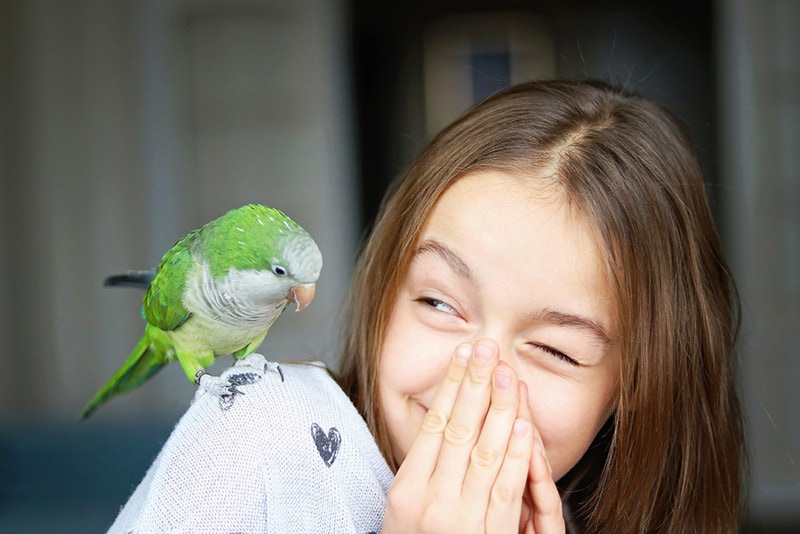
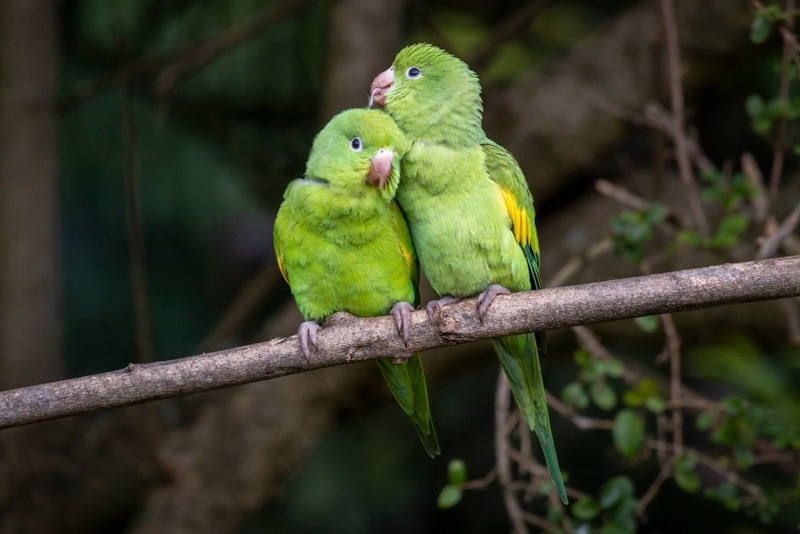
Parakeets and other species of their family excel at learning to vocalize. That makes them unique pets since you can communicate with them on a different level than a dog or cat. Both sexes can talk and mimic sounds, although males will pick it up quicker since vocalizing is a part of courtship rituals.
Parrot-like birds vocalize as part of social bonding. Therefore, a long parakeet is more likely to learn to talk by imitating you than if your pet has the distraction of another mate.
Plain Parakeet Appearance
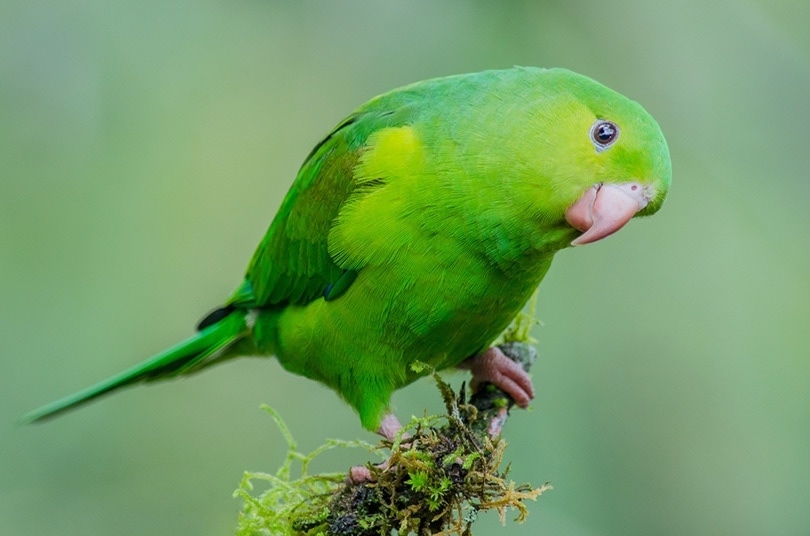
The plain parakeet has coloration that provides excellent camouflage in the wild. The green, yellow, white, and black replicate dappled sunlight filtering through vegetation. Of course, individual variation exists.
They are sexually dimorphic, so you can tell males and females apart. However, the only apparent characteristic is the color of the bird’s cere or the fleshy base of their nostrils. It is blue in males and brown or pink in females. This color difference becomes obvious after the bird reaches sexual maturity at 6 months old. It’s the same if you have a parakeet of a different color than the plain variety.
Caring for the Plain Parakeet
Parakeets must have social interaction, whether it comes from you or another bird. That’s the most important consideration. It’s critical for their mental and physical health. There’s always an animal welfare concern when dealing with an intelligent animal. Toys aren’t just for fun; they provide entertainment and enrichment for your pet.
Diet & Nutrition
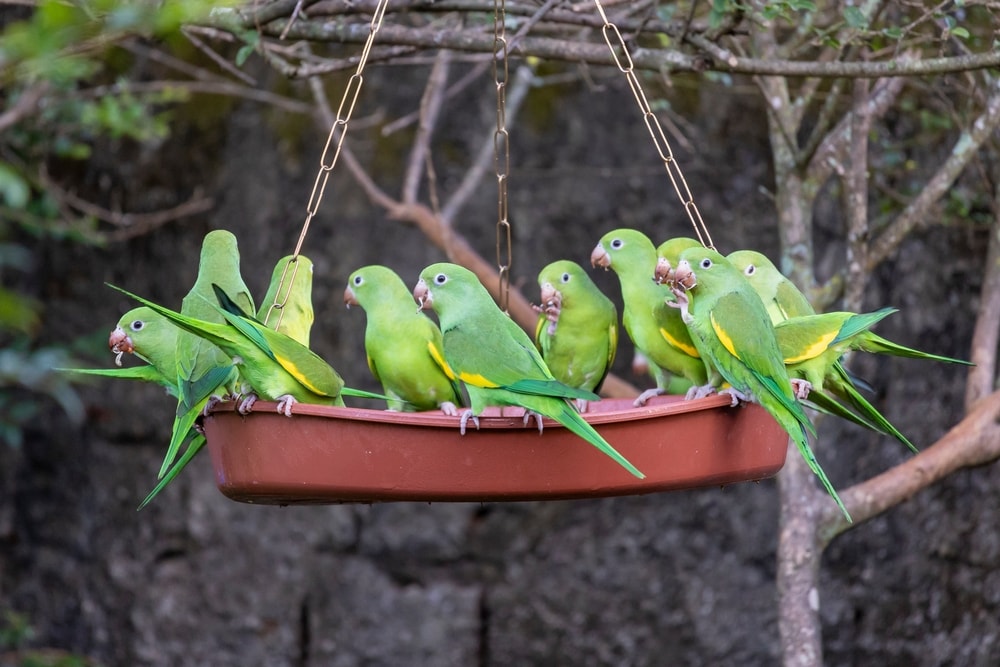
Parakeets are ground foragers that eat nuts, grains, and seeds in the wild. They hull them before ingesting them. Their foods are nutrient powerhouses. However, these birds often pick out their favorites and toss the others outside their cages. The mixes you buy may lack the necessary protein and minerals these animals must have. Therefore, we recommend a pelleted diet that is nutritionally complete.
You can also offer your pet fruits and vegetables as a treat. They shouldn’t make up a significant part of your bird’s diet. Good choices include peaches, sweet potatoes, blueberries, and beets. Dice them finely and rotate what you give your parakeet.
Cage/Housing Requirements
The minimum size for a cage for one parakeet is 18 inches long x 18 inches wide x 24 inches high. It should also have 0.5-inch bar spacing. That will give them space to climb but keep them inside the cage. We recommend getting the largest cage you can afford, especially if you don’t plan to let them outside of it. That will ensure they get adequate exercise to prevent obesity.
We suggest getting a playpen for the top of the cage to give your pet time outside and minimize the mess.
Exercise
Exercise is vital. A large cage with room to fly ensures this. Parakeets are active birds that are used to being on the move, and a pet bird doesn’t mean a sedentary one. The health risks are the same with these animals as they are for humans. Toys are also a part of the plan. We recommend choosing products that challenge your pet mentally. It will make life more interesting and enjoyable for your parakeet.
Health & Conditions
Parakeets can’t sweat and, therefore, can’t dissipate heat well. You shouldn’t put your pet’s cage in direct sunlight or near HVAC vents. Giving your bird a healthy diet and regularly cleaning their cage will go a long way toward keeping them healthy. Of course, mental stimulation is also vital. Many health conditions occur because of the inactivity that caged life imposes on them.
3 Little-Known Facts About the Plain Parakeet
1. The Most Talkative Parakeet Had a Vocabulary of 1,728 Words
A parakeet named Puck made these chatty birds seem even more intelligent with a vocabulary of 1.728 words.
2. The Longest a Parakeet Has Lived in Captivity Is 21 Years
Living in captivity benefits any animal by removing the threat of predators and environmental pressures. It’s no wonder that captive parakeets can live up to 21 years in our homes. Contrast that figure with the 4 to 6 years in the wild.
3. Humans Have Kept Birds for Thousands of Years
Birds have fascinated humans for millennia. Archaeological evidence goes back to the Romans and Alexander the Great in 400 BC.
Conclusion
Plain parakeets are delightful pets because of the joy interaction with them provides. They’ll make life interesting with their antics, talking, and mimicry. Your responsibility as a pet owner is to ensure they have adequate enrichment to safeguard their mental health. They will reward you with a pet-owner relationship that is as fun as it is fulfilling.
Related Read:
Sources
https://www.birdsinbackyards.net/species/Nymphicus-hollandicus
https://www.guinnessworldrecords.com/world-records/70967-largest-vocabulary-for-a-bird-ever
https://genomics.senescence.info/species/entry.php?species=Melopsittacus_undulatus
https://www.scientificamerican.com/article/parrots-are-taking-over-the-world/
https://animaldiversity.org/accounts/Melopsittacus_undulatus/#lifespan_longevity
Featured Image Credit: Felipecbit, Shutterstock
Get Hepper In Your Inbox


Pet care tips from our vets and experts, straight to your inbox.
You may opt-out at any time. View our Privacy Policy for more information.

Chris is an experienced pet writer specializing in science topics, with a particular passion for health and the environment. She has been a writer for over 15 years and lives with her husband and three cats in Michigan.
Beyond writing about cats and dogs, Chris loves to learn about wine. She has WSET 1 and 2 certifications and is currently pursuing her Certified Wine Specialist Award (CSW).
Join the conversation
Ask a question, share your story, or send private feedback.