Hepper is reader-supported. When you buy via links on our site, we may earn an affiliate commission at no cost to you. Learn more.
Why Does My Cat’s Water Bowl Get Slimy? 3 Typical Reasons & Solutions
In this article
As a pet parent, you want your cat to be healthy, happy, and energetic. You take them to their regular checkups with the vet, feed them the best, protein-packed, high-quality cat food, and clean after them religiously.
Still, it seems that every time you look at your cat’s water bowl, it has slime on the bottom of it. Why? What’s the reason behind the pinkish slime?
The pinkish residue you see in the bottom of your cat’s bowl is called biofilm slime, but we’ll talk more about that and how dangerous it is to your cat in the section below.

The 3 Reasons Your Cat’s Water Bowl Gets Slimy
1. Mild to Warm Temperatures
Bacteria develop in water that isn’t too hot but isn’t too cold. When you leave your cat’s water in the bowl for hours, you present bacteria with the perfect opportunity to form.
2. Cats and Other Animals
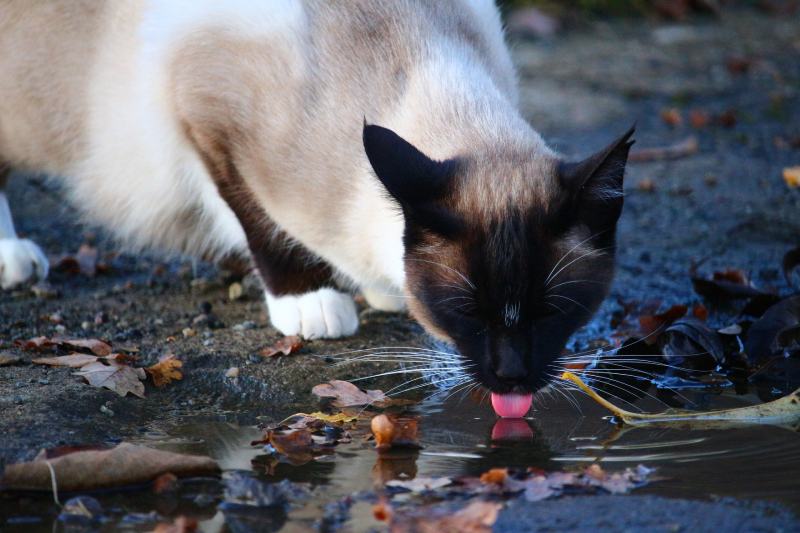
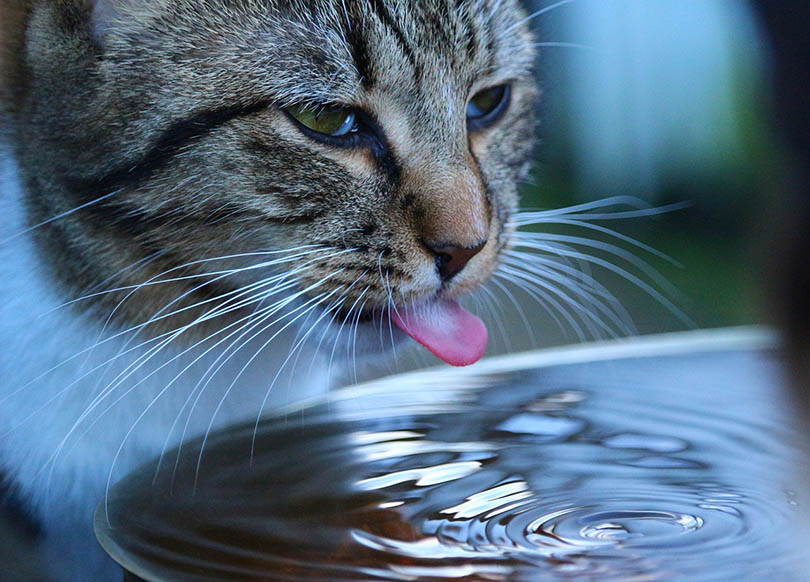
The more cats and other animals you have drinking out of your water bowls, the quicker the slime in the bottom will develop. When your pets drink the water, they use their tongues to lap it up, leaving droplets of saliva behind in the bowl.
Of course, salvia is full of bacteria, which in turn causes the bacteria to form in the bowl and become biofilm.
3. Careless Dishwashing
If you’re not entirely washing the cat’s water bowl before refilling it, you’re allowing the bacteria to stay in the bowl. Eventually, it starts to build up, especially if the bowl is made out of a porous material.
These are just a few of the reasons that your cat’s water stagnates and biofilm starts to grow. We’ll examine biofilm and give you some tips on keeping it from forming in your beloved feline's bowl.

Ways to Prevent Bowl Slime
Before we talk about the ways to prevent the slime build-up in your cat’s bowl, you first need to know what biofilm is.
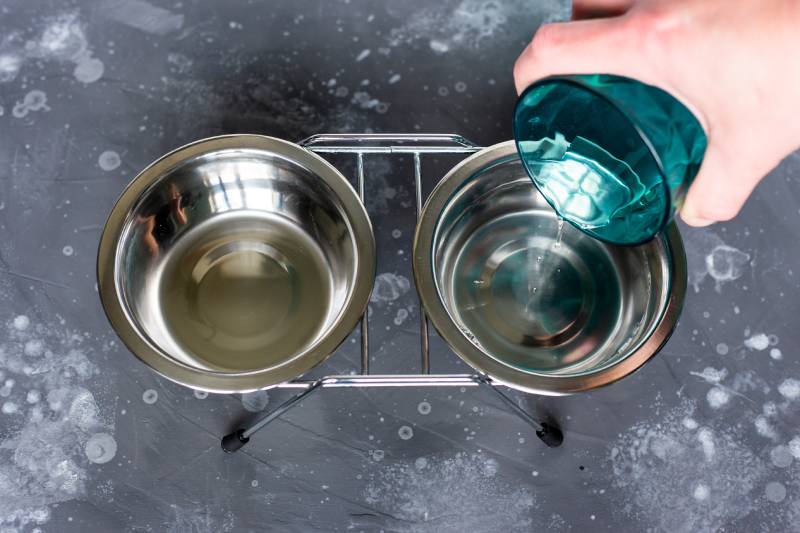
Biofilm is a bacterium that covers objects such as ceramic, steel, wood, grout, tile, and plastic, to name a few. You can tell if your cat’s water bowl is full of biofilm by running your hand around the bowl after it hasn’t been washed in a few days.
Biofilm can contain E. coli and other bacteria, which can lead to vomiting, diarrhea, and severe illnesses for your cat 1. A cat’s water must be sanitized, fresh, and safe to drink, or they will get sick.
Here are some ways to prevent that slime from developing.
Clean, Clean, Clean
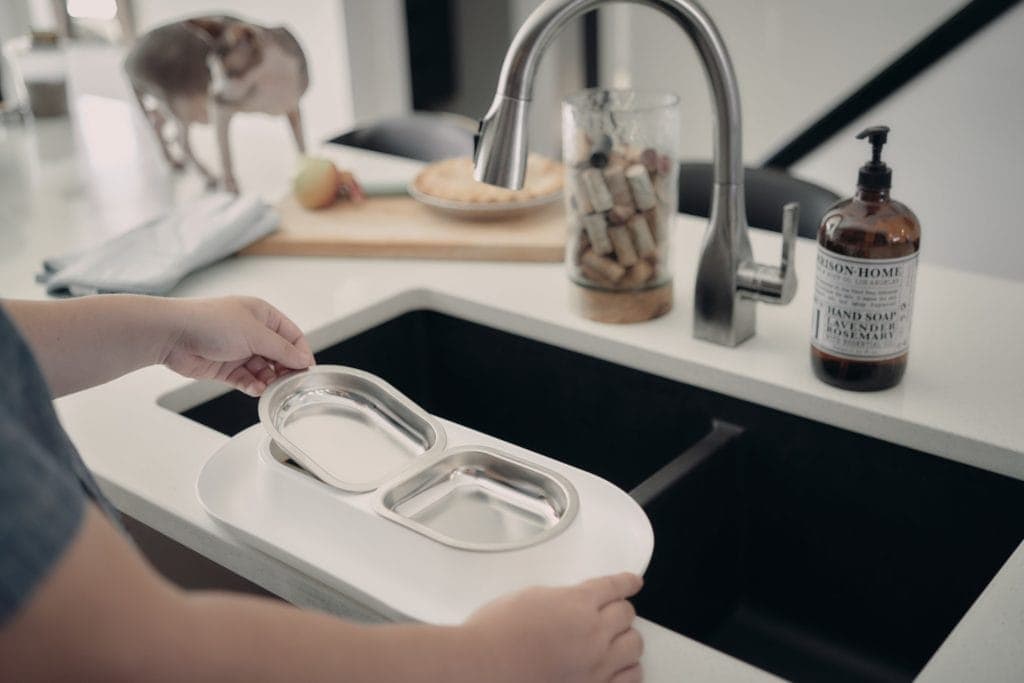
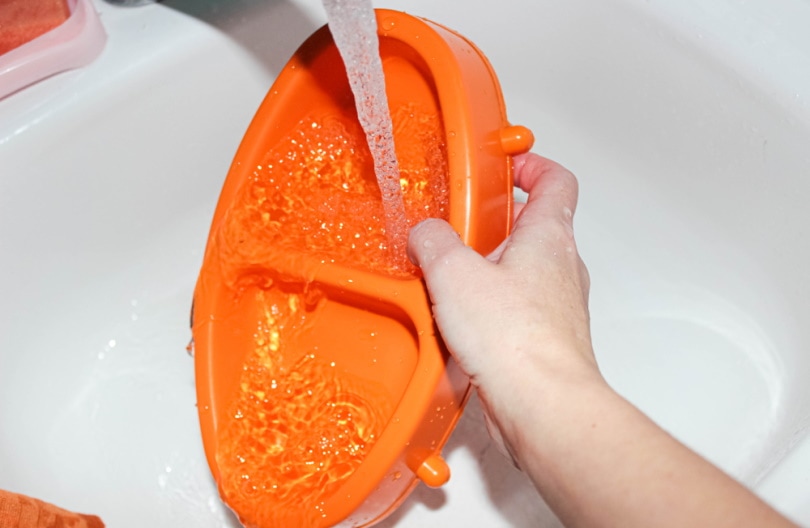
The cleaner your cat’s bowl is, the safer it’ll be for the cat. Wash your cat’s bowl more often if they live outside, as bacteria tend to grow faster outdoors. Also, make sure you use a scrubber on the bowl to ensure there’s no slime in the creases you might miss.
Wash Your Cat’s Bowl Once a Week
It’s best to wash your cat’s bowl at least once a week, but a daily rinse will help prevent biofilm. This is especially important if you have more than one animal drinking out of the same bowl. If you have more than one cat, or if the bowl is designed to hold massive quantities of water, it’s best to wash it out twice a day.
Always Use Dishes that Are Non-Porous
One of the best ways to ensure your cat’s bowl is clean, besides washing it, is to use non-porous dishes. A porous bowl has tiny holes in the outer part of the material.
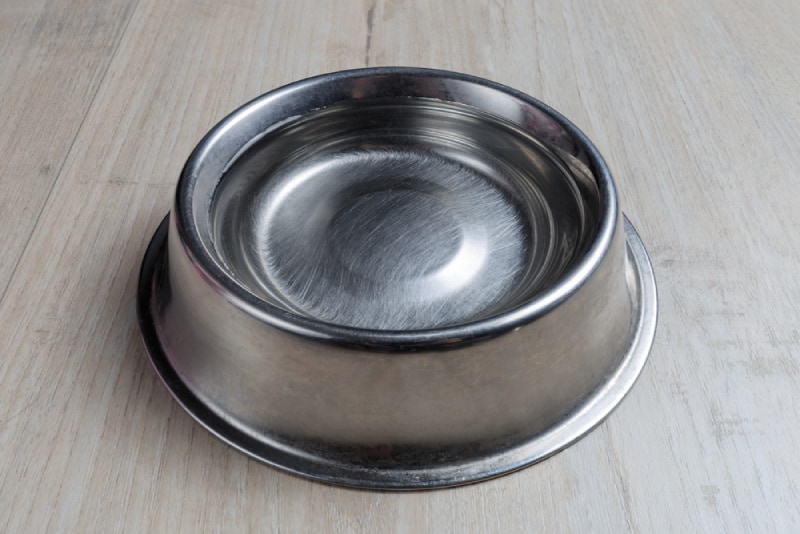
These pores collect the bacteria, leading to slime. Plastic and wooden bowls are porous, whereas stainless steel and ceramic aren’t and are because they don’t have a lining for the bacteria to seep through and collect in.
It’s best to use ceramic and steel unless you can find bowls made of hard, coated plastic, then they should be okay to use.
These are just a few ways to take care of your cat’s water bowls to ensure they don’t get sick from drinking the water. Of course, we all want our cats to be healthy and happy, so ensuring they have fresh water in a clean bowl is a step in the right direction.
Contact your vet immediately if you feel your cat has been sickened by a water dish.
Conclusion
Hopefully, these tips will help you keep your pet’s water bowl clean and your cat healthy for many years.
Remember, it is best to use bowls that are non-porous, and always make an appointment with your vet for a checkup if you feel a bowl of water has made your feline pal sick.
Related Read: Can Dogs and Cats Share Water Bowls? Vet Approved Advice
Sources
Featured Image Credit By: Impact Photography, Shutterstock
Get Hepper In Your Inbox


Pet care tips from our vets and experts, straight to your inbox.
You may opt-out at any time. View our Privacy Policy for more information.

Patricia is a pet and coffee writer and a published author under the pen name Skylar McKinzie. When she isn’t writing, Patricia enjoys spending time with her two cats and dog. Since she was a young child, she has been a pet lover and enjoys nothing more than cuddling with her pets, Mystery, and her two cats, Binx and Link. Mystery has been with her family since the day she was born, as has Link. Binx was found under the house as a kitten, taken inside, and has been a part of the family ever since. Patricia loves sharing her knowledge of animals and finds joy in helping out at the local rescue shelter whenever she can.
Join the conversation
Ask a question, share your story, or send private feedback.