Hepper is reader-supported. When you buy via links on our site, we may earn an affiliate commission at no cost to you. Learn more.
How Much Water Do Cats Need? Vet-Verified Signs, Causes & Prevention of Dehydration


In this article
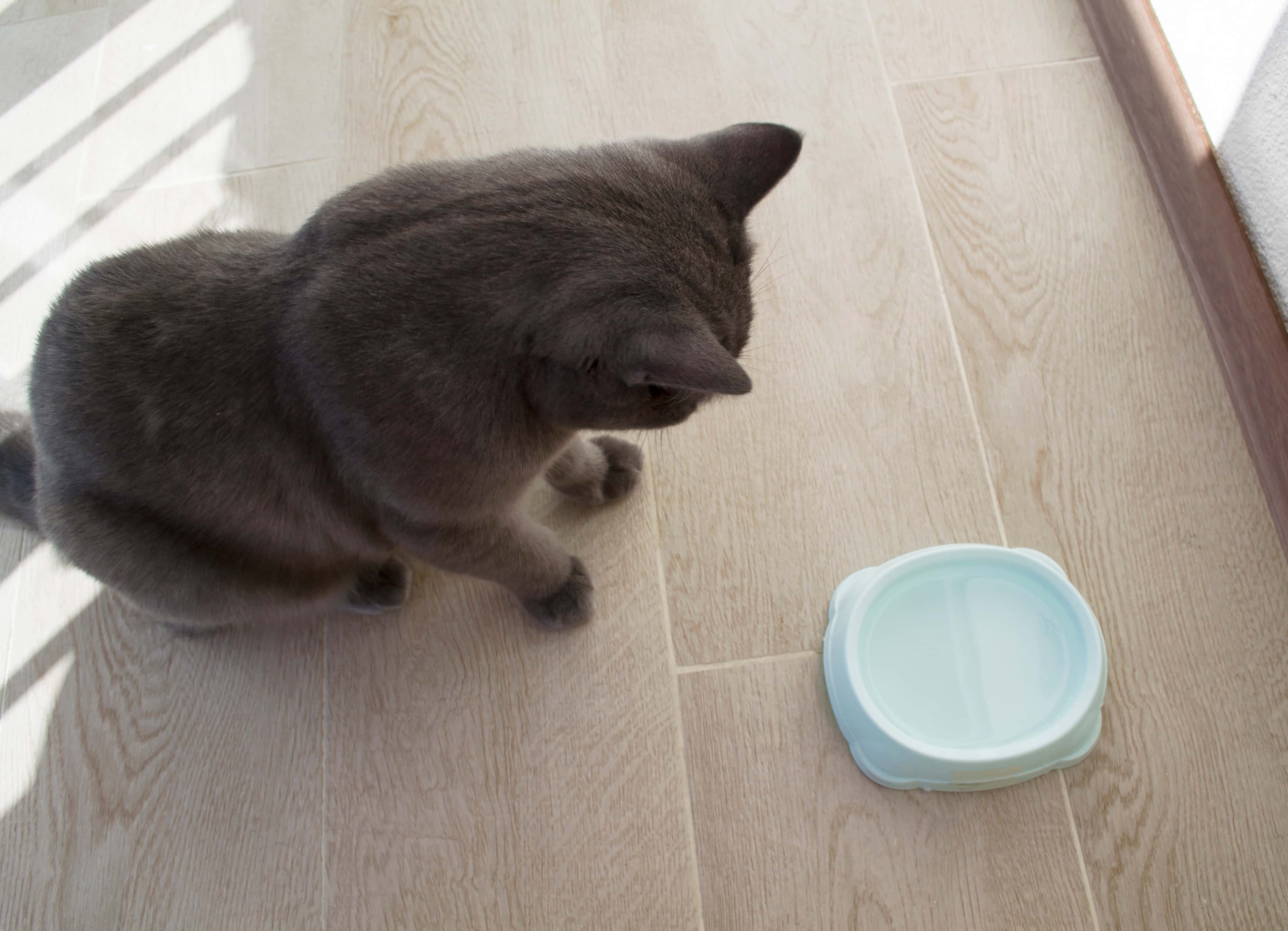
Cats in the wild will get most of their water from the moisture content in their food. However, a cat's captive diet typically has a low moisture content, especially if they are fed dry cat food. Ensuring that your cat receives their recommended daily water intake is important for their health and vitality. Dehydration is quite common in cats, especially if their water is not provided to them in a way that they like. Each cat will have a personal preference when it comes to drinking water, and it's essential to accommodate this. Dehydration can be fatal for your cat, and you must understand how to determine if your cat is dehydrated and how it happened.

How Much Water Do Cats Need?
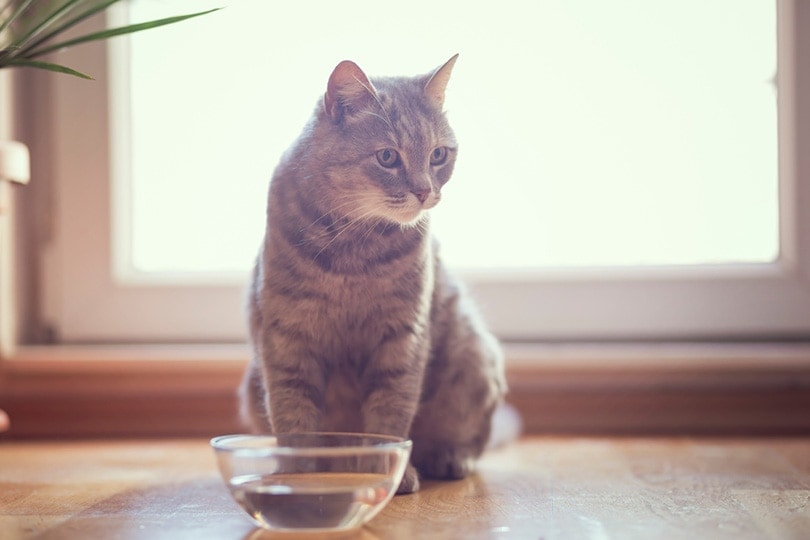
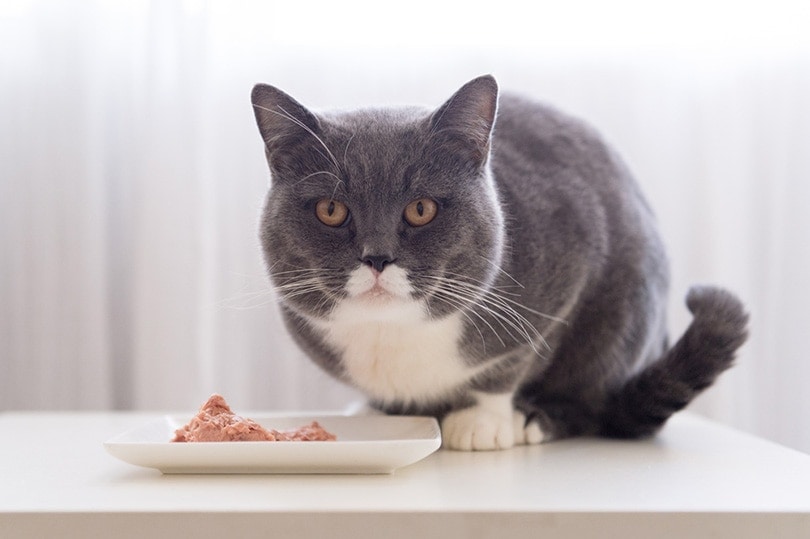
An adult cat requires a daily amount of 3.5 to 4.5 ounces of water per 5 pounds of body weight. In this case, a 10-pound cat should have a minimum intake of 7 ounces of water in a day to stay healthy. This increases if they are on a dry diet. Also, during the summer months when it's warmer, your cat should drink more water since they will lose water faster. Cats that eat wet food will not drink as much water in comparison to cats fed a dry food diet. Wet cat foods have a water content between 70% and 80%. Cats that primarily eat dry foods must keep hydrated by drinking.
How Long Can Cats Go Without Drinking Water?
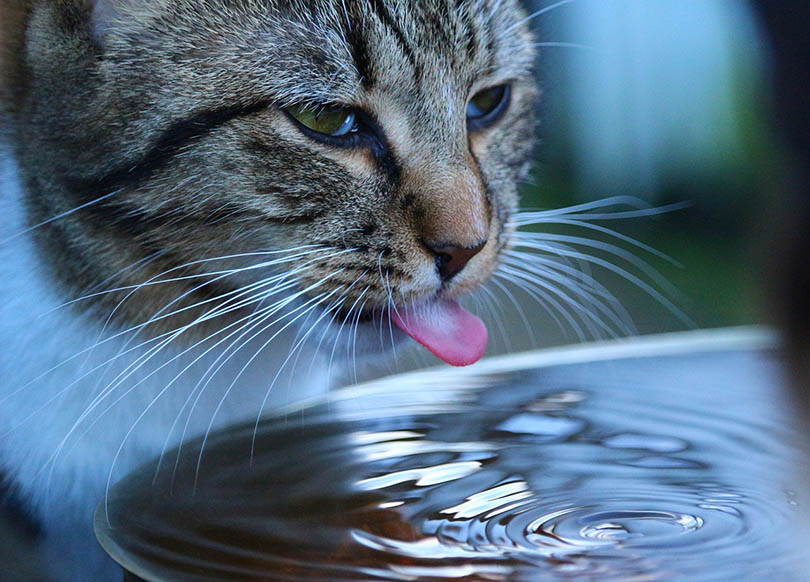
Cats can survive a total of 3 days before they succumb to organ damage caused by dehydration. Cats lose water through their urine, feces, and paw pads. Your cat should always have access to fresh, cool water that is constantly running. Water is essential for your cat’s health, and it helps them to replace any fluids they may have lost throughout the day.
If your cat drinks too much or too little water, it can indicate that there is something wrong. Cats that drink an abnormally large amount of water may have a condition like diabetes, which causes them to urinate more frequently due to the excessive amounts of water they are consuming. A sick cat may be too weak or confused to find a water source and become dehydrated as a result. If your cat is sick, you should move the water dish close to where they are lying or leave multiple water dishes around the house to prevent them from becoming dehydrated.
A cat should be drinking water multiple times a day to maintain a healthy balance and prevent dehydration. If you think that your cat may be dehydrated, it's essential to take them to a veterinarian for treatment.
Why Won’t My Cat Drink Water?
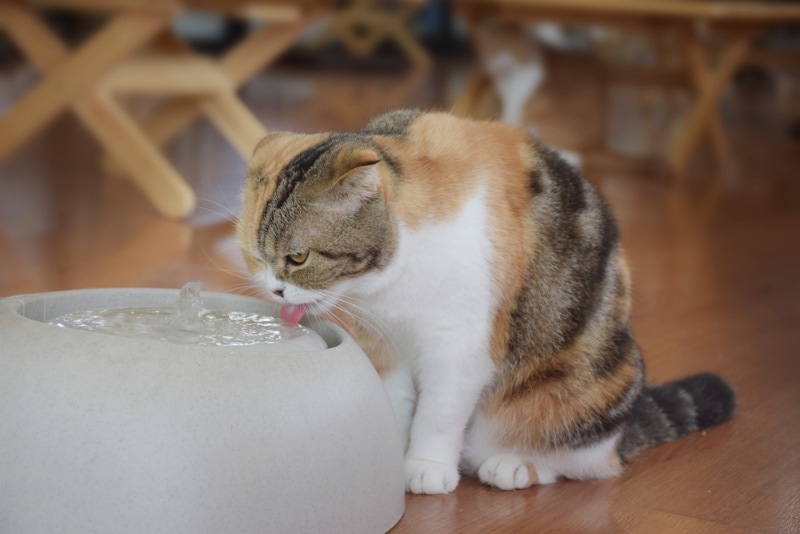
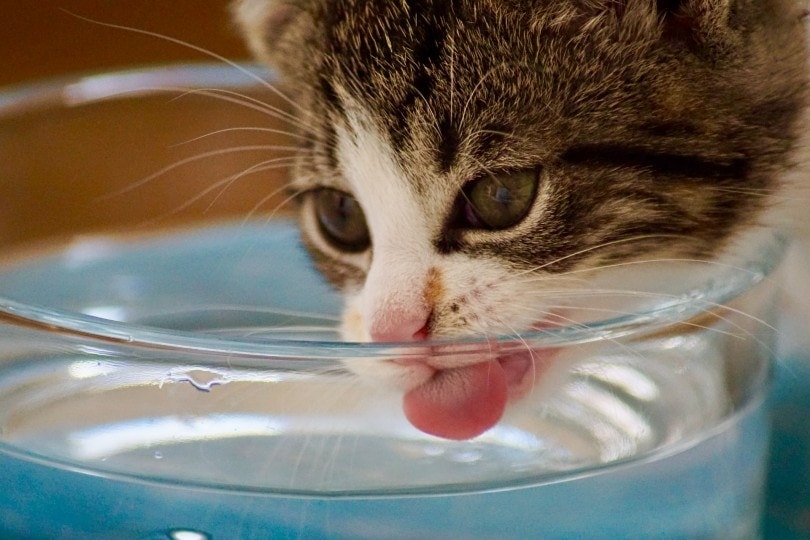
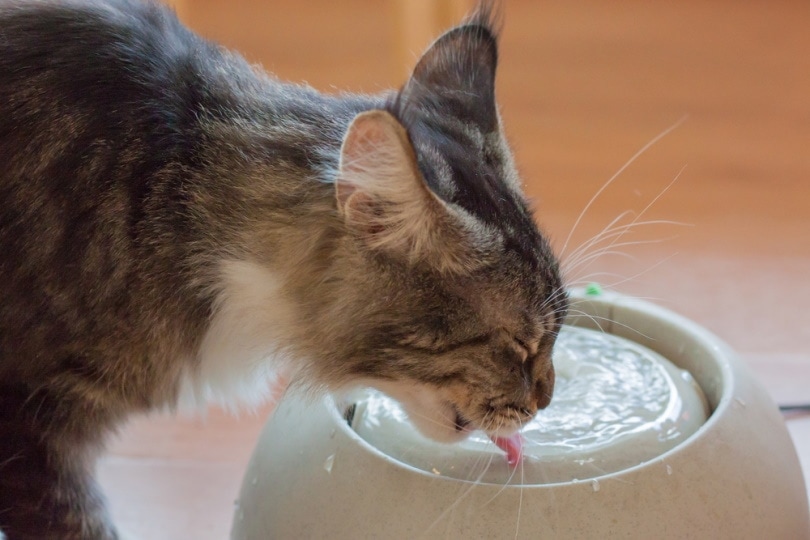
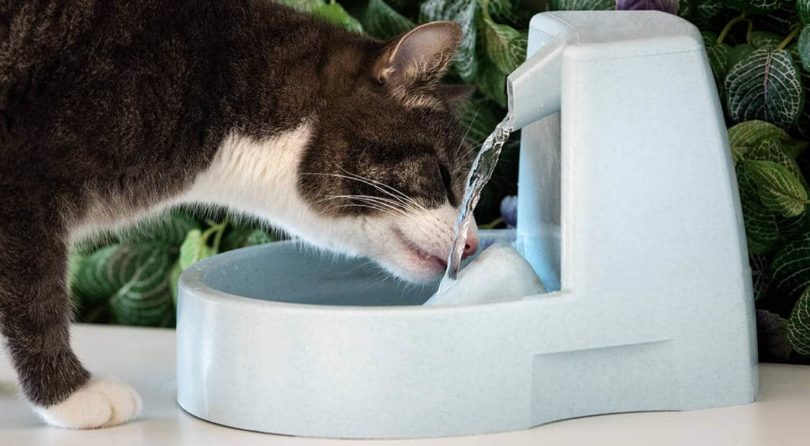
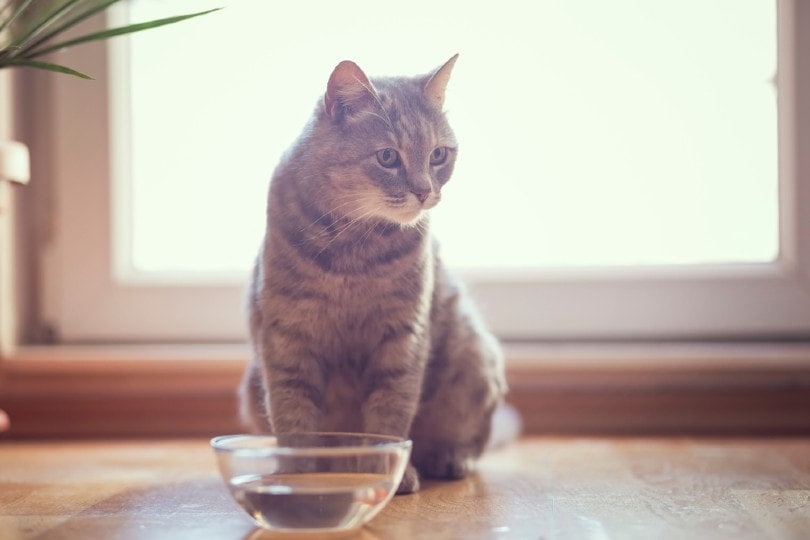
It's common for cat owners to leave a still bowl of water available for their cats to drink from. Not many cat owners know that cats prefer to drink from running water, which is why some cats will drink from the tap when it's being used.
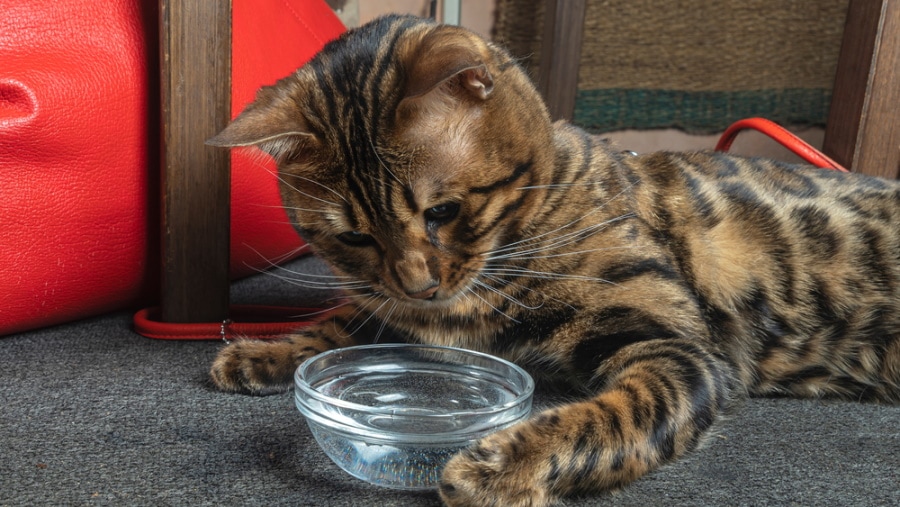
Don’t be alarmed if you do not see your cat drink water every time, as they may be drinking when you are not looking. That said, take the evaporation rate into account when checking your cat’s water dish level.
Causes of Dehydration in Cats
Cats that do not drink enough water are at risk of becoming dehydrated. When cats become hot, they start to sweat through their paws, though not in large amounts, and it will not greatly affect their hydration level. However, it can increase their thirst and fluid loss.
These are the main causes of dehydration in cats:
Signs of a dehydrated cat:
Preventing Dehydration in Your Cat
Dehydration can quickly cause irreversible damage to your cat's body, so you must ensure you take the necessary steps to prevent this situation. The following are great ideas to increase your cat's water consumption:
Treating a Dehydrated Cat
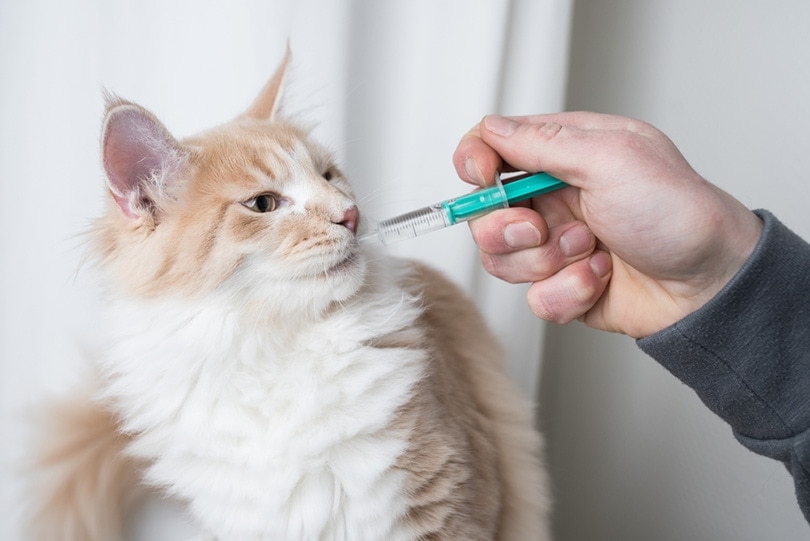
Prompt treatment is essential for a dehydrated cat’s recovery. A veterinarian will put your cat on a drip to balance their vitals and replace fluid loss. This is necessary for severe stages of dehydration. This is a veterinary emergency, as dehydration will cause organ damage in your cat.

Final Thoughts
Dehydration is a serious condition that is often overlooked in cats. Always monitor your cat's water intake to determine how much water they are drinking each day. Ensure that you refill the water dish or fountain when needed, and wash away any gunk and build-up from the sides under warm water. Replace dry food with moisture-rich fresh or wet foods.
We hope that this article has informed you of everything you need to know when it comes to dehydration in cats.
See also:
Featured Image Credit: Daria Kulkova, Shutterstock
Get Hepper In Your Inbox


Pet care tips from our vets and experts, straight to your inbox.
You may opt-out at any time. View our Privacy Policy for more information.
Nicole is a lover of animals of all sizes but is especially fascinated with the feline variety. She’s the proud mom of Baby, a Burmese, and works every day so he can relax in the sunshine or by the fire. She’s always had a cat in her home and has spent countless days with others, observing behaviors and softening up even the grouchiest of the lot. Nicole wants to share her kitty expertise with you so you and your cat can live happy, healthy, and care-free.
Join the conversation
Ask a question, share your story, or send private feedback.