Hepper is reader-supported. When you buy via links on our site, we may earn an affiliate commission at no cost to you. Learn more.
Shetland Sheepdog vs. Australian Shepherd: Main Differences (With Pictures)
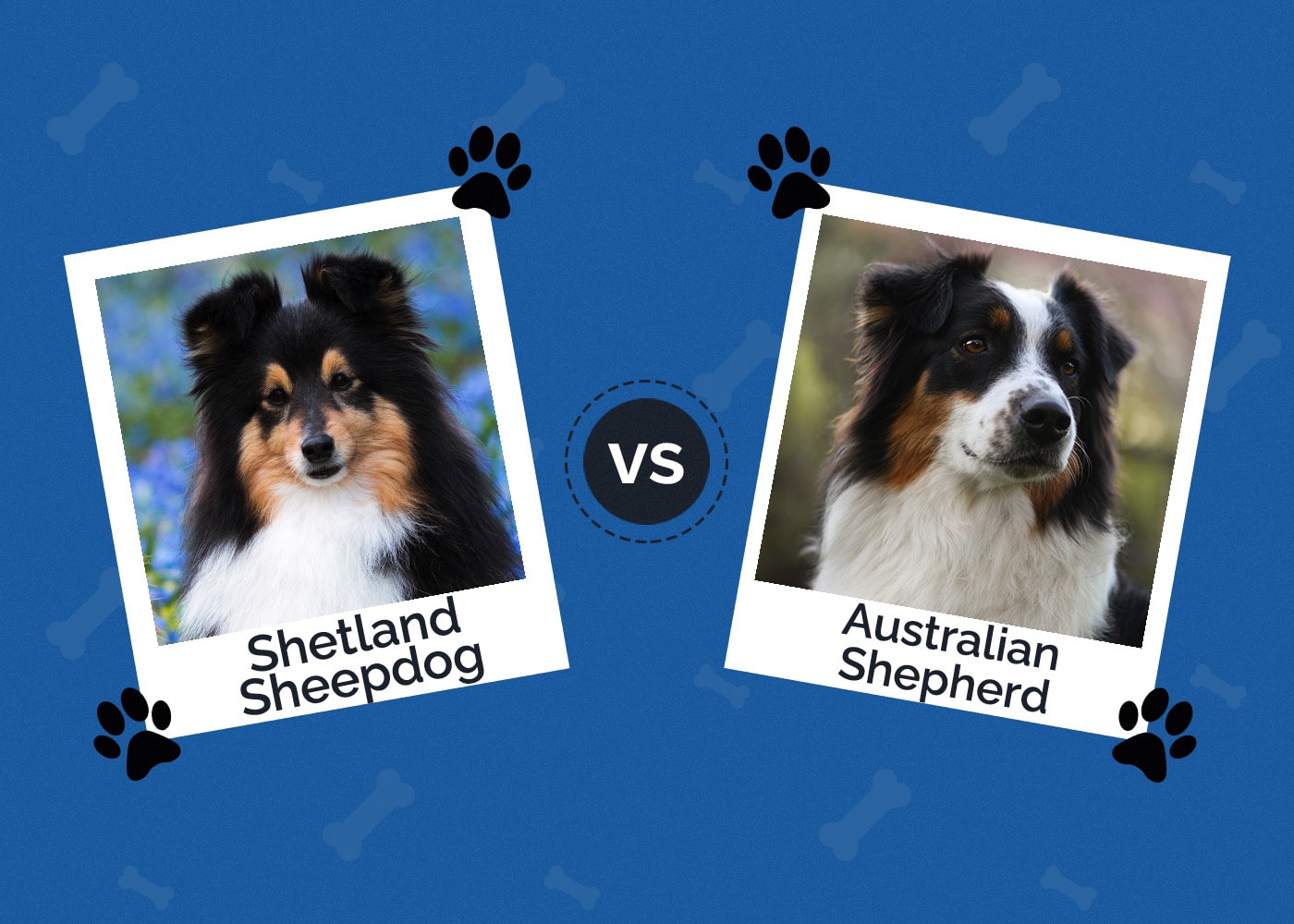
At first glance, the Shetland Sheepdog and Australian Shepherd seem pretty similar. They’re both energetic, intelligent, herding dogs that make excellent companions. But if you’re thinking of getting one of these dogs, you need more information.
While both dogs are great family pets, they aren't suited to all families, so it’s important to know specifics about these breeds. Below, we’ve done just that. We’ll go through their personalities, training, and everything you need to know about their health and care. That way, you’ll know exactly what to expect if you bring one of these dogs home. Let’s jump right in!

Visual Differences
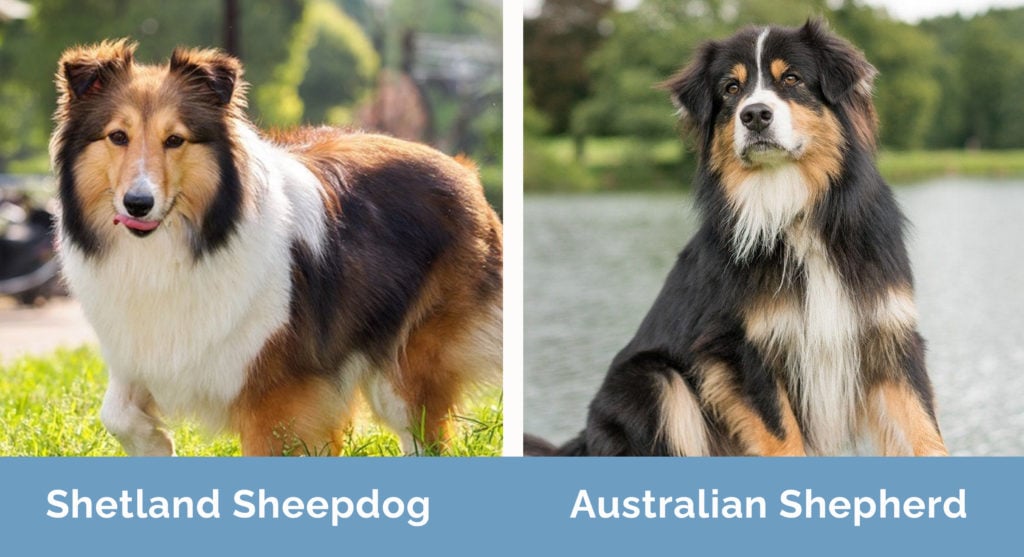
At a Glance
Shetland Sheepdog Breed Overview
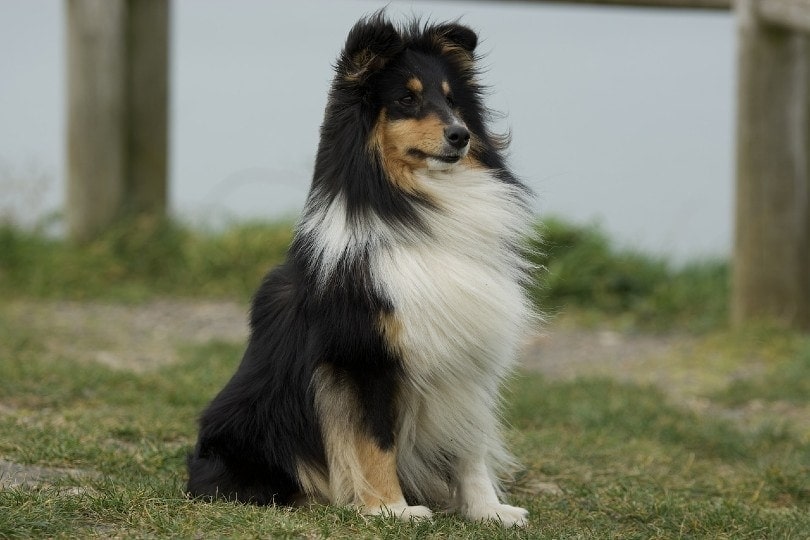
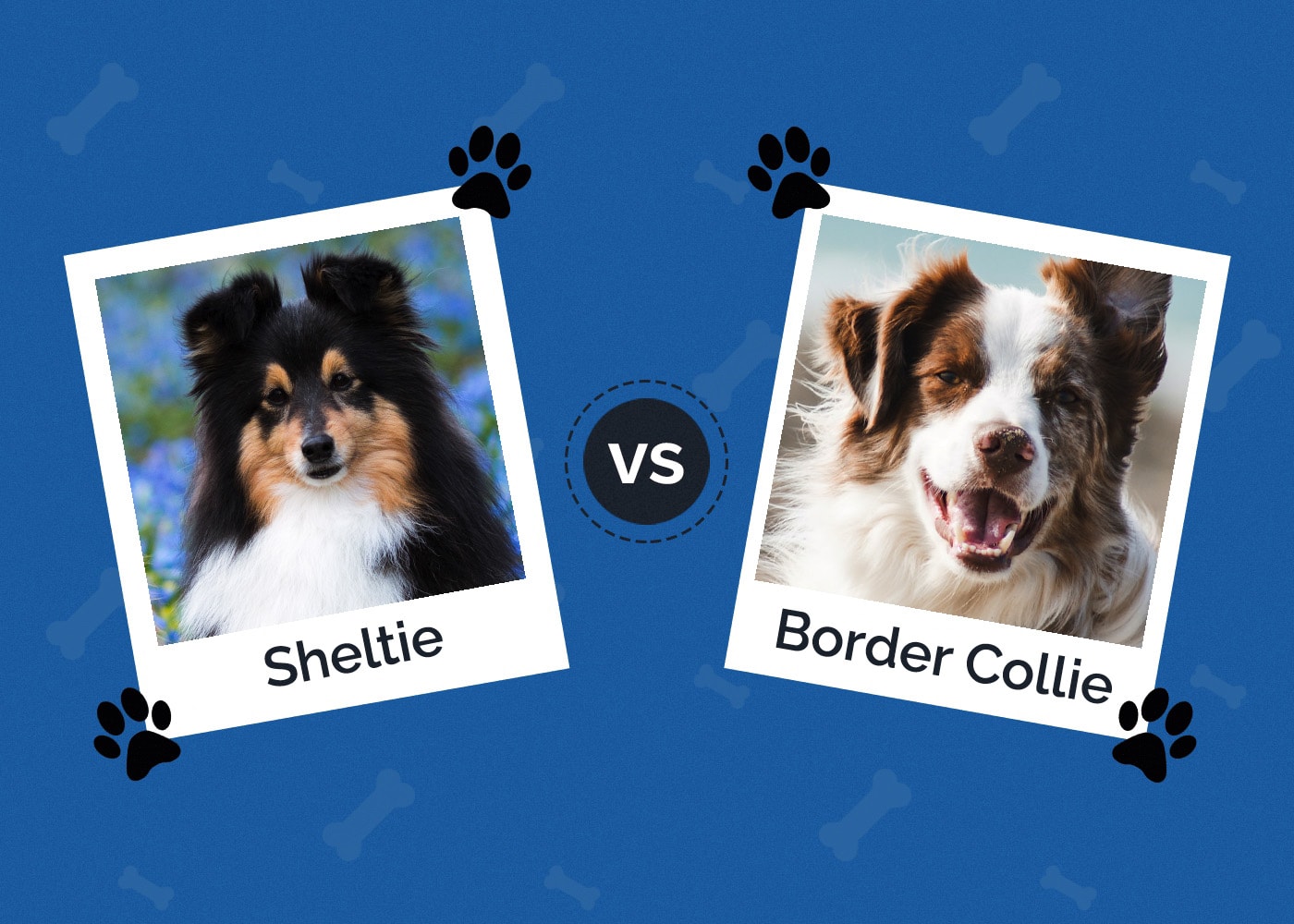
Shetland Sheepdogs, affectionately known as Shelties, were originally bred on the Shetland Islands in Scotland. They’re herding dogs used by farmers to herd sheep, poultry, and ponies.
They were bred smaller than their Collie cousins and required less food, which is important when considering the harsh, cold conditions they thrived in. We don't have records of when Collies were imported from mainland Scotland to the island, and that specific part of their history is lost. Shelties were unknown to the rest of Britain until the early 20th century because they lived in isolation on the practically inaccessible island.
The breed was first recognized as the Shetland Collie by the English Kennel Club in 1909. They changed their name after coming under pressure from Collie fanciers. The American Kennel Club (AKC) registered its first Shetland Sheepdog in 1911. The Sheltie is much better known now and ranks 27 out of 195 on the AKC’s most popular breeds list and costs between $500 and $2,500. The price depends on where you live and which breeder you choose.
Personality
There’s a wide range of personalities that you’ll find in this breed, from shy and quiet to outgoing and boisterous. They’re known to be incredibly loyal, sensitive, and gentle. Shelties tend to be reserved with strangers. So, if you meet a puppy, they might not come right up to you, but they’ll be curious and generally want to make friends if you sit down on the floor with them.
Whatever the personality, Shelties love their humans and want to spend all their time with them. You’ll find they follow you from room to room to be near you. Early socialization is vital in this breed as it will ensure your puppy grows into a well-rounded dog.
Exercise
Shelties are athletic and active, which you would expect with their herding background. While they only need a moderate amount of exercise, they are very adaptable and will fit in with their family’s way of life.
They can be city dogs as long as their owners make time to meet their exercise needs. And they also enjoy being outside with their family; this will exercise their mind and body and is so important for their overall health. Shelties also excel in canine events like agility, obedience, tracking, and herding. They also make amazing therapy dogs.
Training
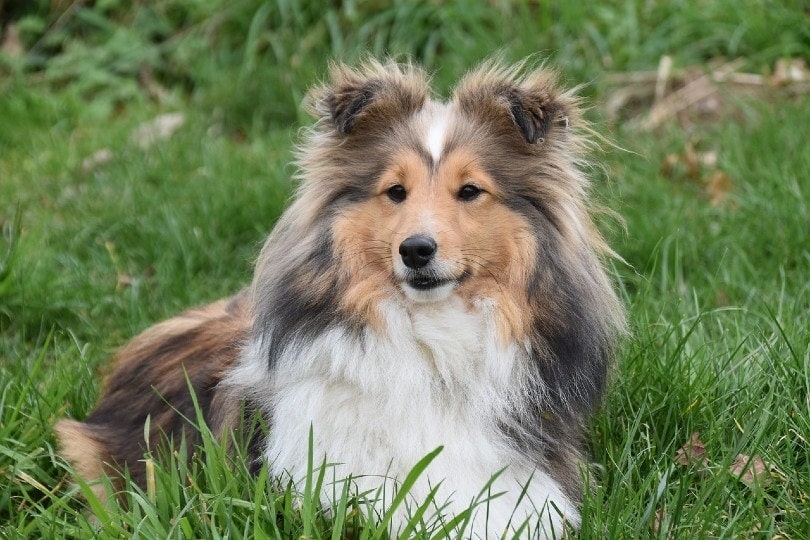
Not only is socialization important, but puppy classes are also recommended. Shelties are willing to please and are intelligent, making them very trainable. They take on basic obedience well but are also superstars regarding canine sports like agility.
Shelties can be a vocal breed, they bark to show they are happy, but it is something you might want to train out of them. Shelties also enjoy chasing moving things, including cars, which is typical for herding breeds. A well-fenced, safe yard is a must if you let them outside alone, and they should be walked on a leash.
Health & Care
Shelties are typically healthy dogs; if you choose a responsible breeder, they will usually screen for common problems. Recommended tests for this breed are hip and ophthalmologist evaluations.
The recommended feeding for a Shetland Sheepdog is 3/4 to 2 cups of high-quality dog food daily, divided into two meals. This is dependent on how active your dog is. A couch potato will need a lot less than a dog who spends its time outside.
Shelties have a double coat and require a weekly brush at minimum. You must wet the hair so you can get right down to the skin, and to avoid unnecessary baths, use a spray bottle. Since their coat sheds dirt and repels water, they only need to be bathed when they get filthy.
Suitable for:
The Shetland Sheepdog is an adaptable breed that does well in the city and countryside. Exercise is essential for the Sheltie, but their needs aren't too difficult to fit into your schedule. They would do well with most families, even first-time owners.
Australian Shepherd Breed Overview
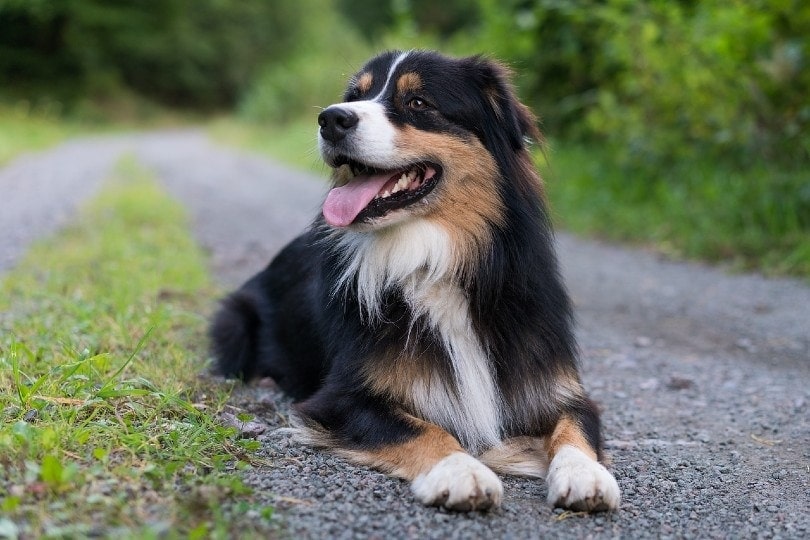
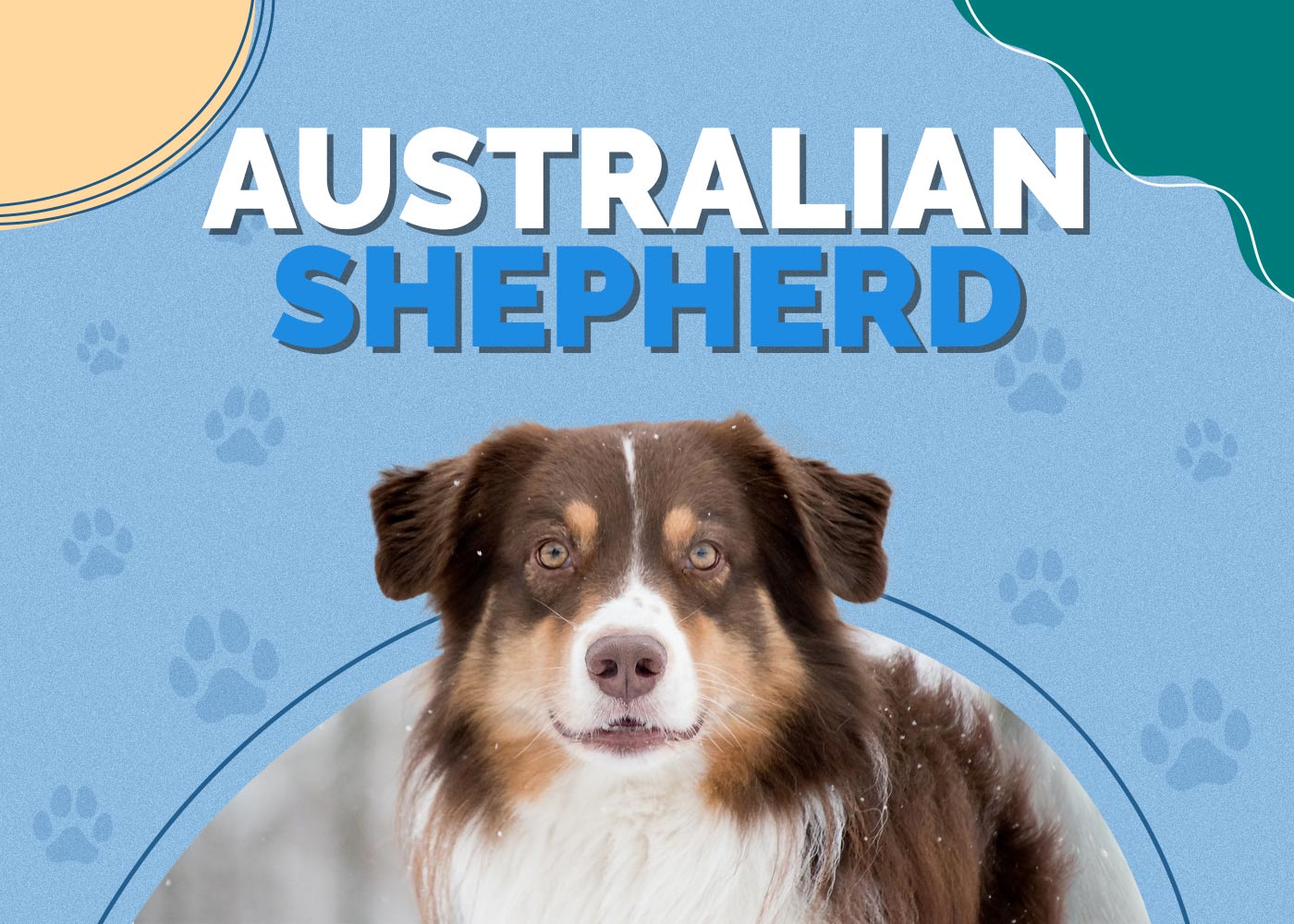
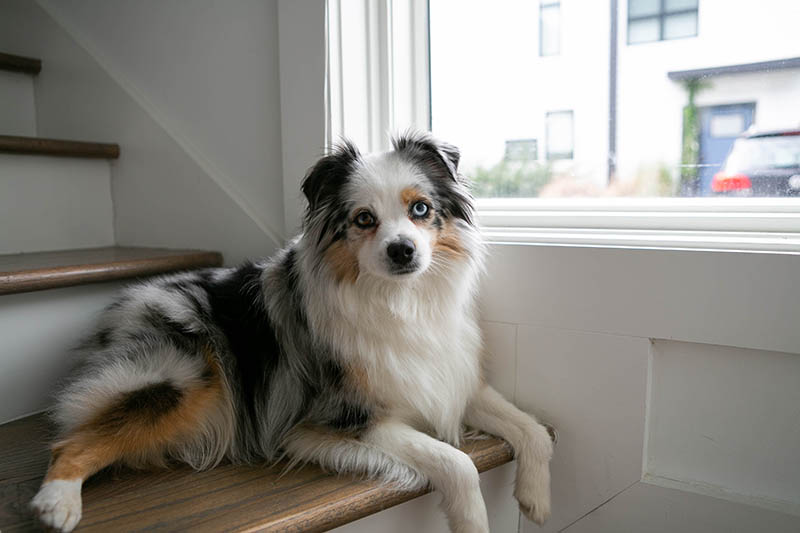
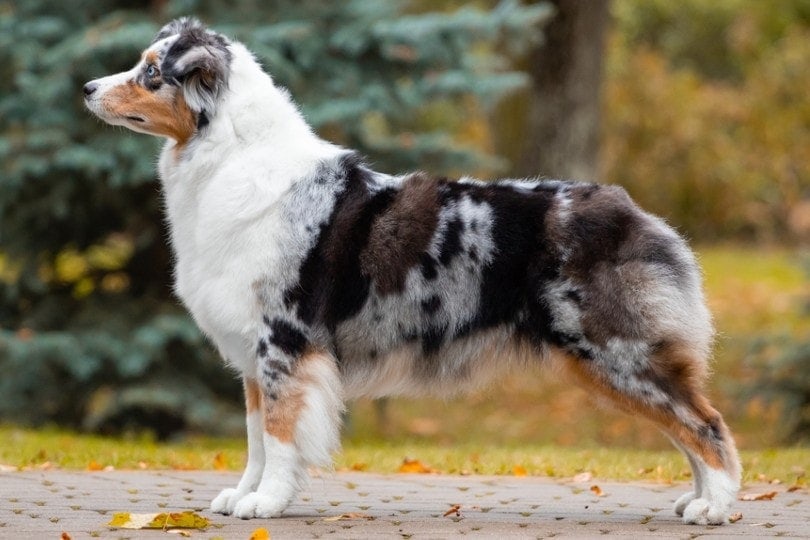
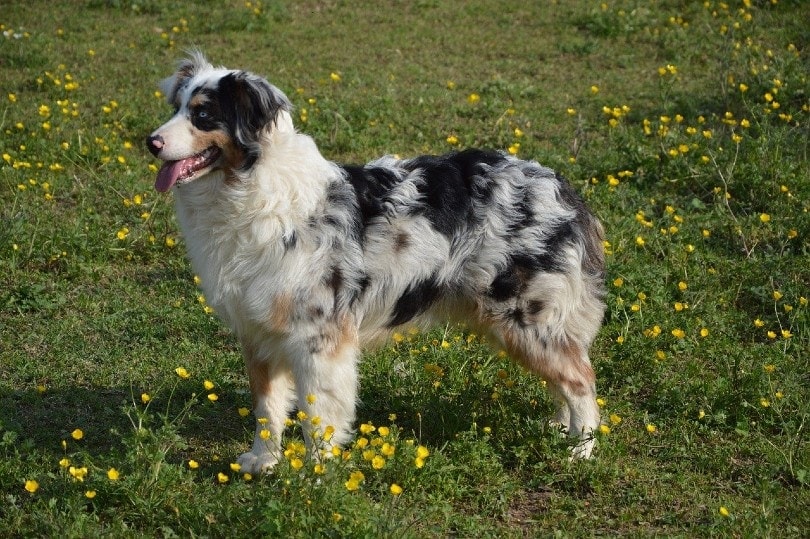
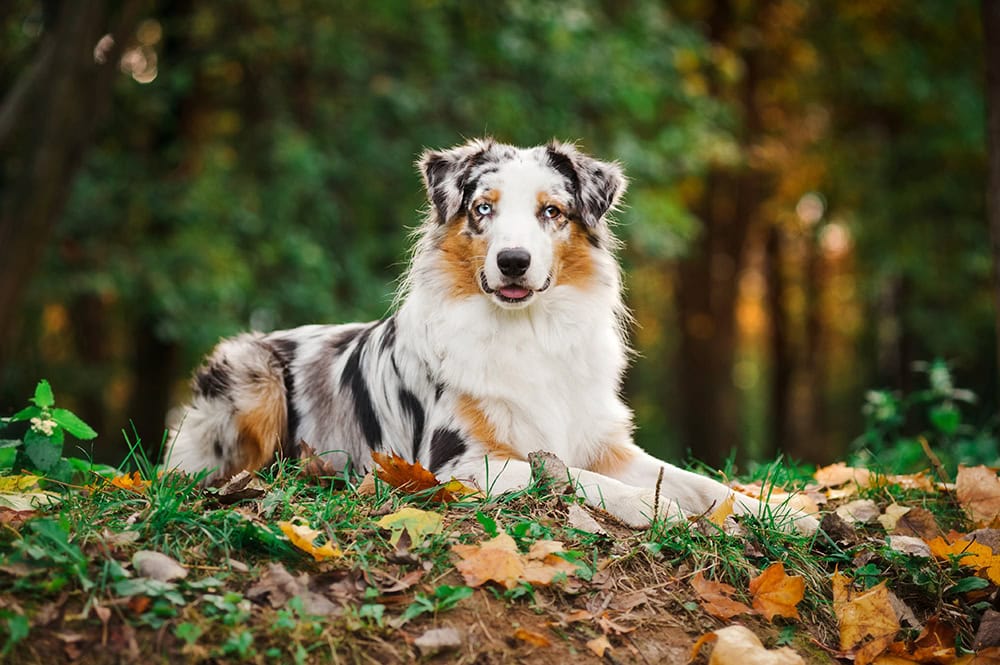
Surprisingly, the Australian Shepherd is not from Australia. Instead, it descended from a line of Europe’s finest herders. It’s believed they came from the Basque region of Spain, where Basque shepherds took their dogs to Australia and then the United States. Therefore, Americans called them Australian Shepherds, although they’re also known affectionately as Aussies.
They are great herders, which is what American ranchers loved about them, but they gained popularity with the general population because of their appearance in rodeos. Aussies would help herd bulls and perform tricks for the adoring crowds. Many are still ingrained in cowboy culture, while others are used as drug detectors, therapy dogs, service dogs, and search-and-rescue dogs, so they’re quite versatile.
Aussies have also been called different names, like Spanish Shepherds (which makes more sense than their current name, considering their origin), Blue Heelers, Pastor Dogs, Bob-Tails (thanks to their naturally short tails), New Mexican Shepherds, and California Shepherds.
Australian Shepherds were recognized as a breed in 1991, and in 1993, they entered the AKC Herding Group. The average price ranges from $650 to $850. However, a puppy can cost $300 to $1,800 plus.
Personality
The Aussie was bred to be pushy with livestock, and you might find that they take a dominant role in the house. For this reason, they’re not a good choice for first-time dog owners, as you must assert yourself firmly and confidently as a leader.
Aussies are loyal to their family and can be standoffish with strangers, which is why they need early socialization when they’re young to get used to different sights, sounds, people, and experiences. Make a point of inviting visitors over, so your dog gets used to strangers, and take them to a busy park or stores that allow dogs so you can help them brush up on their social skills.
Exercise
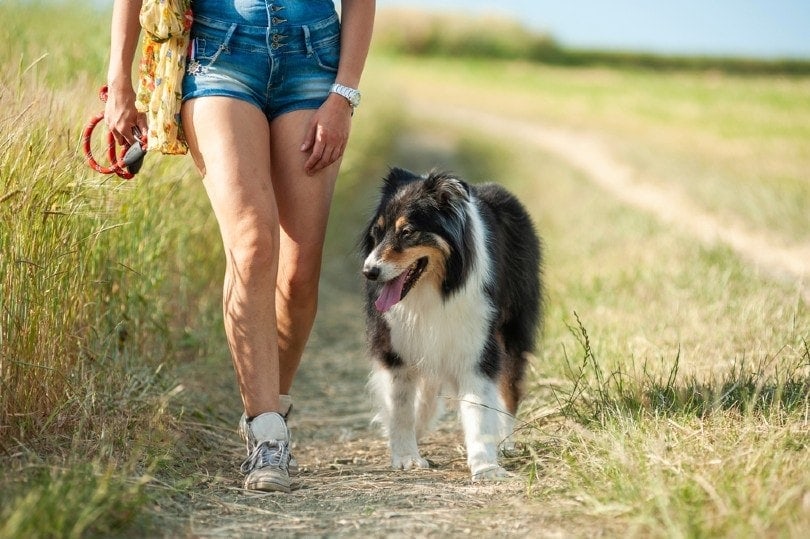
Aussies are a high-energy breed and require a lot of exercise daily to burn it all off. Ideally, they’d love nothing more than to join you on long walks or hikes, but at a minimum, you will need a sizable yard for them to run around in.
Once they are no longer puppies and their skeletal system is fully formed, they make excellent running partners. Aussies love nothing more than being given a job to do. This could be herding livestock or competing in events like herding, obedience, dock diving, or agility trials.

Training
The Australian Shepherd’s herding nature is deeply ingrained, and you might see it herd your children or other pets. They aren't aggressive dogs, but they’ve been known to nip their owners' ankles when they’re herding.
A frequent reason for Aussies ending up in rescue situations is because their owners fail to channel their boundless energy through training constructively. Because they bond so strongly with their families, they can be particularly territorial and overprotective. This manifests in destructive behavior if they’re left alone too often or for long periods. Fortunately, their intelligence and loyalty make them the perfect student for training.
Health & Care
Aussies are typically very healthy dogs, but recommended health tests are hip, elbow, and ophthalmologist evaluations.
This breed does well on high-quality food, whether commercially manufactured or homemade. They should be fed 1.5 to 2.5 cups of dry food divided into two meals. This will change depending on how active your dog is. An Aussie running around the yard will need much less than a hiking companion.
Generally, weekly brushing sessions will keep your Aussie’s double-layer, waterproof coat healthy. During shedding season, you’ll need to give it more care and attention as the undercoat will need a brush every two to three days to remove dead hair.
You should then follow this up with a wire brush. Aussies love being outside, and unless they’ve gotten themselves into a very messy situation, they should only need a bath occasionally.
Suitable for:
The Australian Shepherd is not a suitable breed for a first-time owner. They are energetic, loyal, and love nothing more than their family. They need adequate training to get rid of their herding tendencies.
Which Breed Is Right for You?
The Shetland Sheepdog and Australian Shepherd are intelligent herding dogs who love to have something to do and spend time with their families. They make wonderful companion dogs provided their owner has the time for physical and mental stimulation.
The Sheltie is smaller and more adaptable; they thrive in cities and the country and will adapt to their family’s lifestyle. For this reason, the Shetland Sheepdog is suitable for most families and first-time owners.
On the other hand, the Aussie needs lots of space to run around and burn its boundless energy and would need a family that enjoys long walks or a home with a large, safe, enclosed yard. The Australian Shepherd has a big, dominating personality, and first-time owners may find it challenging to manage.
Welcoming a dog into your home is a big decision, and it's one you can't make on a whim. Both the Sheltie and the Aussie seem like similar companions, but they have different needs. It’s undeniable, though, if you believe you can meet the needs of one of these beautiful dogs, you will be rewarded with one of the most loyal best friends you’ve ever had.
Featured Image Credit: (L) Lisjatina, Shutterstock | (R) Medenka Nera, Shutterstock
Get Hepper In Your Inbox


Pet care tips from our vets and experts, straight to your inbox.
You may opt-out at any time. View our Privacy Policy for more information.

Kerry-Ann lives in Scotland and wishes her garden was bigger so she could have her very own Highland cow. But her dogs probably wouldn’t like that very much. She has a La Chon called Harry who was poorly with a liver shunt when he was a puppy. It wasn't likely he would make it into adulthood, which was difficult, but he beat the odds and is a healthy old man now. She also has a Pug called Maddie who is a big foodie. She’s small, sassy, and every day she finds a new way to mess with her brother.
When she isn’t writing you can find Kerry-Ann going for long walks when the weather isn't bad, reading, or watching cartoons when she should be tidying her house. She would one day like to be a tourist in her own country and travel through the Highlands with her family.
Join the conversation
Ask a question, share your story, or send private feedback.