Hepper is reader-supported. When you buy via links on our site, we may earn an affiliate commission at no cost to you. Learn more.
Sheltie vs. Border Collie: Notable Differences (With Pictures)
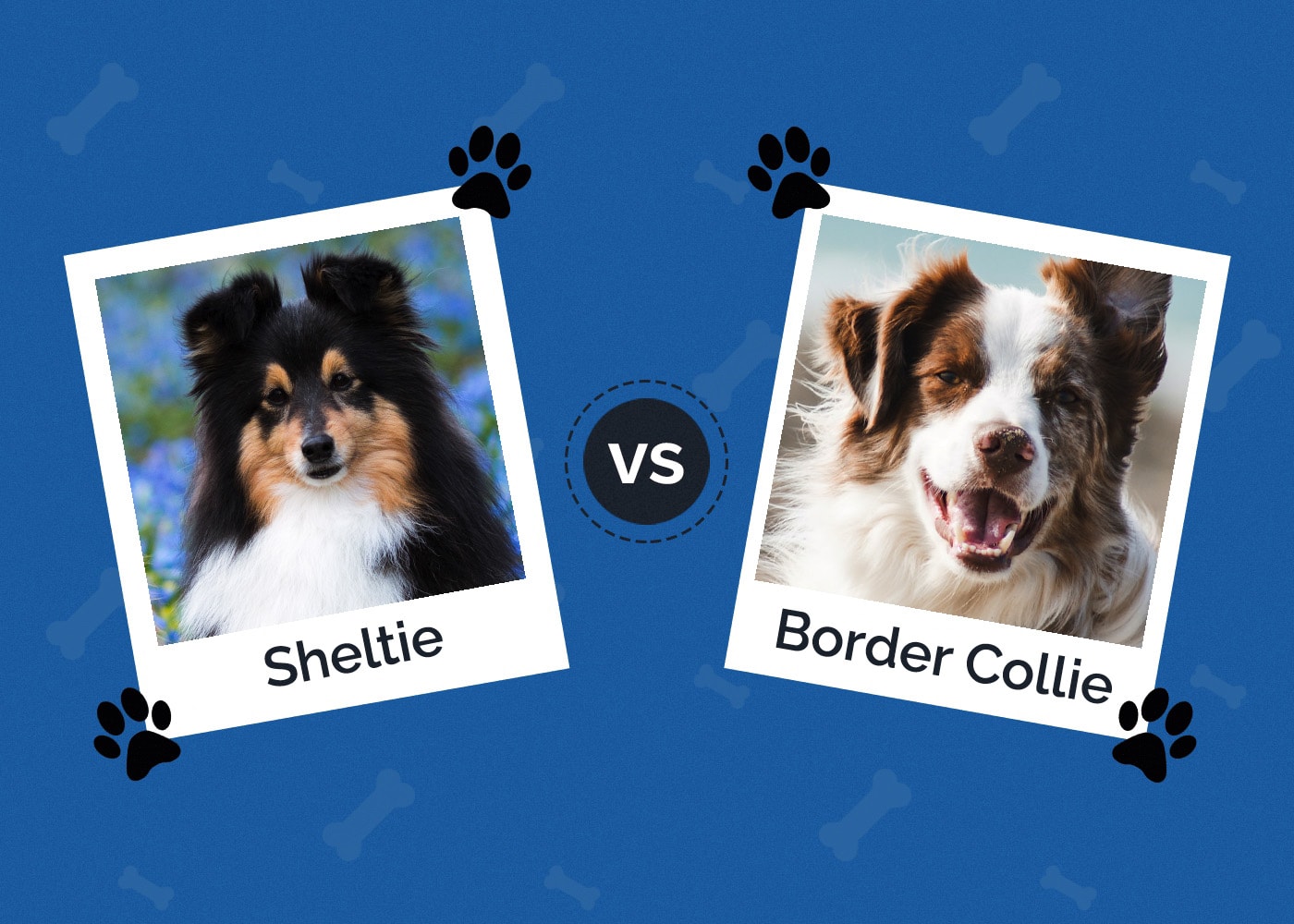
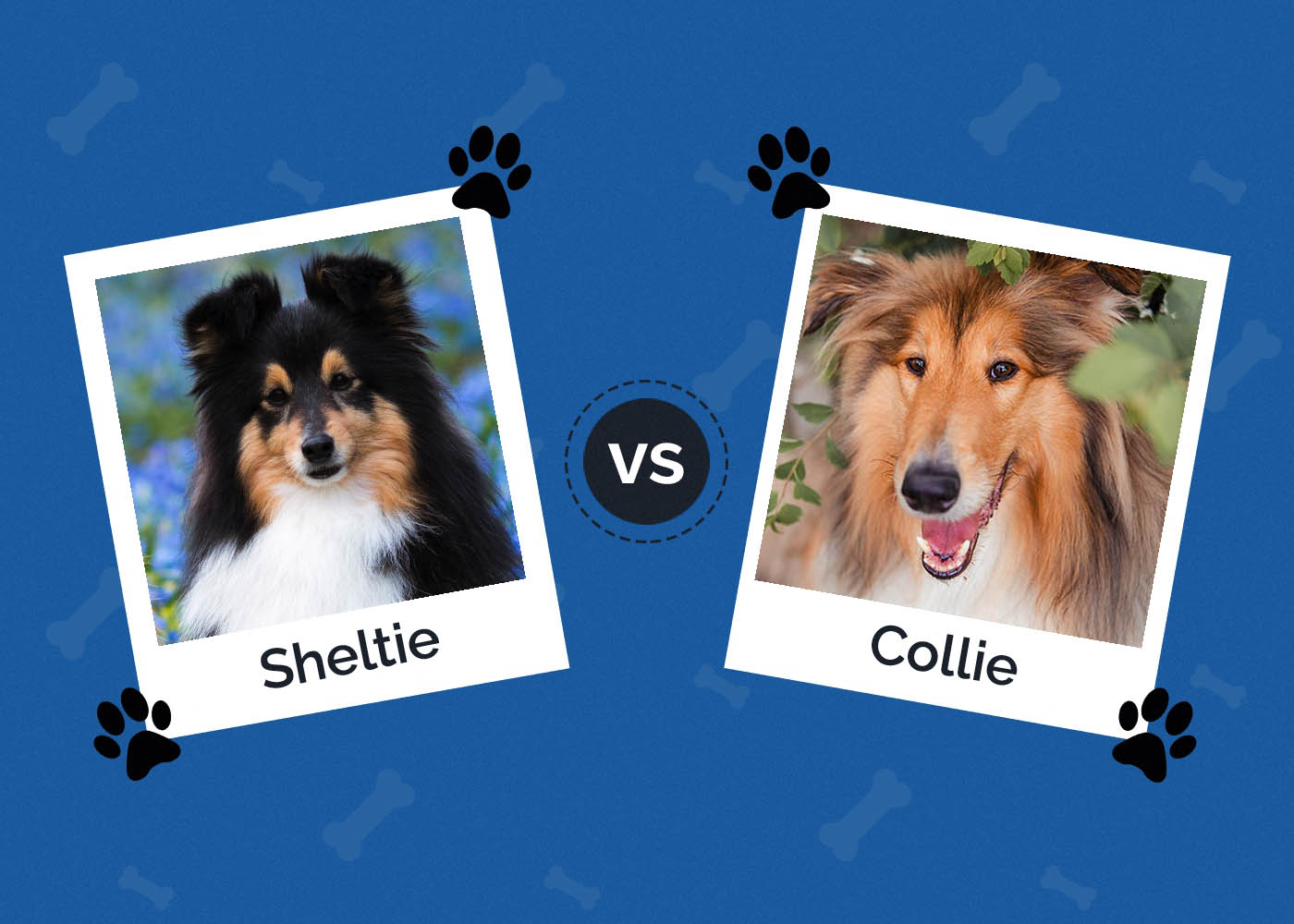
The Shetland Sheepdog (also known as the Sheltie) and Border Collie are both bright and intelligent dogs that bring many fine qualities to the table for dog owners. Part of the herding group, these two dog breeds are energetic and love having a job to do. These medium-sized breeds share the same ancestors, and both make excellent additions to any family.
In this article, we’ll compare the two breeds side-by-side so that you can see the similarities and very few differences in case you’re contemplating adding either one to your family. These two breeds share many traits and characteristics, and in reading this article, you’ll have a better idea of which one would be ideal for you and your family’s lifestyle.

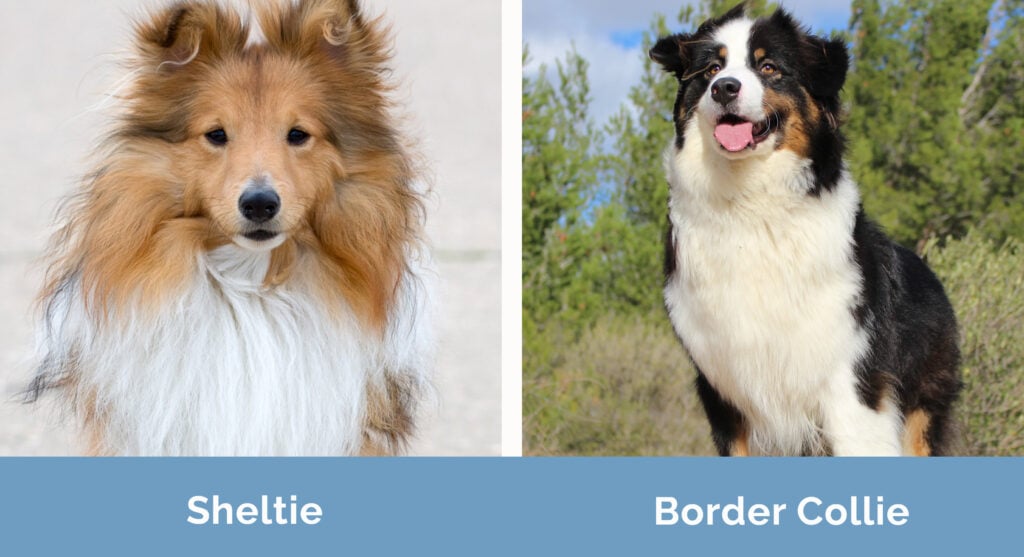
Visual Differences
At a Glance

Sheltie Overview
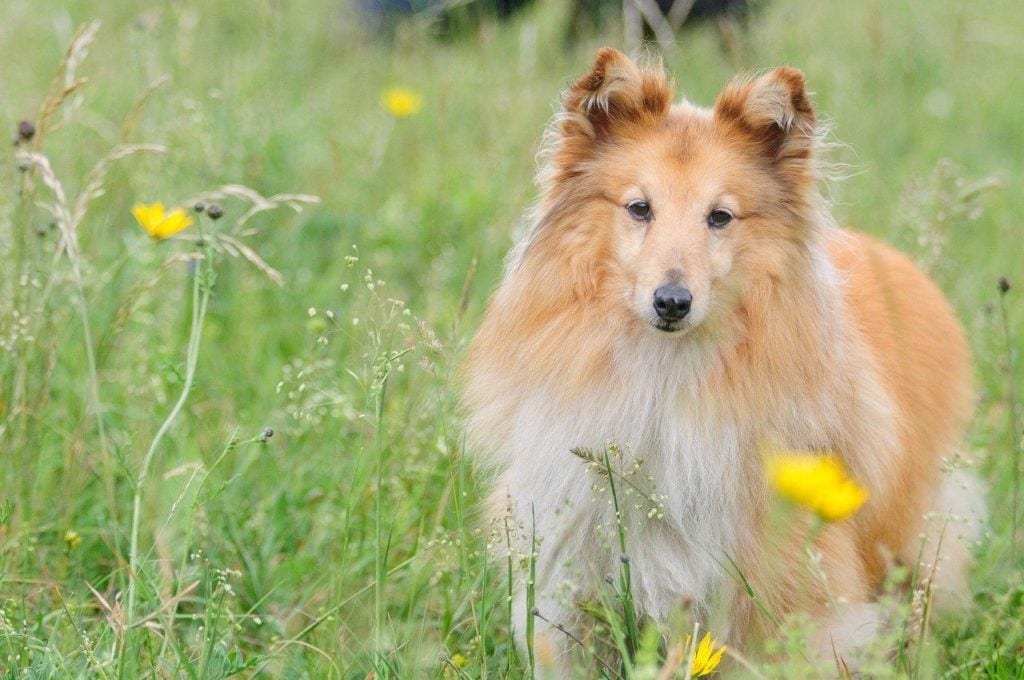
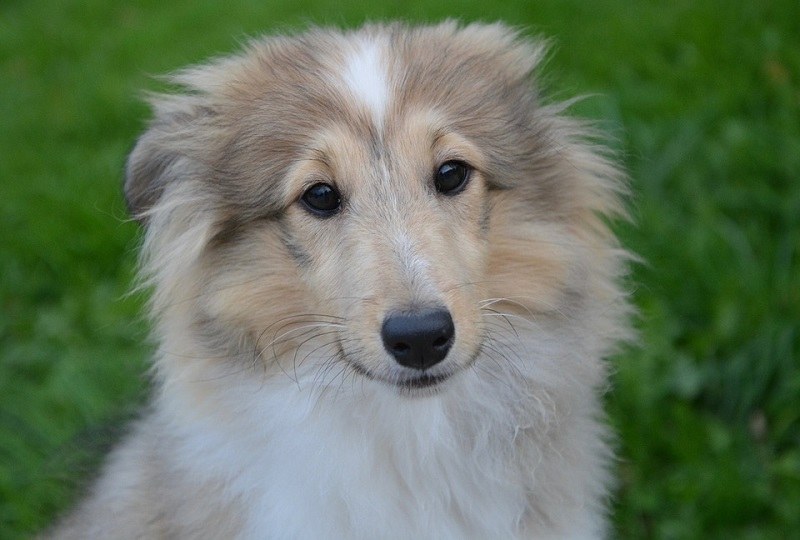
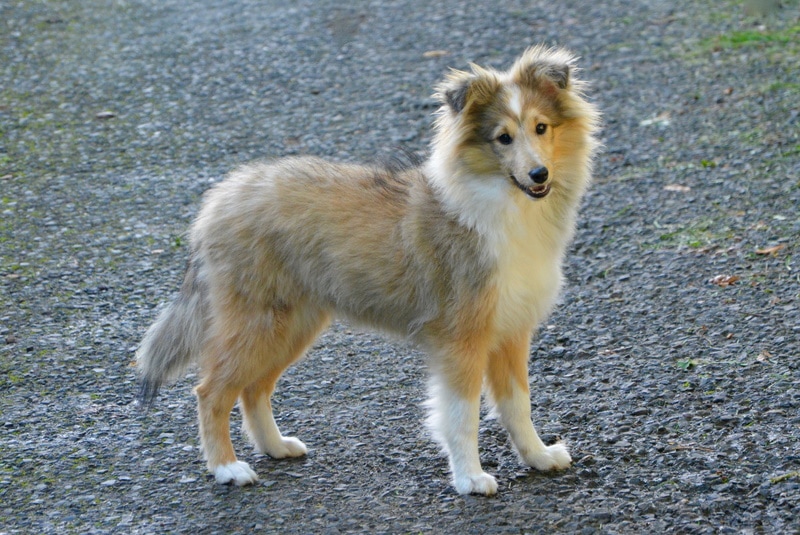
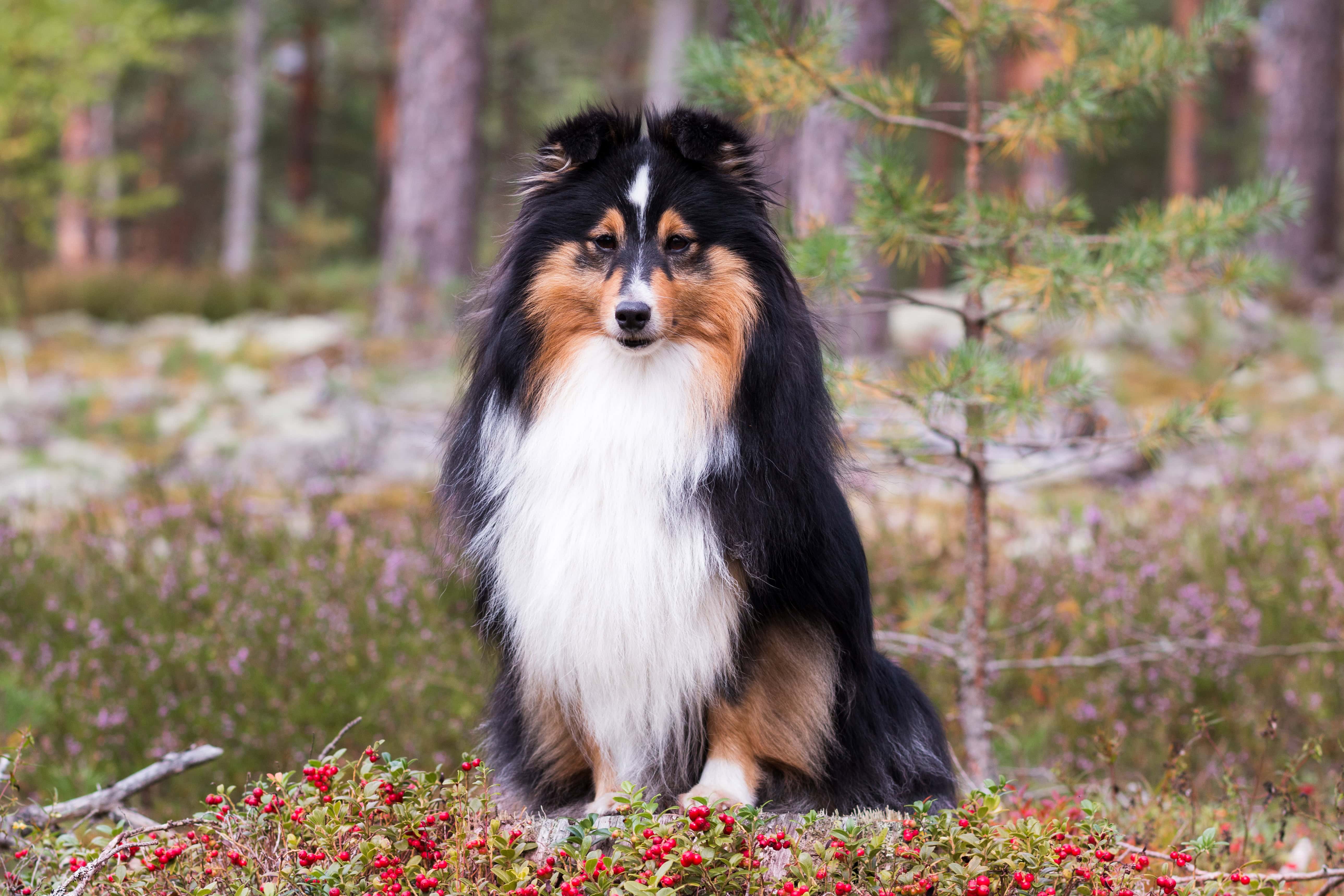
Lassie may come to mind from the famous television series when one thinks of Shelties. Shelties are energetic and bright. These dogs get their name from the rugged Shetland Islands in Scotland from which they originated. These dogs resemble the miniature Rough Collie, but while they share the same ancestors as collies, these dogs are a distinctive breed all their own; in fact, they are often mistaken for the Miniature Collie. At one time, they were referred to as Sheltie Collies, but this caused controversy among breeders of the Rough Collie, hence the name change.
Their background is not clear-cut, but it’s believed these dogs were bred to be smaller than the collie due to the scarcity of food on the Shetland Islands, which meant having a smaller appetite and easier to feed them. Their small size was beneficial for herding smaller animals, such as chickens, sheep, and ponies, and these dogs will try to herd anything, including squirrels, kids, and birds.
Shelties were first recognized in 1909 by the Kennel Club of England, but they may have been around since 1844. The American Kennel Club (AKC) officially recognized them as a breed in 1911.
Personality / Character
Having a Sheltie in the home adds liveliness, as they love to exercise and hang with their active families. These dogs are affectionate, eager to please, and highly loyal to their owners. They do not do well being left alone for long periods of time, and they require much physical and mental stimulation. They love children and are intelligent enough to excel at anything they try. For instance, they love learning new tricks and excel at agility courses, obedience, and herding. To put this into perspective, this breed is considered the top canine competitor in the world.
Shelties make excellent watchdogs due to their alertness and protectiveness of their humans, but they are not aggressive dogs, meaning they do not make good guard dogs. They are weary of strangers and will let you know if someone approaches your home. One last thing to know about Shelties is that they bark—a lot—making socialization vital in this breed. Early socialization also helps discourage unwanted herding of other pets and small children.
Training
Training Shelties is easy due to their loyalty, intelligence, devotion, and eagerness to please. As we’ve mentioned, they excel at agility and obedience training, but they are sensitive and intolerant of rough handling. Teaching basic commands, such as sit, no, shake, etc., are commands your Sheltie will quickly pick up. However, Shelties tend to bark when they are happy, and you’ll want to train your Sheltie not to bark when it’s not desirable. Ensure you have a fenced yard because they will chase after cars. Always walk your Sheltie on a leash to keep her from chasing objects—remember, they will try to herd pretty much anything.

Health & Care
The Shetland Sheepdog is a relatively healthy breed, but like all dogs, they can be prone to certain health issues. Health conditions to watch for are hip dysplasia, thyroid disease, epilepsy, dermatomyositis, and Von Willebrand's disease. Feed your Sheltie high-quality dog food appropriate for its age, and limit treats to account for 10% of your Sheltie’s daily diet.
Grooming
An important factor to consider is the Sheltie’s thick double coat. They are big shedders and require regular brushing, preferably with an undercoat rake, at least a few times a week and even more during heavy shedding months in the spring and fall. Regular brushing keeps the hair from matting, as well as getting all over your home, and it keeps the coat looking lush and beautiful. Bathe only occasionally or have professionally groomed every 4 to 8 weeks. Trim their nails and check their ears regularly, and don’t forget about dental hygiene! You can brush their teeth at least three times a week and provide dental treats in between brushings.
Suitable For:
The Shetland Sheepdog is appropriate for active families who are home often and can provide the daily mental and physical stimulation this breed requires. The Sheltie should be trained to not bark excessively, and it takes a delicate touch to train them without using harsh tones (as with any breed). They are suitable for the multi-pet household and those seeking a wonderful canine companion.

Border Collie Overview

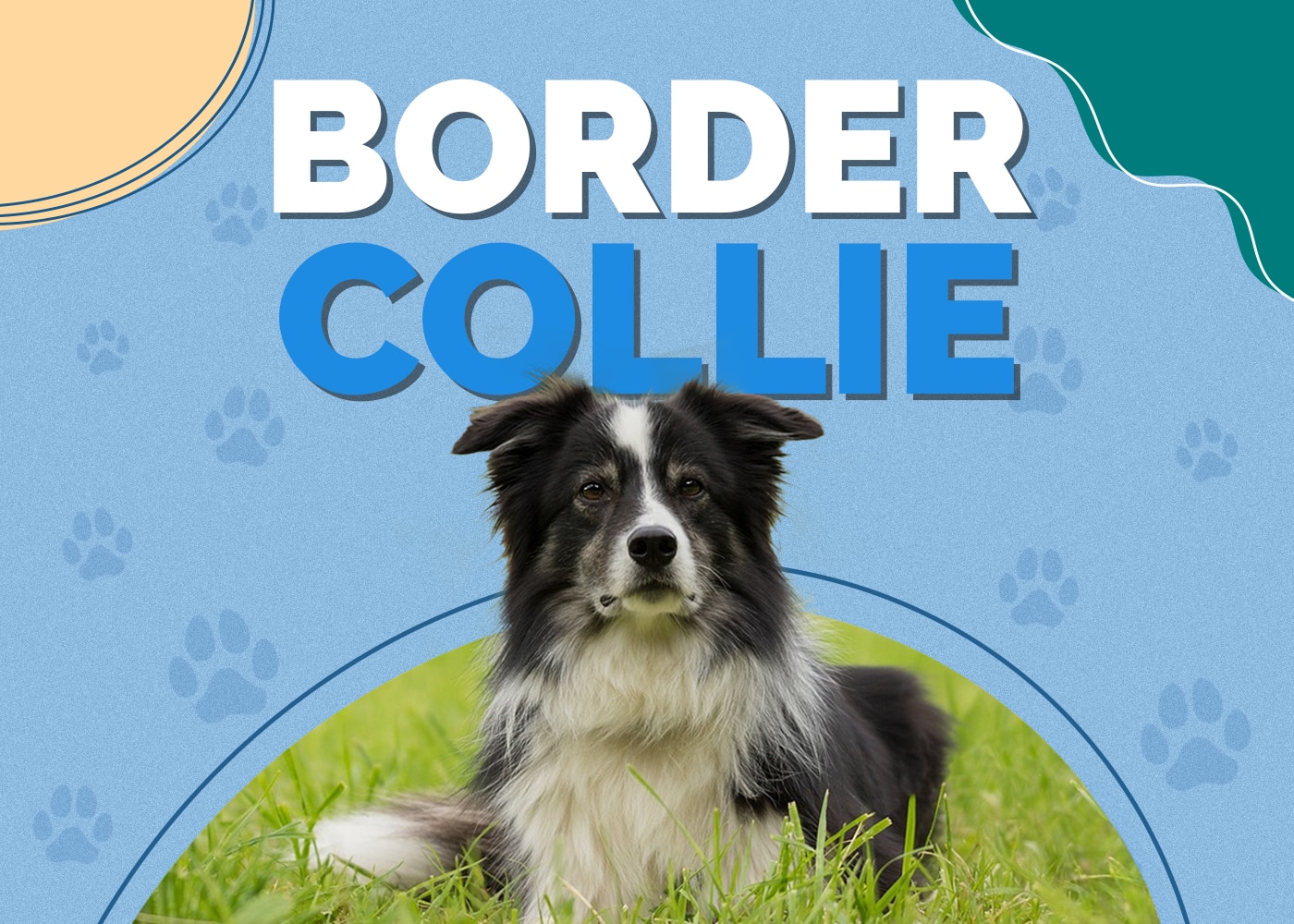
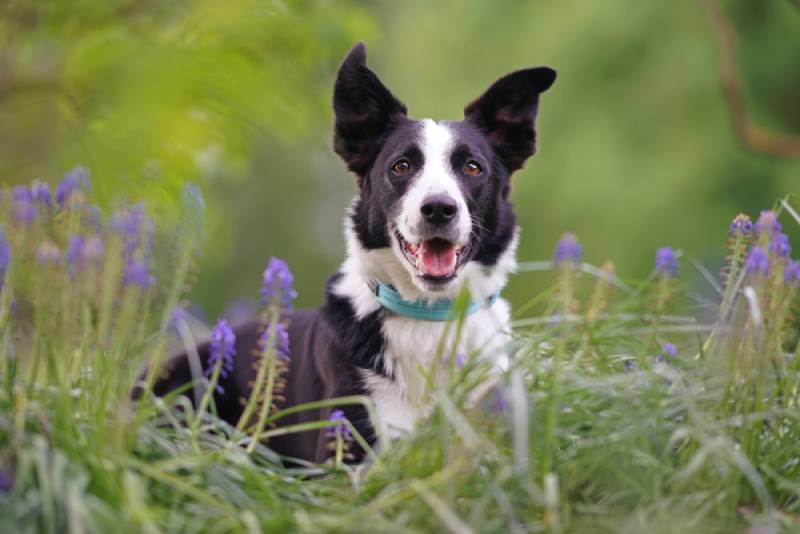
The Border Collie is considered a workaholic when it comes to herding. In fact, the Border Collie is known as the world’s greatest herder in addition to being the smartest dog in the world. The Border Collie we are accustomed to has been around for roughly 130 years, but its ancestry goes far beyond that. The breed originated in Northumberland, which lies on the borders of Scotland and England, hence the name, “Border” Collie. It’s believed that their roots can be traced back to the Roman times roughly 2,000 years ago when the Romans brought their drover dogs with them—however, their exact history is a bit fuzzy. We can speculate that these dogs have been around for thousands of years when humans first developed partnerships with dogs for herding livestock.
The Border Collie has a distinctive style to their herding abilities, like crouching down and using their eyes to start the initial control of livestock in a silent manner. In 1906, the breed standard was drawn up but only recognized the Border collie for its working ability and not appearance. In 1915, they were referred to only as sheepdogs, and in 1995, they were recognized by the AKC.
Personality / Character
The Border Collie shares many of the same traits as the Sheltie and also makes an excellent canine companion. They have explosive bursts of energy, are strong-willed, and bore easily. They love having a job to do and keeping your Border Collie entertained by teaching new tricks and games keeps destructive behavior away.
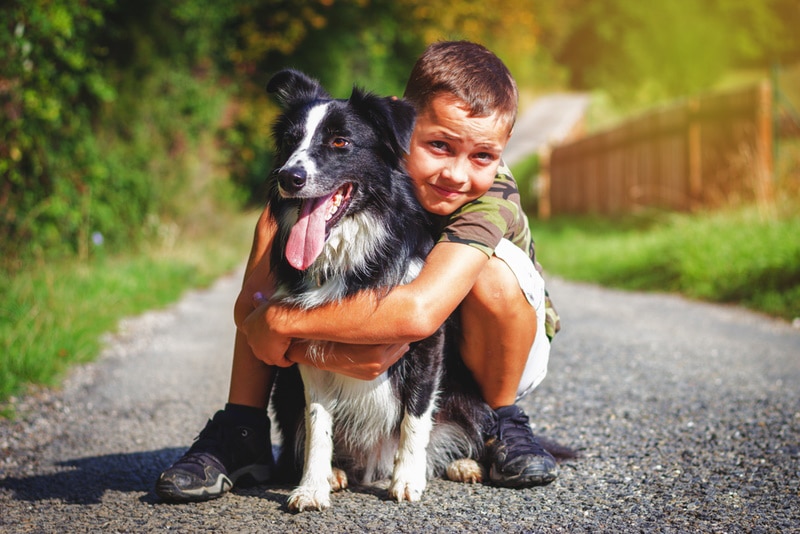
The Border Collie is affectionate, energetic, and eager to please. They excel at agility sports and want to be included in any activity, making them ideal dogs for an active family. They can be moody at times and territorial—this is one difference compared to the Sheltie. In contrast, they may not get along with other pets initially and supervision is required while around other dogs. However, with training and patience, the Border Collie gets along fine with other pets. They can be reserved around strangers and make excellent watchdogs. It may take time for them to get used to small children due to their strong herding instincts, but with proper training and socialization, they get along fine with children.
Training
Border Collies are relatively easy to train but can be more challenging than the Sheltie. As its owner, you must establish firm leadership. Be prepared to exercise your Border Collie every day for at least 1 ½ hours and keep them busy with mental and physical stimulation. Border Collies love to catch a Frisbee, and this is an excellent form of exercise for both mental and physical stimulation. Taking your Border Collie on a daily walk is also essential.

Health & Care
As with any dog breed, the Border Collie may be prone to certain medical conditions, such as hip dysplasia, progressive retinal atrophy, deafness, epilepsy, and collie eye anomaly. Most of these conditions are congenital; however, a responsible breeder will be aware and breed congenital conditions out. Feed high-quality dog food appropriate for your dog’s age, and keep treats to no more than 10% of its daily diet.
Grooming
Much like the Sheltie, the Border Collie has a water-resistant double coat, but their coat comes in two variations—rough, medium-length and feathered, or short and coarse. You should brush the coat twice a week with a pin brush and more so in shedding months. Brush their teeth regularly and provide dental treats often. Check ears regularly and clean when needed, and check their nails regularly and trim when needed. If desired, you can take your Border Collie to a professional groomer every 4 to 6 weeks.
Suitable for:
Border Collies are extremely suitable for those with a farm that need a herding dog. As for a family pet, the Border Collie does well with active families who spend time outdoors and those willing to take the time to exercise their dog and give the attention they demand. Keep in mind that they do well with small children with training but do better with older children.

Which Breed Is Right for You?
As you can see, there are many similarities between the two breeds with few differences. Shelties do better with children of any age and size and get along well with other pets. The Border Collie needs more training to accept small children, as well as other pets, whereas the Sheltie gets along with other pets faster and with just about all children. Border Collies can be a bit stubborn and territorial, whereas the Sheltie is not.
Both breeds are loving, affectionate, loyal, and eager to please. Grooming requirements are very similar, as they both have double coats that need regular grooming. They both require physical and mental stimulation, and they are weary of strangers and make excellent watchdogs. In the end, you can’t go wrong with either breed.
Related Reads:
Sources
Featured Image Credit: (L) Lisjatina, Shutterstock | (R) Pauline Loroy, Unsplash
Get Hepper In Your Inbox


Pet care tips from our vets and experts, straight to your inbox.
You may opt-out at any time. View our Privacy Policy for more information.

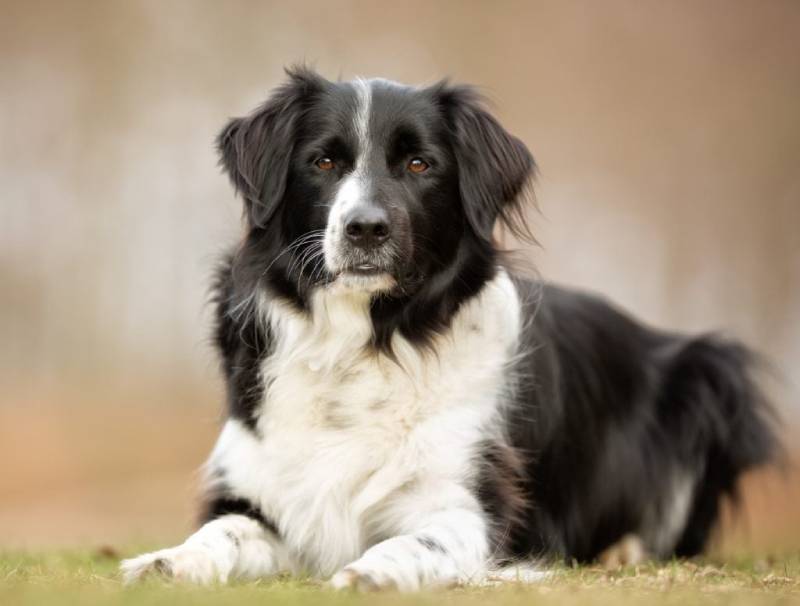
Rachel Giordano is a writer and musician out of Pensacola, Florida, living there with her partner and their two dogs, Aero, a Border Collie/Sheltie mix, and Sophie, a Boston Terrier. Rachel has a Bachelor of Arts degree in communication and enjoys writing about all types of animals. When Rachel’s not dedicating her time to writing about animals, she enjoys writing thriller/suspense novels. A writer by day and a musician by night, she's passionate about educating the public about the requirements and needs of all types of animals.
Join the conversation
Ask a question, share your story, or send private feedback.