Hepper is reader-supported. When you buy via links on our site, we may earn an affiliate commission at no cost to you. Learn more.
Tan Rabbit: Care, Temperament, Habitat & Traits (With Pictures)
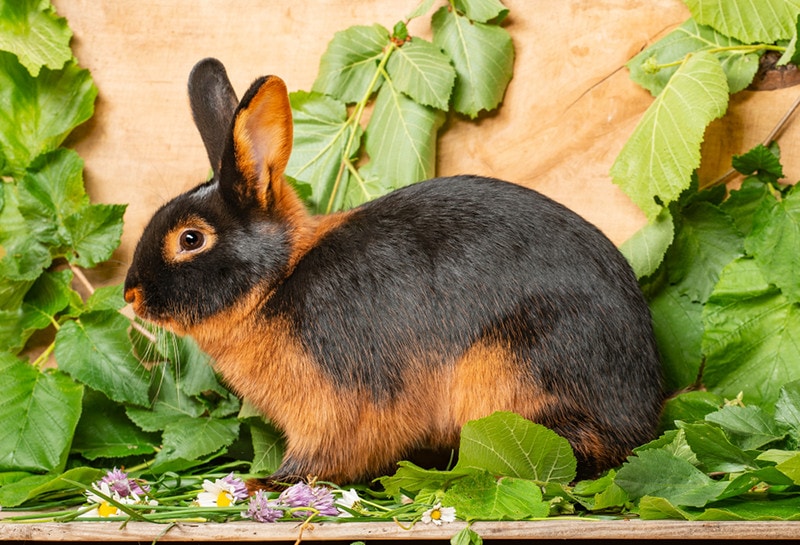
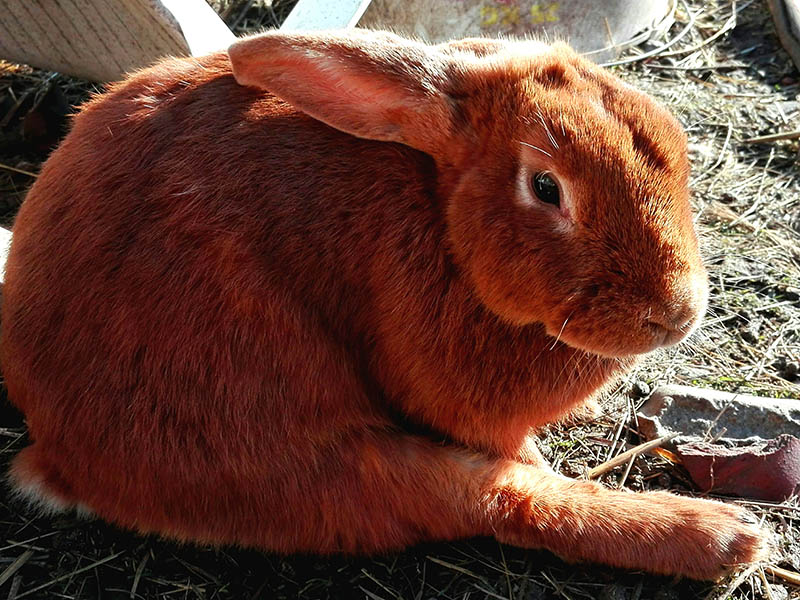
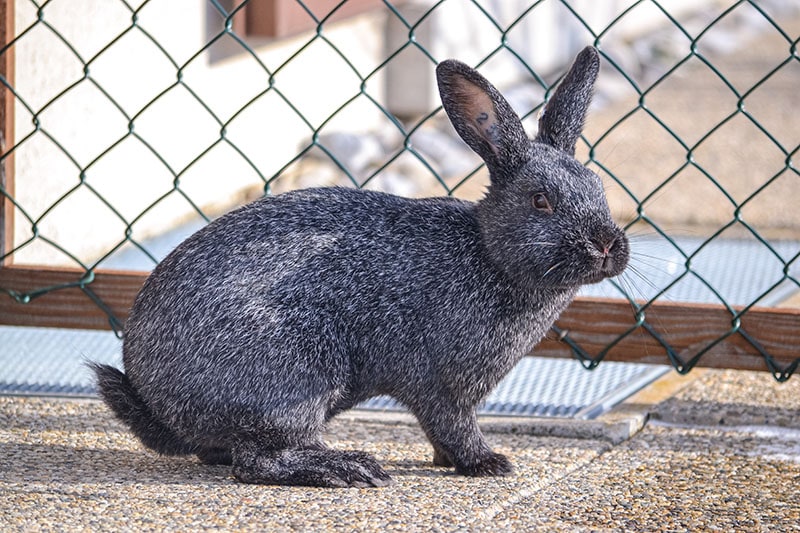
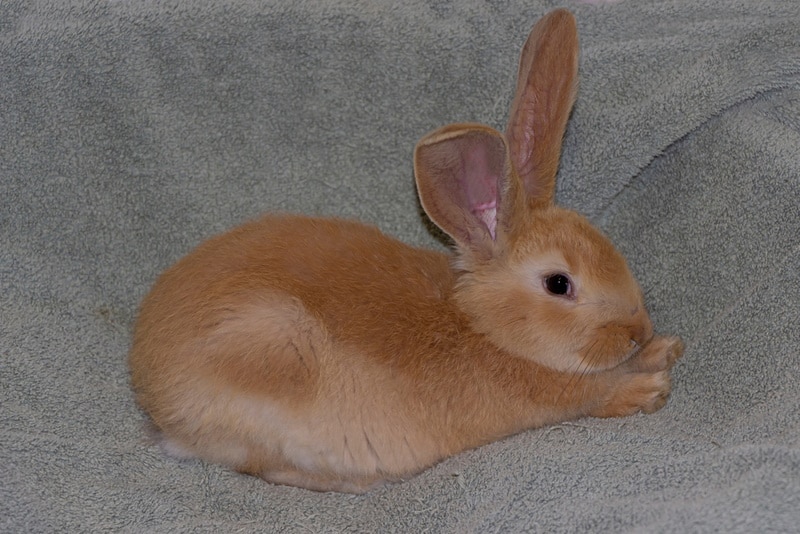
The adorable Tan rabbit is a fancy rabbit breed that’s often seen in rabbit shows. It’s been around for over 150 years and arose from English breeders crossing domestic rabbits with wild rabbits to create a unique look.
The Tan rabbit has been recognized in the US since the 1960s, but it rose to popularity as a show rabbit or pet rabbit. This breed is more aloof than other breeds, however, so it’s important to understand what to expect if you want to bring one home.
| Size: | Standard |
| Weight: | 4–6 lbs |
| Lifespan: | 8–10 years |
| Similar Breeds: | Belgian Hare, Angora, Dutch, English Lop |
| Suitable for: | Pets or stock rabbit groups |
| Temperament: | Lively, playful, curious |
Tan rabbits were discovered in the 1880s. The predecessor of the Tan rabbit was a combination of wild rabbits and domestic rabbits, which breeders continually refined to get the black, blue, and lilac color combinations that are available today.
These rabbits were often in shows in the mid-century but started to gain popularity with the general public in the 1990s. A Tan rabbit took the title of Best in Show at the ARBA Convention in 2003. In addition to conformation shows, these rabbits excel at agility and other rabbit competitions.
Tan Rabbit Characteristics

How Much Do These Rabbits Cost?
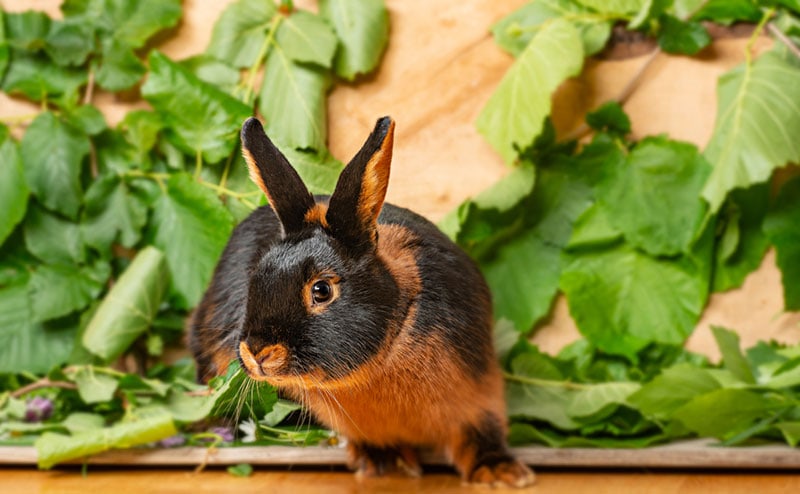
Tan rabbits are extremely popular for pets and shows, so they can be a little more expensive than the average rabbit. You can find rabbits for about $30 to $75 for pet quality, but if you’re looking for a show-quality American Rabbit Breeders Association (ARBA) rabbit, you can expect to pay $200 to $400.
If you prefer, you may be able to find a rabbit available for adoption at the local shelter or rescue. The adoption fee may vary, but it’s generally around $10 or $20 for small animals. You may also get lucky and see rabbits given away for free, but keep in mind that these often come from accidental litters. You may end up with a rabbit with health or behavioral issues.
Temperament & Intelligence of the Tan Rabbit
Wondering how the Tan rabbit is as a pet? Here’s everything you need to know
Do These Rabbits Make Good Pets? 👪
Tan rabbits are friendly and make good pets, but they’re not cuddly or affectionate. They don’t like a lot of playtime or physical attention, though they tolerate humans for short periods. That said, rabbits’ personalities can vary widely, even within the same breed. As full-arch rabbits, Tan rabbits move quickly and need a lot of exercise, but they can be too quick for young children or older people.
Does This Rabbit Get Along With Other Pets?
Tan rabbits do well in groups with other rabbits and may get along with some small mammals, but it’s best to avoid cats or dogs. Because Tan rabbits are fast, they may entice a dog or cat to chase them. This is too much stress for the rabbit, even if they don’t come in contact. Always be cautious when allowing your rabbit to interact with other pets and never leave them unsupervised.
Things to Know When Owning a Tan Rabbit:
Like any other pet, Tan rabbits have specific needs for their habitat, diet, training, grooming, and health. Find out more about keeping a Tan rabbit.
Food & Diet Requirements 🥕
The majority of your rabbit’s diet will be hay or hay feed, about 70% to 75%. The rest can be made up of rabbit pellets for complete nutrition, though your rabbit needs to get plenty of hay to keep its teeth worn down and in good health. The rest of the diet can be fruits and vegetables for treats, such as leafy greens, apples, and carrots, but it’s important not to go overboard. Feeding too much of these foods can disrupt the balance of your rabbit’s diet.
Tan rabbits can be kept in indoor or outdoor hutches. These are energetic rabbits that will need plenty of time out to run and play. Ideally, the hutch should be at least 12 square feet. This offers enough space for your rabbit to stretch, hop, run, and lie down, as well as to provide all the cage supplies it needs, like a water bowl, a food bowl, hiding spots, and a litter box.
Habitat & Hutch Requirements 🏠
Exercise & Sleeping Needs 🐇
Tan rabbits are extremely active rabbits and require exercise to stay healthy and happy. Plan to give your rabbit a few hours of exercise each day, whether that’s through playing, active training, or giving your rabbit the space to run and hop in the open. They sleep about 12 to 14 hours a day at different times, similar to a cat or dog.
Training 🥎
Though the Tan rabbit is not as “dog-like” as other breeds, it’s still easy to train as a pet or a show animal. Tan rabbits are often used in activities like rabbit agility or “showjumping,” known as kaninhop, and hopping shows, which take dedicated training. You can also train your rabbit to perform tricks, such as fetch or paw.
Grooming ✂️
Your rabbit will do a lot of its own cleaning and grooming, so you shouldn’t be giving it a full bath. You can spot-clean your rabbit if it gets dirty or provide a dry bath with cornstarch and a comb. Otherwise, your rabbit will need regular brushing every few days to prevent mats that can irritate the skin. You’ll also need to clean your rabbit’s ears and trim its nails every week or two.
Lifespan and Health Conditions 🏥
Tan rabbits aren’t afflicted with any known genetic health problems as a breed, but they are prone to health conditions that affect all rabbits. Diarrhea is a common issue in rabbits and can get serious quickly, particularly if it arises from viral or bacterial infections. If your rabbit gets a high-carbohydrate, low-fiber diet, it could disrupt its gastrointestinal tract and lead to GI stasis—a potentially life-threatening condition in which food stops moving through the GI tract.
Like other pets, rabbits can develop bladder stones that cause partial or complete urinary obstruction, urinary tract infections (UTIs), and discomfort. Surgery may be required to remove the stones. Rabbits are also prone to heat stroke and coprophagy or eating droppings. With the latter, it’s a natural and normal behavior that’s off-putting but not a cause for alarm.
Male vs Female
Generally, male rabbits are thought to be more affectionate and easygoing as pets, especially for beginners. Rabbits are highly individual animals, however, and the differences between the sexes aren’t as clear cut. It’s best to look for an individual rabbit that suits your personality and spay or neuter unless you’re intending to breed. Removing the reproductive organs will prevent some hormone-related behavioral issues and a bevy of reproductive health problems, ranging from certain cancers to infections.

3 Little-Known Facts About Tan Rabbits
1. Tan Rabbits Are Popular for Their Beauty
Tan rabbits rose to become one of the most popular fancy rabbit breeds partly because of their unusual coloration. The breed earned the nickname, “Aristocrat of Fancy,” because of its exceptional show records.
2. Tan Rabbits Are Full-Arch Rabbits
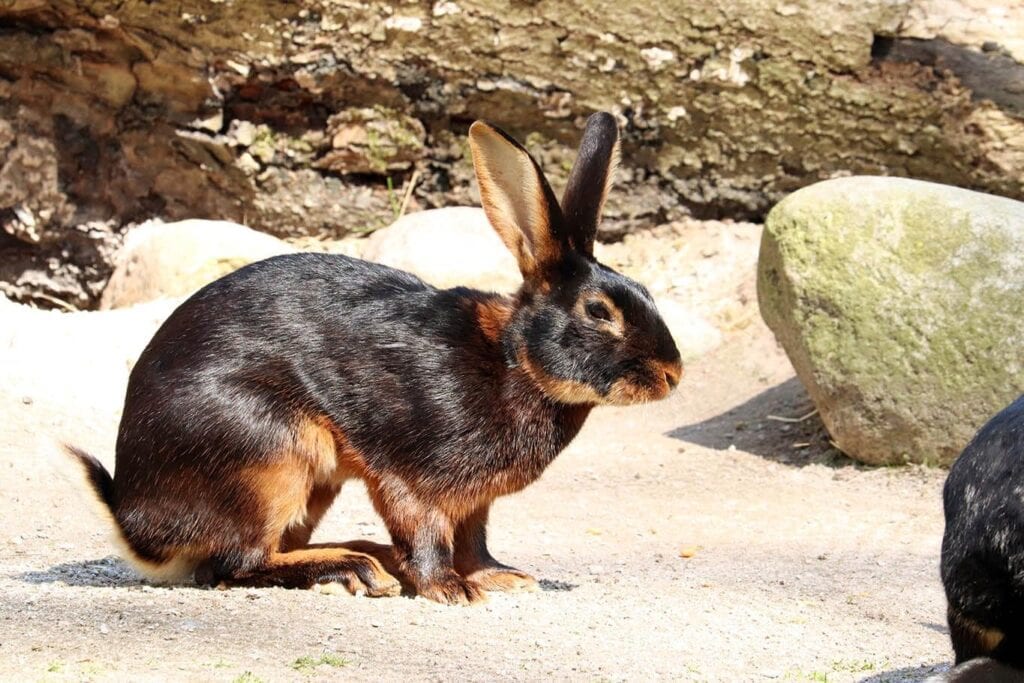
Full-arch rabbits like the Tan rabbit have a sharp rise that runs from their neck over the body, giving them a look like they’re ready to bolt. This body shape and position lends itself to the Tan rabbit’s speed and athleticism.
3. There Are Several Specialty Groups for Tan Rabbits
Tan rabbits are in demand and can be challenging to find, but there are special breed groups dedicated to them. The National Tan Rabbit Club in Great Britain and the American Tan Rabbit Specialty Club (ATRSC) both offer lists of club members that include breeders that may ship rabbits to buyers. Both organizations host rabbit shows as well.
Final Thoughts
Prized for its looks, the Tan rabbit is a stunning and athletic rabbit that’s popular for shows and as a pet. Though it’s not the cuddliest of rabbits, it does enjoy being part of the family and spending time with its owners and housemates. The biggest challenge with a Tan rabbit, besides sourcing one, is keeping up with its demanding exercise needs.
Sources
Featured Image Credit: Kuttelvaserova Stuchelova, Shutterstock
Get Hepper In Your Inbox


Pet care tips from our vets and experts, straight to your inbox.
You may opt-out at any time. View our Privacy Policy for more information.

Nicole is a lover of animals of all sizes but is especially fascinated with the feline variety. She’s the proud mom of Baby, a Burmese, and works every day so he can relax in the sunshine or by the fire. She’s always had a cat in her home and has spent countless days with others, observing behaviors and softening up even the grouchiest of the lot. Nicole wants to share her kitty expertise with you so you and your cat can live happy, healthy, and care-free.
Join the conversation
Ask a question, share your story, or send private feedback.