Hepper is reader-supported. When you buy via links on our site, we may earn an affiliate commission at no cost to you. Learn more.
What Can Pet Rabbits Eat? 4 Vet Reviewed Options


Rabbits can eat various foods, ranging from fruits to veggies to grasses. However, a rabbit should primarily consume hay, along with a smaller amount of fresh veggies and a limited number of pellets. These portions play a role in their health and shouldn’t be skipped.
Rabbits are herbivores categorized as grazers due to their continuous feeding habits. Their digestive system is complex and efficient, allowing them to process food effectively.
However, rabbits have specific dietary requirements, and introducing new foods too quickly or feeding inappropriate choices or amounts can disrupt the delicate balance of normal digestive bacteria. This can result in the growth of gas- and toxin-producing bacteria, potentially causing severe illness or even death for the rabbit.
Here’s a list of items that you can include in your rabbit’s diet:

The 4 Options for Feeding Rabbits
1. Hay
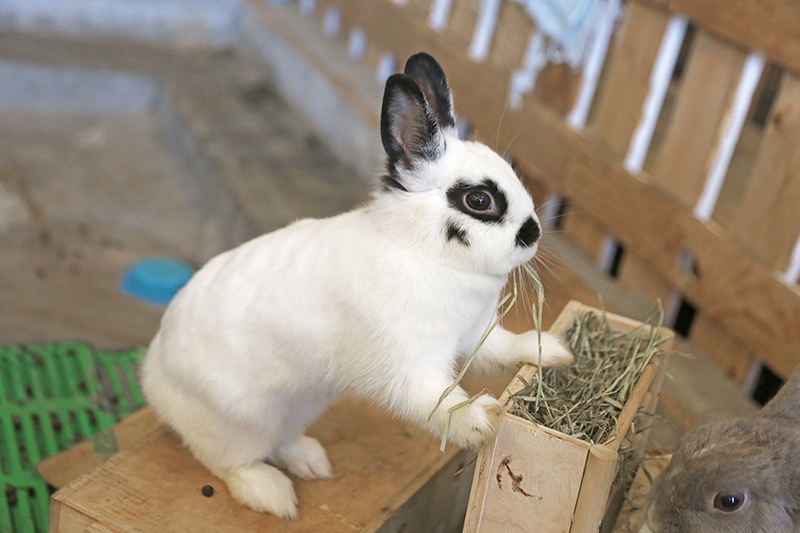
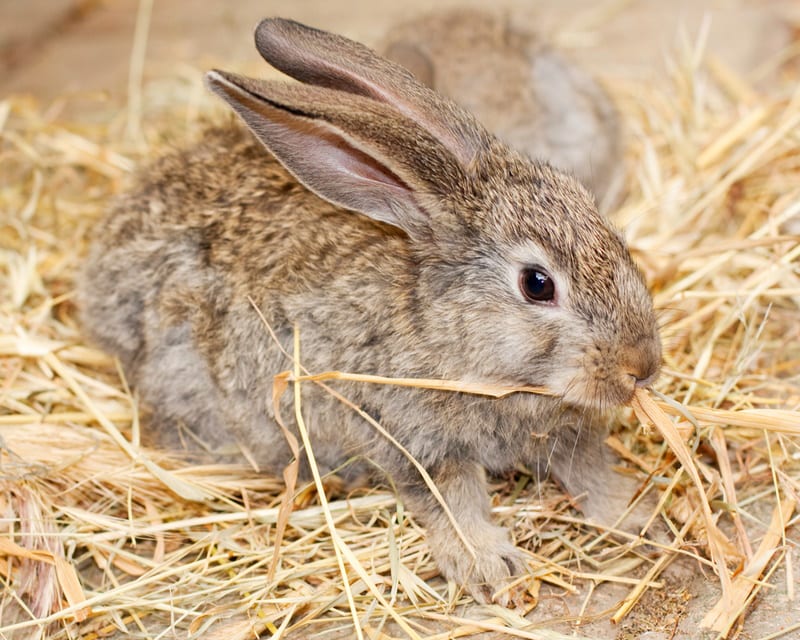
A rabbit’s daily diet should primarily consist of hay (85%), supplemented by a smaller portion of fresh vegetables (15%) and limited pellets (5%).1 The most crucial part of a rabbit’s daily intake is high-quality grass hay, such as Timothy, orchard, or brome, which should be provided in unlimited amounts.
Grass hay is an essential source of fiber that is crucial in maintaining a healthy digestive tract for rabbits.
Although young and growing rabbits can consume alfalfa grass hay, feeding adult rabbits primarily alfalfa hay is not advisable mostly due to its high protein content and somewhat due to the calcium content. Previously, it was believed that rabbits who consume too much calcium may be at risk of developing bladder sludge and/or bladder stones (urolithiasis) or other health issues.2 Bladder sludge is excessive calcium sediment in the urinary bladder that does not form a stone. However, multiple studies have now shown that there are several other contributing factors for bladder sludge and urolithiasis, such as reduced water intake, an insufficient amount of hay, obesity, reduced activity, or confinement to a small cage.3
High calcium diets do not cause the bladder sludge problem but may make it worse especially in already affected and obese rabbits, so particularly in these cases, avoid alfalfa or lucerne hays which are high in both calcium and protein and make sure you feed grass hay-dominated diets that are recommended for prevention of urolithiasis in rabbits.4
On the other hand, young and growing rabbits up to 7 months of age can benefit from alfalfa hay's high protein and calcium content to support their rapid growth and development. However, it’s important to gradually transition to grass hay as they reach adulthood to avoid overconsumption of nutrients that could lead to health issues and obesity. You should also make sure to ensure a daily source of fresh water and enough space for exercise.
We recommend speaking to your vet about how to keep your rabbit healthy and at a steady weight, as well as when your growing rabbit needs to transition from high-protein hay, as different breeds have different needs. It’s also essential to ensure that the alfalfa hay is of high quality and free from mold or dust to avoid respiratory or digestive issues for the rabbit.
2. Timothy Pellets
Timothy pellets are compressed feed made from timothy hay—grass hay commonly fed to rabbits. Pellets should make up no more than 5% of your rabbit’s daily food intake.
Timothy hay is high in fiber, low in protein, and low in calcium, making it a good choice for rabbits. Timothy pellets are made by grinding and compressing the timothy hay into small, uniform pellets that are easy to store and feed to rabbits.
Commercially produced timothy pellets are often used to supplement a rabbit’s diet to provide additional nutrients, such as vitamins and minerals, that may not be present in sufficient amounts in hay or fresh vegetables. However, feeding timothy pellets in moderation is important, as they should be the smallest component of a rabbit’s diet in order to avoid overfeeding, digestive and other health issues, and obesity. A medium-sized rabbit (5.5 lbs) can eat up to 60 grams of pellets per day, averaging 11 grams per pound.
Additionally, it’s important to choose high-quality timothy pellets free from added sugars or artificial preservatives. You may be surprised by how many artificially sweetened pellets are on the market. Muesli-style foods aren't recommended for rabbits as they can lead to digestive and dental issues.

3. Leafy Green Veggies
You should also supplement your rabbit with a range of leafy veggies, but ensure this makes up a maximum of 15% of their daily food intake. Rabbits eating lots of hay or grass might tolerate larger amounts of vegetables, but many can still develop diarrhea and signs of gut stasis even with a small, occasional piece of a vegetable. Gut stasis is a term that describes reduced or absent gastrointestinal motility and can be life-threatening in rabbits. It requires immediate veterinary attention!
Offering a diverse range of vegetables helps to ensure a balanced diet and provides a range of flavors and textures for your rabbit to enjoy. When introducing new vegetables, it’s important to start slowly and in very small quantities while monitoring for any signs of digestive upset, such as soft feces or diarrhea, belly distension, excessive gas, reduced appetite, or pain.
Of course, not all veggies are equally good for your rabbit. We recommend feeding these leafy green veggies in particular, but remember, always in small amounts:
- Asparagus
- Romaine lettuce
- Green beans
- Bok choy
- Mustard greens
- Cilantro
- Watercress
- Basil
- Kohlrabi
- Beet greens
- Broccoli greens
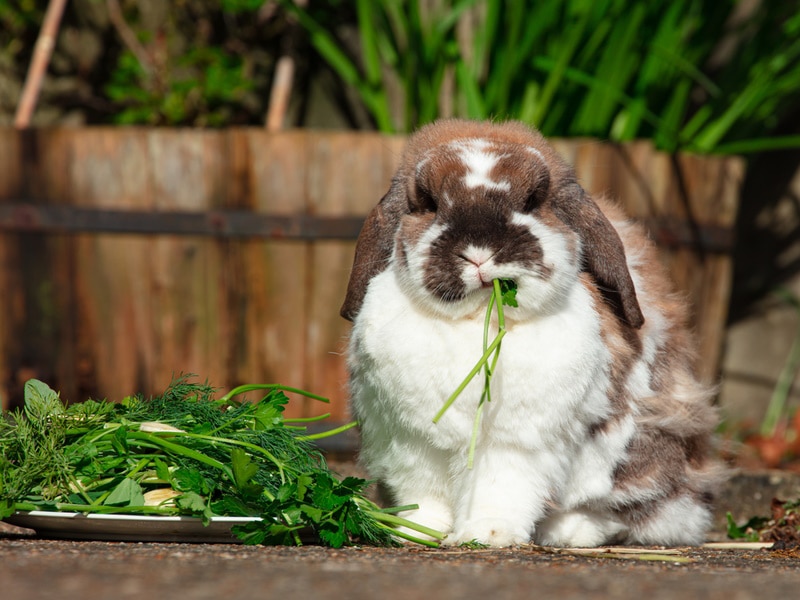
Some leafy greens, like dandelion greens, parsley, kale, Swiss chard, and escarole, should be fed in limited amounts, as they are high in calcium and may contribute to bladder sludge and stones if fed in excess, alongside other previously described risk factors. Iceberg or head lettuce mainly contains water and very few nutrients so should not be fed either. It is also better to combine many different vegetable choices in smaller amounts rather than feed a large amount of one particular vegetable.
4. Other Vegetables
On top of leafy veggies, rabbits can also consume a range of other vegetables, though they shouldn’t make up a huge portion of their diet. Together with leafy veg, they should make up only around 15% of their daily food requirements. Veggies that are high in carbohydrates, like carrots and potatoes, should be given only sparingly. A small piece (around one cubic centimeter) every other day or so is fine, but make sure you don’t overdo it. Here’s a list of veggies that you can feed your rabbit in moderation:
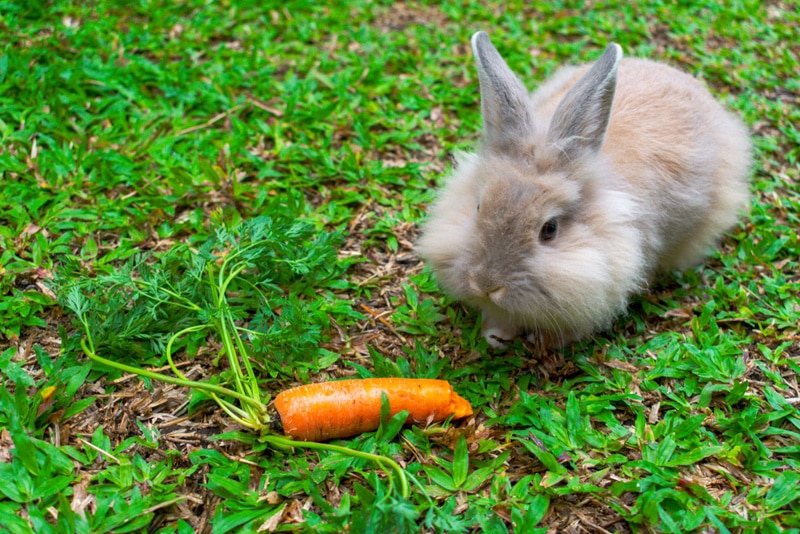
- Carrots: Although carrots (and carrot tops) are high in sugar and should be fed in moderation, they can be a great source of vitamin A.
- Bell peppers: Bell peppers are low in calories, but make sure to remove the core and seed before offering small amounts to your rabbit.
- Broccoli: Broccoli is high in fiber, vitamins, and minerals and can be a healthy addition to a rabbit’s mix of veggies. However, it should be fed in moderation as it can cause excess gas and digestive issues.
- Brussels sprouts: Brussels sprouts are a good source of fiber and vitamins. However, like broccoli, they should be fed in moderation due to their potential to cause excess gas and digestive issues.
- Celery: Celery is a low-calorie vegetable that can be a good source of vitamins and minerals for rabbits.
- Radishes: Radishes are crunchy vegetables that are also rich in vitamins and minerals.
Can Rabbits Eat Fruit?
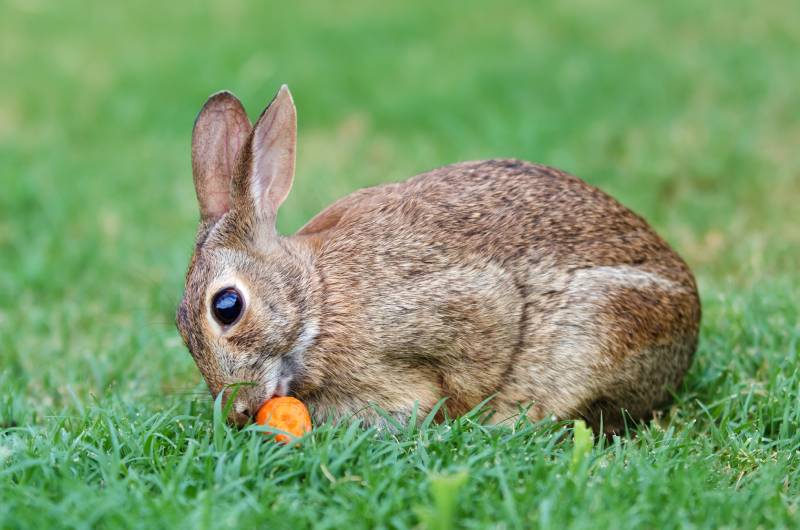
Rabbits can eat some fruit, but it should only be given as an occasional small treat. Fruits contain a lot of water and have a rather high sugar content, which can lead to digestive issues and obesity. Just like in humans, obesity can cause various health problems in rabbits.
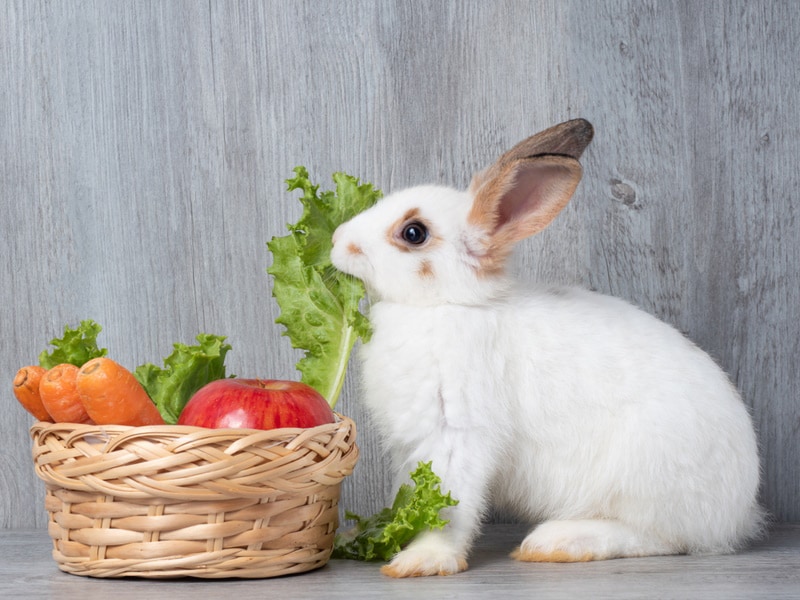
Fruits such as bananas, apples, and strawberries can be a healthy and tasty treat for rabbits, but they should be given in small quantities and not as a regular part of their diet.
When feeding fruit to rabbits, it is important to choose ripe fruits that are washed thoroughly to remove any pesticides or chemicals. Remove any seeds or pits that could be a choking hazard or toxic to rabbits. It is also important to remember that fruits should never replace hay, the most crucial component of a rabbit’s diet, and together with veg, fruits should make up no more than 15% of their daily food intake.

Final Thoughts
Rabbits can eat a range of different foods. However, hay should be their main diet choice due to the high fiber content, which is crucial for healthy digestion. You can feed many different types of hay, though you should avoid feeding adults alfalfa hay as it is too high in protein, which can lead to obesity, and it also contains a lot of calcium, which can worsen pre-existing bladder sludge and stone problems. While healthier and younger rabbits can use this calcium without a problem, it can cause health issues in older rabbits.
You can also feed your rabbit pellets, but they should only be a supplement to their usual hay. Excessive consumption of pellets can lead to obesity, as they are easier for the rabbit to eat. Veggies can be fed in moderation as long as they do not contain too much sugar. Preferably, stick to leafy greens that are rich in fiber, vitamins, and minerals and low in water content.
You can feed your rabbit some fruit, but only as an occasional treat. Otherwise, the rabbit may consume too much sugar, leading to obesity and digestive problems.
You Might Also Be Interested in: Why Is My Rabbit Not Eating? 6 Vet-Reviewed Reasons
Sources
Featured Image Credit: Julia Kuznetsova, Shutterstock
Get Hepper In Your Inbox


Pet care tips from our vets and experts, straight to your inbox.
You may opt-out at any time. View our Privacy Policy for more information.
Kristin is passionate about helping pet parents create a fulfilling life with their pets by informing them on the latest scientific research and helping them choose the best products for their pets. She currently resides in Tennessee with four dogs, three cats, two fish, and a lizard, though she has dreams of owning chickens one-day!
Join the conversation
Ask a question, share your story, or send private feedback.