Hepper is reader-supported. When you buy via links on our site, we may earn an affiliate commission at no cost to you. Learn more.
10 Types of Fish That Eat Duckweed (With Info & Pictures)
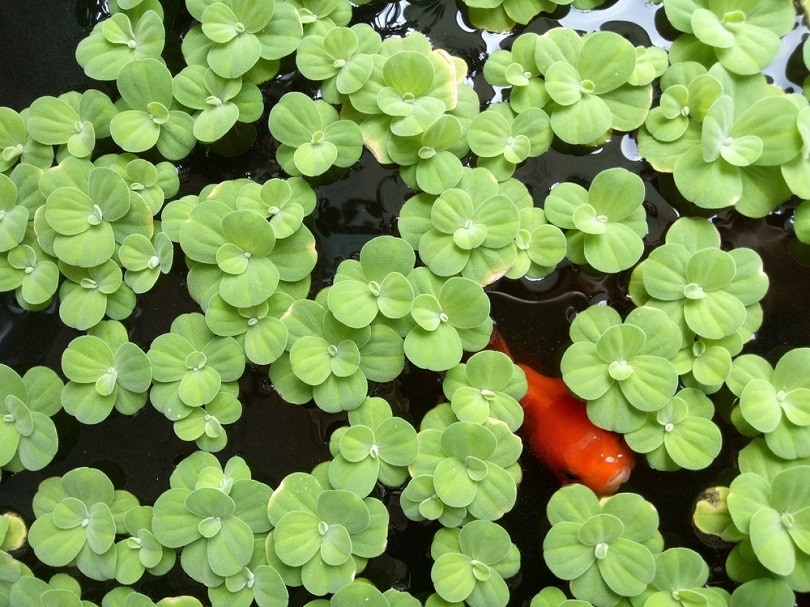
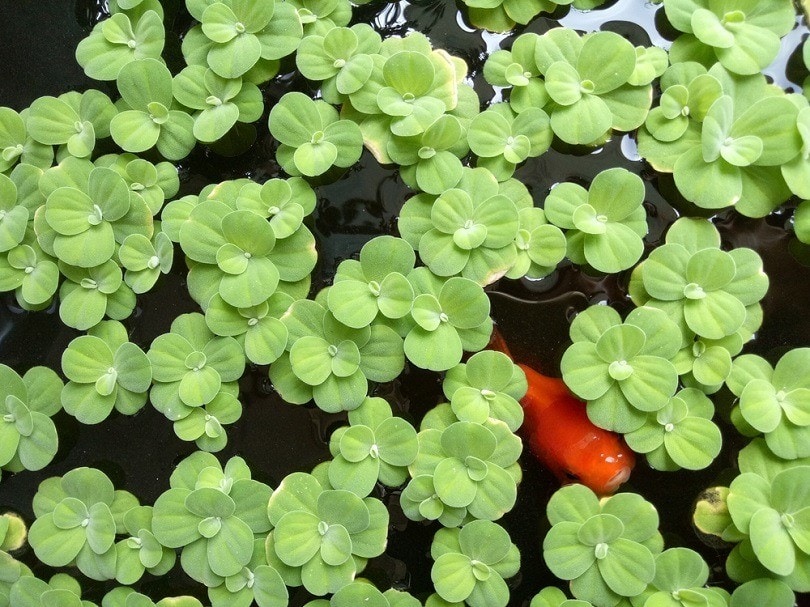
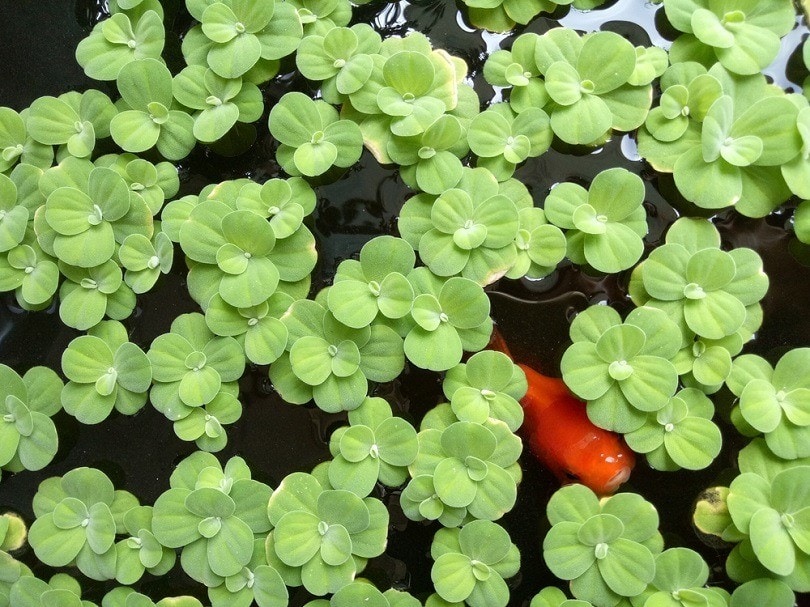
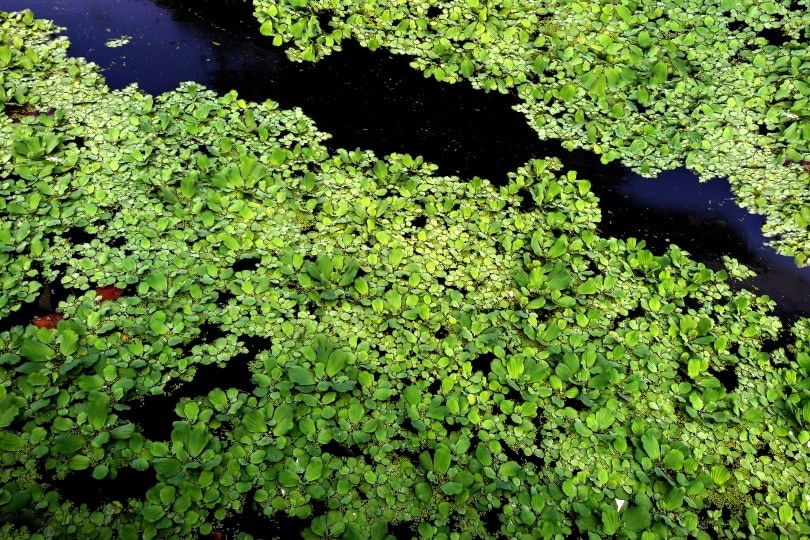
From a distance, you may notice duckweed on the surface of a body of water and think it’s algae. But this shady, flowering plant actually blocks much of the sun, limiting algae growth. You can find duckweed growing in slow-moving water. It grows fast and can overtake an area quickly, growing just beneath or at the surface of the water. There are no stems to weigh this plant down. Duckweed floats due to its fronds, or leaflike structures filled with air. In addition to being beneficial to aquatic habitats, this plant provides a nutritious food source for different types of fish.
Let’s take a look at the 10 different types of fish that love to make a meal out of duckweed.

The 10 Types of Fish That Eat Duckweed
1. Molly Fish
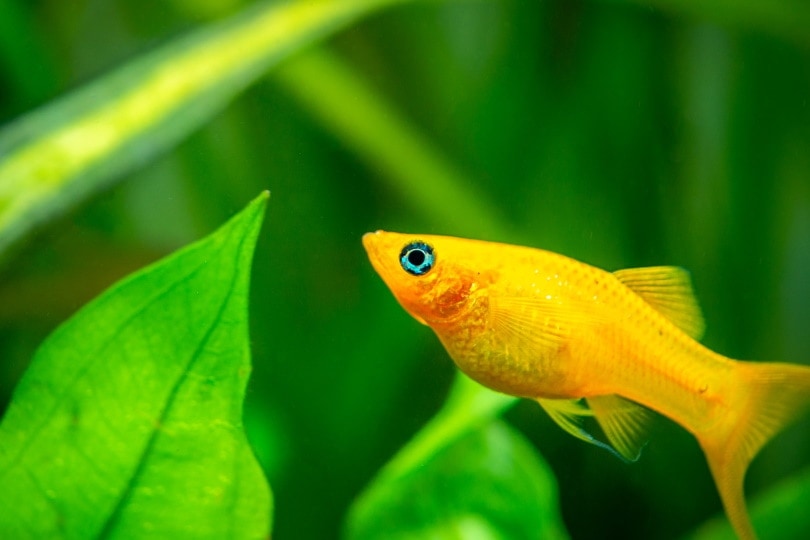
Molly fish have stocky bodies with pointed mouths. They come in a variety of different colors. They are top-feeders, and duckweed is a plant that grows near the surface of the water. To say that Mollies love duckweed is an understatement. These fish will clear the duckweed from their habitat in no time at all. In captivity, adding duckweed to a Molly's tank will keep them full and happy.
2. Bettas
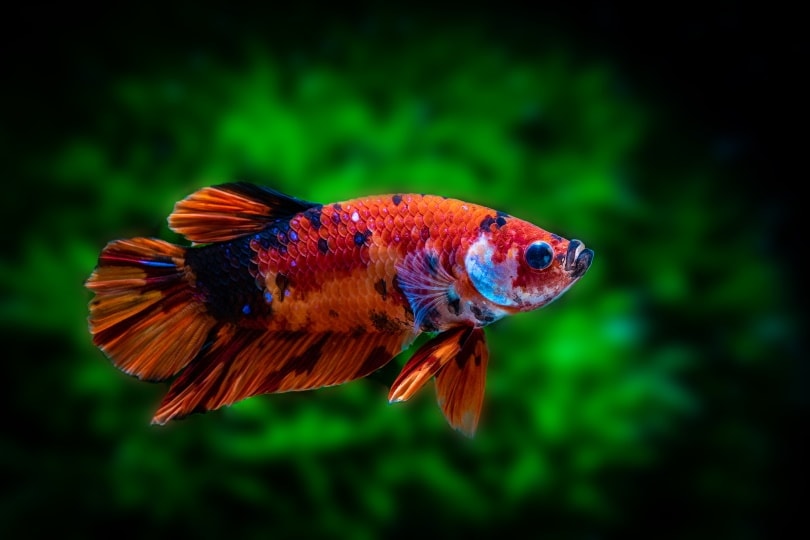
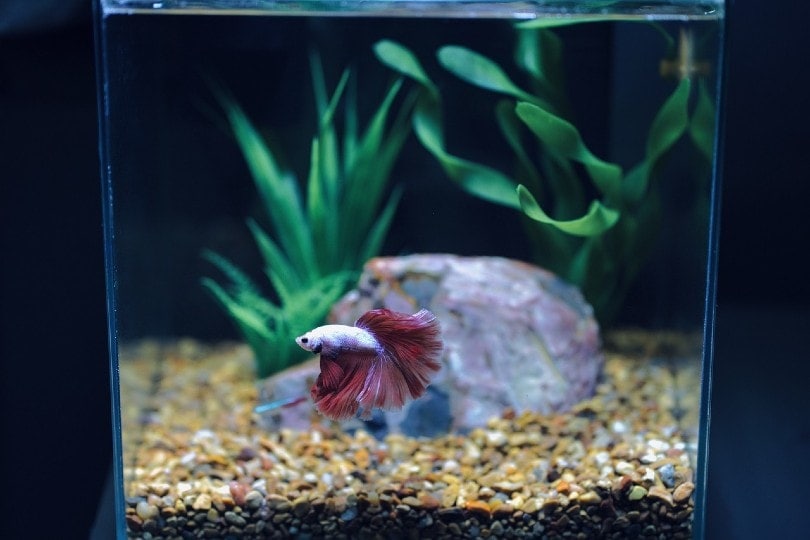
Bettas enjoy open areas with vegetation. They can live in small spaces, but that doesn't mean they enjoy it. A larger tank with plants for your Betta will make them the happiest. Bettas love duckweed for two reasons. First, it's tasty and provides them with the necessary nutrients. Second, the floating plant offers plenty of places for the fish to hide. Bettas like covered spots of low lighting when they're experiencing stress. This plant can overtake your Betta's home quickly, though, so keep it regularly confined and remove parts of it that are out of control. A plastic feeding ring can help keep duckweed from spreading too rapidly.
3. Loaches
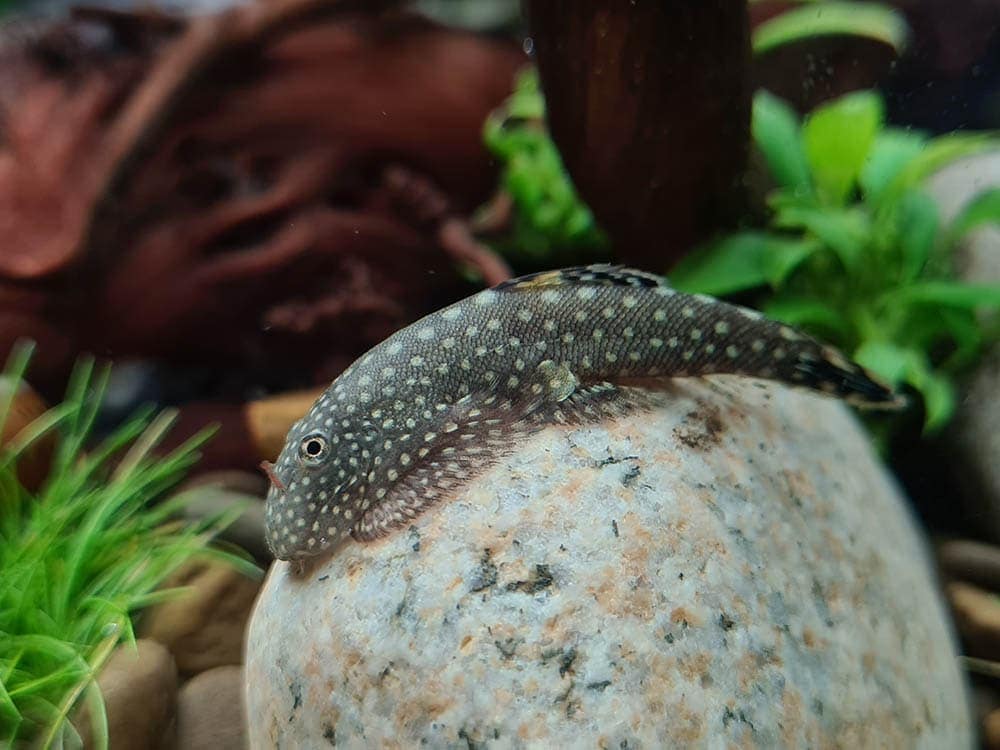
The loach is a fish that can benefit from duckweed in its tank. In addition to bloodworms, brine shrimp, and other meaty treats, this scavenger fish enjoys plant matter. If you add duckweed to their water, it will likely be gone quickly.
4. Goldfish
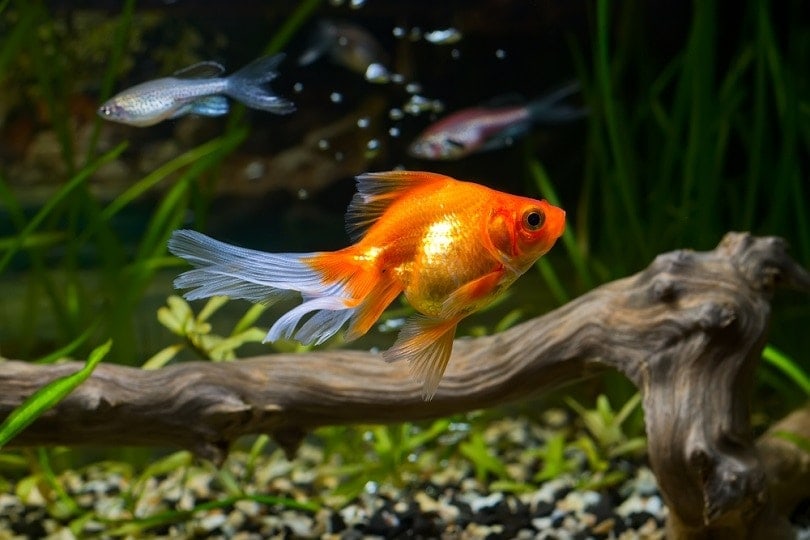
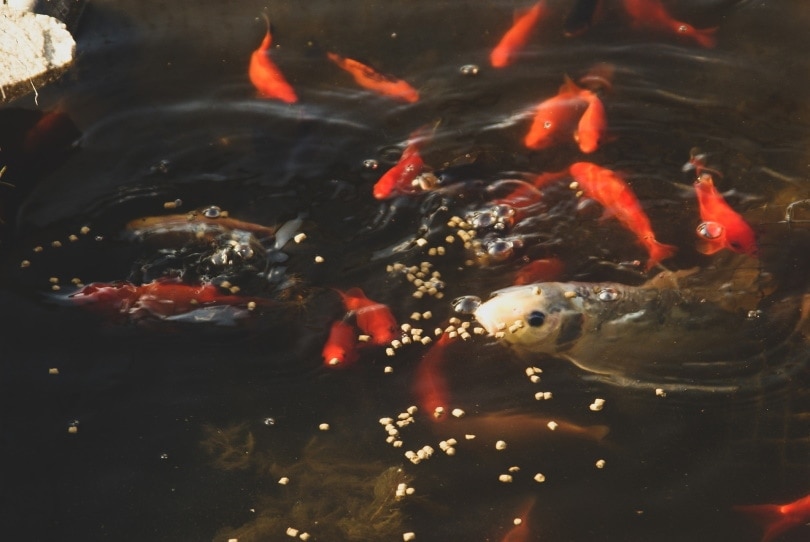
Goldfish are enthusiastic duckweed eaters and have been used to keep the duckweed spread down in some ponds. Due to duckweed’s ability to grow so quickly, you need to make sure it doesn’t overtake the tank. Excessive duckweed can lower the oxygen in the tank and become dangerous for your goldfish.
5. Tilapia
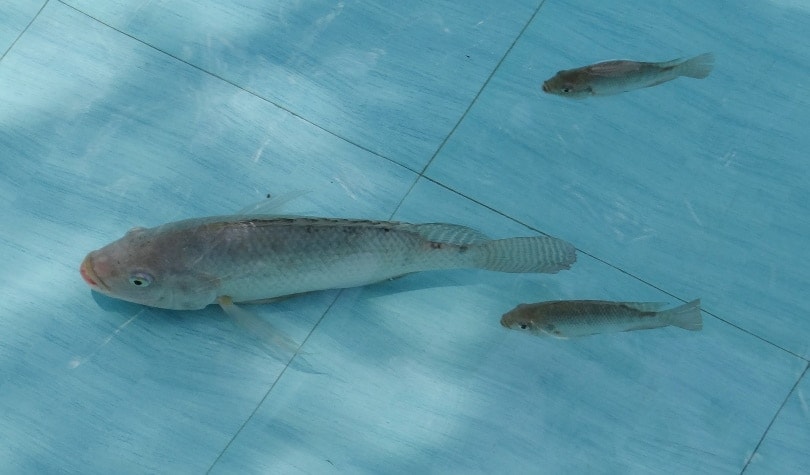
Tilapia love to eat plants, including duckweed. Farm-raised Tilapia are usually given a diet of commercial fish food mixed with duckweed. In the wild, they’ll eat algae, organic matter, other aquatic plants, and any duckweed they can find. Tilapia can survive on duckweed alone if they don’t have access to any other food.
6. Guppies
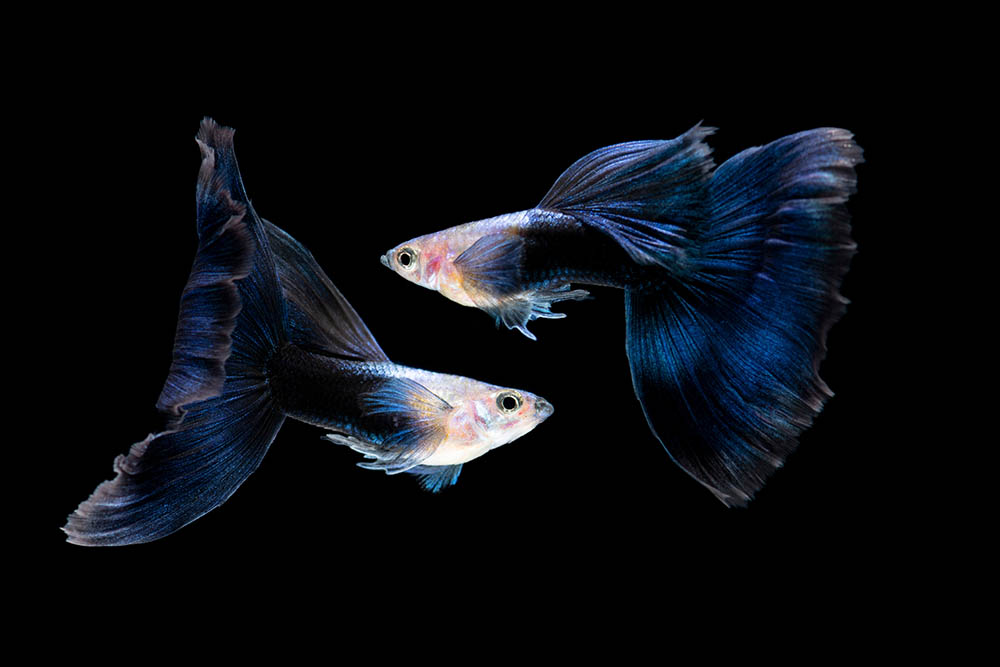
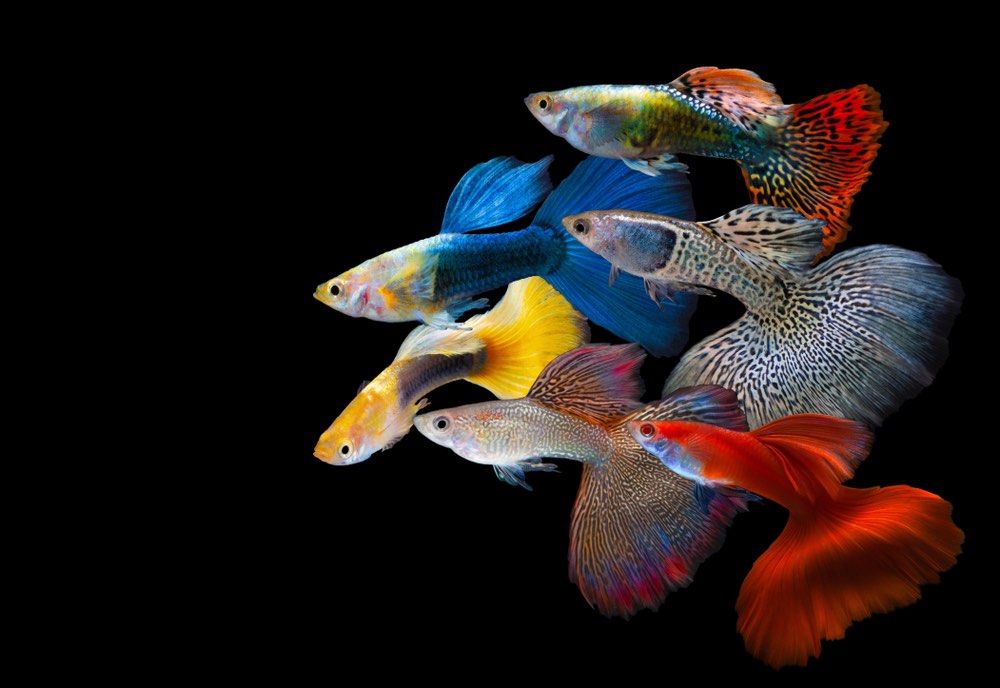
Providing high-nutrient food and a place for tiny guppies to swim through and hide, duckweed is a great option for their tank. Duckweed grows extremely quickly, sometimes doubling its size in just 24 hours. It's important to remove the excess plant material from the tank, so it doesn't deplete the water of all its oxygen. What can you do with all that extra duckweed? Prepare future food for your guppies! Blend the plant with brine shrimp, veggies, or insect larvae—anything your guppies love. Dry out the mixture and crush it into flakes, and you’ve got homemade guppy food!
7. Corydoras
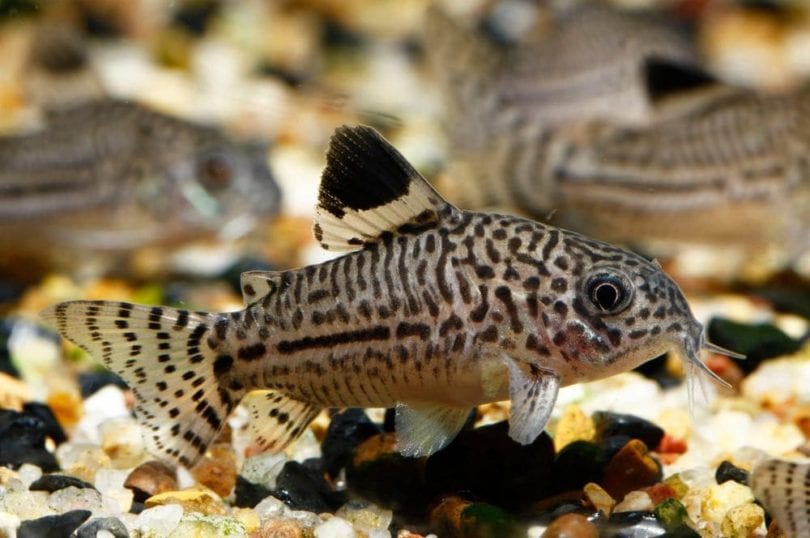
Have you noticed your Cory hiding when the light comes on? Corydoras are known to be sensitive to light exposure. Duckweed in their tank will help provide shade for them and give them places to hide. They also love feasting on this snack.
8. Koi
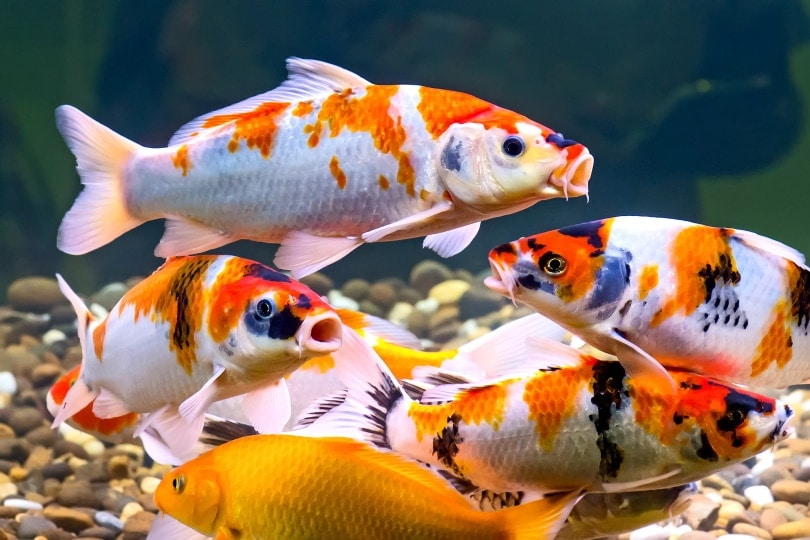
Adding duckweed to your Koi pond gives them a nutritious food source, shade from sunlight, and a cover that can hide the Koi from predators. Koi need other foods in order to have a balanced diet, but they enjoy duckweed very much. Usually, they can keep the growth from getting out of control, but you should always keep an eye on this plant's ability to multiply. Don't let the duckweed take over and block all their light and deplete their oxygen.
9. Grass Carp
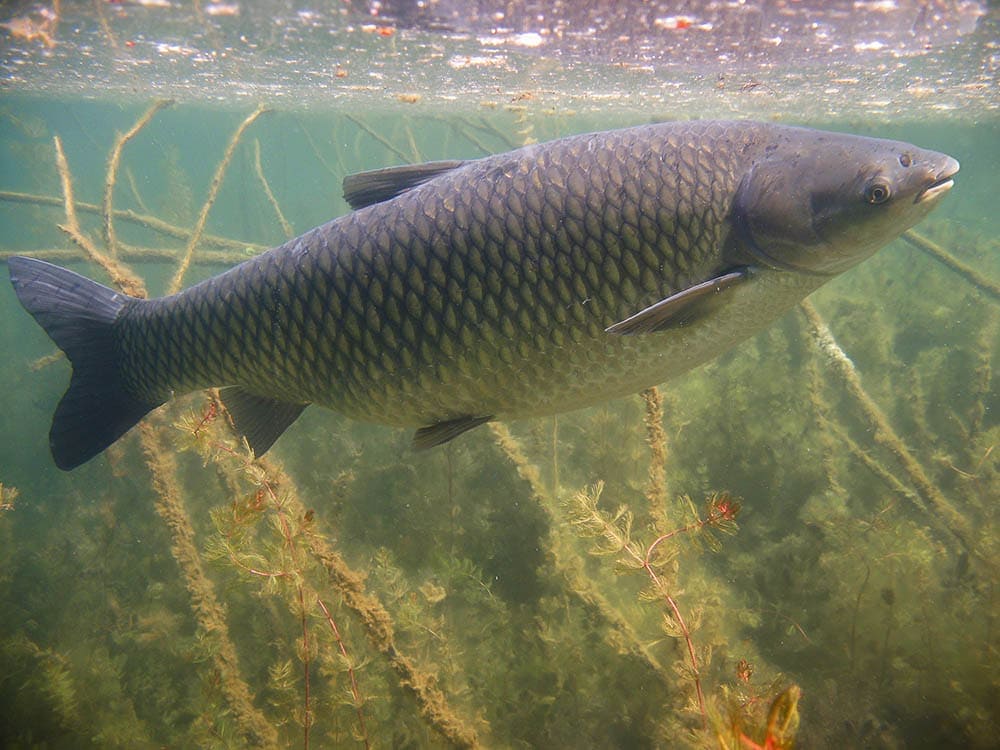
Grass Carp enjoy submerged, small-leaf pondweeds. They can easily control an overgrowth of duckweed. These fish were brought to the United States to control the growth of aquatic plants in large bodies of water. They have teeth and digestive tracts that are designed specifically to eat and digest plant matter.
10. Cichlids
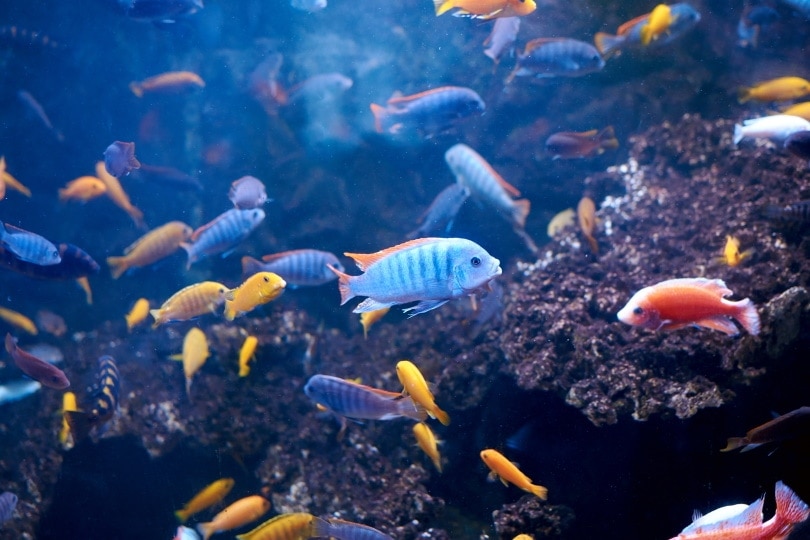
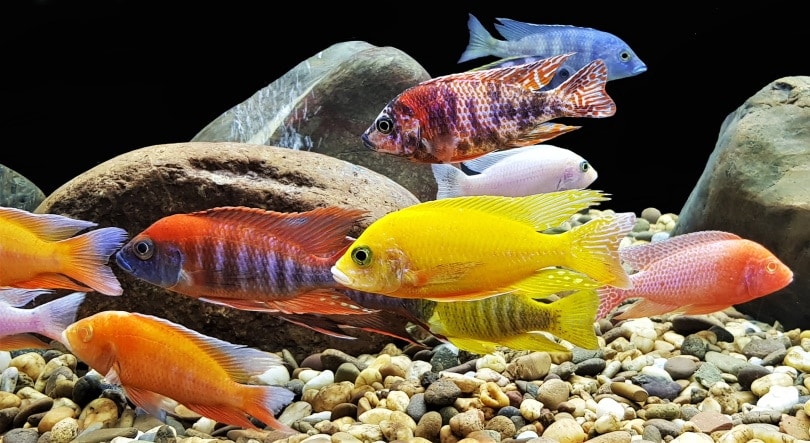
Cichlids prefer a warm water temperature, and duckweed can grow at any temperature that isn't extreme. Freezing or scorching water won't work, but the warmth of Cichlid water can be just right. Most Cichlids will happily and eagerly eat duckweed.

Who Else Eats Duckweed?
As the name implies, ducks love to eat duckweed! Duckweed serves as food for many other animals, including livestock. In some areas, people eat it too. Ducks, geese, birds, small mammals, and reptiles enjoy feasting on this floating plant. There's usually plenty of it to go around because it multiplies so fast. Just a little duckweed can double in size in 24 hours.
Beavers, mice, and woodchucks can eat duckweed. Turtles, snakes, and frogs will eat a little duckweed, but it's not a huge staple in their diets. This plant is used in feed for livestock because it's high in protein and grows so fast. It's easy to acquire and provides plenty of nutrients. As a virtually free source of food, farmers have started growing duckweed to harvest and turn into feed for their animals.
Mosquitos
In some parts of the world where mosquitoes are spreading diseases like malaria, yellow fever, and zika, duckweed can be used as a natural pest control. Mosquitoes lay their eggs on the water’s surface. When duckweed covers the surface of a body of water, it blocks the mosquitoes from being able to do this, preventing any egg-laying. Fewer mosquitoes mean fewer chances of diseases spreading. Controlling the mosquito population is a huge benefit of duckweed.
What Does Duckweed Taste Like?
With duckweed being such an important food source for so many different animals and people, a duckweed farmer wondered how it tasted. After eating some of it, she reported that it tasted similar to watercress, sort of peppery and tangy. Maybe we'll see duckweed salads on menus soon!
Conclusion
Duckweed is either considered a nuisance or a valuable source of food, depending on where it's located. In open bodies of water, it can be hard to control because of its extremely fast growth rate. It can easily take over your fish tank or aquarium if you don't take steps to control it. Too much duckweed can also deplete oxygen levels in the water and cause problems for your fish. It can inhibit the growth of any other aquatic plants that you have by robbing them of essential nutrients. But if duckweed growth is managed, it can provide a good food source for your fish and help control algae growth. It's a fine line, but duckweed can be an asset to your fish if you don't let it overtake the tank.
Featured Image Credit: Sorakrai Tangnoi, Shutterstock
Get Hepper In Your Inbox


Pet care tips from our vets and experts, straight to your inbox.
You may opt-out at any time. View our Privacy Policy for more information.

Lindsey discovered her passion for fish keeping after a junior high school field trip to the Shedd Aquarium in Chicago. Prior to becoming Editor-in-Chief of It's a Fish Thing, Lindsey studied marine biology at the University of California-Santa Cruz. She loves goldfish, tetras, and mystery snails, and recently began experimenting with a saltwater aquarium.
Join the conversation
Ask a question, share your story, or send private feedback.