Hepper is reader-supported. When you buy via links on our site, we may earn an affiliate commission at no cost to you. Learn more.
4 Reasons Why Your Cat is in Heat So Much — What Science Has to Say


In this article
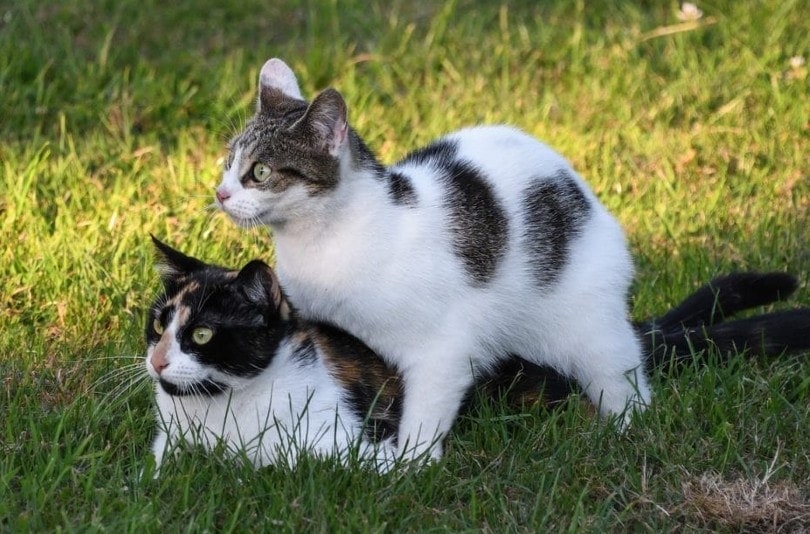
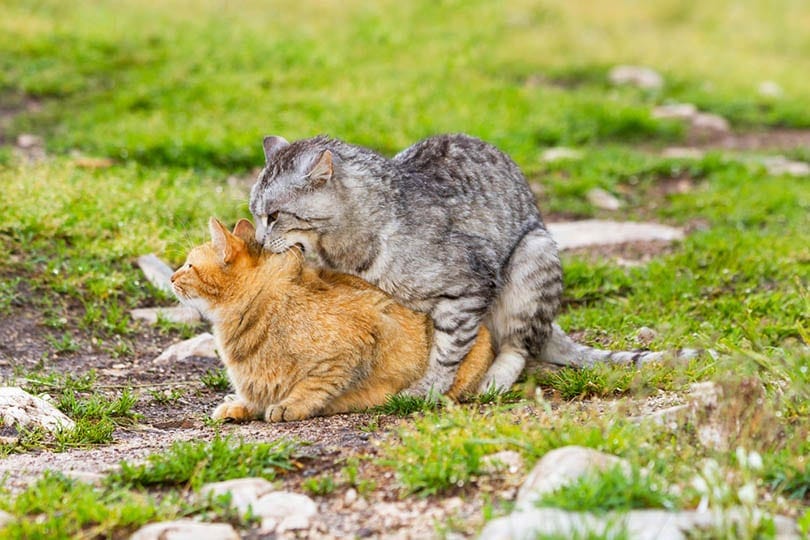
In the feline world, female cats have a way of letting the males know that they are ready for mating. You may notice changes in behavior, such as restlessness, increased affection, making funny sounds, and constantly attempting to escape outdoors. Your cat may be in heat, which means they are fertile and ready for mating. Cats in heat will instinctively attempt to mate with cats of the opposite sex nearby.
But what if your cat is exhibiting this behavior more often than what seems normal? Before getting into the most common reasons, we must first understand the normal heat cycle in a cat’s life.

The Normal Heat Cycle
Female cats will naturally go through the heat cycle, typically every 2–3 weeks, with the entire cycle lasting for about 3 weeks. This can occur year-round, but occurs more often during warmer months of spring and summer with longer day lengths.
A fertile cat going through the cycle is called a queen. The queen will undergo different stages of their normal cycle, including estrus, which is when a cat is in heat.
Proestrus
The normal cycle begins with proestrus, wherein the female attracts the male, but shows no signs of heat yet. This stage typically lasts about 1–2 days.
Estrus
Estrus is when the queen is ready for mating and begins to exhibit signs of heat. During estrus, the female is receptive to mating and unlike many other mammals will ovulate after mating. The queen can also mate with different males during a heat cycle, resulting in a litter of kittens with different fathers. Estrus can last anywhere from 1–7 days.
Diestrus
If the queen does indeed get pregnant, the diestrus stage is when the queen’s fertilized eggs develop into embryos and eventually kittens.
Interestrus
If the queen does not get pregnant, then interestrus is the stage that follows estrus. This is the stage in between heats, in which the queen will display no signs of being in heat before repeating the cycle again in about 1–3 weeks.
Anestrus
Anestrus is the stage when the queen is reproductively dormant, during which her hormones are inactive. Anestrus typically occurs when the cat is not in season, due to the limited amount of light they are exposed to.
Signs of Being in Heat
When your cat goes into heat, they will experience several changes in behavior. Here are a few changes to look out for, so that you will know if your cat is in heat:
- Excessive noise-making and yowling
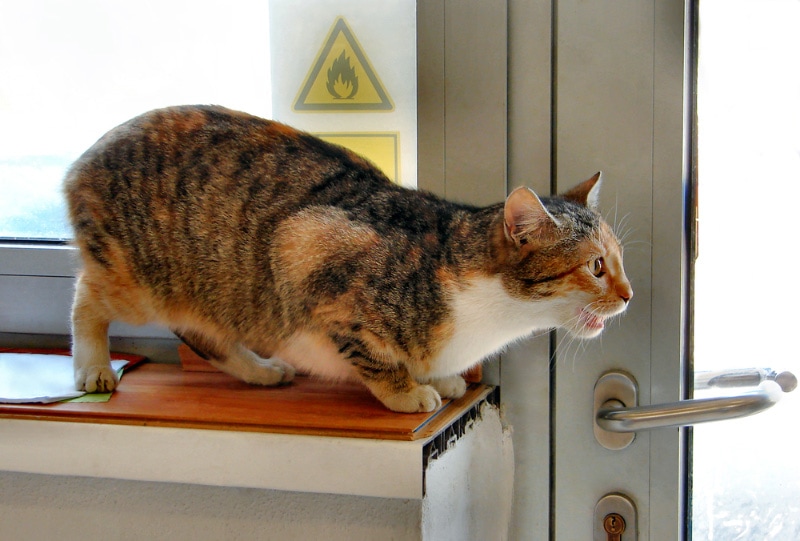
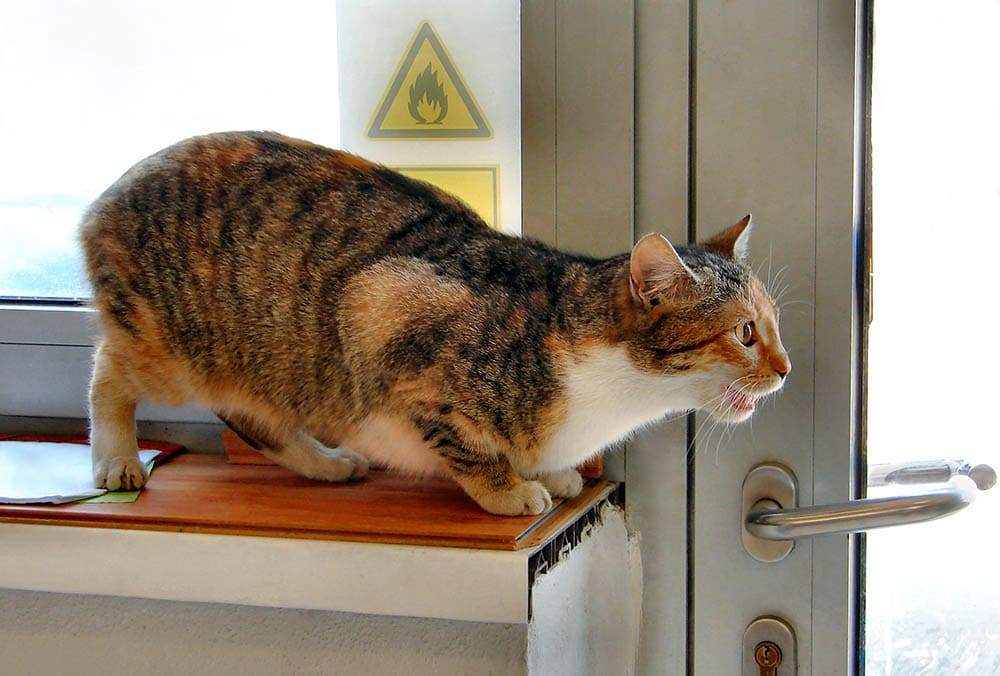
- Restlessness (e.g. trying to go outdoors)
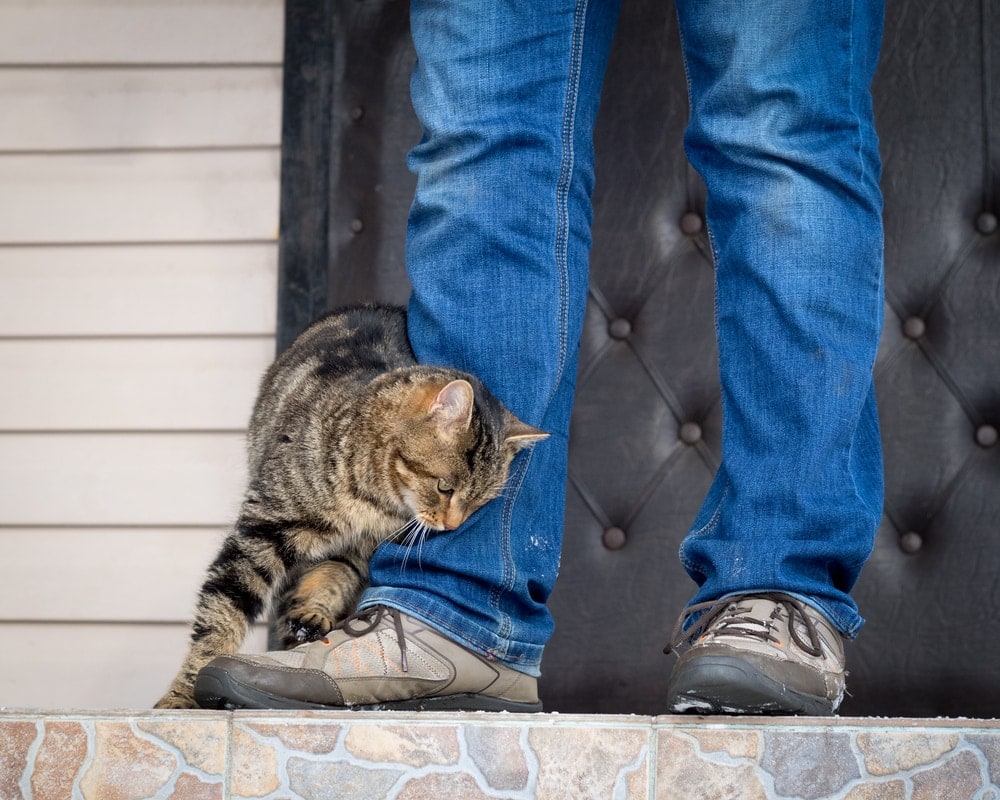
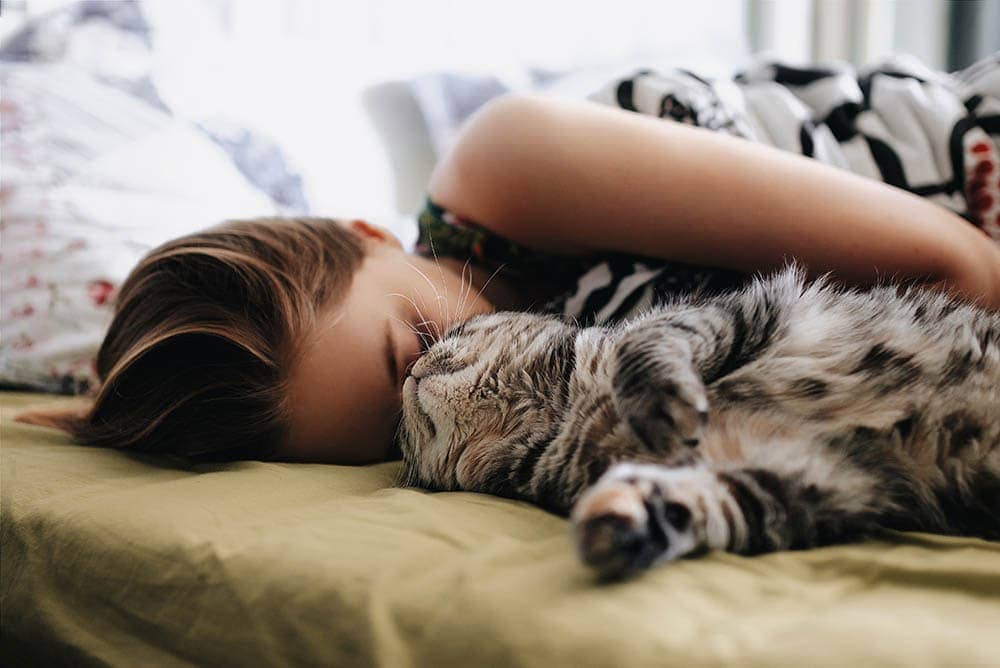
- Increased affection
- Increased marking of territory
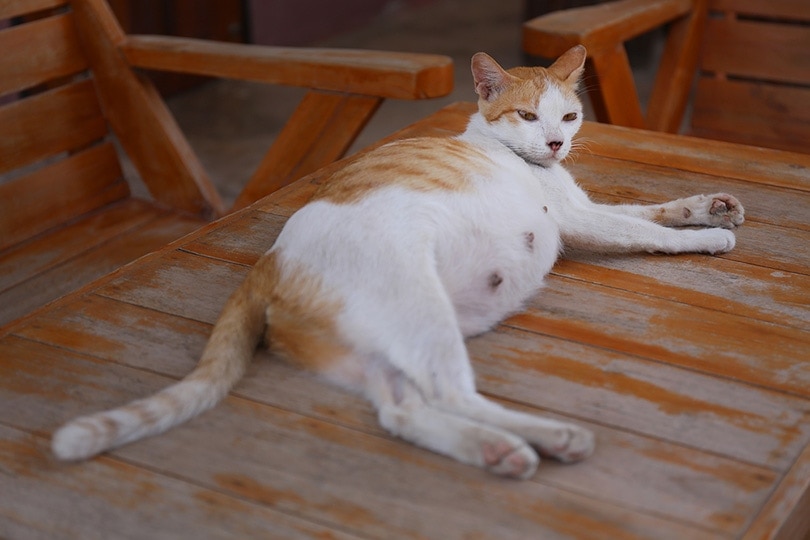
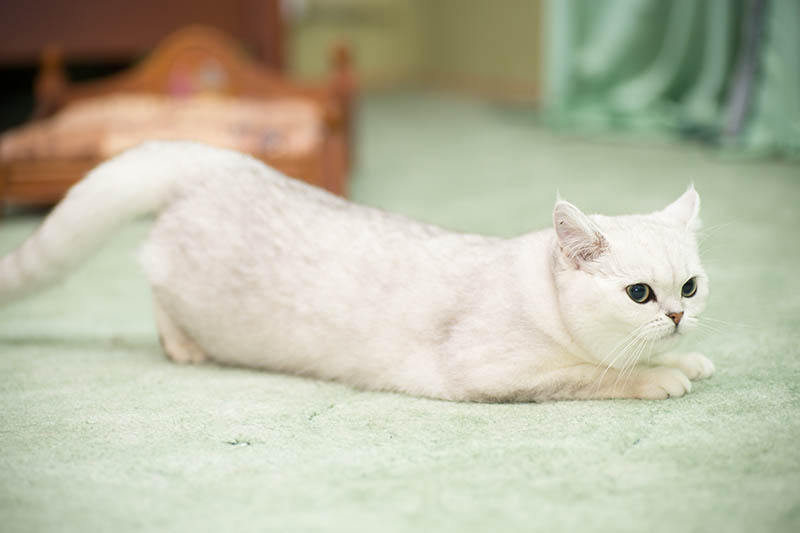
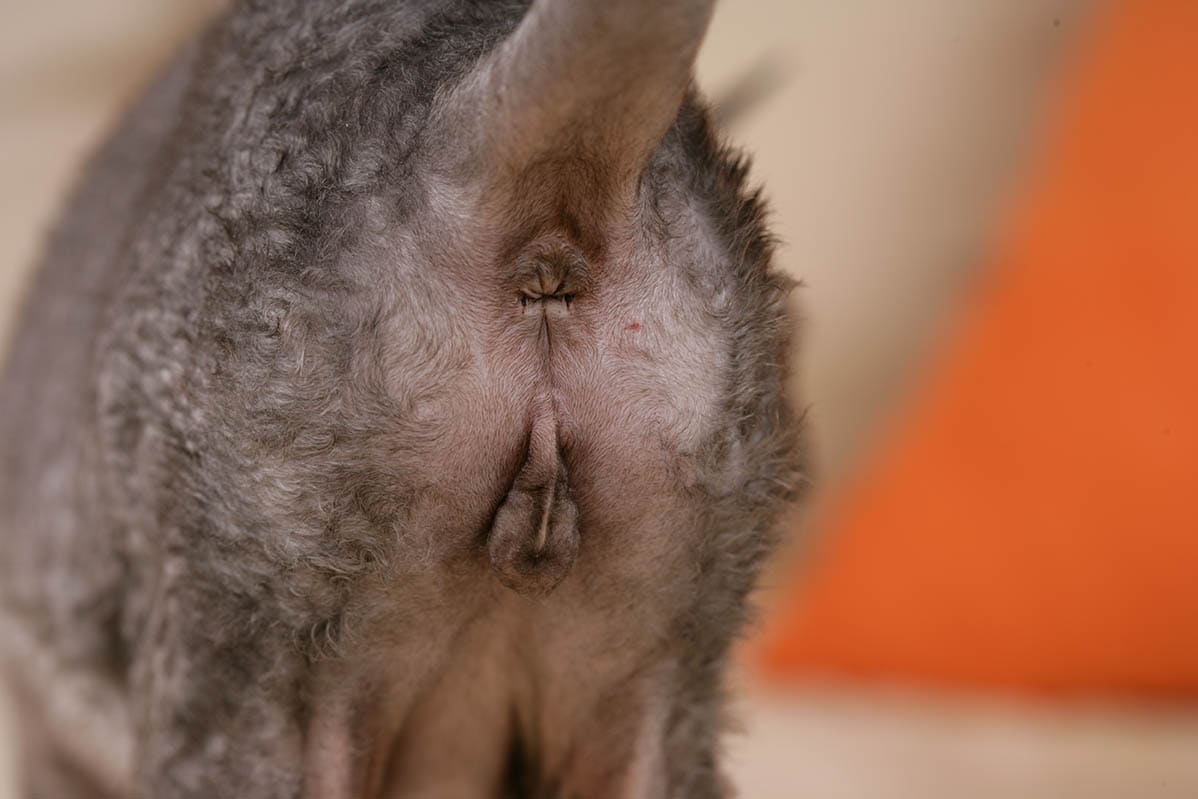
- Exposing genitalia by raising the posterior and moving their tail to the side
- Increased grooming of genitalia
Why Cats Can Go Into Heat Often
There are three reasons why cats can continuously go into heat. While one of these is a normal physiological response, two common medical conditions can cause an abnormal, continuous secretion of estrogen—causing female cats to go into heat more often than normal. This can lead to persistent estrus in cats, increasing the frequency and length of being in heat.
Below are the reasons cats can go into heat more often than normal::
1. Your Cat is “In Season”
Cats can get into estrus more often when they are “in season”, meaning the season is optimal because of the environmental factors conducive for mating. The weather conditions during spring and summer seasons are said to be the best for the estrus phase due to factors including temperature, amount of light exposure, and access to potential mates outdoors.
This is a normal physiological response and is not a cause for alarm. As cat parents, it is important to understand when your fur baby is “in season” and “not in season”, and to take the necessary precautions that are best for your cat.
2. Ovarian Cysts
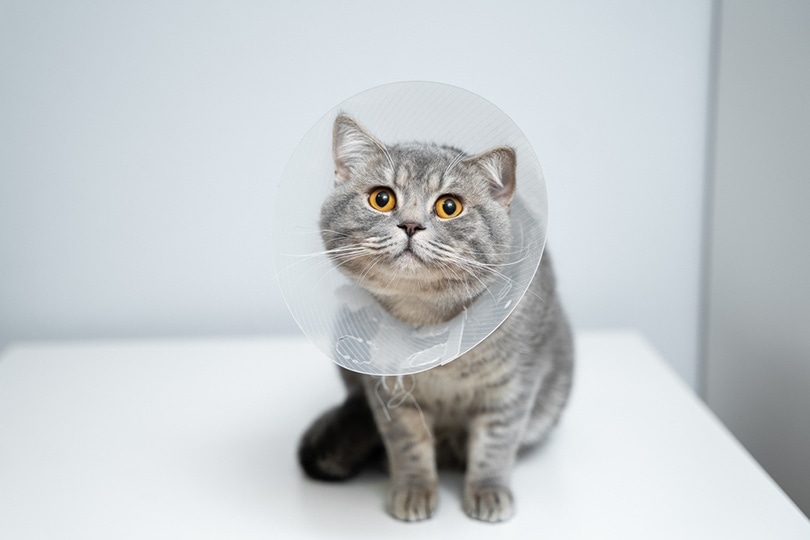
Follicular ovarian cysts are benign sacs filled with fluid and can be easily removed with surgery. Follicular ovarian cysts form when the ovarian follicle fails to ovulate. They continue to produce hormones and hormonal changes of estrus. But should your cat with ovarian cysts experience continuous issues with their hormones, or if you find them in persistent estrus, then you can consider having them removed via surgery.
3. Ovarian Remnant Syndrome
It is possible for a cat that has been spayed to show signs of estrus. This can happen if some ovarian cells or tissue are left behind during surgery, or if extra ovarian tissue than is normal is present. Contact your veterinarian if your cat is showing signs of estrus despite already having been spayed.
4. Ovarian Tumors
Ovarian tumors are rare in cats and can be either benign or malignant. They are usually more serious than the benign cysts previously discussed. Rarely ovarian tumors stem from the abnormal growth of cells in the ovary, causing the excessive secretion of estrogen, which can result in persistent estrus in cats.
As cat parents, it is important to look out for symptoms of ovarian cancer. Aside from persistent estrus, you should contact your vet if your cat exhibits the following:
Should you suspect any signs or symptoms that point toward ovarian cysts and tumors, consult with your veterinarian right away. Your cat being in heat too often may be a sign of something more serious and could potentially save their lives.\
What Can You Do?
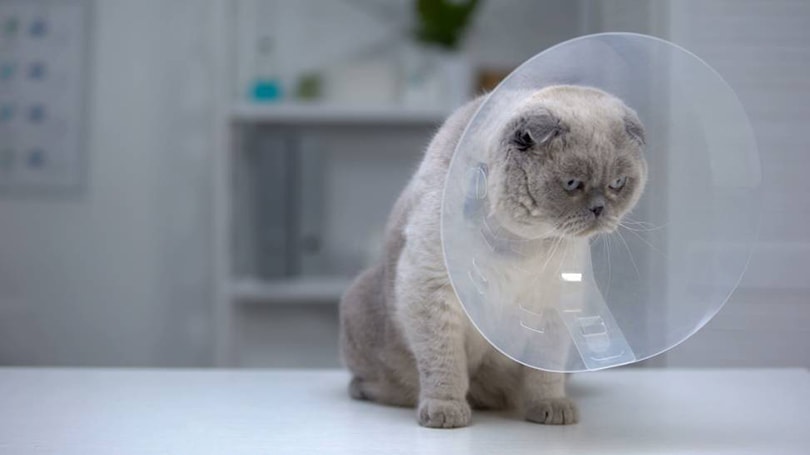
If you observe your cat to be in constant heat, the first thing to do is to make an appointment with your veterinarian. Your veterinarian will ask about your cat’s history and will suggest a series of tests, such as physical examination, blood testing, urinalysis, ultrasound and other laboratory work. Basically, all these tests will help your veterinarian diagnose your cat and find out why she is in heat all the time.
If a cyst or tumor is found, your veterinarian will thoroughly explain the implications, risks, and specific plan of action that can be taken for your cat and their diagnosis.
Preventing Heat and Unwanted Pregnancies
Cats can become sexually mature as early as 4 months of age, and early spaying can prevent any unwanted pregnancies, especially at a young age. The surgical spay procedure usually removes the ovaries and uterus thus preventing cysts and tumors in the ovary. Spaying is performed to prevent your cat from going into heat and becoming pregnant.
How to Deal with Your Cat in Heat
When your cat is in heat, it can be difficult to handle due to their changes in behavior. Because of this, it is important to spend more time with your cat. They need extra affection, so gentle brushing and more play time can help calm their restlessness and excessive yowling.
You will also have to deal with their urge to go out. It is recommended to secure the perimeter to prevent any unwanted mating with other cats that they can attract outdoors. You will also have to deal with the excessive markings, such as peeing and pooing, and cleaning up after them.
Conclusion
For female cats, going into heat is normal in their lives. Understanding the normal cycle will help us also understand what is abnormal. If you think your cat is undergoing extensive estrus, or heat, it is recommended to consult with your veterinarian immediately, as this may be a sign of something more serious.
Featured Image Credit: Peredniankina, Shutterstock
Get Hepper In Your Inbox


Pet care tips from our vets and experts, straight to your inbox.
You may opt-out at any time. View our Privacy Policy for more information.
Nicole is a lover of animals of all sizes but is especially fascinated with the feline variety. She’s the proud mom of Baby, a Burmese, and works every day so he can relax in the sunshine or by the fire. She’s always had a cat in her home and has spent countless days with others, observing behaviors and softening up even the grouchiest of the lot. Nicole wants to share her kitty expertise with you so you and your cat can live happy, healthy, and care-free.
Join the conversation
Ask a question, share your story, or send private feedback.