Hepper is reader-supported. When you buy via links on our site, we may earn an affiliate commission at no cost to you. Learn more.
Will Spaying Calm a Female Cat? Vet-Approved Facts & Health Benefits


In this article
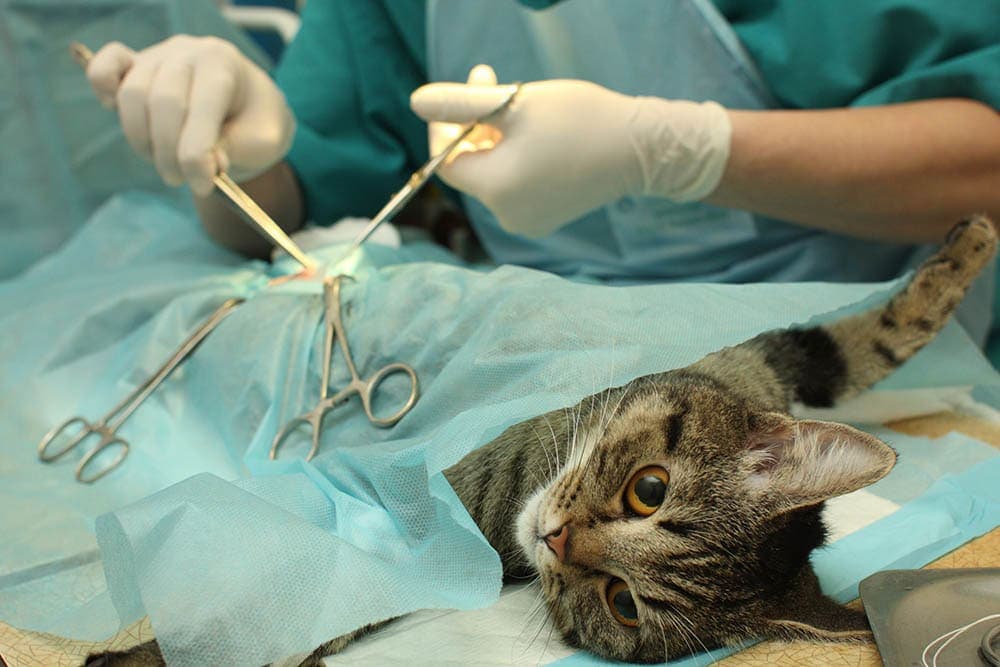
Spaying cats is a veterinarian-recommended procedure for several significant reasons. It helps reduce the number of stray cats that end up in animal shelters, it can also protect your cat from developing certain illnesses, and it has been proven to increase cats’ lifespans.
Spaying can also influence a cat’s behavior. Spayed cats don’t have their hormone-driven behavior, and they won’t spray their scent or be vocal when searching for a mate. Female cats tend to behave calmer in this sense once they have been spayed. Here’s everything you need to know about how spaying will affect your cat.

Behavioral Effects of Spaying a Cat
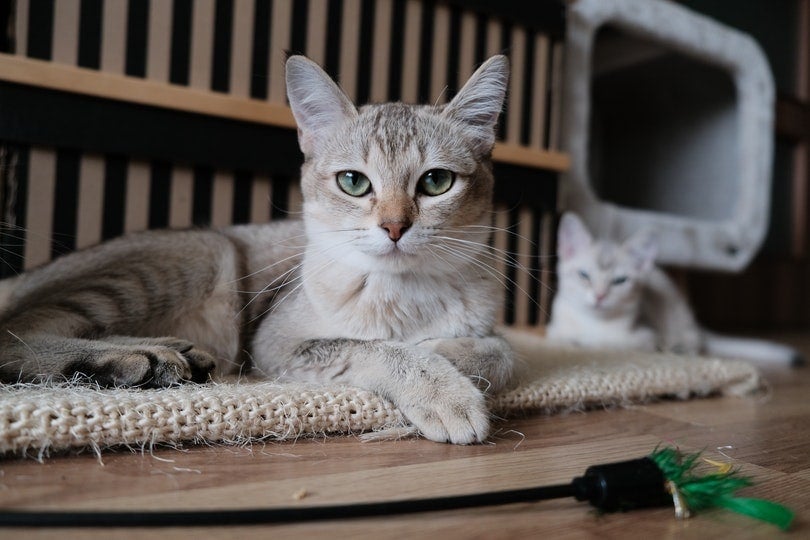
Spayed cats are often calmer than their non-spayed counterparts because they’re not driven by their reproductive hormones. When female cats are in heat, they will become restless because they’re searching for a mate. They can also feel anxious and become more prone to feeling irritable.
If you have multiple cats in your home, an unspayed cat can act more territorial because she wants to secure a mate for herself. She can also become very loud to attract a mate.
Cats have multiple cycles during the breeding season. Some cats may go through heat cycles all year round, depending on geography and environmental factors. In the Northern Hemisphere, most cats cycle between early spring to late fall. A full estrus cycle can range from 1-6 weeks, with 3 weeks being the average length of a cycle. Cats can be in heat for about 6 days. Therefore, depending on your cat, you can experience heat-driven behaviors every couple of weeks.
Why Does a Spayed Cat Act Like She’s in Heat?
On very rare occassions, spayed cats can still display behaviors of when cats go into heat. Oftentimes, these behaviors are due to ovarian remnant syndrome. Ovarian remnant syndrome occurs when a functioning piece of ovarian tissue remains in your cat after surgery.
The ovarian tissue will release estrogen, which triggers your cat to go into heat. Depending on your cat’s condition, this ovarian tissue can cause mating behaviors on your cat’s next estrus cycle or months after surgery.
If you suspect that your cat has ovarian remnant syndrome, there are several tests that your veterinarian can conduct to confirm it. Common testing methods include vaginal cytology, ultrasounds, and hormone stimulation tests.
Cats with ovarian remnant syndrome must have the ovarian tissue surgically removed. It’s best to remove the tissue during your cat’s heat cycle because it’s easier to spot the tissue during this time.
Cats that don’t get the remaining tissue removed will have the same health risks as unspayed cats.
Unspayed cats are susceptible to the following diseases and illnesses:
Other Benefits to Spaying a Cat
Along with having a calmer, non-sex-hormone-driven cat, spaying can lead to many other benefits for cats.
Increased Friendliness
Since spayed cats don’t feel the need to secure a mate, they tend to be friendlier to other cats because there’s no competition to mate. If you live in multi-cat or multi-pet households, a spayed cat will have a better chance of adapting to living with other animals.
Less Abandoned Kittens
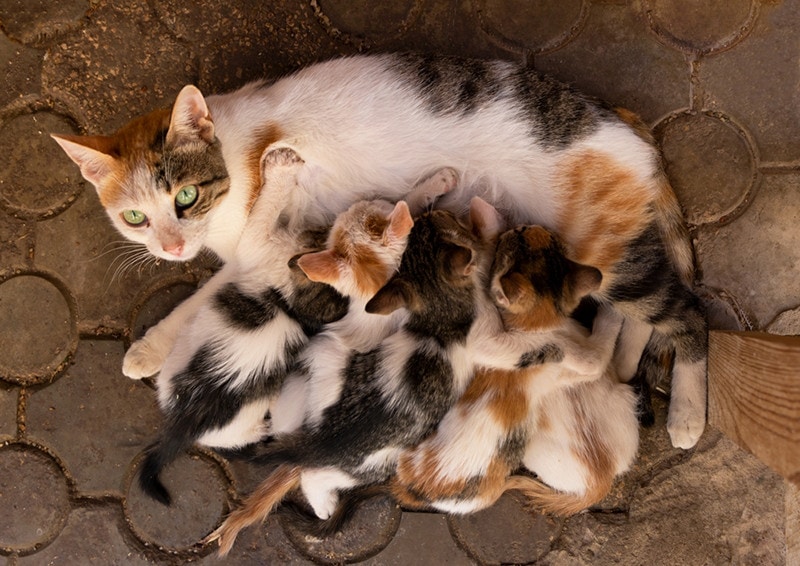
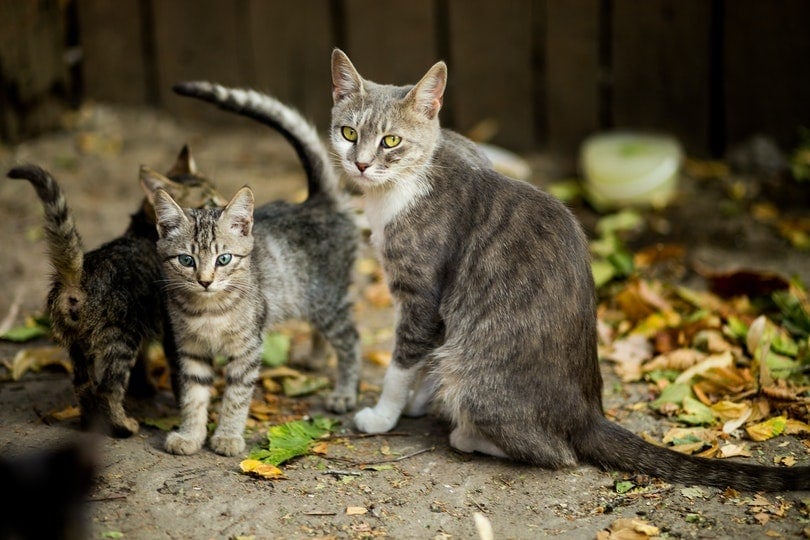
An adult cat can have up to approximately four litters a year, and several factors make many of their feral kittens at risk of becoming abandoned.
First, cats can reach sexual maturity at just 4 or 5 months old, and young mother cats are more likely to abandon their kittens because they haven’t developed the motherly instincts to care for them.
Mother cats can also leave their kittens for hours at a time. While they’re away, they can get injured or killed, which will leave their offspring to fend for themselves.
Nursing cats can also develop mastitis, which is an infection affecting the mammary gland. This is a painful condition that makes nursing very difficult for cats. Therefore, a mother cat may not be able to care for her kittens because it’s too painful to nurse.
Removes Possibility of Pregnancy
Having a pregnant cat comes with several factors to consider. As adorable as kittens are, finding good homes can be difficult for them. You also must pay for vet bills as you monitor your pregnant cat’s condition. Some cats may have difficult births that require assistance or surgery.
If you choose to keep your kittens, you have to keep up with their medical bills and purchase additional food and toys to keep them happy and thriving.
Reduced Health Risks
Unspayed cats can develop complications with their reproductive organs as they age. Cats will commonly develop mammary tumors. These growths are very often malignant (cancerous).
Cats can also experience uterine infections, also known as pyometra. Pyometra is a bacterial infection that can occur after a heat cycle that doesn’t result in a pregnancy. When pyometra is left untreated, it can lead to complications such as peritonitis, which is a serious condition that quickly becomes fatal without immediate treatment.
Spaying or neutering is only one of many vet procedures your pets may need over the course of their lives. All of those vet visits can be pricey, but you can manage the cost with the help of a good pet insurance plan. The customized options from Spot may help you keep your pet healthy at a reasonable price.

Potential Downsides of Spaying a Cat
Although spaying your cat comes with a set of significant benefits, there are also some negative effects to consider.
Permanent Sterilization
The effects of spaying are irreversible, so once you spay your cat, she will never become pregnant. Keep in mind that many states have mandatory spay and neuter laws due to an overpopulation of stray cats. So, depending on where you live, you can face fines if you’re not a breeder and have an unspayed cat.
Weight Gain
Spayed cats have different nutritional needs, so feeding a spayed cat as if they weren’t can make them susceptible to weight gain. When cats are in heat, they can expend more energy as they search for a mate. Without the drive to mate, cats can become calmer and more sedentary.
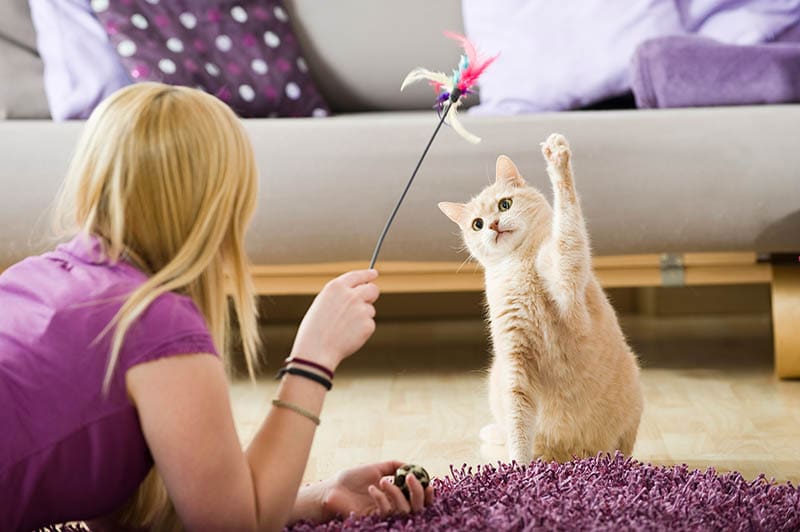
After your cat gets spayed, you might notice a reduction in activity level. However, this doesn’t mean that your cat requires less exercise. They still need to play and engage in enrichment activities.
Therefore, make sure to find toys that your cat loves and keep them active. They can play with wand toys, or springs. If your cat’s disinterested in these toys, try using electronic toys that mimic their natural prey’s behavior.
Conclusion
Spaying a cat is a permanent surgical procedure. After surgery, your cat’s metabolism will change and you’ll need to adjust their diet to their new situation. However, the benefits greatly outweigh those “downsides.” Spaying decreases your cat’s sex hormones and can cause your cat to become calmer and friendlier. It can also reduce your cat’s risk of developing health conditions later in life and significantly increase their lifespan.
Make sure to consult with your veterinarian to find the most appropriate time to spay your cat. Not only are you helping your own cat, but you’re also helping the cat population in your town at large by helping to reduce the number of stray cats.
Featured Image Credit: fotoliza, Shutterstock
Get Hepper In Your Inbox


Pet care tips from our vets and experts, straight to your inbox.
You may opt-out at any time. View our Privacy Policy for more information.
Nicole is a lover of animals of all sizes but is especially fascinated with the feline variety. She’s the proud mom of Baby, a Burmese, and works every day so he can relax in the sunshine or by the fire. She’s always had a cat in her home and has spent countless days with others, observing behaviors and softening up even the grouchiest of the lot. Nicole wants to share her kitty expertise with you so you and your cat can live happy, healthy, and care-free.
Join the conversation
Ask a question, share your story, or send private feedback.