Hepper is reader-supported. When you buy via links on our site, we may earn an affiliate commission at no cost to you. Learn more.
Will Essential Oils Calm Dogs? Vet-Reviewed Risks, Toxicity Facts & Alternatives



In this article
You've probably heard about essential oils a lot in the past few years. Though they’ve been around since 4500 BC, the essential oil and aromatherapy industry didn’t start taking off in the United States and Canada until people began shifting their focus to a more holistic and "alternative" lifestyle.
While there is some merit to the claims that essential oils can be calming1 for humans, is there any benefit to using them on our pets? Do essential oils work in the same way on animals as they do in humans? The answer is no.
There is no scientific basis for claims that essential oils provide health benefits to dogs or cats. Such oils can be toxic to pets and can even cause death. Keep reading to learn more.

Can Essential Oils Help Calm My Dog Down?
Since essential oils are made with highly concentrated plant substances, many people think they are natural and healthy. While it is true that oils are natural, you mustn’t confuse natural with safe. Essential oils are very potent and can pose severe health risks if misused.
It can be very distressing for you and your dog if your pup suffers from anxiety, and you may be tempted to go the “natural” route when searching for a viable treatment option. Unfortunately, dogs and cats are much more sensitive to the effects of highly potent essential oils. Even oils that are labeled as safe for use on pets can be dangerous.
What Are the Risks of Essential Oils?
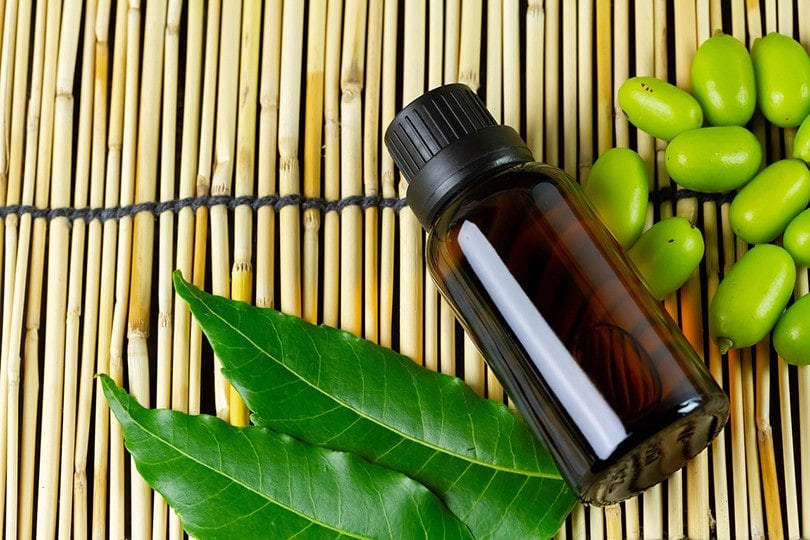
Every essential oil is made with different plants and at different concentrations that can make them toxic. Some oils can produce a toxicity effect in minimal amounts, while others will need a more significant exposure to cause any side effects.
Another thing to consider is the varying potency between products. One batch of an essential oil blend may not have the same strength as the next batch, even if it’s the same blend. This makes it impossible to know how much you administer to your pup.
According to PetMD, the organs most commonly affected by oil use include the brain, gastrointestinal tract, spinal cord, heart, kidney, and skin. Toxicity is possible with topical (on the skin) use, oral (ingested) use, or via inhalation (through the nose).
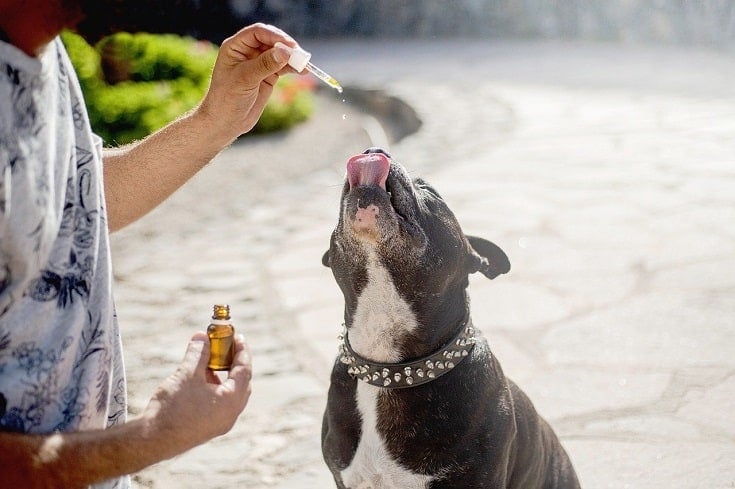
Dogs taking oils orally may show gastrointestinal signs like vomiting or diarrhea. Topical use may cause irritation and skin rashes. Inhaling the oils, such as when they’re diffused, can cause respiratory distress and coughing.
The natural viscosity of essential oils also poses a risk. Your pup may accidentally get the oil into their respiratory system when they ingest it. Or they may also inhale it via an oil diffuser. Oils can also irritate the gastrointestinal tract and may be aspirated if your dog has to throw it back up. For this reason, you should never try to get your dog to vomit if you know it has ingested essential oils.
As the oil begins to enter your dog’s bloodstream, you may notice other symptoms, such as
- Fever
- Organ failure
- Respiratory failure
- Bleeding
- Collapsing
- Red lips, gums, or skin
- Drooling
- Lethargy
- Tremors
- Low heart rate or body temperature
These signs culminate in complications such as seizures, comas, or even death. So if you know your dog has been exposed to essential oils, you must get it evaluated by a vet as soon as possible.

What Essential Oils Are Toxic for Dogs?
If you still want to try essential oils on your pet, we recommend speaking to your vet first. They can refer you to a holistic veterinarian who can thoroughly introduce you to some non-toxic and properly diluted oils and provide a guideline for using them safely. Although most vets will warn you against their use, it's a risk simply not worth taking. You should know, though, that several oils are known to be especially toxic to cats and dogs. These include:
- Tea tree
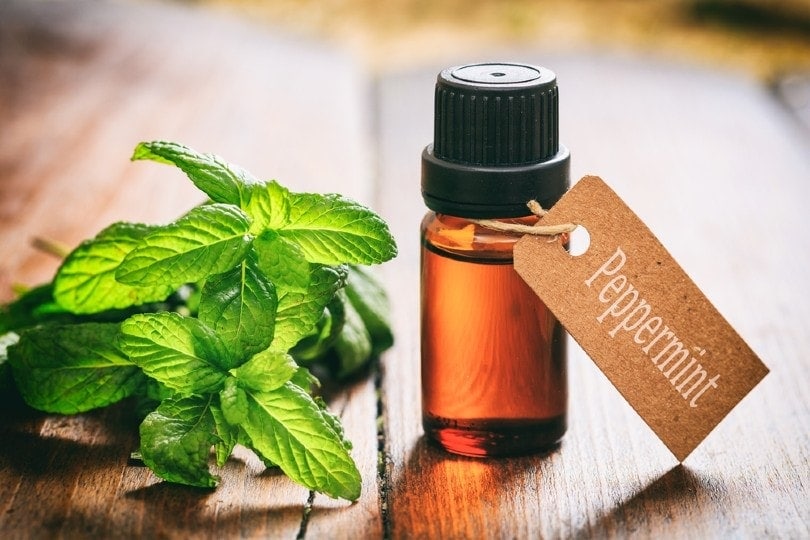
- Peppermint
- Wintergreen
- Cinnamon
- Clove
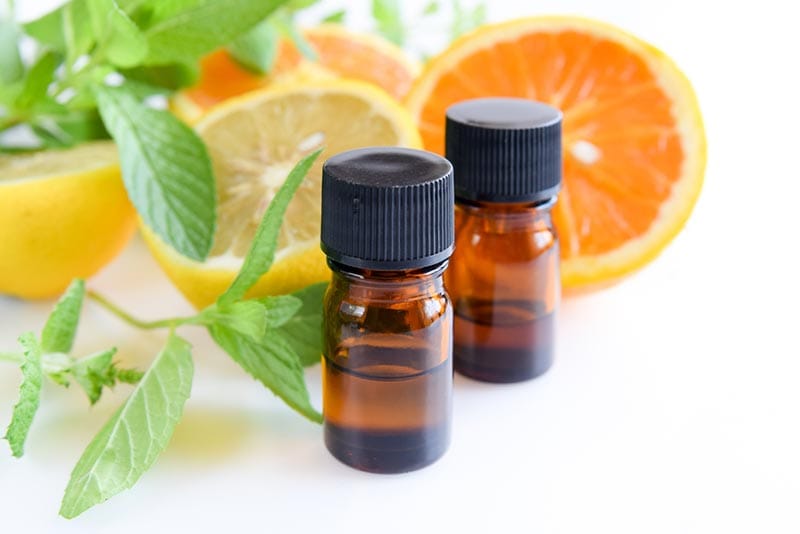
- Citrus
- Ylang ylang
- Pennyroyal
- Pine
What Other Treatment Options Do I Have?
Though essential oils are probably not the answer to your dog’s anxiety, other treatment options are available.
If your dog’s anxiety is mild and not disrupting its life too much, try one of the following at-home options:
- Physical activity
- Skin-to-skin touch
- Massage
- Calming music
- Calming t-shirts
- Pheromone diffusers
If these treatments don’t work or the anxiety is quite severe, make an appointment to speak with your vet. They may have supplement or medication recommendations and can point you in the right direction for behavior modification treatment they deem necessary.

Final Thoughts
Though essential oils sound great on paper, they aren’t the best treatment for your dog’s anxiety. Not only is the science not there to back up health claims made by essential oil manufacturers, but misusing oils can have severe repercussions. Unfortunately, we can not recommend a safe and effective way to use oils on our pets, and we suggest you look for alternative methods to calm them down.
Sources
Featured Image Credit: silviarita, Pixabay
Get Hepper In Your Inbox


Pet care tips from our vets and experts, straight to your inbox.
You may opt-out at any time. View our Privacy Policy for more information.
Chantelle's life revolves around two passions: writing and animals. Raised on the prairies of Canada amidst a menagerie of pets, she now lives with five cats, two guinea pigs, and a bearded dragon. Together with her husband and child, Chantelle delights in being an exemplary animal parent, going as far as installing wall-mounted cat shelves to give their cats an indoor playground. When she's not cozying up with her cats or snapping their amusing antics, she enjoys venturing into the Rocky Mountains, binge-watching her favorite Netflix shows, and indulging in spontaneous reading adventures.
Join the conversation
Ask a question, share your story, or send private feedback.