Hepper is reader-supported. When you buy via links on our site, we may earn an affiliate commission at no cost to you. Learn more.
Can Dogs Eat Cloves? Vet-Reviewed Safety Facts

In this article
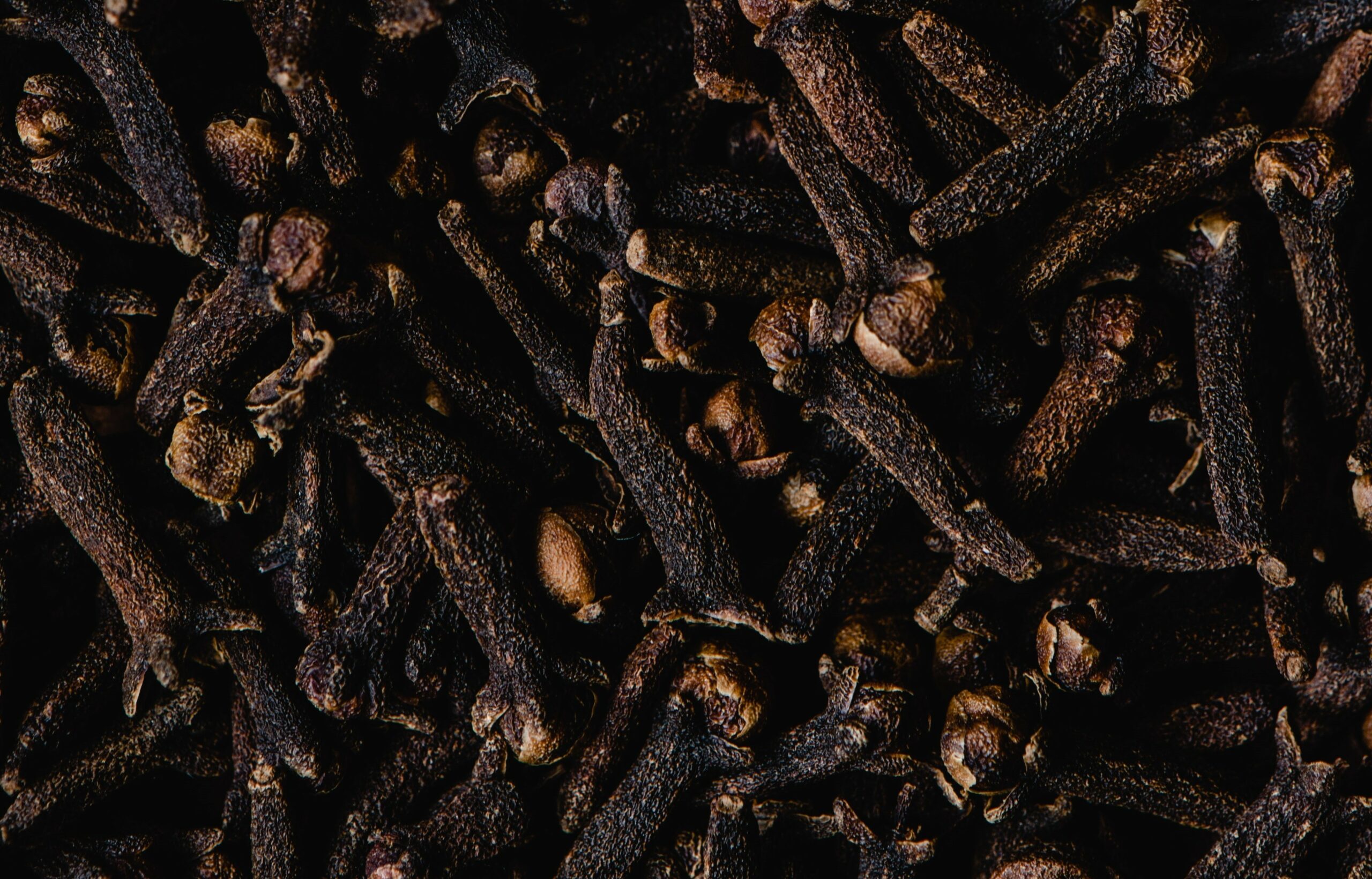
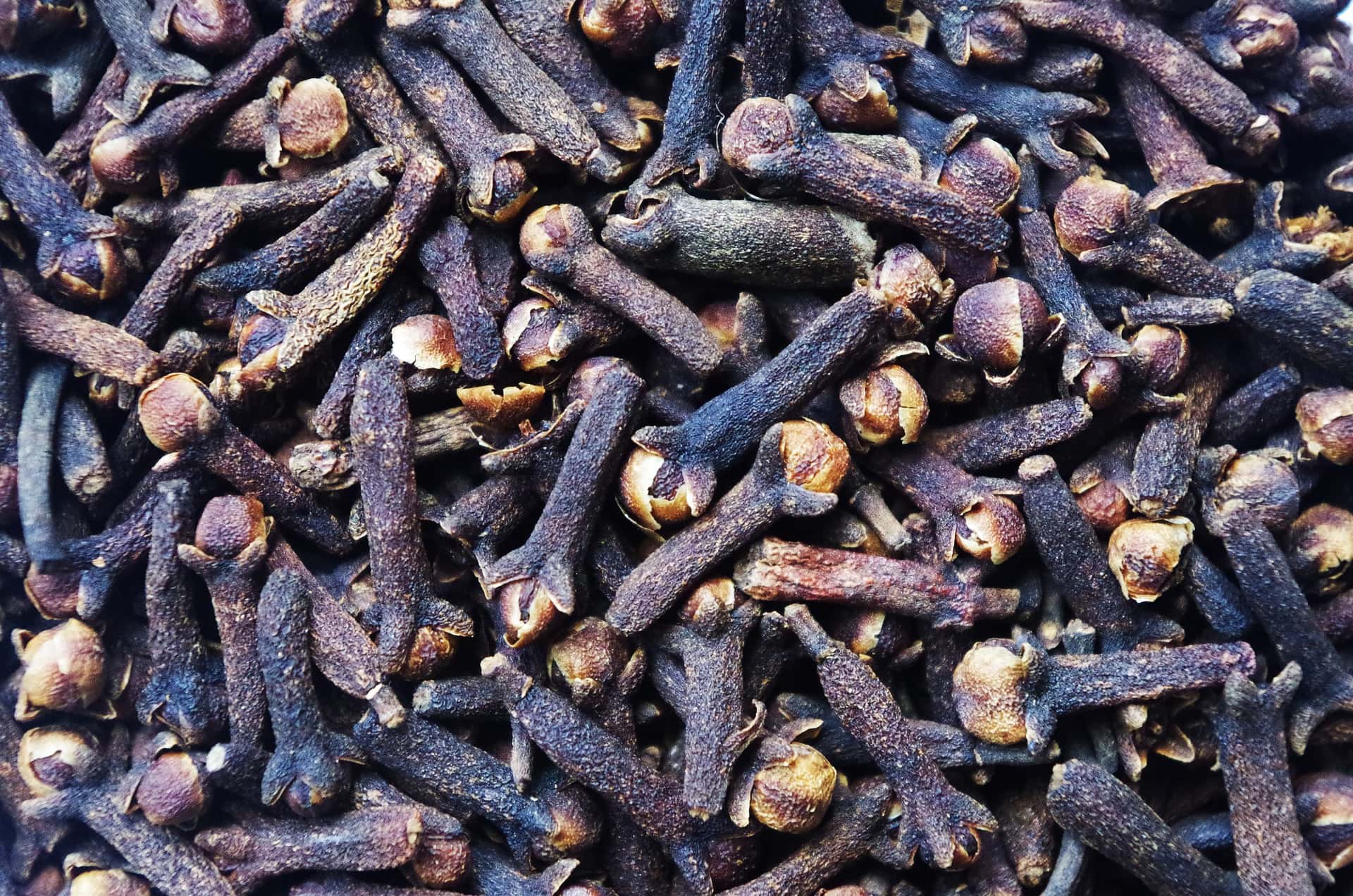
Cloves are a spice that has been used for thousands of years for both culinary and medicinal purposes. The small, reddish-brown flower buds have a distinctly sweet and spicy flavor. But are cloves safe for dogs to consume?
According to Pet Poison Helpline, cloves contain a compound called eugenol, which can cause liver toxicity in cats because they lack an essential enzyme in their liver to metabolize and eliminate this compound. Dogs don't have the same enzyme deficiency, but they are also at risk of developing health problems if exposed to high amounts of cloves and clove oil. Due to this, it is not recommended for your dog to eat cloves.
Let's take a closer look at what the experts say about the potential risks of consuming cloves for dogs.

Is Clove Consumption Safe for Dogs?
Clove is a popular spice in the culinary world and is used in a variety of dishes. It has a strong, sweet pungent flavor and aroma, which is why it's often used as a flavoring agent in food. Cloves can be used in powdered form or as whole buds and can also be added to oils and extracts.
However, the danger of cloves for dogs (and cats) isn't so much that they lick off a tablespoon of your delicious pumpkin spice latte. The problem mainly comes from ingesting whole cloves or exposure to clove oil. This is because this spice contains a compound called eugenol that can cause liver toxicity in pets, although the risks are higher in cats.
Clove Oil Toxicity and Eugenol
Eugenol is a phenol present in certain essential oils, including clove oil. Although eugenol is recognized as having anti-inflammatory, antimicrobial, and analgesic properties in humans, this compound can interfere with the enzymes responsible for the proper functioning of the liver and potentially damage it. It can also cause severe irritation to the skin and mucous membranes.
Cats are at higher risk of suffering health problems from exposure to essential oils, such as clove oil. This is because their liver is unable to metabolize certain compounds present in these oils due to the lack of an essential enzyme.
Dogs don't have the same enzyme deficiency as cats, but that doesn't mean essential oils are safe for them. In fact, the most common essential oil toxicities for dogs are tea tree oil, pennyroyal, wintergreen oil, and pine oils.
Regarding clove and its derivatives, there is currently not enough data to determine from what quantity of eugenol becomes a serious problem for a dog.
The only scientific reference we currently have comes from a 1950 toxicity study conducted on four dogs. Two of the dogs in the study died following the administration by stomach tube of an extremely high quantity of eugenol.
Thus, while your dog is unlikely to ingest enough cloves to reach such a dose of eugenol, it's best to avoid giving your canine companion anything containing this spice, just to be on the safe side.
What To Do if You Think Your Dog Has Eaten Cloves
If you suspect your dog has consumed large amounts of cloves, it's important to seek immediate veterinary care. Your vet will be able to assess the severity of the toxicity and provide treatment if necessary.
Additionally, if your dog has been exposed to any type of essential oil, it is highly recommended that you consult the Pet Poison Helpline for proper advice. Pet Poison Helpline is available in North America by calling 800-213-6680.

The 5 Healthy Treats That Will Make Your Pup Ecstatic
A balanced food that is rich in nutrients and given in the right amount is the best possible diet for dogs. However, if you want to give your beloved pooch an occasional treat, there are healthy, vet-approved options. In any case, make sure that these treats do not represent more than 5 to 10% of your pet's diet.
- Peanut Butter Popsicles: Mix natural peanut butter with half a mashed banana and water. Freeze the mix in a Kong toy and offer it to your pup for a refreshing treat. The only problem with this recipe is that you might want to keep it all to yourself!
- Apples: Seedless apples are an excellent source of fiber, vitamins C, B, and E, and antioxidants. Not all dogs like it, but it's safe to try.
- Blueberries: Blueberries are low calorie fruit, high in antioxidants, and safe for your dog. However, do not overdo the quantities, and be careful that your pet does not choke on these little berries.
- Carrots: You can offer pieces of carrots, raw or cooked, to your four-legged friend. Besides being a crunchy treat, they're packed with vitamins and minerals like vitamin A, magnesium, and potassium.
Final Thoughts
Eugenol is a compound found in cloves and clove oil that is known for its benefits on human health, such as reducing inflammation and pain. However, there are potential risks associated with its consumption in pets, such as liver toxicity. Although these risks are greater in cats, it is best to avoid exposing your dog to any product containing cloves, especially clove oil.
If you're looking to reward your dog, there are plenty of healthier and safer treat options than a pumpkin spice puppuccino!
Sources
Featured Image Credit: abuyotam, Pixabay
Get Hepper In Your Inbox


Pet care tips from our vets and experts, straight to your inbox.
You may opt-out at any time. View our Privacy Policy for more information.

Genevieve, a biologist and science writer, who harbors a profound affection for capuchin monkeys, pumas, and kangaroos. This passion has led her to travel extensively, volunteering and working at wildlife rehabilitation centers in Bolivia, Guatemala, Canada, and Australia. Now residing in Argentina as a Canadian expat, Genevieve enjoys the view of horses and cows greeting her from the vast plains outside her home office window. She proudly cares for three rescued dogs—Lemmy, Nala, and Pochi—and a playful kitten named Furiosa. Sharing her extensive knowledge and love for animals brings her immense joy and fulfillment.
Join the conversation
Ask a question, share your story, or send private feedback.