Hepper is reader-supported. When you buy via links on our site, we may earn an affiliate commission at no cost to you. Learn more.
Appenzeller Mountain Dog: Info, Pictures, Characteristics & Facts
In this article
Breed Overview
Height:
Weight:
Lifespan:
Colors:
Suitable for:
Temperament:
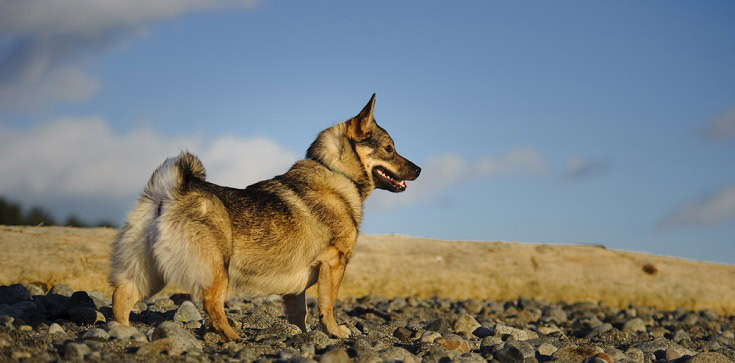
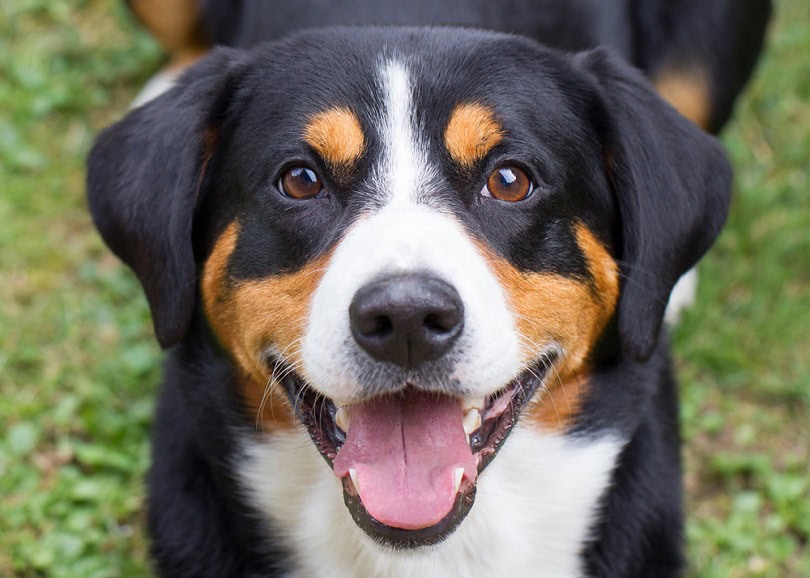
The Appenzeller Mountain Dog also referred to as the Appenzeller Sennenhunde, is a busy bee who is always awaiting a task. The primary part of this dog’s life consists of work, work, work—and the desire is embedded deeply in their DNA.
When it comes to protecting your livestock, guarding their homestead, and herding the flock, these dogs have all the skills necessary to do the job. They aren’t the best choices for the faint of heart. These dogs will keep you on your toes with their exuberance and vivacity.

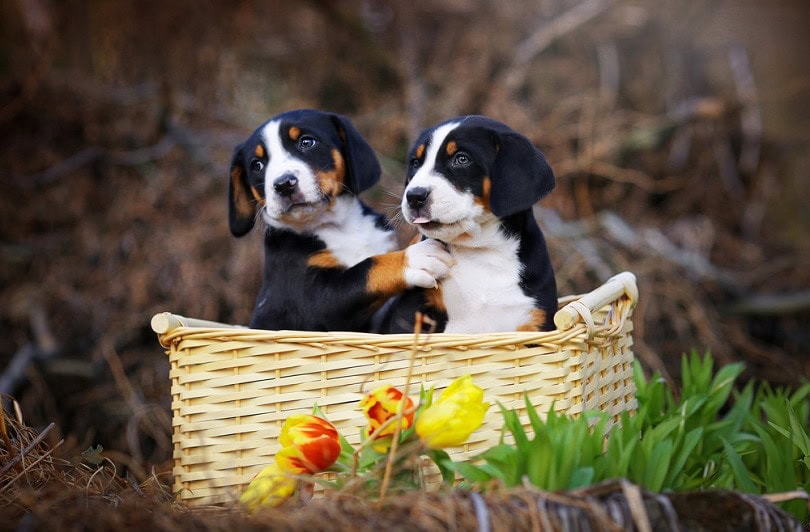
Appenzeller Mountain Dog Puppies
Appenzeller Mountain Dog Characteristics
While the price is middle-of-the-road in terms of purebred costs, one thing to keep in mind here is that these dogs are incredibly rare—especially in the US. But don’t let that deter you from trying to find one.
If you have your heart set on an Appenzeller, a little research and a long-distance road trip can get you the dog you want. Since they are so hard to find, this cuts down quite a bit on the possibility of backyard breeding.
You’re much more likely to find a breeder who is deeply devoted to the breed itself. Also, don’t forget to check local shelters and breed-specific rescue groups—you may just get lucky!
3 Little-Known Facts About the Appenzeller Mountain Dog
1. The Appenzeller name came from the town of Appenzell, Switzerland.
These dogs began in Appenzell and held many job titles including herder, flock guardian, draft dog, and farm dog. They took much weight off the farmers who needed to keep their homestead running smoothly.
Today in their homeland, they mainly take companion animal roles. But you can still find them in competitions for agility and obedience.
2. The Appenzeller is one of four ancient Swiss Mountain dog breeds.
The Appenzeller isn’t alone. There are three other mentionable Swiss Mountain Dogs who share similar structures, skill sets, and patterns.
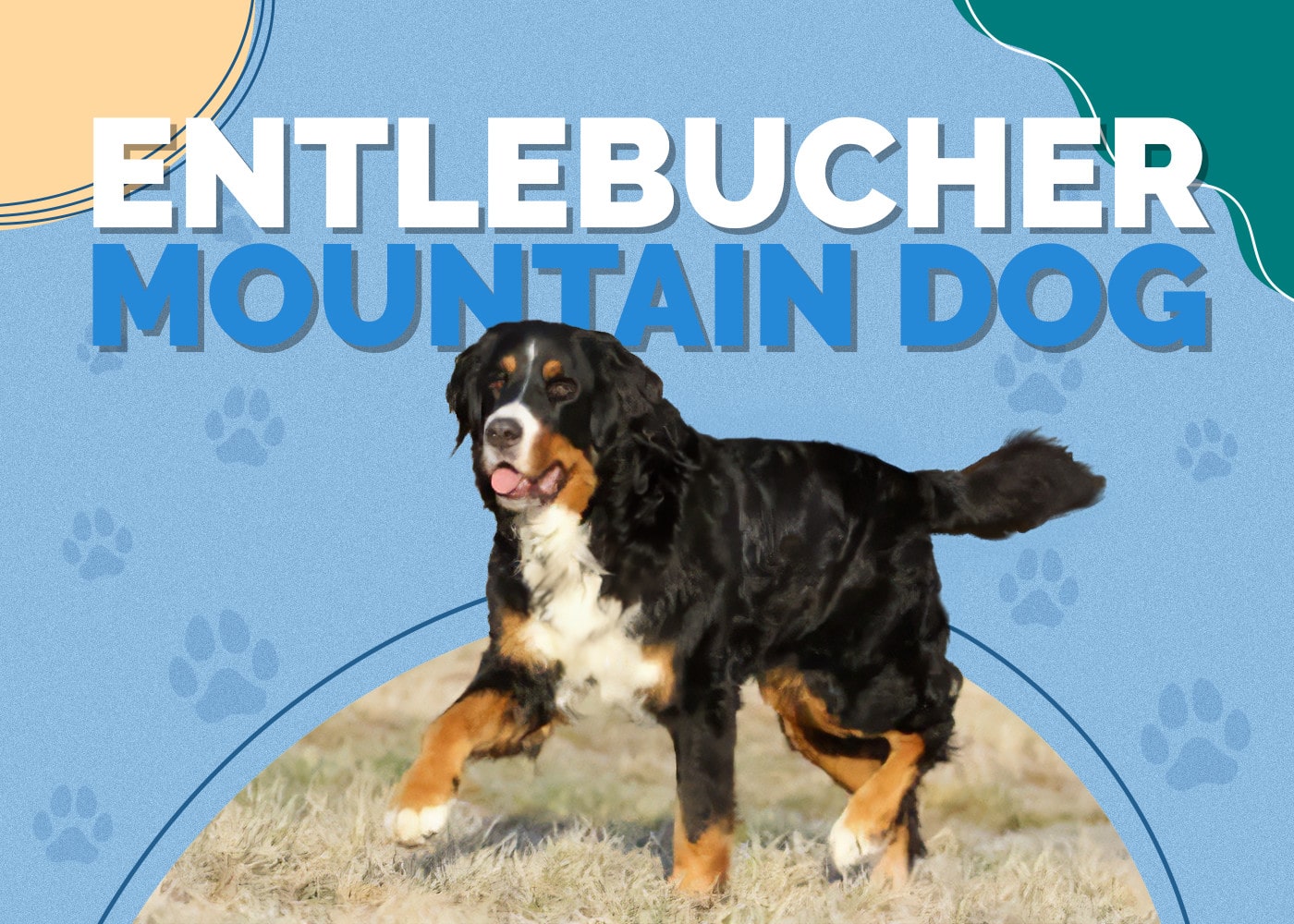
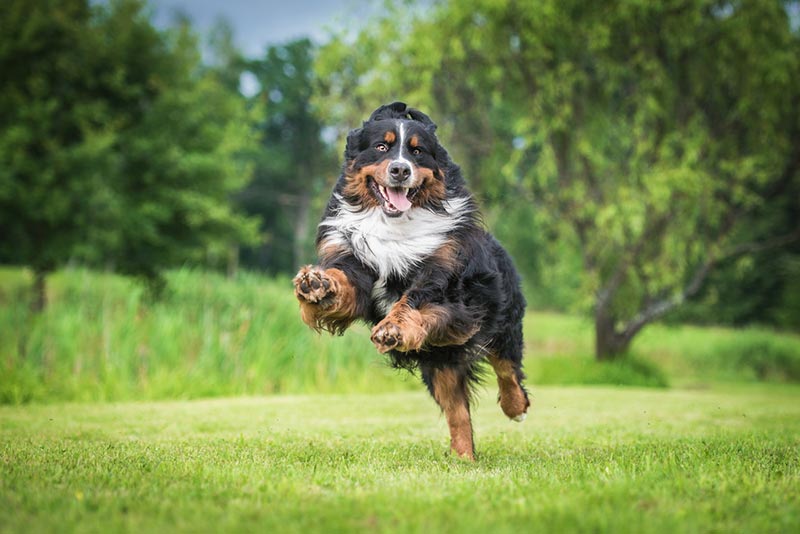
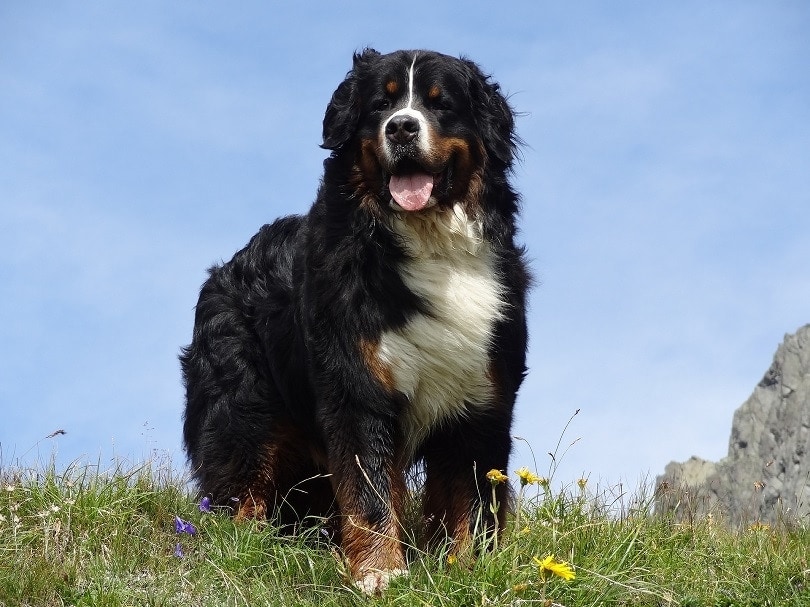
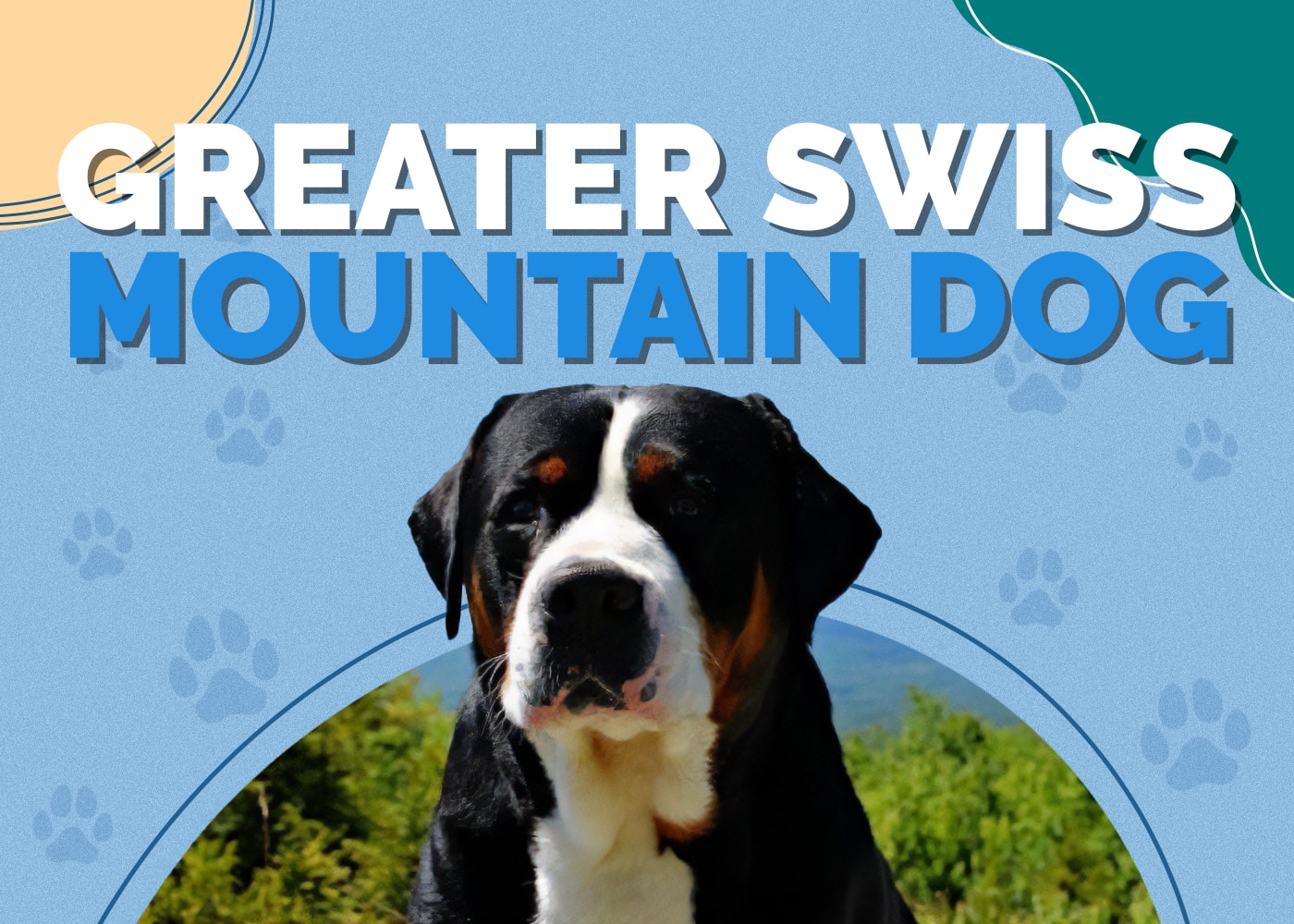
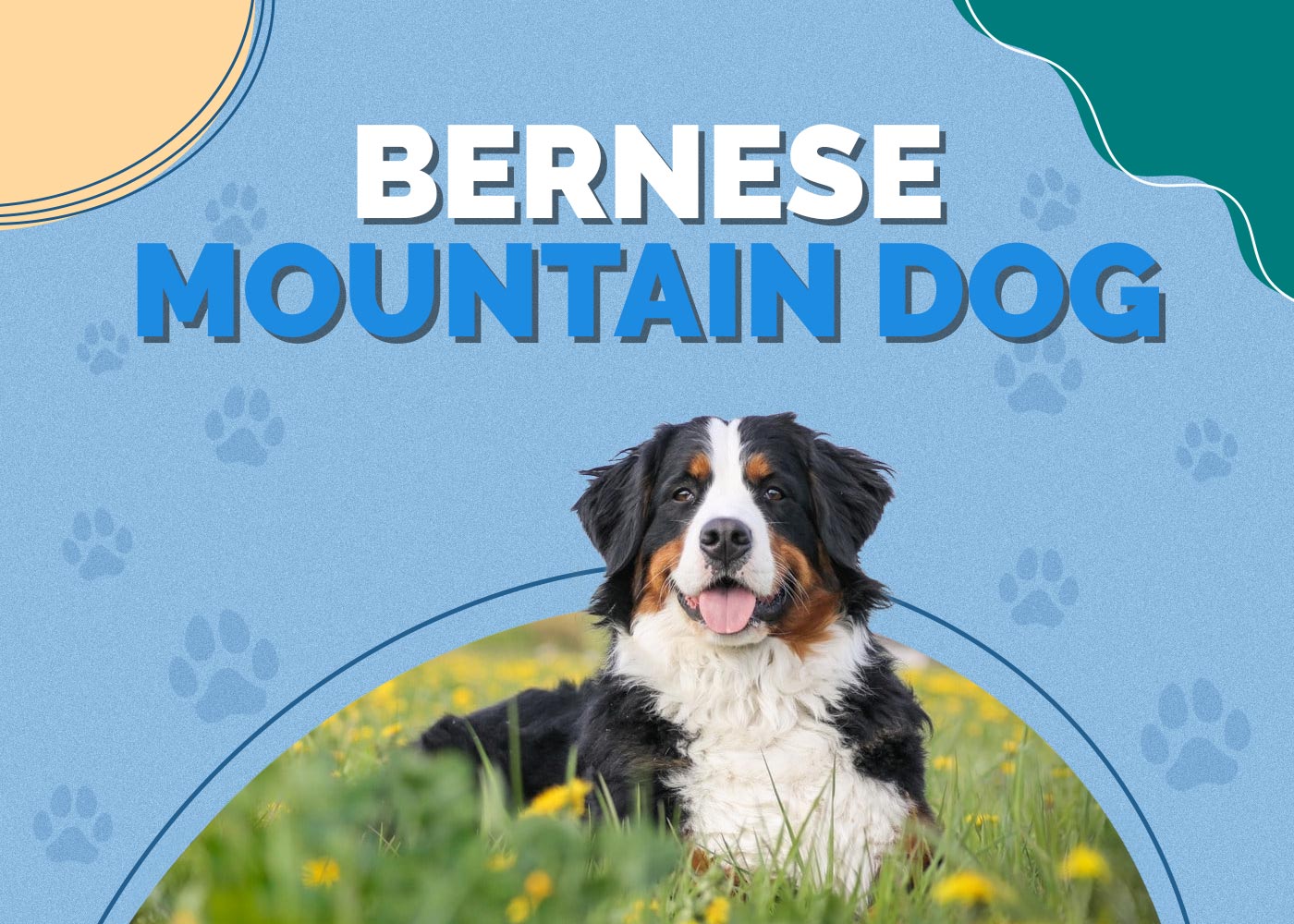
The other three are Bernese Mountain Dogs, Entlebucher Mountain Dog, and the Greater Swiss Mountain Dog. While all four share strong similarities, they differ in size and temperament.
3. Appenzeller Mountain Dogs prefer cold weather.
It’s no surprise that a dog heralding from the Swiss Alps may take a liking for chilly atmospheres. Temperatures in Swiss winters can average 14 degrees Fahrenheit in some regions.
While they are quite tolerant of this type of weather, they don’t share the same sentiment for heat. Appenzeller can’t handle hot environments and should never be left outside for long in these conditions.

Temperament & Intelligence of the Appenzeller Mountain Dog 🧠
Appenzellers pick up new concepts very quickly—and they are ever-learning. They love adding new skills to their resume and are receptive to positive training. Their keen intelligence helps tremendously when it comes to teaching everything from basic commands to in-depth duties.
Appenzeller’s minds remain moldable as they age, too. So, the idea of not being able to teach old dogs new tricks doesn’t apply here. They’re also courageous, charging into things with a strong sense of self-assurance.
These loving companions are big softies, too. Even though they need work to thrive and space to roam, that won’t keep them from showing affection to their family. They may be a bit wary of strangers at first, but they will be fine once they get to know someone.
Quick-witted and sharp, these dogs are action-oriented both mentally and physically. You won’t find an Appenzeller staying idle for long.
Are These Dogs Good for Families? 🏡
These dogs are best for country-dwelling families. They may do alright in some suburban areas with enough stimulation, but a fence is recommended. Appenzellers need plenty of room to run and roam. They can’t handle confinement and benefit significantly from a large place to explore.
So, if you have a situation where people in your home are gone for a good part of the day—these dogs aren’t good candidates for crate or kennel keeping. They don’t handle staying alone very long, and they can become very rambunctious if they’re too cooped up.
If you have children, these dogs make ideal playmates because of their boundless energy. They need early socialization to curb their herding instincts. You may find they nip at the heels of your kids—not out of aggression—but because of their natural knack for keeping everyone and everything in line.
Does This Breed Get Along with Other Pets? 🐶 😽
This breed is highly compatible with other animals, especially livestock. They tend to get along with other dogs when they grow up together. However, they can be somewhat territorial with strange canines. If you give them a slow introduction and gauge the situation, all may work out fine.
Their prey drive is moderate to low, so they would pair well in multi-pet households. But, it’s best to socialize them with as many types of animals as possible early on. If you do, you can acclimate them to various animals, so they get used to all sorts of different faces.
Some Appenzellers can be independent and not pack-minded like many other breeds. But they typically remain good-natured with other pets of all shapes, sizes, and species.

Things to Know When Owning an Appenzeller Mountain Dog:
Food & Diet Requirements
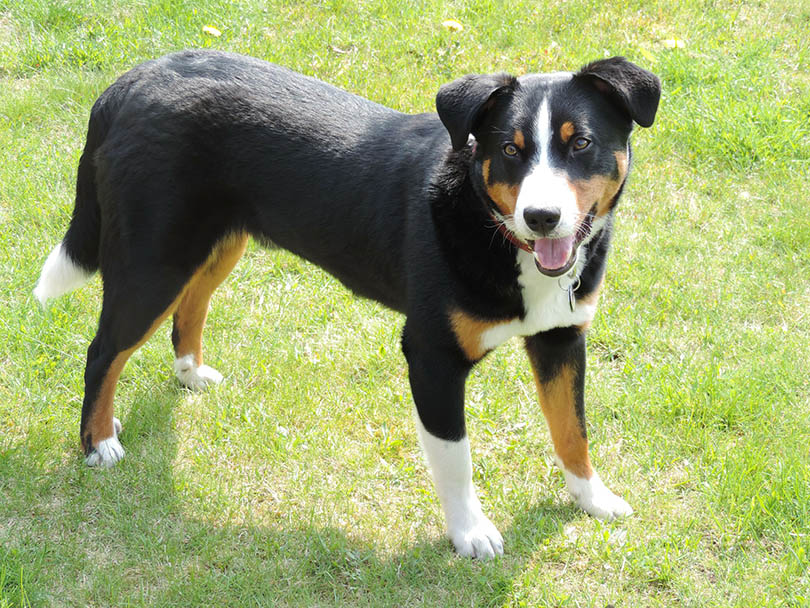
Appenzellers are a medium-sized dog breed that stands roughly 19 to 22 inches. A full-grown adult can weigh up to 75 pounds. They will need an average of 3-4 cups of high-quality dog food each day, spaced out between a few meals.
It would be best if you fed your Appenzeller a protein-rich, calorie-dense, moderate carbohydrate diet. Since they are extremely active dogs, they need the extra boost to keep their muscles, bones, and coat strong. Because they are prone to joint issues, they benefit significantly from top-notch, filler-free food.
Appenzellers don’t necessarily require any special diets due to potential health issues, but they still need well-rounded nutrition. Get your dog a nutrient-filled meal that has whole protein, fat, fiber, antioxidants, vitamins, and minerals.
Because every dog is different, always work diligently with your veterinarian to make sure you’re giving your dog the diet they need.
Exercise 🐕
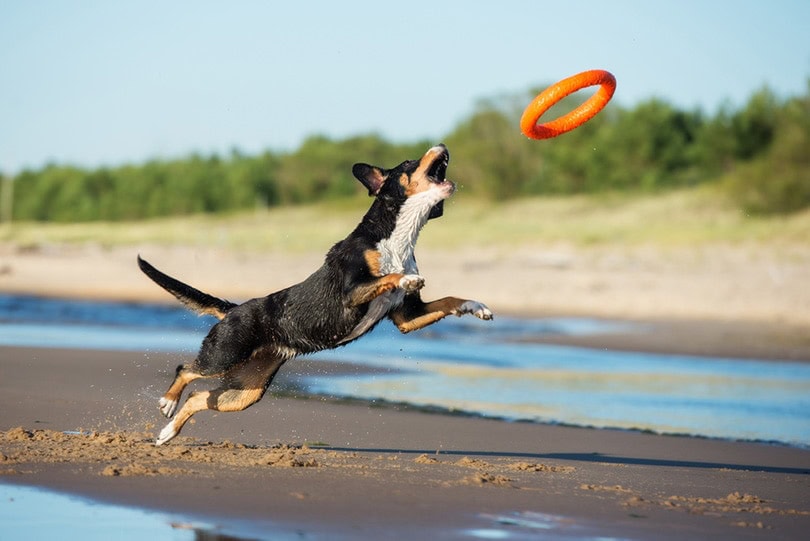
Appenzellers need an extensive outlet for their insatiable energy. They benefit greatly from having lots of room to run. If you live in an area where your dog can’t free-range, having a fenced-in yard is necessary.
A 30-minute casual walk each day won’t suffice to meet the exercise needs of the Appenzeller. They will run around as much as you permit them to do so.
At a minimum, they need 30 minutes of vigorous, high-intensity exercise per day. You can accomplish this with a game of fetch or a daily run. But in any case, this dog needs much more than just a quick jaunt around the block.
It will be even better if you have a lot of land where they can freely run around at their leisure. They are farm dogs at heart, so exploring the sticks and creeks comes naturally to them.
If you live in a suburban area, you must have a fence containing them—especially if they’re out unsupervised. You Appenzeller just may decide to clear the fence if they smell an adventure on the other side.
Training 🦮
Appenzellers tend to do very well in terms of consistent training. They like the feeling of pleasing their owners, but they don’t respond as well to harsh punishments. These dogs are reliable and loyal, so knowing they have done a good job gives them a sense of accomplishment.
Because of their overzealous attitudes, they can sometimes get ahead of themselves. Patience is necessary at first. However, they pick up on concepts quite quickly. Teaching them to buckle down for training time may be the most challenging part.
Don’t ignore their stubborn streak, either. These dogs are smart as a whip and may try to outwit you to get their way. You must have consistent training techniques and assert yourself as the alpha, so they learn to respect and listen to you.
Grooming ✂️
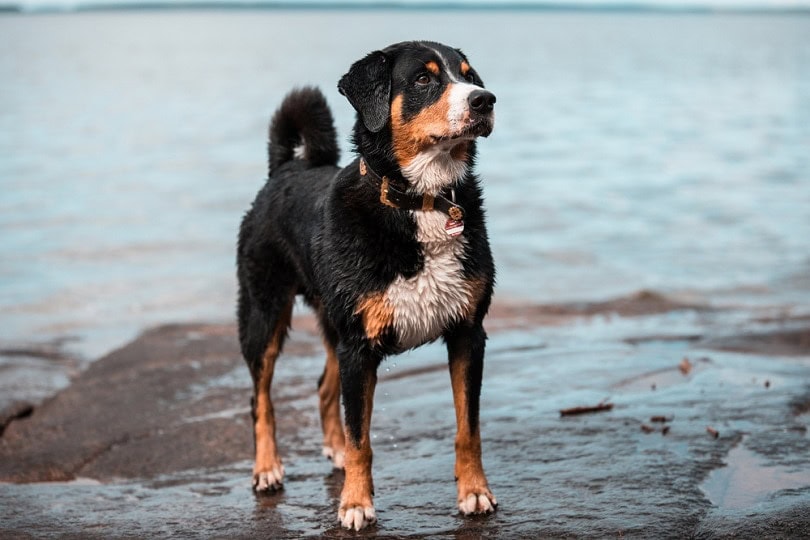
The beautiful tricolored Appenzeller has a lustrous medium-length double coat that is simple to maintain. This breed does shed quite a bit, but overall care should be a breeze—a few brush passes a week and you’re good to go.
Because your Appenzeller will always be adventuring in the great outdoors, check their fur for ticks and other native pests to your region.
Health and Conditions ❤️
The Appenzeller can suffer from both minor and major health issues, but they are generally healthy dogs. Because of the potential for joint problems, always make sure to take your Appenzeller for regular vet check-ups to stay ahead of the game.
Appenzellers are extremely rare in North America. Therefore, many of these health issues aren’t definitive or well-researched enough. The speculation of health issues comes from similar dog breeds and not necessarily the breed itself.
When you purchase your dog or puppy, getting a brief history of any genetic disorders in the bloodline may help you in the future. You can closely monitor for any potential problems alongside your veterinarian.

Male vs. Female
Both male and female Appenzeller Mountain Dogs have their fair share of positives and negatives—but no deal breakers here. When it comes to gender, it will really boil down to your preference and connection with your pup at the time of purchase.
Male Appenzeller Mountain dogs tend to be a bit more adventurous. They also may give you a run for your money about who exactly is in charge. Unaltered males may mark their territory, but this is often an outdoor activity. After neutering, this behavior usually stops.
Female Appenzeller Mountain Dogs are quite motherlike with children. Females are still relatively high energy, but they are also a bit more obedient. They tend to care a little more about what you think as their owner. But they also may give you looks of disapproval and ignore your advances of affection if they just aren’t in the mood.
Males are usually more hyper, with fewer boundaries. Females don’t mind giving you a little space. In fact, they much prefer space themselves sometimes.
These comparisons are strictly based on a general overview and are not concrete for every dog. Each dog will have its own special characteristics that make them unique. No matter if you choose a male or female, they are sure to win you over.

Final Thoughts
The Appenzeller Mountain Dog is an ideal partner to pair with your active lifestyle. Whether you have a bustling household, live on a nice chunk of acreage, or frequently hit hiking trails—this breed can enhance your life as you know it. You will never have a dull moment with these dogs keeping you on your toes.
This breed may be a rare find, but it will make it all the more fulfilling when you find one at last.
Related Reads:
Featured Image Credit: MyImages-Micha, Shutterstock
Get Hepper In Your Inbox


Pet care tips from our vets and experts, straight to your inbox.
You may opt-out at any time. View our Privacy Policy for more information.

Nicole is a lover of animals of all sizes but is especially fascinated with the feline variety. She’s the proud mom of Baby, a Burmese, and works every day so he can relax in the sunshine or by the fire. She’s always had a cat in her home and has spent countless days with others, observing behaviors and softening up even the grouchiest of the lot. Nicole wants to share her kitty expertise with you so you and your cat can live happy, healthy, and care-free.
Join the conversation
Ask a question, share your story, or send private feedback.