Hepper is reader-supported. When you buy via links on our site, we may earn an affiliate commission at no cost to you. Learn more.
Mudi Dog Breed: Info, Pictures, Characteristics & Facts

In this article
Breed Overview
Height:
Weight:
Lifespan:
Colors:
Suitable for:
Temperament:
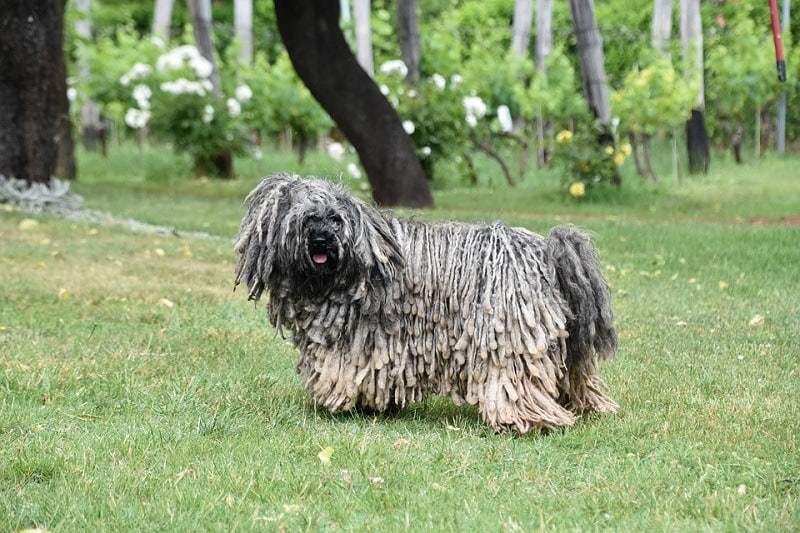
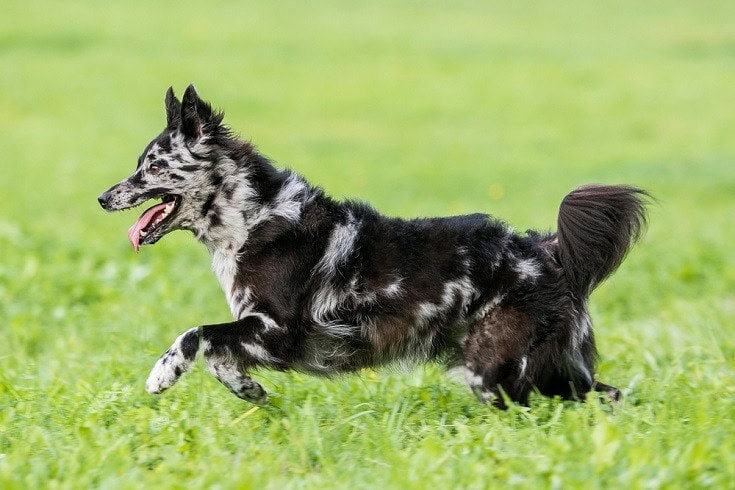
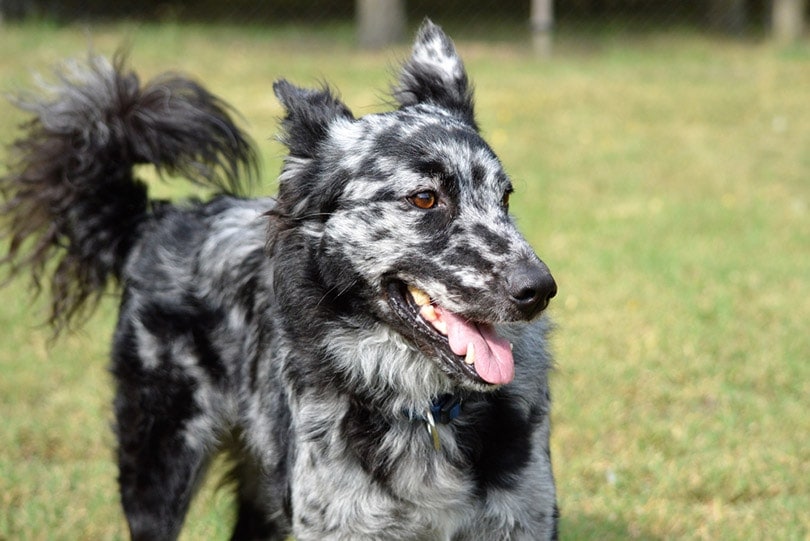
The Mudi is a pure breed medium-sized herd dog. Many experts believe the Mudi was developed from several breeds in Hungary in the early 19th century. This breed has been in existence for more than 200 years but can be challenging to find. They are a square-shaped dog with erect ears and almost has almond-shaped eyes with a daredevil expression, and the tail comes in many lengths.

Mudi Puppies

Mudi Characteristics
The Mudi is very rare, and it can be quite hard to find parents for your puppy. Once a breeder finds parents, they will still need to run several tests to ensure no genetic diseases transmit to your puppy. These tests can be expensive, and if you want breeder's rights or a competition dog, you will need to pay even more. Because they are so rare, it's also unlikely that you'll find one in a local animal shelter, but you can always ask for a dog that resembles a Mudi.
Mudis tend to be energetic and active dogs who will need plenty of exercise, activities, and mental stimulation to avoid boredom. They're an excellent choice for active families that can provide plenty of space to let your dogs run around in.
Temperament & Intelligence of the Mudi 🧠
The Mudi is a working dog, and you'll find most of them on farms in Hungary where they continue to herd up to 500 sheep, guard the property, and rid the farm of small vermin like rats and mice. This breed is loyal and will protect the family but is not overly aggressive. They are very energetic and looks forward to playtime and being with the family.
The Mudi is an intelligent breed that's easy to train and learns tasks quickly. They make great watchdogs and perform well as rescue dogs. Their enthusiastic, enjoys working, and can adapt to almost any situation.
Are These Dogs Good for Families? 🏡
The Mudi breed is a good family pet that's loyal to their owners and gets along well with children. This dog has plenty of energy that they can use to play games and chase after the children. They are alert and attentive, so they make great watchdogs. However, they tend to bark, and their herding instincts can scare children.
Does This Breed Get Along With Other Pets? 🐶 😽
The Mudi will get along with most other dog breeds, but due to their ratting instincts, they tend to chase after smaller animals like cats and rodents. Early socialization can help, but chances are good they will continue to act aggressively toward other pets.

Things to Know When Owning a Mudi
Here are a few things you should think about before purchasing a Mudi.
Food & Diet Requirements
The Mudi is a medium-sized dog breed, so most high-quality brands that feature protein as the main ingredient will work fine. Look for a brand that contains more than 20% protein that doesn't contain any chemical preservatives. Foods fortified with antioxidants and omega fats are also highly recommended.
Follow the instructions on the package closely to prevent your dog from becoming overweight.
Daily Exercise Requirements 🐕
The Mudi is an extremely active dog that will require plenty of exercise, or they can get into mischief. Over an hour per day of high energy activity is required. Acceptable activities include frisbee, fetch, and running. A simple walk around the block will not burn off enough energy to keep your dog from acting out and possibly getting into mischief.
Training 🦮
The Mudi is a pleasure to train because they're always eager to please and excited to learn new tricks. They learn very quickly and can commit new tricks to memory in just a few sessions. Positive reinforcement in the form of praise and treats will keep them interested in training. Holding your sessions at the same time each day will get them locked into a schedule that they come to expect, and they will be ready and waiting each day.

Grooming ✂️
The Mudi is one of the easiest dogs to care for, and they only require brushing once or twice a week to keep the coat free of tangles and looking neat. They may also need an occasional bath if they roll in a dodgy smell or get into some mud. You will need to clip the nails once a month or when you hear them clicking on the floor, and you will need to brush their teeth with a doggy toothpaste as often as you can.
Health Conditions ❤️
While the Mudi is considered a healthy dog breed, there are some health problems that this dog is susceptible to, and we'll look at those in this section.
Autoimmune Thyroiditis: This is a disease of the thyroid that occurs when the autoimmune system attacks the thyroid gland leading to hyperthyroidism. Signs include rapid weight loss, hyperexcitability, increased appetite, increased urination, and vomiting. Unfortunately, there is not much in the way of long-term treatments for this disease.
Heart Murmurs: These are unusual sounds created by the heart. Turbulent blood flow usually creates the sound, and it could be a sign of a structural problem within the heart. However, underlying disease can also cause a heart murmur, so your vet will need to make the final determination. The cause of the murmur will determine the treatment required, and in many cases, there is no treatment.
Hip Dysplasia: This is common in many dog breeds, including the Mudi. It affects the formation of the hip joint, so the leg bone does not move smoothly within the joint and wears down over time affecting your pet's ability to put weight on the back legs. Signs include decreased activity, reduced range of motion, difficulty getting up from a resting position, loss of muscle mass in the thigh, pain, and stiffness. In some cases, weight loss and joint supplements can help ease signs, and in other cases, your pet may require surgery.
Elbow Dysplasia: This is a condition very similar to hip dysplasia, but it affects the front legs. This condition can lead to cartilage damage, osteoarthritis, and lameness. Lameness is often the first sign of elbow dysplasia, and several treatments can help reduce symptoms, including weight loss, medication, and surgery.
Male vs. Female
The male Mudi s noticeably larger in weight and height than the female, but there are no other distinguishable differences. Both sexes have the same temperament and loyalty towards family and work.
3 Little-Known Facts About the Mudi
1. The Mudi still actively herds in Hungary.
Originally bred as herding dogs, Mudi's made a name for themselves in 1940 where they were active herders on Hungarian farms. Retaining the same qualities and skills as their ancestors have solidified their roles as herding dogs to this day!
2. The Mudi almost went extinct.
Shortly after they were recognized as their own breed, many of these dogs were killed during World War II. Luckily, they managed to survive and are thriving nowadays, mainly in their native land of Hungary.
3. The Mudi is on a Hungarian postage stamp.
The Mudi, among other Hungarian dogs, has been featured on this countries postage stamps throughout the years.

Conclusion
The Mudi is a great family dog for an experienced trainer, but they require an owner who knows how to be a pack leader and can provide plenty of exercise. They are better suited to large farms than a small apartment and adapt better to a home without other small pets. They tend to bark a lot but are excellent watchdogs with few health problems and a long lifespan.
We hope you have enjoyed reading over our look into the rare Mudi breed and have learned something new. If you think you would like to purchase a Mudi for your home or know someone who would, please share this complete guide to the Mudi breed on Facebook and Twitter.
See Also:
Auss-Tzu (Australian Shepherd & Shih-Tzu Mix) Info, Pictures, Facts
Whoodle (Wheaten Terrier & Poodle Mix): Info, Pictures, Characteristics & Facts
Featured Image: Joe Barti, Shutterstock
Get Hepper In Your Inbox


Pet care tips from our vets and experts, straight to your inbox.
You may opt-out at any time. View our Privacy Policy for more information.

Nicole is a lover of animals of all sizes but is especially fascinated with the feline variety. She’s the proud mom of Baby, a Burmese, and works every day so he can relax in the sunshine or by the fire. She’s always had a cat in her home and has spent countless days with others, observing behaviors and softening up even the grouchiest of the lot. Nicole wants to share her kitty expertise with you so you and your cat can live happy, healthy, and care-free.
Join the conversation
Ask a question, share your story, or send private feedback.