Hepper is reader-supported. When you buy via links on our site, we may earn an affiliate commission at no cost to you. Learn more.
Are Terriers Hypoallergenic? Allergy Advice & FAQ
If you suffer from dog allergies or are sensitive to their fur or dander but love dogs, then you have certainly looked at hypoallergenic dog breeds.
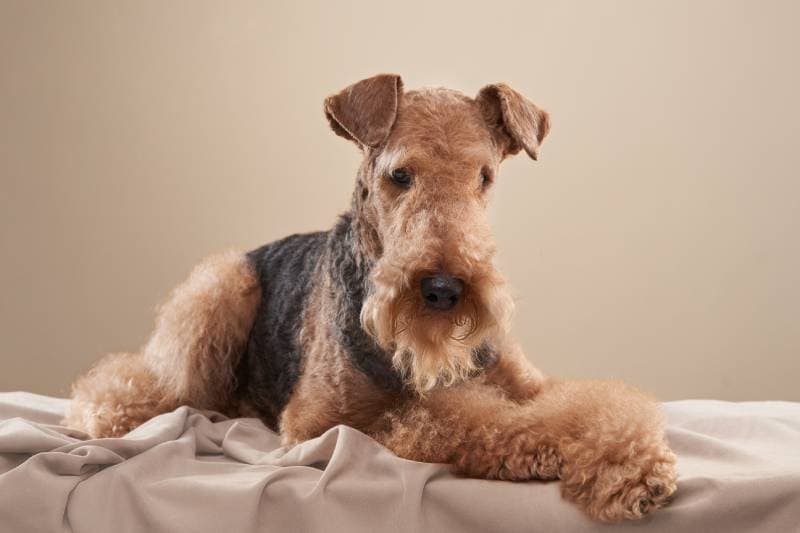
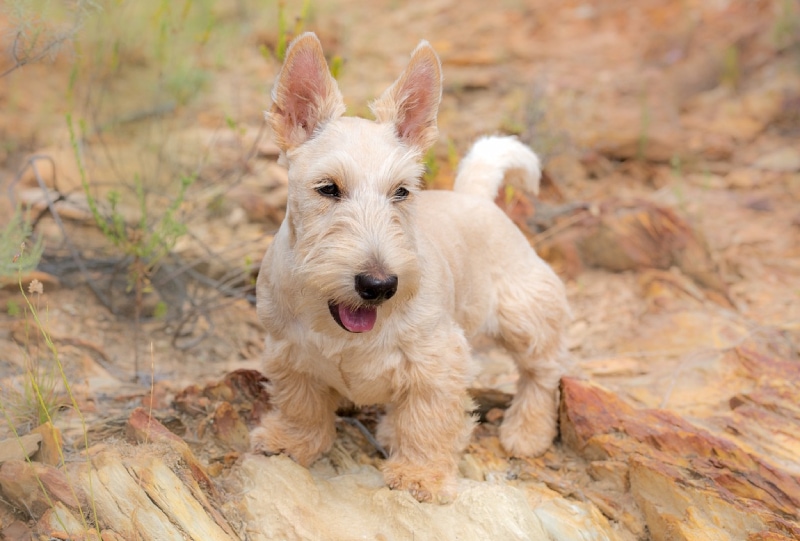
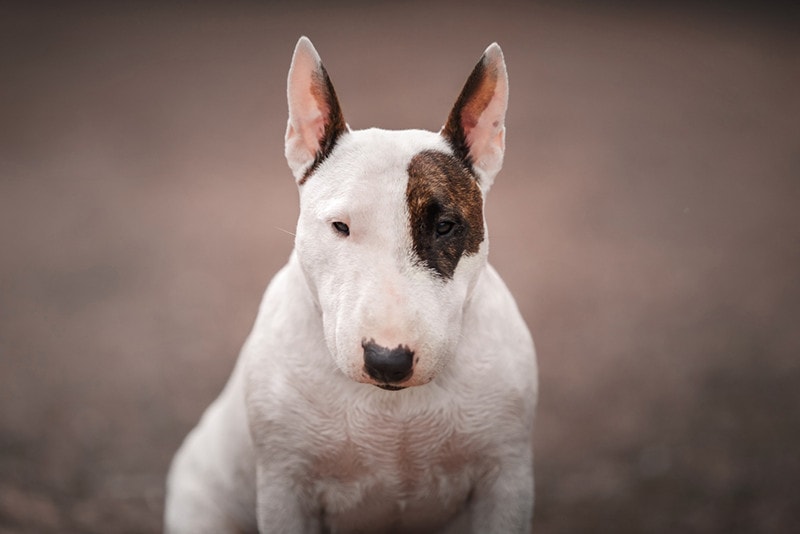
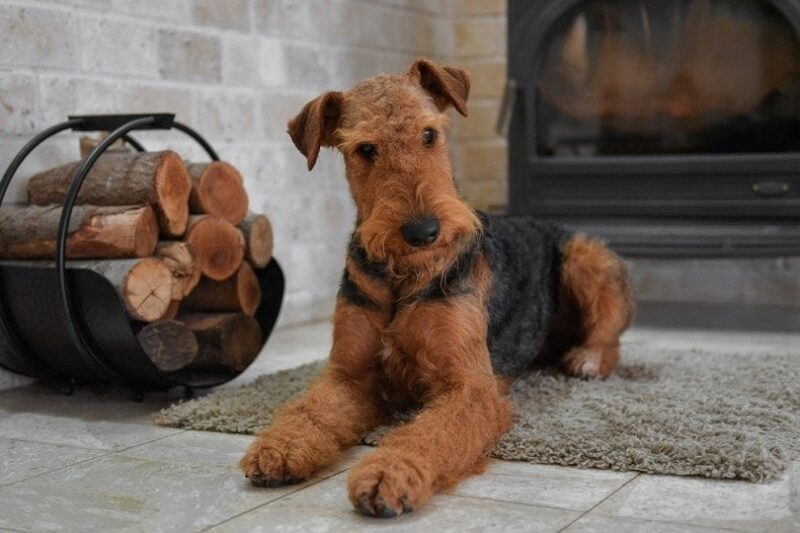
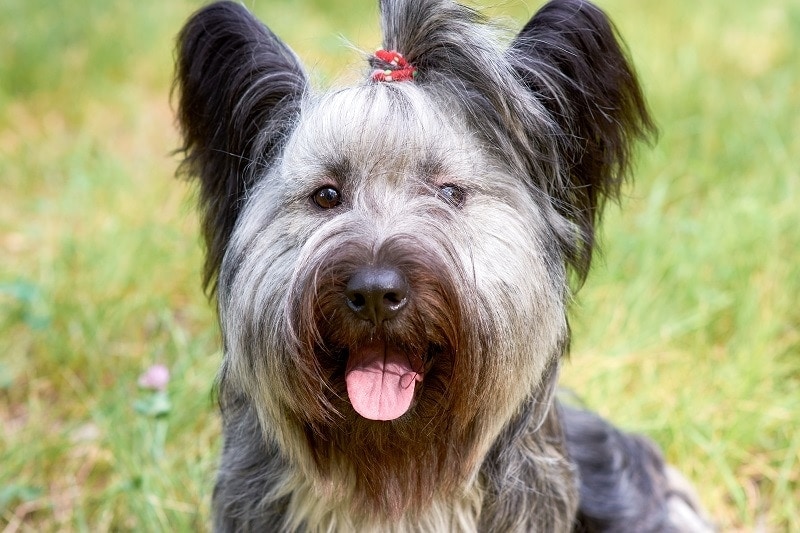
Although no breed is truly hypoallergenic, some shed less than others, and it is usually these low-shedding breeds that people refer to when they talk about hypoallergenic breeds. In this sense, a lot of terrier breeds are low-shedding animals, and so are often described as being hypoallergenic.
Unfortunately, the topic isn’t as cut and dry as one would hope. Different people with dog allergies may be allergic to different proteins, which means that they may be more or less allergic to certain breeds. Let’s take a closer look.

About Dog Allergies
A dog allergy is an allergic reaction to one or more proteins that are produced by dogs. One of the proteins that we are commonly allergic to is Can f 5.1 This is made in the dog’s prostate and when he urinates, it passes into his fur and skin.
The microscopic protein is then dispersed in the air when the dog moves around, shakes, runs, or walks around the room. The protein can be carried on clothing which is why it is possible to have an allergic reaction to dogs even in places where there are no dogs.

Do Terriers Shed?
Because the Can f 5 protein is transported through the hair of a dog, it is common for people with allergies to suffer most when a dog sheds and loses its hair. As the hair falls off, the protein is released into the air, while some of the protein remains on the hair and is picked up as you sit on the hair or even walk past it. As such, allergy sufferers usually benefit from having a dog that sheds less.
Terriers are a group of dog breeds that shed minimally. In particular, wiry and coarse-haired terriers lose less hair than other breeds so they are ideal for owners that dislike having to get the hoover out and for those with allergies.
Can You Build Immunity to Dog Allergies?
Some people report building immunity to their dog allergies. Some owners may also grow out of their allergy. However, you should not bank on this if you have an allergy and are considered a pet pooch. Not only is it not guaranteed, but it is rare. It is more likely that you will continue with the symptoms of allergy, and you may find that the cumulative effect of daily exposure causes the symptoms to worsen.

Can You Still Have a Dog If You’re Allergic?
There are ways to lead a healthy life and have a happy relationship with your pet, even if you suffer from dog allergies. First of all, if you have a serious allergy and suffer potentially life-threatening reactions, you should avoid getting a dog at all because it will be almost impossible to avoid the proteins that you are allergic to.
However, if you suffer from a mild allergy and want to further reduce the impact, you can groom and brush your dog regularly. This helps remove the hair and catches it in your brush so that you can dispose of it. It also enables you to vacuum straight after, so that you can get the hairs and remove these and the accompanying Can f 5 protein from the environment around you.
Do not let your dog sleep on your bed with you, no matter how much you appreciate the companionship. You spend one-third of your life in bed and tend to breathe more heavily when you’re asleep. If your dog is on the bed, you will snore the protein into your throat and lungs while you're asleep.
Do Air Purifiers Help with Pet Allergies?
The protein molecules that cause your allergy are microscopic. Dusting and vacuuming can remove some of the ones that rest on surfaces like floors and furniture, but even the act of cleaning may agitate them and lift them into the environment, where they can be ingested and get into your chest and lungs.

What Dog to Get If You Are Allergic?
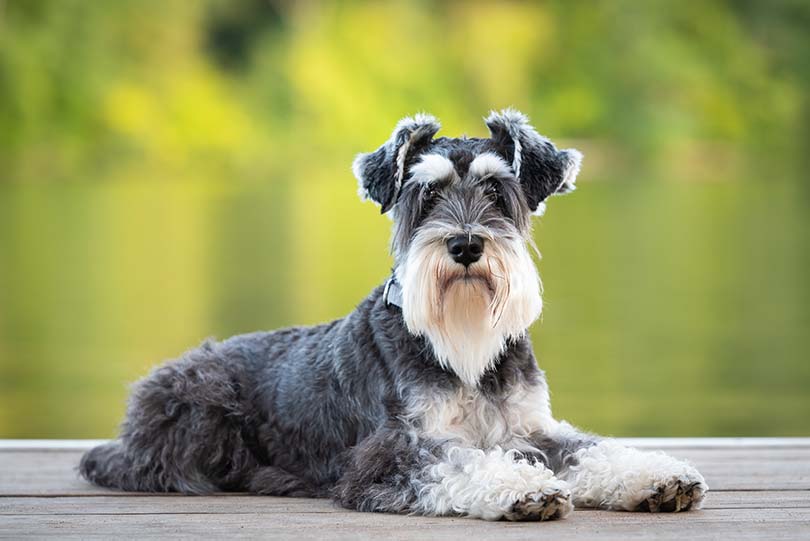
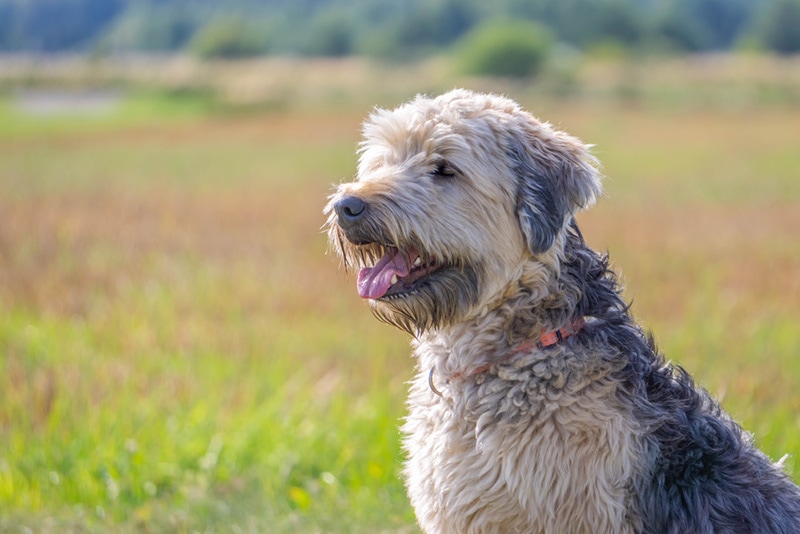
Various dog breeds are considered suitable for those with allergies, including:

Conclusion
Terriers are low-shedding dogs, especially wire-haired breeds, so while they are not fully hypoallergenic, they are one of the better breeds for people who suffer from dog allergies. Yorkies and Kerry Blues are two of the more popular choices, but if hypoallergenic is your main priority, don’t overlook other breeds like the Poodle or even the Afghan Hound.
Most people with allergies can live with a dog, but it may require some lifestyle changes and some rules to teach your new dog.
Featured Image Credit: Akifyeva S, Shutterstock
Get Hepper In Your Inbox


Pet care tips from our vets and experts, straight to your inbox.
You may opt-out at any time. View our Privacy Policy for more information.

Nicole is a lover of animals of all sizes but is especially fascinated with the feline variety. She’s the proud mom of Baby, a Burmese, and works every day so he can relax in the sunshine or by the fire. She’s always had a cat in her home and has spent countless days with others, observing behaviors and softening up even the grouchiest of the lot. Nicole wants to share her kitty expertise with you so you and your cat can live happy, healthy, and care-free.
Join the conversation
Ask a question, share your story, or send private feedback.