Hepper is reader-supported. When you buy via links on our site, we may earn an affiliate commission at no cost to you. Learn more.
Can You Build Up an Immunity to Dog Allergies? Vet-Approved Facts


In this article
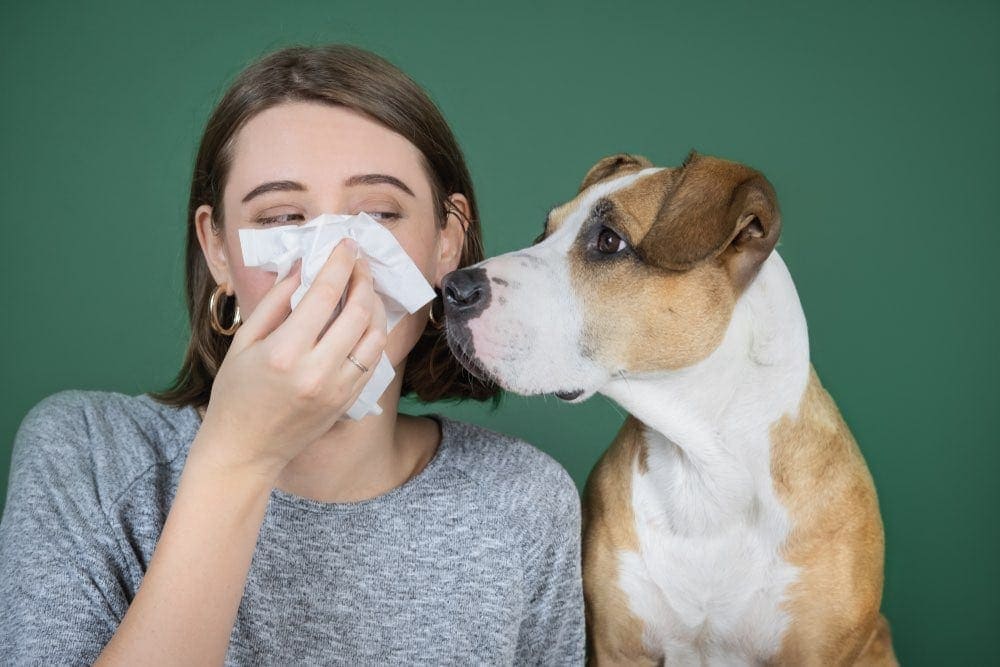
Roughly one-third of people around the world suffer from allergies, and 15–30% of that number are allergic to pets. Not being able to have a dog because your body reacts with a runny nose and itchy eyes can be heartbreaking. The desire to keep hold of our four-legged family members has led to a great deal of research about ways to treat allergies.
The good news is there are a couple of ways to build up immunity to dog allergies. You’ll be glad to hear that you can mitigate the problem by carefully managing your symptoms and exposure to dog-related allergies, in addition to trying immunotherapy, which we'll discuss below.

What Are Allergies?
Allergies are caused by your immune system overreacting to outside substances called “allergens.” These can be anything from pollen, mold spores, drugs, and food items to animal-related substances like urine and saliva.
Where our pets are concerned, the allergens that they carry in their saliva or the oil in their skin get spread to their fur. This is what makes people assume that it’s dog fur that they’re allergic to. Instead, it’s their dried saliva, which clings to loose hair, and dander that you come into contact with both on your dog and wherever they’ve shed their fur around your house.
Pet allergies can be mild or severe depending on whether the allergic reaction triggers a more serious response, like bronchitis or asthma.
Symptoms of allergies include:
Severe allergic reactions can also cause anaphylaxis, which in extreme cases, can be fatal.
Who Suffers From Allergies?
Allergies can develop in anyone at any age, even in people who have been around the particular allergen their entire lives. Some people are more likely to develop allergies than others. For example, if your parents have allergies, you’re more likely to develop your own, even if you’re not allergic to the same things that they are.

Can You Build Immunity to Dog Allergies?
Unfortunately for allergy-suffering pet owners, there’s no real cure for allergies. The only thing that we can do is take measures to limit our exposure to allergens or treat the symptoms. There is a way to build up a tolerance, or immunity, to certain allergies, though.
Immunotherapy is a method of desensitizing the body to allergens through injections. The idea is to use increasing amounts of the allergen to teach your immune system to stop overreacting whenever it comes into contact with it.
While this isn’t a quick fix by any means, the point is to lessen the symptoms of allergic reactions. It’s not something that you should try at home, though. Immunotherapy should only be attempted under the supervision of a medical professional.
What Other Ways Can Allergies Be Managed?
Immunotherapy might help in the long run, but in the meantime, you’ll still have to handle your allergy symptoms. Luckily for pet owners, there are a few ways of managing dog allergies without resorting to sending your favorite pooch away.
Clean
Dog fur might not set off your immune system, but the saliva and oil particles on it can. It gets stuck everywhere too: in the air, on your couch, and even your carpet. Keeping your house clean is a sure-fire way of limiting how many doggy-related allergens that you breathe in.
This may mean daily vacuuming sessions and regularly washing blankets and couch covers that your dog sits on. Mopping wooden floors instead of sweeping or dusting will also trap more allergens and prevent them from swirling back into the air again.
All these chores can get a little tedious, but when faced with the prospect of losing your pooch, any amount of work is a welcome alternative.

Dog-Free Zone
As heartbreaking as it sounds, keeping your dog out of your bedroom is the easiest way to give yourself a reprieve from allergens. This also means not allowing your dog to sleep on the bed with you.
By making a dog-free zone in your house, you’ll be able to retreat whenever your symptoms get particularly bad.
HEPA Filters
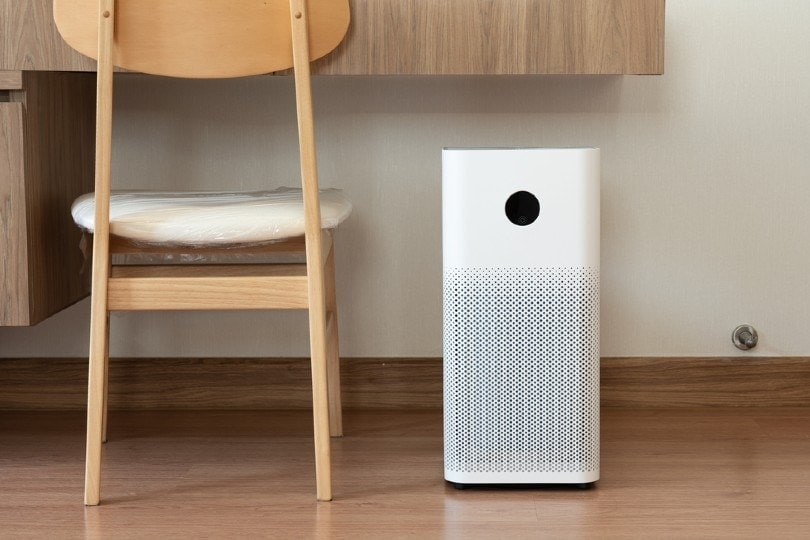
Designed to remove airborne pollutants and allergens like pollen and pet dander, HEPA filters are ideal for reducing the number of allergens in your home. You can buy them for your heating and A/C units or get air purifiers that you can place in different rooms.

Medication
Antihistamines, eye drops, inhalers, and nasal sprays are all common ways that people treat their allergy symptoms. They should be used alongside other measures to control the allergens in your home, but they can help reduce the discomfort from your symptoms.
You should discuss options with a doctor or allergist to properly consider your allergy, its severity, and what treatment is the best for you.
Regular Grooming Sessions
If you live with someone who suffers from pet allergies, you can help by bathing or grooming your dog more often. This will help you wash away the dander so it doesn’t end up airborne. Gentle shampoo is the best for regular bathing sessions, but remember not to bathe your dog too often, as they can suffer from dry skin.
Keeping a good brush handy and grooming them every day is just as good, provided that you brush them outdoors.

Replace Carpets
The flooring in your home can affect your allergies too. Carpets and rugs both cling to fallen hair and dander, and it can be tough to get all the allergens out. Doing a bit of home renovation and installing wooden floors instead can help you reduce the number of allergens trapped in your living room. It can also give your home a sleek, modern look.
Wash your Hands
When it comes to pet allergies, it’s not just airborne particles that can cause issues. Coming into contact with their saliva or the oil on their skin by giving your dog their favorite scratches can also set off allergic reactions. This doesn’t mean you can’t pet your dog — you just have to remember to wash your hands afterward.
Unfortunately, this does mean it’s best to stay away from kisses.

Are There Hypoallergenic Dogs?
Despite common belief, since dog allergies are related to saliva and oil instead of fur, there aren’t hypoallergenic dogs. All breeds create these allergens. Some dogs may cause fewer allergic reactions, but there’s no real way of knowing which dogs will or won’t set off your allergies until you encounter them.
Final Thoughts
Allergies are never fun to deal with. They’re even less fun when it’s our dogs that set them off. Fortunately for doggy fanatics, allergies don’t mean we’re doomed to forever live a life without pets. Treating allergy symptoms with medication and controlling exposure to allergens can help alleviate some of the discomfort.
You can also try immunotherapy to slowly build up an immunity to doggy-caused allergies. It’s a lengthy process, but any wait is more than acceptable when it comes to cuddles with your favorite pooch.
See also: Is Bee Pollen Good For Dogs?
Featured Image Credit: Aleksey Boyko, Shutterstock
Get Hepper In Your Inbox


Pet care tips from our vets and experts, straight to your inbox.
You may opt-out at any time. View our Privacy Policy for more information.
Nicole is a lover of animals of all sizes but is especially fascinated with the feline variety. She’s the proud mom of Baby, a Burmese, and works every day so he can relax in the sunshine or by the fire. She’s always had a cat in her home and has spent countless days with others, observing behaviors and softening up even the grouchiest of the lot. Nicole wants to share her kitty expertise with you so you and your cat can live happy, healthy, and care-free.
Join the conversation
Ask a question, share your story, or send private feedback.