Hepper is reader-supported. When you buy via links on our site, we may earn an affiliate commission at no cost to you. Learn more.
Why Are Dogs Afraid of Vacuums? Vet- Approved Tips to Help Them


In this article
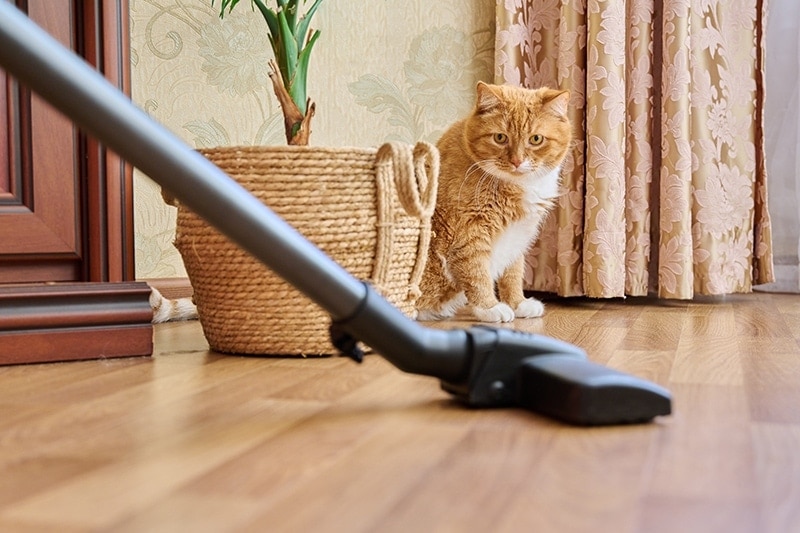
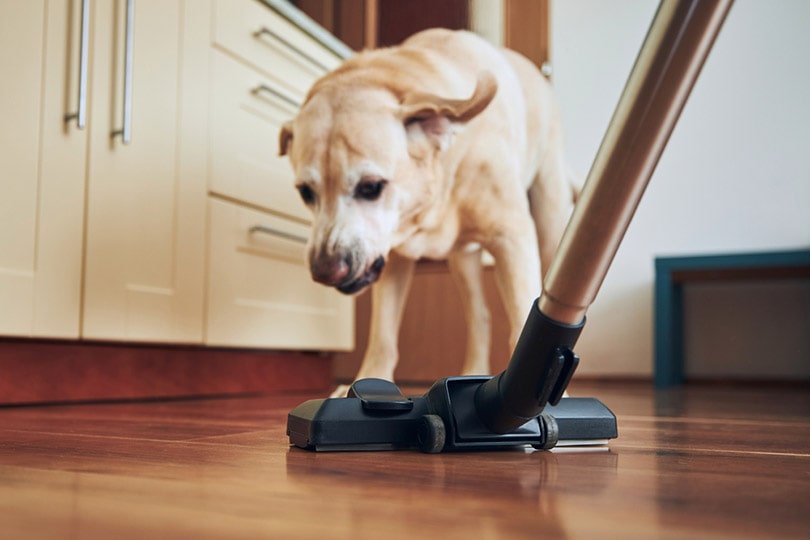
The dreaded vacuum. As soon as the dog sees you headed to the broom closet to get the vacuum, your furry friend becomes a monster and begins to bark, growl, and bite at it. Some of them tense up and hide, and others couldn't care less. And, as if the task of vacuuming is not a dreaded chore to begin with, now you may have to deal with a dog that is demonstrating aggressive or fearful behavior toward it.
So, this begs the question, “Why are dogs afraid of the vacuum, and what can I do to help them?”

Why Are Dogs Afraid of Vacuums?
While some dogs do not seem to be phased by the vacuum cleaner, others react to it like thunder and fireworks. They are loud and appear threatening. The ones that are self-propelled are especially unnerving because they are not only noisy, but they also appear out of nowhere and then disappear. The unexpected movements can be alarming for a dog.
One of the most common reasons dogs have a negative reaction to the vacuum cleaner is that they are not exposed to it gradually. Suddenly this loud, obnoxious apparatus is being moved here and there and appears to be attacking everything. Of course, your canine becomes fearful or protective.
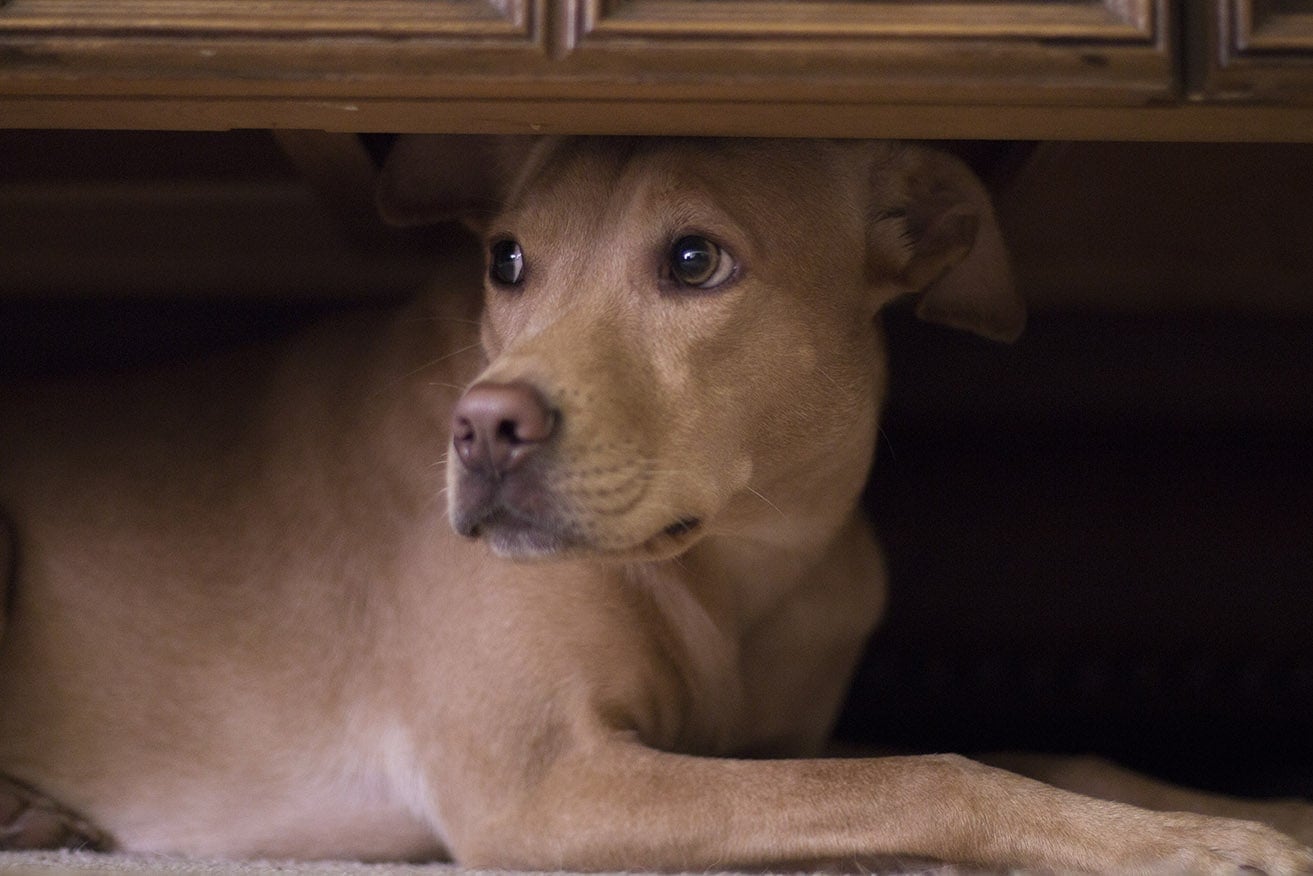
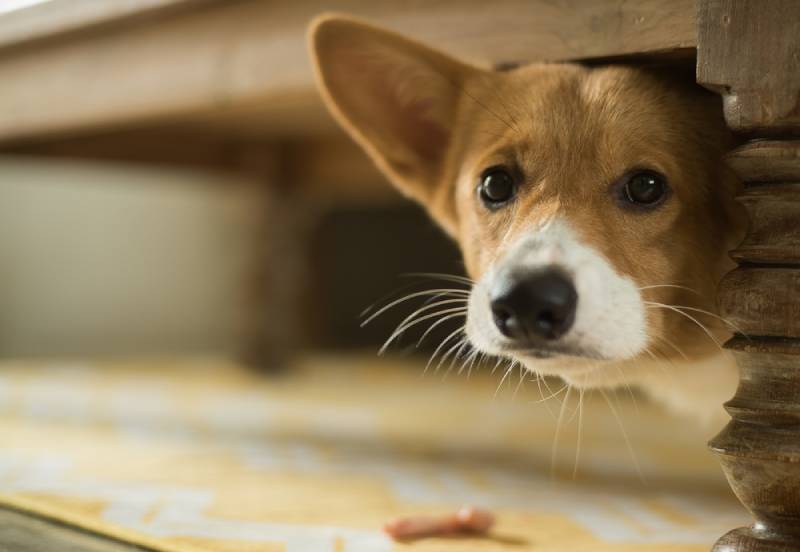
In some cases, your dog may have a nervous and fearful nature. These are the dogs that are fearful overall. They get startled easily and are nervous with loud noises and things that are strange to them.
Other times, it may be because the dog had a negative experience with a vacuum cleaner.
And then we have the working dog breeds who think that the vacuum is disobedient. To a working or herding dog, the vacuum may appear to be cattle or sheep that are straying and need to be put in line. So, they will begin to chase and bark at the vacuum. This can appear to be fear, but it is not; it is instinctual.
How You Can Help a Dog With Vacuum Phobia
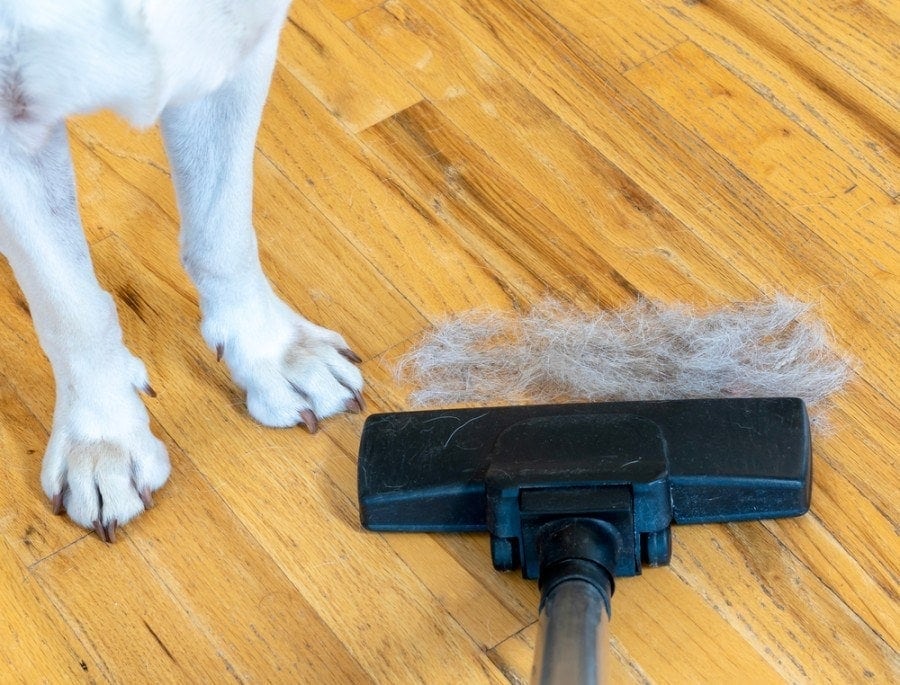
Desensitization and counter-conditioning methods may help to minimize the fear of the vacuum. It will depend on the severity, however. You can desensitize the dog by offering some treats while slowly exposing them to the vacuum.
How You Can Help Your Dog if It Has Vacuum Phobia
Desensitizing methods may help to minimize the fear of the vacuum. It will depend on the severity, however. You can praise the dog and feed it some treats while slowly exposing it to the vacuum.
As with any training or desensitizing methods, it can be time-consuming; plan ahead for this. Avoid frustrations and if you really need to vacuum the house while they are still in training it's best to ask someone to take the dog out for a walk. Do not ruin the milestones achieved by trying to rush them, never be harsh with them, and instead practice patience so the dog does not become more stressed.
Manage the Dog’s Environment
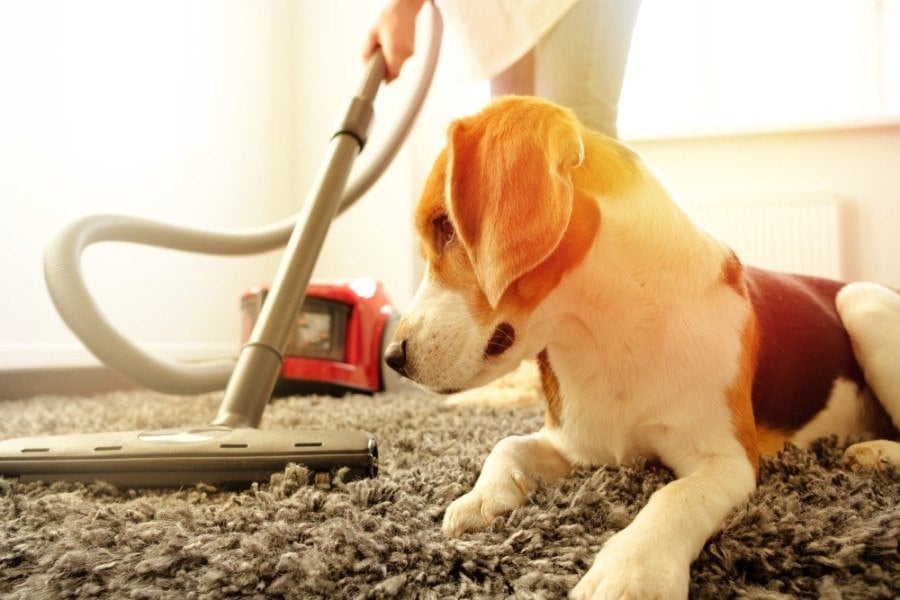
You may not want to push the issue for dogs that are overly sensitive and nervous. In that case, you can manage the dog’s environment by putting them in a different room or taking them out to the yard while vacuuming.

Final Thoughts
While not all dogs will react to the vacuum cleaner in the same way, most of them will have some sort of reaction to this large piece of machinery that is making loud noises and invading their space. Remember, some dogs are naturally nervous and will run and hide from it, and others will herd it because it is instinctual. Either way, there are methods to gradually desensitize your dog so they become tolerant of the vacuum, or you can control the environment to prevent your dog’s stress. This will make for a more pleasant cleaning experience if there is such a thing!
You may also like: Best Canister Vacuum for Pet Hair – Reviews and Top Picks
Sources
Featured Image Credit by Jaromir Chalabala, Shutterstock
Get Hepper In Your Inbox


Pet care tips from our vets and experts, straight to your inbox.
You may opt-out at any time. View our Privacy Policy for more information.
Nicole is a lover of animals of all sizes but is especially fascinated with the feline variety. She’s the proud mom of Baby, a Burmese, and works every day so he can relax in the sunshine or by the fire. She’s always had a cat in her home and has spent countless days with others, observing behaviors and softening up even the grouchiest of the lot. Nicole wants to share her kitty expertise with you so you and your cat can live happy, healthy, and care-free.
Join the conversation
Ask a question, share your story, or send private feedback.